Year: 1950
Runtime: 101 mins
Language: English
Director: Jack Lee
Charged with high voltage excitement ! True story of three British POWs and their attempt to escape from Nazi Germany
Warning: spoilers below!
Haven’t seen The Wooden Horse yet? This summary contains major spoilers. Bookmark the page, watch the movie, and come back for the full breakdown. If you're ready, scroll on and relive the story!
Read the complete plot breakdown of The Wooden Horse (1950), including all key story events, major twists, and the ending explained in detail. Discover what really happened, and what it all means.
Set in a somewhat fictionalised version of the true story, the film centers on Stalag Luft III — the POW camp where the real Great Escape events took place, though this tale follows a different compound — and focuses on inmates Williams, Michael Codner, and Oliver Philpot. In both the book and the film, the escapees are renamed Flight Lieutenant Peter Howard, Captain John Clinton, and Philip Rowe.
The prisoners face a daunting challenge: digging an escape tunnel while the entrance must remain hidden from a distance that reaches the perimeter fence. They devise a clever plan to carve out a tunnel whose entrance sits in the middle of an open area near the fence, concealed by a vaulting horse—a lightweight structure built largely from plywood supplied by Canadian Red Cross parcels. The team forms a process where each day they haul the horse to a fixed spot, with a man hidden inside. Beneath the horse, the digger works, carefully placing wooden boards cut to fit the aperture and filling the hollow with sandbags and dry sand to mask the digging. The goal is to keep the surface level and the earth quiet, as wet sand—darker in color—would betray their activity.
As the tunnel grows longer, the operation becomes more complex: two men hide inside the horse while a larger group exercises above, creating a convincing routine. At the end of each session, the entrance is sealed again and everyone retreats to their hut, the tunnel concealed beneath the moving silhouette of the horse. A third man is recruited to help, a role that Phil reluctantly accepts with the promise that he will join the escape.
When the breakout finally comes, Captain John Clinton hides in the tunnel during an Appell (roll call) before three men are carried out in the horse—the third man stepping in to replace the tunnel trap. Howard and Clinton then travel by train toward the Baltic port of Lübeck, though in reality they move via Frankfurt an der Oder to Stettin. Phil elects to travel alone, posing as a Norwegian margarine salesman and moving by train through Danzig to neutral territory. The odds are perilous at every turn.
On the docks, Howard and Clinton are forced to kill a German sentry who discovers the hiding men. With danger close behind, they contact French workers and meet Sigmund, a Danish resistance collaborator who guides them onto a Danish ship. They transfer to a fishing boat, arrive in Copenhagen, and are eventually shipped to neutral Sweden, where they are reunited with Phil, who had arrived earlier.
Not all details from Williams’ book found their way into the film, and some aspects of the broader escape story were omitted. For instance, the book mentions the possibility of visiting potentially neutral brothels in Germany, an idea that was abandoned for fear of a trap. The film stays focused on the nerve-wracking plan, the meticulous work beneath the surface, and the fraught journeys to safety, all while maintaining a grounded, documentary feel that underscores the courage and ingenuity of those involved.
Last updated: October 09, 2025 at 09:30
Explore frequently asked questions about The Wooden Horse (1950) with spoiler-rich answers covering the full plot summary, major story beats, character motivations, hidden details, and ending meaning. This movie summary FAQ helps explain confusing scenes, plot twists, and narrative decisions in clear, searchable detail.
The vaulting horse provided perfect cover for the tunnel entrance because it was a lightweight, plywood structure that could be carried daily to an open area near the perimeter fence. The Germans would never suspect that prisoners were digging directly in the middle of an exercise field, especially beneath a gymnastics apparatus. The horse allowed the digger to work hidden underneath while other prisoners exercised above, creating a seemingly innocent routine.
The decision to use the vaulting horse was inspired by the camp's location, the open area near the fence offered the only viable path to freedom.
They maintained absolute silence on the surface and filled the tunnel aperture with wooden boards and sand at the end of each daily session. The key was using dry sand, which matched the ground color, rather than wet sand, which would appear darker and raise suspicion. The operation required two men hidden inside the horse while a larger group performed exercises above, creating a convincing cover for the digging noise.
The meticulous daily routine of carrying the horse out and back was established from the very beginning to normalize the activity.
The sentry discovered the hidden men while they were concealed at the dock, presenting an immediate threat to the entire escape operation. With no time to flee or bluff their way out, they had no choice but to kill him to prevent being captured and potentially revealing information about other escapees. This desperate act underscores how perilous every step of their journey was.
The filmmakers earlier established that capture meant execution, raising the stakes for every dangerous encounter.
Each escapee took a different route to minimize the risk of all being captured together. Phil disguised himself as a Norwegian margarine salesman and traveled alone by train through Danzig, while Howard and Clinton headed toward Lübeck. This variation in plans meant that if one route failed, the others might still succeed. Phil's cover as a neutral-country salesman allowed him to pass through checkpoints more easily.
The escape plan always included multiple breakout routes to improve overall chances of success.
After escaping the camp, Howard and Clinton traveled by train toward Lübeck, then made their way to the Baltic docks where the confrontation with the sentry occurred. They then contacted French workers who connected them with Sigmund, a Danish resistance contact. Sigmund smuggled them onto a Danish ship, from which they transferred to a fishing boat that took them to Copenhagen, and finally to neutral Sweden. Phil arrived in Sweden earlier, having traveled separately via Danzig.
The resistance network was established early in the planning as a critical component of the escape route.
As the tunnel grew longer, the physical demands of the operation became too great for just two men. The digging required someone to work inside the tunnel while others managed the cover operation above, and the workload was simply too exhausting to sustain with the original team. Phil was recruited with the promise that he would be included in the eventual escape, becoming an essential part of the daily operation.
The plan always anticipated needing more hands as the tunnel extended beyond initial expectations.
Each day, the team carried the vaulting horse to a fixed spot in the open area, creating a believable exercise routine that justified their presence. One man hid inside the horse structure to dig while others performed vaulting exercises above, masking any sounds from the digging below. At the end of each session, they placed boards over the entrance, filled it with sand, and carried the horse back to the hut, making the entire operation appear completely innocent to German guards.
The regimented daily schedule was designed to become so ordinary that guards would stop paying close attention.
After the dangerous confrontation at the docks, Howard and Clinton connected with French workers who introduced them to Sigmund, a Danish resistance collaborator. Sigmund guided them onto a Danish ship and coordinated their passage to Copenhagen, arranging their eventual transfer to a fishing boat heading to Sweden. Without this resistance network, the escapees would have had no safe way to cross the Baltic Sea to neutral territory.
The escape plan anticipated needing civilian help once outside the camp walls.
During the final breakout, Clinton hid inside the tunnel during the evening Appell (roll call) to avoid detection while the others prepared. When the moment came, three men were carried out inside the vaulting horse, a third man stepping in to replace the tunnel trap that had been keeping the entrance sealed. This daring execution allowed Howard, Clinton, and Phil to all escape together, though they would later split up to minimize capture risk.
The final escape required perfect timing between the man hidden in the tunnel and those carrying the horse out.
Taking separate routes was a deliberate strategy to maximize the chances that at least some prisoners would make it to safety. If all three traveled together and were captured, the entire operation would fail. Phil traveled alone as a Norwegian margarine salesman through Danzig, while Howard and Clinton went toward Lübeck. Each route posed different dangers, and the split reflected the prisoners' careful planning to avoid putting all their chances in one basket.
The decision to split up was established as part of the original escape plan.
Discover curated groups of movies connected by mood, themes, and story style. Browse collections built around emotion, atmosphere, and narrative focus to easily find films that match what you feel like watching right now.
Stories where meticulous ingenuity and teamwork overcome overwhelming odds.If you enjoyed the detailed planning and execution of the escape in The Wooden Horse, you'll find similar tension in these movies. This list features films about prisoners of war, inmates, and other captives using ingenuity and teamwork to plan their way to freedom against all odds.
Narratives in this thread typically follow a linear, goal-oriented structure. The central conflict is the protagonists' confinement versus their will to be free. The plot revolves around the creation and implementation of a complex plan, with the primary suspense coming from the risk of failure at any moment, leading to a cathartic climax of success.
Movies are grouped here for their shared focus on a methodical, process-driven approach to a high-stakes problem. They share a tense, claustrophobic atmosphere, a steady pace that builds suspense through detail, and a theme of human resilience and collaboration triumphing over oppressive systems.
Intense, realistic wartime stories focusing on resilience and perilous journeys.For viewers who appreciated the realistic, high-tension atmosphere of The Wooden Horse, this list features similar World War II dramas and other war films. These movies share a focus on survival, resilience, and the nerve-wracking experience of life-and-death stakes, often with a hopeful conclusion after a heavy emotional journey.
The narrative pattern involves ordinary people thrust into extraordinary circumstances, relying on their wits and fortitude to survive. The journey is often perilous and linear, with obstacles testing their resolve. The emotional arc is heavy, moving from desperation to determined action, culminating in a hard-won victory that provides emotional release.
These films are grouped by their shared commitment to a grounded, tense wartime atmosphere. They excel at creating a sense of realism and immediate danger, often with a steady pace that allows dread and suspense to build authentically. The focus is on the psychological weight and high stakes of survival.
Don't stop at just watching - explore The Wooden Horse in full detail. From the complete plot summary and scene-by-scene timeline to character breakdowns, thematic analysis, and a deep dive into the ending - every page helps you truly understand what The Wooden Horse is all about. Plus, discover what's next after the movie.
Track the full timeline of The Wooden Horse with every major event arranged chronologically. Perfect for decoding non-linear storytelling, flashbacks, or parallel narratives with a clear scene-by-scene breakdown.
Discover the characters, locations, and core themes that shape The Wooden Horse. Get insights into symbolic elements, setting significance, and deeper narrative meaning - ideal for thematic analysis and movie breakdowns.
Discover movies like The Wooden Horse that share similar genres, themes, and storytelling elements. Whether you’re drawn to the atmosphere, character arcs, or plot structure, these curated recommendations will help you explore more films you’ll love.
The Wooden Horse (1950) Scene-by-Scene Movie Timeline
The Wooden Horse (1950) Movie Characters, Themes & Settings
The Wooden Horse (1950) Spoiler-Free Summary & Key Flow
Movies Like The Wooden Horse – Similar Titles You’ll Enjoy
The Great Escape (1963) Movie Recap & Themes
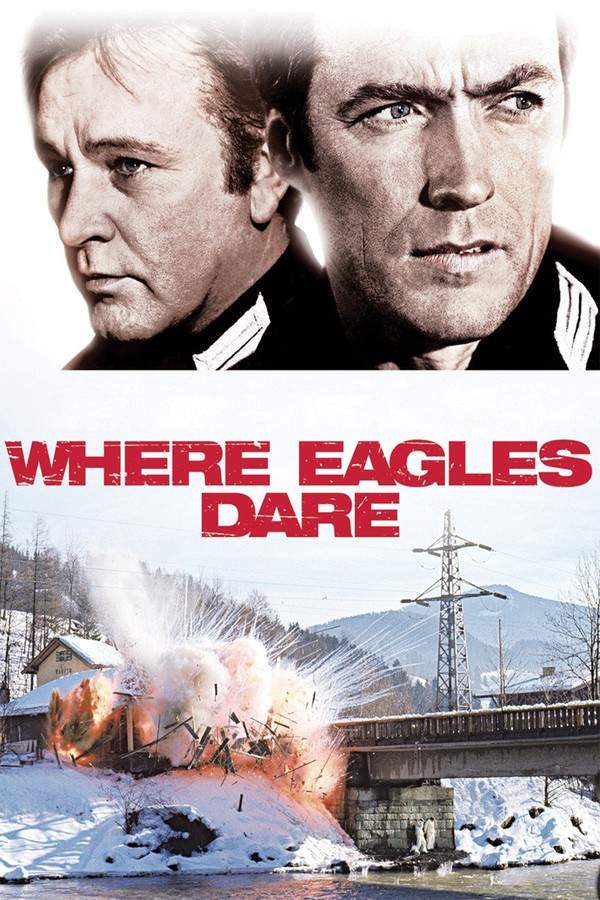
Where Eagles Dare (1969) Full Movie Breakdown
Operation Dunkirk (2017) Full Movie Breakdown
Escape to Victory (1981) Full Movie Breakdown
The Escape (1987) Film Overview & Timeline
The Lighthorsemen (1987) Full Summary & Key Details
Went the Day Well? (1942) Film Overview & Timeline
The Colditz Story (1955) Full Summary & Key Details
How I Unleashed World War II, Part I: The Escape (1970) Full Movie Breakdown
Yesterday’s Enemy (1959) Detailed Story Recap
The Young Lions (1958) Spoiler-Packed Plot Recap
Desperate Journey (1942) Complete Plot Breakdown
The Password Is Courage (1962) Complete Plot Breakdown
The Horsemen (1950) Ending Explained & Film Insights
Night Train to Munich (1940) Detailed Story Recap