Plot Explained Spoilers guaranteed!
Plot Explained

Browse by genre

The Witching Hour (1934) movie poster

Timeline

The Witching Hour (1934) Timeline Explained – Every Event in Order

Release, runtime and language
1934 · 69 mins · English
Loading streaming availability…
Directed by
Henry Hathaway
Starring
John Halliday, Purnell Pratt, Ralf Harolde, William Frawley, Ferdinand Gottschalk, Richard Carle

Jack Brookfield, a gambler with clairvoyant and hypnotic abilities, uses his gift to win at cards. He unintentionally hypnotizes young Clay Thorne, who, while trance‑bound, kills an opponent of Brookfield. Dismissed as innocent, Thorne faces execution. Brookfield teams with retired lawyer Martin Prentice to prove his innocence and save him.

On this page (6)
  1. 1 Where to watch
  2. 2 Events in order (12)
  3. 3 Timeline questions answered
  4. 4 Movie threads
  5. 5 Movies like The Witching Hour
  6. 6 Every angle
Loading streaming availability…

12 events in order · contains spoilers

The Witching Hour Timeline: Events in Chronological Order

Every key event of The Witching Hour (1934) in order, scene by scene, with when and where it takes place. Use it to untangle flashbacks, time jumps and parallel storylines, to refresh your memory before the sequel or to find the exact scene you are thinking of.

  1. Gambling night at Brookfield's Kentucky house

    The film opens with Jack Brookfield running a late-night gambling gathering at his Kentucky residence, setting a mood of risk and bravado. Nancy, Brookfield's daughter, is drawn to the young architect Clay Thorne as their engagement begins to formalize. The tension between private vice and family loyalty threads through the scene as guests gamble into the night.

    When
    Night
    Where
    Brookfield's Kentucky house
  2. Mother arrives and family garden moment

    Brookfield's mother arrives from Baltimore to pull him away from gambling. To her relief, Brookfield leads her to the garden to show his son and Nancy, signaling a fragile moment of reconciliation. Her presence foreshadows a clash between moral authority and Brookfield's unsettling gift.

    When
    Evening
    Where
    Brookfield's garden
  3. Gambling ends early on a whispered feeling

    Brookfield senses a premonition and declares that gambling will end early that night. His unusual decision unsettles the remaining guests and hints at something ominous beneath the surface of the house. The moment sets the tone for events to come.

    When
    Night
    Where
    Brookfield's house
  4. Ellinger pushes a post-curfew poker game

    Lew Ellinger privately pressures Brookfield to play poker after hours, ignoring the implied curfew. Ellinger deals anyway, and Brookfield reveals, with uncanny precision, the cards in Ellinger's hand. He admits he cannot explain his gift, a talent that both bewilders and saddens his friend.

    When
    Night
    Where
    Brookfield's house
  5. Raid yields no evidence of gambling

    The police chief gathers his men to raid Brookfield's house, hoping to trap a gambling ring. When they arrive, they find no trace of illicit activity or gambling devices. The moment exposes the fragility of proof in a case built on talent rather than tangible evidence.

    When
    Night
    Where
    Brookfield's house
  6. Cats-eye ring unsettles Clay

    After Nancy turns in for the night, Clay notices a cats-eye ring on Brookfield's finger—a collateral Lew Ellinger once supplied. The sight unsettles Clay and prompts Brookfield to question the young man about his courage. The ring becomes a symbol of danger and the power dynamics at play.

    When
    Night
    Where
    Brookfield's house
  7. Hardmuth confrontation and unintentional hypnosis

    Frank Hardmuth confronts Brookfield with a grudging demand and a claim that he is good enough for Nancy, triggering a heated exchange. Brookfield punches him and warns that a man will one day shoot him, a prediction Clay overhears. Brookfield then hypnotizes the young man without realizing it, tying fear to control.

    When
    Night
    Where
    Brookfield's house
  8. Judge Prentice arrives and cautions about hypnotism

    Judge Martin Prentice arrives as the last visitor of the night, showing understanding of Brookfield's gift but warning him to be careful with hypnotism. The encounter plants the idea that Brookfield's abilities could become a legal liability. It also establishes Prentice as a potential ally or adversary in the looming trial.

    When
    Night
    Where
    Brookfield's house
  9. Clay kills Hardmuth; the defense search begins

    Clay goes to Hardmuth's office and shoots him dead, driven by fear or misinterpretation of his hypnotic state. The family scrambles to find a defense attorney, but no lawyer accepts hypnotism as a viable defense. The incident thrusts the town into a legal crisis that centers on mind control rather than crime alone.

    When
    Night
    Where
    Hardmuth's office
  10. Prentice is persuaded to take the case

    The defense team seeks representation, but traditional lawyers refuse to touch the hypnotism angle. The ghost of Margaret Price, Mrs. Thorne's mother and Prentice's love, persuades the reluctant judge to reconsider. Moved by memory and emotion, Prentice agrees to take the case, defying the odds.

    When
    Next day
    Where
    Prentice's office
  11. Hypnosis testimony tests the courtroom

    Dr. von Strohn, a renowned hypnotism expert, testifies to the complexity of the mind while acknowledging hypnotic influence. The defense struggles to frame hypnosis within a legal theory, but the skeptical jury remains unconvinced. The courtroom atmosphere is tense as the true nature of Brookfield's gift is still contested.

    When
    Day
    Where
    Courtroom
  12. The climax: a juror is controlled to secure not-guilty

    In a dramatic culmination, Prentice hypnotizes the jury foreman into firing a shot at the district attorney using a blank gun, steering the jury toward a not-guilty verdict. The scheme succeeds, freeing Clay but at the cost of legal and moral boundaries being crossed. The film closes on a haunting note about power, justice, and the price of manipulation.

    When
    Evening
    Where
    Courtroom

Last updated: October 09, 2025 at 12:31

Was this helpful?

Timeline questions answered

The Witching Hour Timeline Explained: Your Questions Answered

When does it happen, and why in that order? The questions people ask about the chronology of The Witching Hour (1934): time jumps, flashbacks, cause and effect between scenes and the correct order of events, each answered with spoilers.

Q1

Why does Clay Thorne kill Frank Hardmuth?

Clay Thorne kills Frank Hardmuth because Jack Brookfield unintentionally hypnotizes him earlier that night. During a confrontation, Brookfield warns Hardmuth that a man will someday come into his office and shoot him. Brookfield's warning, combined with his hypnotic suggestion, plants fear in Clay's mind. Under this trance-like state, Clay travels to Hardmuth's office and shoots him, believing he is acting to protect Brookfield or fulfill the prophecy he overheard.

Foreshadowing: Earlier in the evening, Brookfield unintentionally hypnotizes Clay after punching Hardmuth and making the prophetic warning about being shot.

  • clay thorne
  • frank hardmuth
  • hypnosis
  • murder
  • brookfield
Q2

How does Jack Brookfield hypnotize Clay Thorne?

Jack Brookfield hypnotizes Clay Thorne unintentionally while confronting Frank Hardmuth. During the heated exchange, Brookfield punches Hardmuth and warns that a man will shoot him. As Brookfield speaks with intense focus, Clay overhears the warning and absorbs it. Brookfield's strong concentration and the emotional intensity of the moment create a hypnotic suggestion that植入s in Clay's mind, triggering the later action.

Foreshadowing: The scene where Brookfield demonstrates his psychic abilities earlier in the evening establishes his powerful mental focus.

  • jack brookfield
  • clay thorne
  • hypnosis
  • mind control
  • suggestion
Q3

What happens when Judge Prentice hypnotizes the jury foreman?

During the trial, Martin Prentice orchestrates a desperate gambit to secure Clay's acquittal. He has Jack Brookfield hypnotize the skeptical jury foreman, then instructs the foreman to fire a gun at the district attorney during court. The weapon is loaded with blanks, so no one is harmed, but the dramatic demonstration shocks the jury into questioning whether hypnosis could truly control a person. This visualization of hypnotic power sways the jurors to render a not guilty verdict.

Foreshadowing: Earlier, Dr. von Strohn testifies about the real dangers of hypnosis, lending credibility to what the defense is claiming.

  • jury foreman
  • hypnosis
  • courtroom
  • martin prentice
  • verdict
Q4

Why does Judge Prentice agree to defend Clay Thorne?

Judge Martin Prentice initially refuses to take Clay's case because he doubts hypnosis can serve as a viable legal defense. However, he is persuaded by the ghost of Margaret Price, the mother of Clay's late wife and Prentice's former romantic interest. Her memory appears to him, mov ing him to reconsider. Touched by this spectral reminder of his past love, Prentice agrees to defend Clay despite the odds stacked against them.

Foreshadowing: The ghost of Margaret Price appears in Prentice's office, connecting her memory to his emotional decision.

  • martin prentice
  • margaret price
  • ghost
  • defense attorney
  • persuasion
Q5

Is Clay Thorne truly innocent in The Witching Hour?

Legally, Clay Thorne is found not guilty and walks free. However, the question of his moral innocence remains ambiguous. He killed Frank Hardmuth while in a hypnotic trance induced by Brookfield's unintentional suggestion. While Clay had no conscious intent to murder, he still pulled the trigger. The film leaves this question unresolved, suggesting that legal acquittal does not equal absolute innocence when hypnosis and free will are involved.

Foreshadowing: The entire trial hinges on whether Clay had control over his actions or was merely a vessel for Brookfield's suggestion.

  • clay thorne
  • innocence
  • free will
  • hypnosis
  • legal defense
Q6

What is the significance of the cats-eye ring in The Witching Hour?

The cats-eye ring is collateral that Lew Ellinger once offered Jack Brookfield. After the guests leave and Nancy goes to bed, Clay notices the ring on Brookfield's finger. The sight unsettles Clay, symbolizing the dangerous world of gambling and the mysterious power dynamics at play. The ring becomes a visual reminder of Brookfield's hypnotic gift and the danger that surrounds him, foreshadowing the tragic events to come.

Foreshadowing: Brookfield's earlier demonstration of psychic card-reading ability establishes the supernatural tension that the ring symbolizes.

  • cats-eye ring
  • lew ellinger
  • symbolism
  • gambling
  • collateral
Q7

How does Jack Brookfield's card-reading ability work?

Jack Brookfield possesses a genuine clairvoyant gift that allows him to perceive what others cannot. During a late-night poker game with Lew Ellinger, Brookfield reveals the exact cards in Ellinger's hand with uncanny accuracy. However, Brookfield himself cannot fully explain how this ability functions. He admits the gift is beyond his understanding and has kept him from gambling because he considers it an unfair advantage. The ability seems to work through heightened intuition or psychic perception rather than learned skill.

Foreshadowing: Brookfield's decision to end gambling early that night suggests his premonitive abilities sense danger approaching.

  • jack brookfield
  • clairvoyance
  • card reading
  • psychic ability
  • gambling
Q8

Why is Jack Brookfield's gift considered a burden?

Jack Brookfield views his hypnotic and clairvoyant abilities as a burden because they isolate him from normal life and carry serious consequences. His clairvoyance has kept him from gambling fairly, while his unintentional hypnosis of Clay leads to murder. Judge Prentice warns him that hidden powers bring hidden risks. Brookfield struggles to control his abilities and fears the damage they might cause, leading him to live on the edge of respectability while constantly worried about the moral implications of his gift.

Foreshadowing: The raid that yields no evidence demonstrates how Brookfield's gift operates in a realm beyond physical proof.

  • jack brookfield
  • burden
  • gift
  • hypnosis
  • consequences
Q9

What happens to Clay Thorne after the trial?

Clay Thorne is acquitted and walks free after the jury renders a not guilty verdict. The courtroom demonstration showing the jury foreman's hypnotic control convinces the jury that Clay truly acted under Brookfield's influence. However, the victory is bittersweet, the acquittal comes through manipulation rather than pure justice. The film closes with Clay free but the moral weight of the murder and the question of his true innocence lingering.

Foreshadowing: The entire courtroom climax revolves around proving that Clay was not in control of his actions.

  • clay thorne
  • verdict
  • acquittal
  • freedom
  • courtroom
Q10

Why is Frank Hardmuth targeted for death in The Witching Hour?

Frank Hardmuth is killed because of a prophecy spoken by Jack Brookfield during their confrontation. Brookfield punches Hardmuth and warns that a man will one day come into his office and shoot him. This warning, combined with the hypnotic atmosphere of the evening, implants in Clay Thorne's mind. Clay, acting under this suggestion, travels to Hardmuth's office and shoots him. Hardmuth's death is the direct result of Brookfield's prophetic warning being absorbed by Clay's subconscious.

Foreshadowing: Brookfield's earlier unexplained ability to sense premonitions establishes that his words carry unintended power.

  • frank hardmuth
  • prophecy
  • shooting
  • prediction
  • death

Movie threads

More Movies Like The Witching Hour, by Mood & Story

Curated lists built around what makes The Witching Hour tick: the same mood, the same kind of story or the same emotional payoff. Each list explains why these movies belong together.

Supernatural Courtroom Dramas like The Witching Hour

Stories where paranormal powers are tested in the rigid world of law and justice. If you liked The Witching Hour, you'll enjoy these movies where hypnosis, psychic powers, or other supernatural elements collide with the legal system. These films blend mystery and tension, exploring justice through an uncanny lens. Discover similar stories of paranormal gambits in courtrooms.

  • courtroom suspense
  • uncanny
  • moral ambiguity
  • psychological
  • mysterious
  • tense
  • Tone: tense, mysterious
  • Pacing: steady, methodical
Why these movies?

The story pattern: Movies in this thread typically follow a character with a unique, often misunderstood ability who becomes embroiled in a legal case. The plot hinges on using this power as a key piece of evidence or a desperate defense strategy, creating a high-stakes intellectual and ethical puzzle that challenges the very nature of proof and guilt.

Why they belong together: These films are grouped together because they share a core conflict: the introduction of the inexplicable into the rational framework of the law. They create a specific kind of suspense that is both intellectual and eerie, focusing on moral dilemmas and the psychological tension of a courtroom where the rules of reality seem to bend.
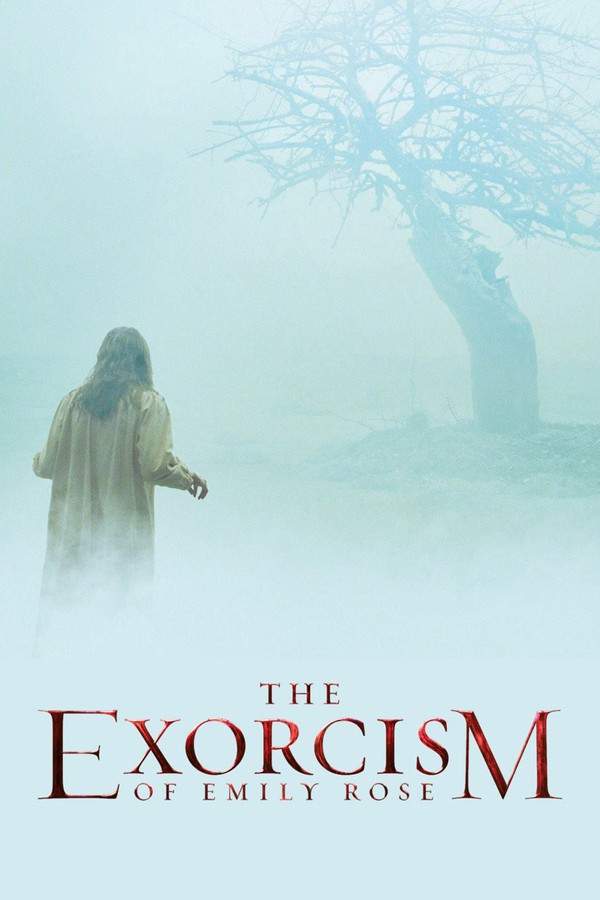
Movies about Cursed Gifts like in The Witching Hour

Characters whose unique talents become a source of guilt and ethical conflict. Explore films similar to The Witching Hour, where a character's supernatural gift leads to unintended disaster. These stories focus on the burden of power, moral responsibility, and the difficult path to making things right. Find movies about haunted protagonists wrestling with their abilities.

  • guilt
  • moral dilemma
  • atonement
  • psychological burden
  • anxious
  • melancholic
  • Tone: melancholic, tense, anxious
  • Pacing: steady, character-driven
Why these movies?

The story pattern: The narrative pattern involves a character discovering or wielding a potent ability, which then triggers a chain of events leading to a serious negative outcome, often the harm of an innocent person. The protagonist's arc is defined by their attempt to rectify the damage, facing ethical quandaries and personal guilt, typically culminating in a resolution that is more about moral reckoning than clear-cut victory.

Why they belong together: These movies are connected by their exploration of a specific character archetype: the gifted but burdened individual. The shared mood is one of melancholic suspense and anxiety, driven by the protagonist's internal conflict and the external consequences of their actions, resulting in a consistently tense and emotionally weighted experience.

If you liked this

Movies Like The Witching Hour

Similar movies to The Witching Hour: the same genre, themes or kind of story. Each one comes with its own plot summary, timeline and ending explained.

Browse all movie summaries

Every angle

The Witching Hour (1934) Explained: Plot, Timeline & Characters

Everything about The Witching Hour in one place: what happens in the plot summary, the timeline in chronological order, the characters and meaning and a spoiler-free summary. What's After the Movie adds the cast, box office and post-credit scenes.

Coming soon on iOS and Android

The Plot Explained Movie Summary App

Plot summaries, endings explained and timelines on your phone. Catch up on any movie in minutes, save your favorites and never miss a twist again.

Be the first to know when we launch. Your email stays private, always.

Learn more about the app