Year: 1936
Runtime: 96 mins
Language: English
Director: Henry Hathaway
The Technicolor spectacle that blazes the trail to an all-time high in adventure! A well-established tale of a long-running feud between two mountain clans.
Warning: spoilers below!
Haven’t seen The Trail of the Lonesome Pine yet? This summary contains major spoilers. Bookmark the page, watch the movie, and come back for the full breakdown. If you're ready, scroll on and relive the story!
Trace every key event in The Trail of the Lonesome Pine (1936) with our detailed, chronological timeline. Perfect for unpacking nonlinear stories, spotting hidden connections, and understanding how each scene builds toward the film’s climax. Whether you're revisiting or decoding for the first time, this timeline gives you the full picture.
Last updated: February 24, 2026 at 09:20
Find frequently asked questions about the The Trail of the Lonesome Pine (1936) timeline, including chronological order, nonlinear jumps, cause-and-effect links, and scene sequence clarifications. This timeline FAQ helps explain when key events happen, how moments connect, and why the story unfolds in that specific order.
June is immediately drawn to Jack Hale because he represents something different from the isolated mountain life she knows. As an outsider with modern ideas and practical skills, Hale offers her a glimpse of a broader world beyond the feud. While Dave is her expected match, Hale's contrasting personality and his heroic act of saving Dave's life capture her attention in a way Dave cannot.
The narrative hints at this shift early: the moment Hale arrives, he disrupts the established romantic and clan arrangements, foreshadowing June's changing loyalties.
Dave is driven to pursue Hale because he feels betrayed, both by Hale's arrival stirring conflict in his family and by June's obvious attraction to the outsider. His engagement to June was expected and traditional, but Hale's presence threatens that future. Combined with the broader family tensions, Dave's anger and sense of loss push him toward violence.
This confrontation builds directly from earlier tension: both clans already view Hale with suspicion, and Dave's own family dynamics have shifted since Hale's arrival.
The Falins destroy a bridge as an act of sabotage during the escalating feud, and Buddie is caught in the chaos when he attempts to cross or is present near the structure. His death is accidental, the bridge collapse itself kills him, not a direct attack on him personally. This tragedy represents the feud spiraling beyond anyone's control and affecting even the youngest members of the family.
The ongoing violence and mutual hostility between the clans create an environment where such destructive acts become inevitable, with Buddie's presence near the bridge a tragic consequence of the ongoing conflict.
Wade Falin shoots Dave in the back, a brutal act that underscores how far the feud has escalated. The shooting happens as Dave is vulnerable and unaware, making it a cowardly attack rather than an honorable confrontation. This act shatters any fragile peace that might have formed and directly motivates the families to finally recognize the feud has gone too far.
The cycle of violence has been building throughout: Dave himself was ambushed earlier, and each attack has only bred further retaliation, leading to this fatal escalation.
Hale sees potential in Buddie and wants to offer the boy an alternative to the endless cycle of feud and retaliation. By educating Buddie and taking him under his wing, Hale provides a glimpse of a different future, one outside the mountain clans' rigid traditions. This mentorship also deepens Hale's connection to the Tolliver family and demonstrates his genuine desire to help the community, not just pursue his business interests.
Hale's mentorship begins early and is presented as a contrast to the clans' hostility, suggesting his role as a unifying force in the divided community.
After Dave's ambush and the escalating violence surrounding Hale, June's safety becomes a priority. Hale arranges for her to live with his sister in Louisville, removing her from the dangerous environment of the feuding clans. This decision also reflects Hale's desire to protect her from the animosity that has grown around his presence in town.
This separation marks a turning point in June's character arc, as her time in the city later transforms her into a more sophisticated figure upon her return.
The feud ends when both families recognize it has gone too far, particularly after Dave's death at Wade Falin's hands. The accumulated tragedies, Buddie's death, Dave's shooting, and years of violence, force a reckoning. With Hale acting as a mediator and unifying figure, the families agree to reconcile. The marriage between Hale and June becomes the symbolic turning point, representing a break from the old hatreds.
Each act of violence throughout the film builds toward this moment, with the final tragedy of Dave's death serving as the catalyst for genuine reconciliation.
The Falins destroy the bridge as an act of warfare against the Tollivers, aiming to disrupt their movements and assert dominance in the ongoing feud. Bridges were critical infrastructure in the mountain region, so destroying one would cripple travel and supply routes for the rival clan. This act demonstrates how the feud has reached a point where both sides are willing to cause major destruction, not just targeted violence.
The escalating violence between the clans, 包括 earlier ambushes and Dave's confrontation, sets the stage for such extreme sabotage.
June returns for her brother Buddie's funeral, drawn back by family obligation and grief. Her return marks a significant moment because she comes back transformed by her time in Louisville, more sophisticated and worldly. This transformation creates new dynamics within the family and sets the stage for her eventual reconciliation with both clans as the feuding families gather together in shared mourning.
The funeral itself brings Tollivers and Falins into direct contact, providing the opportunity for healing dialogue that advances the reconciliation arc.
Hale becomes a mediator because he is an outsider with no personal stake in the generations-old rivalry. His only interest is in achieving his professional goals, coal and railroad development, which requires peace. As he demonstrates genuine goodwill by saving Dave's life, mentoring Buddie, and protecting June, both families come to see him as a trustworthy figure. His position between the clans naturally positions him to broker peace.
From his arrival, Hale's actions consistently contrast with the feuding clans' mindset, laying groundwork for his eventual role as unifier.
Dave is ambushed by the Falins when he sets out to confront Jack Hale with a rifle. The Falins, already hostile toward the Tollivers, see Dave's armed movement through their territory as a threat or opportunity for attack. The ambush is part of the ongoing cycle of violence, the Falins respond to any Tolliver aggression with their own, and Dave's pursuit of Hale provides the trigger for this attack.
Dave's decision to pursue Hale with a rifle directly leads to this ambush, demonstrating how each act of aggression fuels further violence.
After living with Hale's sister in Louisville, June returns as a more sophisticated, worldly woman. The contrast between her before and after is significant, she now represents modernization and progress, reflecting the broader themes of the film about breaking from old ways. This transformation also signals her readiness to embrace a future with Hale beyond the mountain clans' traditions.
Hale's original purpose in sending her to Louisville was for safety, but the narrative reveals this separation also serves as a vehicle for her personal growth.
Discover curated groups of movies connected by mood, themes, and story style. Browse collections built around emotion, atmosphere, and narrative focus to easily find films that match what you feel like watching right now.
When love crosses battle lines, risking everything for a fragile peace.If you enjoyed the dangerous love story set against a bitter family feud in The Trail of the Lonesome Pine, explore these other movies. This list features stories where romantic relationships defy deep-seated conflicts, often sparking violence but also offering a fragile hope for the future.
Movies in this thread typically follow characters from opposing sides of a long-running conflict who fall in love. Their relationship inflames existing tensions, often leading to tragic consequences for supporting characters. The climax frequently involves a pivotal act of violence or sacrifice, forcing a choice between old hatreds and a new future, culminating in a hard-won, hopeful resolution.
These films are grouped together because they share a core narrative structure of romance intertwined with a violent feud. They balance intense, tense drama with a heavy emotional weight, driven by themes of cultural clash, forbidden love, and the possibility of redemption through personal connection.
Hard lives in isolated settings, where loss forces characters to evolve.Fans of The Trail of the Lonesome Pine's depiction of a mountain community shattered by violence will appreciate these similar movies. This collection features stories set in tight-knit, rural worlds where a tragic event forces characters to grow and challenges the very foundations of their society.
The narrative pattern revolves around an insular community bound by custom. A pivotal tragic event, often violent and personal, acts as a catalyst. This forces a central character, frequently a young adult, to question the cycle of violence and tradition. The story follows their emotional journey through grief and moral conflict toward a more mature, hopeful understanding of the world.
These movies share a specific atmospheric and emotional mix: a strong rural setting, a heavy emotional weight driven by grief and loss, and a central character arc focused on growth and redemption after trauma. The tone is consistently tense and melancholic, with a steady pacing that allows the tragedy and its aftermath to unfold deliberately.
Don't stop at just watching - explore The Trail of the Lonesome Pine in full detail. From the complete plot summary and scene-by-scene timeline to character breakdowns, thematic analysis, and a deep dive into the ending - every page helps you truly understand what The Trail of the Lonesome Pine is all about. Plus, discover what's next after the movie.
Read a complete plot summary of The Trail of the Lonesome Pine, including all key story points, character arcs, and turning points. This in-depth recap is ideal for understanding the narrative structure or reviewing what happened in the movie.
Discover the characters, locations, and core themes that shape The Trail of the Lonesome Pine. Get insights into symbolic elements, setting significance, and deeper narrative meaning - ideal for thematic analysis and movie breakdowns.
Discover movies like The Trail of the Lonesome Pine that share similar genres, themes, and storytelling elements. Whether you’re drawn to the atmosphere, character arcs, or plot structure, these curated recommendations will help you explore more films you’ll love.
The Trail of the Lonesome Pine (1936) Plot Summary & Movie Recap
The Trail of the Lonesome Pine (1936) Scene-by-Scene Movie Timeline
The Trail of the Lonesome Pine (1936) Spoiler-Free Summary & Key Flow
Movies Like The Trail of the Lonesome Pine – Similar Titles You’ll Enjoy
The Mountain Men (1980) Complete Plot Breakdown
Broken Trail (1000) Ending Explained & Film Insights
Lonesome Dove (1000) Movie Recap & Themes
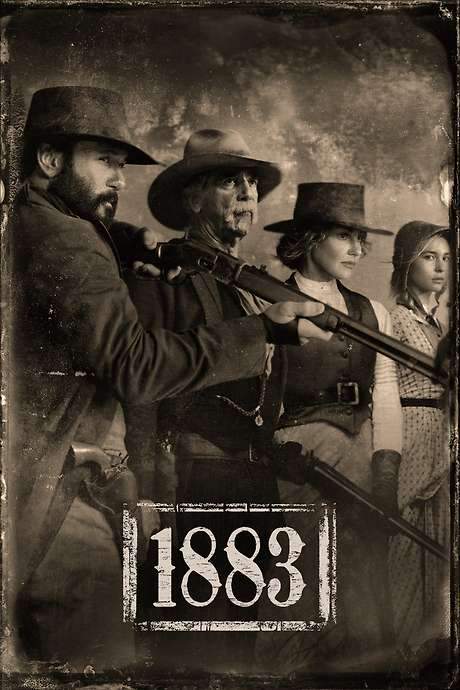
1883 (1000) Full Summary & Key Details
The Trail of ’98 (1928) Full Movie Breakdown
The Big Trail (1930) Full Summary & Key Details
Trail Street (1947) Story Summary & Characters
Rocky Mountain (1950) Ending Explained & Film Insights
Buckskin Frontier (1943) Detailed Story Recap
Trail of the Falcon (1968) Full Summary & Key Details
The Lone Star Trail (1943) Detailed Story Recap
The Lonely Trail (1936) Plot Summary & Ending Explained
Colorado Sundown (1952) Full Summary & Key Details
Trail Dust (1936) Full Movie Breakdown
The Trail Beyond (1934) Ending Explained & Film Insights