Plot Explained Spoilers guaranteed!
Plot Explained

Browse by genre

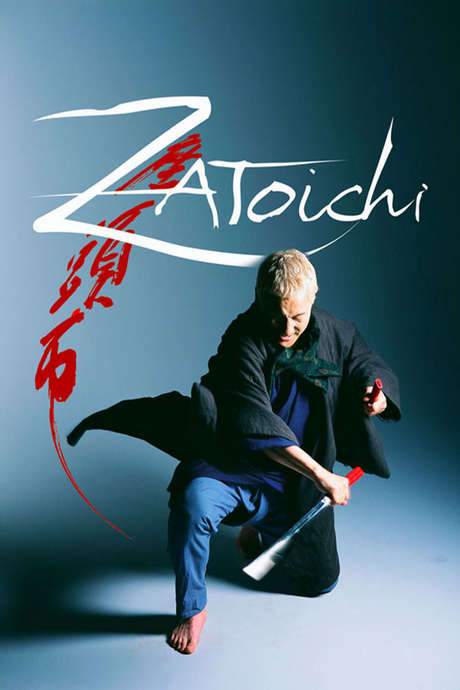
The Tale of Zatoichi (1962) movie poster

Timeline

The Tale of Zatoichi (1962) Timeline Explained – Every Event in Order

Release, runtime and language
1962 · 96 mins · Japanese
Directed by
Kenji Misumi
Starring
Yūji Hamada, Gen Kimura, Shintarō Katsu, Toshio Chiba, Shigeru Amachi, Michirō Minami

A blind, gambling masseur and master swordsman roams the countryside, using his heightened senses to dispense justice. When he learns a Yakuza‑run village is on the brink of conflict with a rival gang from a neighboring town, Zatoichi decides to intervene, setting the stage for a tense showdown.

On this page (5)
  1. 1 Events in order (12)
  2. 2 Timeline questions answered
  3. 3 Movie threads
  4. 4 Movies like The Tale of Zatoichi
  5. 5 Every angle

12 events in order · contains spoilers

The Tale of Zatoichi Timeline: Events in Chronological Order

Every key event of The Tale of Zatoichi (1962) in order, scene by scene, with when and where it takes place. Use it to untangle flashbacks, time jumps and parallel storylines, to refresh your memory before the sequel or to find the exact scene you are thinking of.

  1. Hired as muscle by Sukegoro

    The blind masseur Zatoichi is hired by the yakuza boss Sukegoro because he expects war with Shigezo is inevitable. Zatoichi has a renowned reputation as a swordsman, and Sukegoro believes paying for his services is money well spent. Ichi presents himself as meek and humble, masking his deadly skills.

    Where
    Sukegoro's hideout
  2. Shigezo hires a rival ronin, Miki Hirate

    Shigezo responds by hiring a ronin of similar repute, Miki Hirate, to counter Zatoichi's threat. Hirate is a renowned swordsman who will challenge Ichi and complicate Sukegoro's plans.

    Where
    Shigezo's stronghold
  3. Ichi's humble facade provokes hostility

    Ichi's meek demeanor and his lowly trade as a masseur draw suspicion and hostility from others. His quiet presence belies the skill and danger he represents as a swordsman.

    Where
    Town streets
  4. Dice game con reveals Ichi's senses

    In a gambling den, a dealer tries to trick him with loaded dice. Ichi detects the altered sound and proves the con by calling out the gamblers, revealing the limits of their deceit.

    Where
    Gambling den
  5. Hirate respects Ichi; a fragile friendship forms

    The only person who respects Ichi is Hirate, a ronin who knows what it feels like to be an outcast. Across their wary encounters, a budding sense of friendship develops even as they know they must face each other when war comes.

    Where
    Various locations as their paths cross
  6. War looms; Sukegoro orders attack and cuts Ichi loose

    As the conflict draws near, Sukegoro orders an all-out attack on Shigezo and removes Ichi from his payroll. The shift forces Ichi to watch the power struggle unfold from the margins.

    Where
    Sukegoro's base
  7. Hirate learns Shigezo's plan to kill Ichi

    While gravely ill, Hirate drags himself from bed and discovers that Shigezo intends to kill Ichi with a tanegashima. He resolves to confront Ichi in an honorable, final act.

    Where
    Hirate's lodging
  8. Hirate fights to die honorably; the duel nears

    Driven by his impending death, Hirate seeks a final duel and to die an honorable death at the hands of Ichi. He prepares to face his rival despite his illness.

    Where
    Path to confrontation
  9. Ichi learns of the assassination plan

    A temple boy tells Ichi about Hirate's intentions and the broader plan to snare him. Ichi processes the information and steels himself for what is to come.

    Where
    Temple
  10. The final duel begins

    In a tense, climactic fight, Zatoichi confronts Hirate and their swords sing as they test each other's limits. Zatoichi ultimately proves superior and defeats Hirate.

    Where
    Battlefield clearing
  11. Hirate's death and Zatoichi's victory

    Zatoichi cuts Hirate down in the duel, marking the end of their confrontation. Hirate dies after a hard-fought exchange, honoring his resolve.

    Where
    Battlefield
  12. Ichi declines Otane and wanders alone

    After the fight, Otane tries to win the wandering swordsman, but Ichi rejects her advances and commits to a solitary, nomadic life.

    Where
    Roadside inn

Last updated: October 07, 2025 at 09:37

Was this helpful?

Timeline questions answered

The Tale of Zatoichi Timeline Explained: Your Questions Answered

When does it happen, and why in that order? The questions people ask about the chronology of The Tale of Zatoichi (1962): time jumps, flashbacks, cause and effect between scenes and the correct order of events, each answered with spoilers.

Q1

Why does Hirate want to fight Zatoichi?

Hirate is terminally ill with tuberculosis and knows he is dying. Rather than succumbing to illness in bed, he chooses to seek an honorable death in combat. As a ronin and outcast, he respects Zatoichi as a worthy opponent and wants to die by the sword of a true master, making his final fight a matter of pride and dignity.

Foreshadowing: Early in the film, Hirate's deteriorating health is shown as he coughs frequently, hinting at his fatal condition.

  • hirate
  • tuberculosis
  • honorable death
  • ronin
  • terminal illness
Q2

Why does Sukegoro fire Zatoichi before the attack on Shigezo?

Sukegoro removes Zatoichi from his payroll because he believes he no longer needs to pay for Zatoichi's services. With war imminent, Sukegoro assumes he can defeat Shigezo's forces without the added expense. Additionally, Sukegoro recognizes that Zatoichi's presence might complicate things, so cutting him loose allows Sukegoro to launch his all-out attack without interference or additional costs.

Foreshadowing: Sukegoro's greed is established early when he calculates that hiring Zatoichi is worth the money, but he proves short-sighted when profit becomes a priority over strategy.

  • sukegoro
  • yakuza
  • payroll
  • betrayal
  • gang war
Q3

What triggers the final duel between Zatoichi and Hirate?

Hirate learns that Shigezo plans to kill Zatoichi with a tanegashima (rifle) rather than facing him honorably in combat. As someone who respects Zatoichi as a swordsman, Hirate cannot allow his rival to be assassinated. He drags himself from his sickbed to confront Zatoichi himself, ensuring his death will come from a fair duel rather than a sniper's bullet.

Foreshadowing: The temple boy reveals Shigezo's assassination plan to Zatoichi, which prompts Hirate's urgent departure from his lodging to intercept the kill.

  • hirate
  • tanegashima
  • assassination
  • final duel
  • honorable combat
Q4

Why does Zatoichi reject Otane at the end of the film?

Zatoichi rejects Otane's advances because he is committed to his solitary life as a wandering swordsman. Throughout the film, he maintains his identity as an outsider, being both blind and a masseur places him at the bottom of social hierarchies. His rejection reinforces the film's themes of loneliness and duty; despite forming a genuine connection with Hirate, Zatoichi chooses to remain alone, refusing to settle down or form lasting attachments.

Foreshadowing: Throughout the narrative, Zatoichi consistently maintains his distance from others, presenting himself as meek and unassuming while keeping his true skills hidden.

  • otane
  • rejection
  • solitude
  • wandering
  • loneliness
Q5

Why does Hirate decide to stop Shigezo's assassination plot?

Hirate refuses to let Shigezo kill Zatoichi with a rifle because it would be a dishonorable death. As a fellow swordsman who respects Zatoichi's skill, Hirate believes Zatoichi deserves to die in combat, facing his opponent directly. By deciding to kill Zatoichi himself in a fair duel, Hirate ensures his rival gets the honorable death that a master swordsman deserves, while also achieving his own goal of dying in battle.

Foreshadowing: Hirate's character is established as someone who understands the samurai code, making his objection to assassination logically consistent.

  • hirate
  • shigezo
  • assassination
  • honor
  • swordsman
Q6

How does Zatoichi detect the loaded dice in the gambling den?

Zatoichi uses his highly trained senses, particularly his hearing, to detect the fraud. While others rely on sight, Zatoichi has mastered his other senses to compensate for his blindness. He notices that the loaded dice produce a different sound when rolled, allowing him to identify the con and call out the gamblers. This scene demonstrates how his blindness has actually enhanced his other abilities to an extraordinary degree.

Foreshadowing: Earlier moments show Ichi navigating the world through sound and touch, establishing his heightened sensory abilities.

  • zatoichi
  • dice
  • gambling
  • senses
  • hearing
Q7

Why do Hirate and Zatoichi develop a friendship despite being enemies?

Both characters are outcasts in feudal Japanese society, Hirate as a ronin and Zatoichi as a blind masseur, a profession held in low regard. They recognize in each other a shared understanding of isolation and social rejection. Despite knowing they must eventually fight, they develop mutual respect because each sees the other as a true warrior worthy of acknowledgment, creating a poignant friendship grounded in shared hardship.

Foreshadowing: Their first meeting establishes a respectful exchange that goes against the hostility shown by other characters toward Zatoichi.

  • hirate
  • friendship
  • outcasts
  • ronin
  • respect
Q8

What is a tanegashima?

A tanegashima is a Japanese matchlock rifle introduced to Japan in the 16th century. In the film, Shigezo plans to use this weapon to kill Zatoichi from a distance rather than facing him in honorable combat. The use of a rifle represents a dishonorable approach to warfare, preferring stealth and distance over face-to-face confrontation, which is deeply contrary to the samurai code that Hirate upholds.

Foreshadowing: The tanegashima is mentioned when Hirate discovers Shigezo's plan, creating immediate stakes for the plot.

  • tanegashima
  • rifle
  • assassination
  • matchlock
  • weapon
Q9

Why does Zatoichi present himself as meek and humble?

Zatoichi hides his deadly swordsmanship behind a facade of meekness to avoid drawing attention and to catch opponents off guard. As a blind masseur, a profession considered lowly in feudal Japan, he is underestimated by enemies and locals alike. This disguise allows him to move freely, gather information, and strike only when necessary. The contrast between his humble appearance and his true abilities is central to his character and effectiveness as a protector.

Foreshadowing: From his first appearance, Zatoichi is described as presenting himself as a meek, humble man who is commonly underestimated.

  • zatoichi
  • disguise
  • underestimated
  • meek
  • swordsman
Q10

Why does Hirate continue fighting despite being severely ill?

Hirate's tuberculosis has left him bedridden and weak, yet he physically drags himself from his sickbed to confront Zatoichi. His illness has reached its final stage, and he is determined to die by the sword rather than by disease. The fight represents his last chance to fulfill his warrior's code, he wants to kill and be killed by a worthy opponent, making his final battle both a personal quest and a matter of honor.

Foreshadowing: Hirate's coughing and deteriorating health are shown throughout the film, building to his dramatic final stand.

  • hirate
  • tuberculosis
  • illness
  • final stand
  • warrior code
Q11

Why does the yakuza war matter in the story?

The looming war between Sukegoro and Shigezo serves as the catalyst that brings Zatoichi and Hirate into conflict. Sukegoro hires Zatoichi as muscle, and Shigezo responds by hiring Hirate. This power struggle forces the two swordsmen into opposition despite their mutual respect. The war also creates the political tension that drives the narrative forward, ultimately leading to the climactic duel between the two protagonists.

Foreshadowing: The film opens with Sukegoro hiring Zatoichi specifically because he believes war with Shigezo is inevitable.

  • yakuza
  • gang war
  • sukegoro
  • shigezo
  • conflict

Movie threads

More Movies Like The Tale of Zatoichi, by Mood & Story

Curated lists built around what makes The Tale of Zatoichi tick: the same mood, the same kind of story or the same emotional payoff. Each list explains why these movies belong together.

Movies about wandering outlaws like The Tale of Zatoichi

Stories of solitary heroes bound by honor on a melancholic path. If you liked The Tale of Zatoichi, discover more movies featuring lone warriors guided by a strong moral compass. These similar samurai, western, and action dramas explore themes of honor, duty, and the solitude of the wandering hero's path.

  • lonely
  • honorable
  • melancholic
  • gritty
  • fatalistic
  • tense
  • Tone: melancholic, honorable, tense
  • Pacing: steady, character-driven
Why these movies?

The story pattern: Narratives in this thread typically center on a skilled but solitary figure who enters a troubled community. Their presence disrupts the status quo, forcing a confrontation that tests their code. The journey often ends bittersweetly, reaffirming their solitary nature as they move on, having resolved the conflict but gained no lasting peace.

Why they belong together: These films are grouped by their shared focus on a lone protagonist archetype, a melancholic and honorable tone, and the central theme of a wandering existence. The combination of steady pacing, high emotional weight, and gritty, tense atmospheres creates a cohesive viewing experience focused on outsider heroes.

Movies about fated duels and tragic friendships like The Tale of Zatoichi

Where respect between destined enemies leads to a sorrowful climax. Fans of The Tale of Zatoichi will appreciate these similar movies centered on a respectful but fatal rivalry. Explore other action and drama films where enemies become tragic friends, leading to a climactic duel with heavy emotional consequences and a bittersweet resolution.

  • fatalistic
  • tense
  • honorable
  • tragic
  • melancholic
  • oppressive
  • Tone: melancholic, fatalistic, tense
  • Pacing: steady, building
Why these movies?

The story pattern: The narrative pattern involves two skilled individuals on conflicting sides of a larger dispute who recognize a kindred spirit in each other. Their bond deepens through conversations and shared understanding, even as external forces propel them toward a duel that neither truly desires but honor demands. The ending is charged with loss and the weight of inevitability.

Why they belong together: Movies are grouped here based on the powerful emotional dynamic of a tragic friendship between rivals. They share a high intensity from the looming confrontation, a heavy emotional weight from the doomed connection, and a bittersweet or sad ending feel that leaves a lasting impact.

If you liked this

Movies Like The Tale of Zatoichi

Similar movies to The Tale of Zatoichi: the same genre, themes or kind of story. Each one comes with its own plot summary, timeline and ending explained.

Browse all movie summaries

Every angle

The Tale of Zatoichi (1962) Explained: Plot, Timeline & Characters

Everything about The Tale of Zatoichi in one place: what happens in the plot summary, the timeline in chronological order, the characters and meaning and a spoiler-free summary. What's After the Movie adds the cast, box office and post-credit scenes.

Coming soon on iOS and Android

The Plot Explained Movie Summary App

Plot summaries, endings explained and timelines on your phone. Catch up on any movie in minutes, save your favorites and never miss a twist again.

Be the first to know when we launch. Your email stays private, always.

Learn more about the app