Plot Explained Spoilers guaranteed!
Plot Explained

Browse by genre

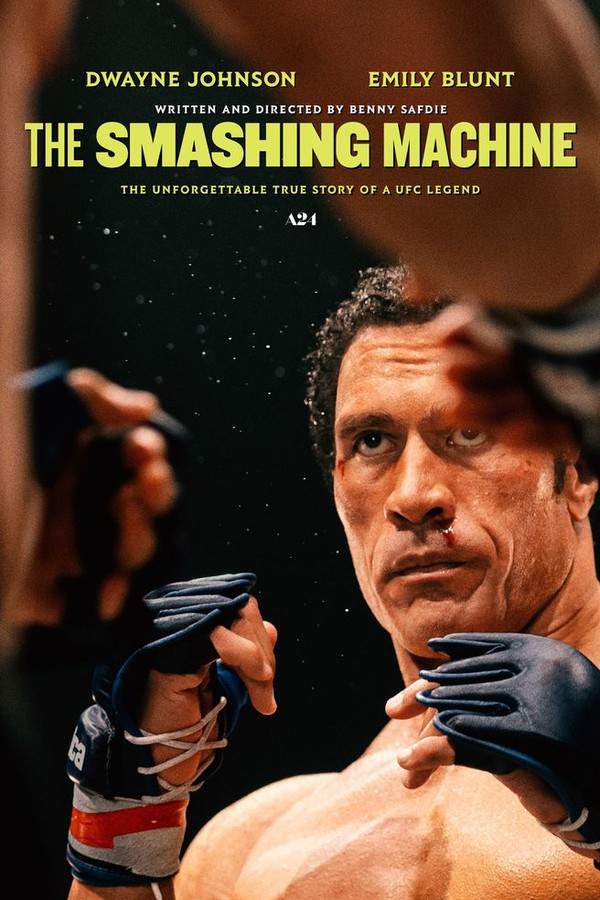
The Smashing Machine (2002) movie poster

Timeline

The Smashing Machine (2002) Timeline Explained – Every Event in Order

Release, runtime and language
2002 · 93 mins · English
Directed by
John Hyams
Starring
Mark Coleman, Bas Rutten, Royce Gracie, Ken Kilpatrick, Dawn Staples, Mark Kerr

An unflinching portrait of Mark Kerr’s rise and fall from 1999‑2001, when Olympic wrestler Mark Kerr dominated MMA as “The Smashing Machine.” The film follows his early victories, mounting injuries and a painful addiction, showing raw footage of him begging for drugs and injecting painkillers, and ends with his defeat by Kazushi Fujita in Japan.

On this page (5)
  1. 1 Events in order (15)
  2. 2 Timeline questions answered
  3. 3 Movie threads
  4. 4 Movies like The Smashing Machine
  5. 5 Every angle

15 events in order · contains spoilers

The Smashing Machine Timeline: Events in Chronological Order

Every key event of The Smashing Machine (2002) in order, scene by scene, with when and where it takes place. Use it to untangle flashbacks, time jumps and parallel storylines, to refresh your memory before the sequel or to find the exact scene you are thinking of.

  1. Opening interview introduces Kerr's UFC success

    The film opens with an interview where Kerr discusses his rise in the Ultimate Fighting Championship and the fame that followed. He reflects on the high of victory and the mounting pressure to perform. The interviewer sets up a portrait of a fighter wrestling with glory and its costs.

    When
    Beginning
    Where
    Interview set
  2. 1999 home life with Dawn shows tension

    Back in 1999, Kerr is at home with his girlfriend Dawn, and their relationship is strained. He lightly scolds her for messing up a bulking shake, then apologizes as the couple tries to hide the friction beneath the surface. He heads into fight prep with Coach Coleman looming as his mentor, while money matters begin to weigh on him.

    When
    1999
    Where
    Home
  3. Training and pay talks collide with drug use

    Kerr trains under coach Mark Coleman, but his days are shadowed by drug use that spirals between sessions. He also navigates pay negotiations with Japanese officials, hinting at stress beyond the gym. The combination of sport, fame, and money creates a volatile mix that affects his focus.

    When
    1999
    Where
    Training gym / meetings in Japan
  4. Locker room breakdown after a brutal loss

    In a locker room after a devastating loss, Kerr is visibly under the influence and lashes out at Dawn. The pain of defeat overwhelms him as he sits apart, sobbing quietly. The moment marks a turning point as his personal and professional worlds start to fracture.

    When
    1999
    Where
    Locker room
  5. Overdose marks a turning point at home

    Back home, the strain of his life reaches a breaking point and his relationship with Dawn collapses. He overdoses the next morning, a wake-up call that shakes his world.

    When
    Morning after the fight (1999)
    Where
    Home
  6. Coleman visits and rehab begins

    Coleman visits Kerr and urges him to change, insisting he needs help. Kerr agrees to pursue rehab, recognizing that his career and life depend on it. The decision tests his relationship with Dawn as he starts the process.

    When
    1999
    Where
    Coleman's visit / rehab facility
  7. Rehab strains Dawn; Bas Rutten camp

    The rehab process strains Kerr's relationship with Dawn, who ultimately leaves him. Feeling the need to rebuild, Kerr travels to train with Bas Rutten at his camp. This move marks a shift from personal turmoil to renewed athletic focus.

    When
    Late 1999
    Where
    Rehab center; Bas Rutten’s camp
  8. Peak form and a first post rehab win

    Under Bas Rutten's coaching, Kerr regains peak physical form and discipline. He earns his first post rehab victory, signaling a credible comeback. The win reinforces his commitment to both the sport and his relationship challenges.

    When
    Late 1999
    Where
    Bas Rutten’s camp / fight venue
  9. Kerr reconciles with Dawn but leaves Bas' camp

    Kerr and Dawn briefly reconcile, a moment that delights Bas but complicates Kerr's commitments. Choosing love over routine, Kerr leaves Bas Rutten's camp to be with her. The decision foreshadows further personal turmoil.

    When
    Early 2000
    Where
    Bas Rutten's camp / home
  10. Falling out over Dawn's hedonistic lifestyle

    A later falling out over Dawn's hedonistic habits drives a wedge between them. Kerr ultimately breaks up with Dawn and asks her to leave. The breakup intensifies the emotional strain that will shape future fights.

    When
    2000
    Where
    Home
  11. Dawn's suicide attempt and care

    Distraught by the separation, Dawn makes a suicide attempt. She is placed into care as Kerr watches the consequences of their fractured relationship. The event marks a turning point in both of their lives.

    When
    2000
    Where
    Care facility
  12. In Japan, a distracted Kerr loses a brutal fight

    During a fight in Japan, Kerr is overwhelmed by flashbacks of Dawn and other memories. He fights distracted, and the bout ends in a brutal defeat. The loss underscores how personal turmoil bleeds into professional performance.

    When
    2000
    Where
    Japan arena
  13. Coleman wins the 2000 Pride Grand Prix; Kerr stitched; marriage revealed

    The 2000 Pride Grand Prix culminates with Coleman claiming the title as Kerr receives stitches from the fight. The moment stands as a stark contrast to Kerr's earlier comeback arc. It is revealed that Kerr and Dawn married 11 days after his Pride Grand Prix loss.

    When
    2000
    Where
    Pride Grand Prix, Tokyo
  14. Shower moment and present-day life

    The film cuts to a shower sequence where Kerr smiles and laughs, a rare moment of peace. It then shifts to the present day, showing him shopping at a grocery store and living a life away from the spotlight. The ending frames his retirement and his status as a MMA pioneer.

    When
    Post-2000; retirement 2009
    Where
    Shower scene / present day
  15. Retirement and MMA pioneer legacy

    Kerr retires from competition in 2009, stepping away from the sport he helped to shape. Today he remains largely unknown to casual fans, but is remembered as one of the pioneers who helped define MMA. His life on screen paints a portrait of fame, fall, and lasting influence.

    When
    2009 - present
    Where
    Present day

Last updated: November 22, 2025 at 16:00

Was this helpful?

Timeline questions answered

The Smashing Machine Timeline Explained: Your Questions Answered

When does it happen, and why in that order? The questions people ask about the chronology of The Smashing Machine (2002): time jumps, flashbacks, cause and effect between scenes and the correct order of events, each answered with spoilers.

Q1

Why did Mark Kerr start using drugs during his MMA career?

Kerr's drug use was driven by the mounting pressures of competing at the highest levels of MMA. The film shows him juggling intense training under Mark Coleman, navigating stressful pay negotiations with Japanese officials, and dealing with the emotional fallout of fighting. The combination of competitive pressure, physical pain from injuries, and the lifestyle demands of being a top fighter created a volatile mix that led him to use painkillers and other substances to cope.

Foreshadowing: Earlier scenes show Kerr discussing the mounting pressures he faces as he heads toward his next bout, hinting at the internal struggle that would later manifest in substance use.

  • mark kerr
  • drug use
  • addiction
  • painkillers
  • pressure
  • mma fighter
Q2

What triggered Dawn Staples' suicide attempt?

Dawn's suicide attempt occurred after Kerr ended their relationship. Following a period of reconciliation, Kerr broke up with Dawn and asked her to leave because of her hedonistic lifestyle, which had created ongoing friction between them. The severity of the breakup pushed Dawn to desperation, resulting in her suicide attempt and subsequent placement in care.

Foreshadowing: The film earlier shows tension between Kerr and Dawn over her lifestyle choices, foreshadowing the eventual breakup and its devastating consequences.

  • dawn staples
  • suicide attempt
  • breakup
  • relationship
  • kerr
Q3

Why did Mark Kerr lose his fight in Japan?

Kerr lost his fight in Japan because he was mentally distracted and overwhelmed by personal turmoil. During the bout, he was haunted by flashbacks of Dawn and memories of their fractured relationship. This emotional distraction prevented him from focusing on his opponent, leading to a brutal defeat that underscored how his private struggles directly impacted his professional performance.

Foreshadowing: The film establishes that Dawn's suicide attempt and the emotional fallout had severely affected Kerr's stability, foreshadowing his compromised state during the Japan fight.

  • mark kerr
  • japan fight
  • loss
  • distracted
  • pride grand prix
Q4

Why did Mark Kerr leave Bas Rutten's training camp?

Kerr left Bas Rutten's camp to be with Dawn after they reconciled. Despite achieving peak form under Bas's coaching and earning a post-rehab victory, Kerr chose love over continuing his routine training. This decision foreshadowed further personal turmoil, as his relationship with Dawn remained unstable and ultimately contributed to his later struggles.

Foreshadowing: Bas Rutten expresses concern about Kerr reconciling with Dawn, hinting that this choice would complicate his athletic focus and personal stability.

  • mark kerr
  • bas rutten
  • training camp
  • dawn
  • reconciliation
Q5

Why did Mark and Dawn get married after the Pride Grand Prix loss?

Mark and Dawn married just 11 days after Kerr's loss at the 2000 Pride Grand Prix, a decision that appears to stem from their turbulent but deep connection. Despite their ongoing struggles with addiction, relationship strain, and Dawn's later suicide attempt, the marriage suggests they sought to solidify their bond during a vulnerable moment. The film presents this as a telling revelation about their complex relationship, showing how even amid personal collapse, they clung to each other.

Foreshadowing: Earlier scenes show moments of genuine affection between Mark and Dawn despite their push-pull dynamic, hinting at the emotional complexity that led to their marriage.

  • mark kerr
  • dawn staples
  • marriage
  • pride grand prix
  • defeat
Q6

What caused Mark Kerr's breakdown in the locker room?

Kerr's breakdown in the locker room occurred after a devastating loss while he was visibly under the influence. The combination of defeat, emotional pain, and substance use overwhelmed him, causing him to lash out at Dawn and sob quietly apart from her. This moment marked a turning point where his personal and professional worlds began to fracture, setting the stage for the overdose that would soon follow.

Foreshadowing: The film establishes earlier that Kerr was struggling with drug use that shadowed his progress, building to this emotional eruption.

  • mark kerr
  • locker room
  • breakdown
  • loss
  • sobbing
Q7

Why did Mark Coleman insist Mark Kerr go to rehab?

Mark Coleman visited Kerr and insisted he enter rehab because he recognized that Kerr's drug use was destroying both his personal life and his fighting career. Coleman, who was both Kerr's coach and friend, saw that without a hard reset, Kerr would continue to deteriorate and be unable to compete at the intensity required at the highest levels of MMA. This intervention proved to be a crucial turning point that initiated Kerr's recovery journey.

Foreshadowing: Coleman's role as a watchful mentor throughout the film establishes his investment in Kerr's wellbeing and his willingness to confront the difficult truth.

  • mark coleman
  • mark kerr
  • rehab
  • intervention
  • coach
Q8

What caused Mark and Dawn's relationship to collapse?

Their relationship collapsed due to a combination of factors: Kerr's drug use and emotional instability, Dawn's hedonistic lifestyle choices, and the relentless pressure of Kerr's fighting career. The timeline shows a repeating pattern of reconciliation followed by conflict, Kerr would recover, they would reunite, then tensions over Dawn's behavior would escalate until Kerr asked her to leave. The overdose, the rehab strain, and ultimately the suicide attempt all stems from this fundamental instability.

Foreshadowing: The film opens by showing their relationship as marked by both affection and strain, establishing the tension that would ultimately tear them apart.

  • mark kerr
  • dawn staples
  • relationship
  • drug use
  • breakup
Q9

What happened to Mark Kerr after the overdose?

After overdosing at home, Kerr's life reached a breaking point that forced him to confront his substance abuse. Coleman visited him shortly after and urged a hard reset, leading Kerr to agree to enter rehab. This decision marked a turning point in his career and personal life, though it strained his relationship with Dawn, who eventually left him. The overdose served as the wake-up call that set him on the path to recovery, though the road remained difficult.

Foreshadowing: The overdose occurs right after the locker room breakdown, showing a clear escalation of Kerr's self-destruction.

  • mark kerr
  • overdose
  • rehab
  • recovery
  • coleman
Q10

What is Mark Kerr's legacy in MMA?

Mark Kerr is remembered as one of the earliest pioneers of MMA who helped shape the sport even as his personal life bore the heavy marks of fame, struggle, and resilience. He retired in 2009 and remains largely out of the public eye today, but the film frames him as a foundational figure whose influence outlasted his notoriety. Despite ending his career in defeat and facing significant personal challenges, his contributions to MMA's early development remain part of the sport's annals.

Foreshadowing: The opening interview sets up Kerr as a fighter at the pinnacle of a turbulent era, establishing his importance to the sport's history.

  • mark kerr
  • legacy
  • mma pioneer
  • retirement
  • influence
Q11

Why does Mark Coleman's victory at the 2000 Pride Grand Prix matter?

Mark Coleman's victory at the 2000 Pride Grand Prix represents a stark contrast to Kerr's trajectory during the same period. While Coleman peaked and won the title, Kerr was receiving stitches from his brutal defeat in Japan. The film uses this parallel to highlight how two fighters from the same camp took dramatically different paths, Coleman's success underscored Kerr's decline and made his struggles more poignant.

Foreshadowing: Coleman is established as Kerr's mentor and rival throughout the film, making their divergent outcomes a meaningful narrative contrast.

  • mark coleman
  • pride grand prix
  • victory
  • title
  • contrast
Q12

Why did Mark Kerr need stitches after his Japan fight?

Kerr needed stitches after his Japan fight because he sustained significant physical injuries during his brutal defeat. The film shows him being bandaged and stitched in the aftermath, with the physical trauma mirroring the emotional toll he carried into the bout. This moment visually reinforces the connection between his personal turmoil and the physical price he paid in the ring.

Foreshadowing: The fight is described as brutal and distracted, setting up the expectation of physical damage.

  • mark kerr
  • stitches
  • injuries
  • japan fight
  • physical toll

Movie threads

More Movies Like The Smashing Machine, by Mood & Story

Curated lists built around what makes The Smashing Machine tick: the same mood, the same kind of story or the same emotional payoff. Each list explains why these movies belong together.

Raw and Unflinching Portraits of Descent like in The Smashing Machine

Documentaries and dramas that show the brutal, unfiltered reality of a personal collapse. Movies like The Smashing Machine that show a gritty, unfiltered look into personal collapse. If you appreciated the raw footage and brutal honesty of Mark Kerr's story, you'll find similar documentaries and dramas here focusing on addiction, turmoil, and the harsh reality of a fall from grace.

  • raw
  • unflinching
  • gritty
  • somber
  • tragic
  • agonizing
  • Tone: dark, gritty, somber
  • Pacing: steady, chronological
Why these movies?

The story pattern: Stories in this thread typically follow a linear, straightforward arc of a person's descent, often from a position of success or strength into chaos and despair. The narrative is driven by raw, visceral moments that document the physical and emotional toll of the journey.

Why they belong together: These movies are grouped together because they share a commitment to unvarnished truth-telling. They possess a high intensity, a dark tone, and a heavy emotional weight, creating a cohesive viewing experience for those seeking authentic and challenging stories of human struggle.

Movies about the Agonizing Physical Toll of the Athlete like The Smashing Machine

Stories exploring the brutal physical and mental cost of pushing the human body to its limits. If you were captivated by The Smashing Machine's focus on the physical and mental destruction in combat sports, explore similar movies about athletes. These stories show the brutal cost of competition, from chronic pain and injury to addiction and broken relationships, beyond the typical sports movie narrative.

  • anxious
  • brutal
  • agonizing
  • gritty
  • tragic
  • somber
  • Tone: somber, anxious, tragic
  • Pacing: steady, character-driven
Why these movies?

The story pattern: The narrative pattern follows an athlete's career, juxtaposing moments of triumph with the accumulating damage to their body and mind. The conflict is often internal, pitting ambition against physical limitation, and the story arc is frequently bittersweet, acknowledging greatness while highlighting the severe price paid.

Why they belong together: These films are united by their central focus on the physical and psychological devastation inherent in extreme sports and intense competition. They share a gritty, anxious mood and explore themes of pain, addiction, and the often-tragic relationship between an individual and their physical prowess.

If you liked this

Movies Like The Smashing Machine

Similar movies to The Smashing Machine: the same genre, themes or kind of story. Each one comes with its own plot summary, timeline and ending explained.

Browse all movie summaries

Every angle

The Smashing Machine (2002) Explained: Plot, Timeline & Characters

Everything about The Smashing Machine in one place: what happens in the plot summary, the timeline in chronological order, the characters and meaning and a spoiler-free summary. What's After the Movie adds the cast, box office and post-credit scenes.

Coming soon on iOS and Android

The Plot Explained Movie Summary App

Plot summaries, endings explained and timelines on your phone. Catch up on any movie in minutes, save your favorites and never miss a twist again.

Be the first to know when we launch. Your email stays private, always.

Learn more about the app