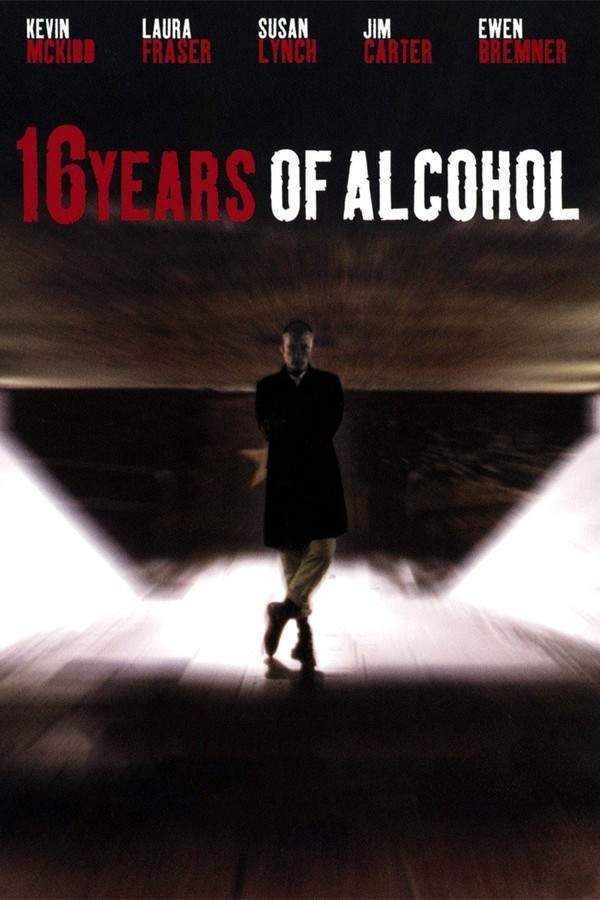
Year: 2005
Runtime: 102 min
Language: English
Director: Richard Jobson
This gritty drama follows a man named Frankie as he confronts a difficult past filled with addiction and violence. Through a series of flashbacks, he explores the events that shaped his life and led him down a destructive path. Now facing an uncertain future, Frankie must confront his demons and examine the cycles of self-destruction he’s been trapped in, hoping to find a way to break free and discover the possibility of true love.
Find where to stream, rent, or buy 16 Years of Alcohol (2005) in the US with current JustWatch availability, up-to-date pricing, and platform listings for subscription, rental, and digital purchase options.
Warning: spoilers below!
Haven’t seen 16 Years of Alcohol yet? This summary contains major spoilers. Bookmark the page, watch the movie, and come back for the full breakdown. If you're ready, scroll on and relive the story!
Read the complete plot breakdown of 16 Years of Alcohol (2005), including all key story events, major twists, and the ending explained in detail. Discover what really happened, and what it all means.
The cinematic narrative unfolds like a fragmented puzzle, beginning with the shocking opening scene where Frankie suffers a brutal assault, which serves as the catalyst that thrusts the audience into a winding flashback. This non-linear tale is divided into three distinct chapters: the troubled childhood of Frankie, characterized by the scars of neglect and abandonment; his tumultuous adolescence, during which he finds comfort in the pulsating rhythms of ska music and leads a band of like-minded misfits; and a transformative period of self-discovery, where Frankie grapples with the complexities of love, hope, and redemption.
As Frankie’s journey progresses, he becomes romantically involved with Helen, a free-spirited artist played by Laura Fraser, who works at a record store. However, the juxtaposition of their personalities ultimately proves too great, leading to a heart-wrenching breakup that hurls Frankie into a cycle of self-destructive behavior. In a desperate bid for solace and healing from his emotional wounds, Frankie turns to a 12-step program and joins a theater troupe, where he encounters Mary, portrayed by Susan Lynch, a kindred spirit battling her own inner demons.
As Frankie’s narrative unfolds, he begins to confront the dark specters of his past, wrestling with the doubts and insecurities instilled by his parents. A pivotal incident in a local pub ignites a chaotic chain of events, culminating in Frankie’s rejection of Mary, driven by baseless fears of infidelity. Overwhelmed by feelings of betrayal and self-loathing, Frankie finds himself on the brink of emotional collapse.
In a moment of profound clarity, he acknowledges the devastating grip of his past and resolves to seek personal redemption. Choosing sobriety over despair, he reaches out to Mary in an effort to mend the rifts caused by his previous transgressions. As the story races toward its climactic conclusion, the audience is left with a haunting question: will Frankie rise from the ashes of his former life unscathed, or will the ghosts of his past prove too formidable to conquer?
Last updated: November 21, 2024 at 09:42
Explore frequently asked questions about 16 Years of Alcohol (2005) with spoiler-rich answers covering the full plot summary, major story beats, character motivations, hidden details, and ending meaning. This movie summary FAQ helps explain confusing scenes, plot twists, and narrative decisions in clear, searchable detail.
The film opens with Frankie suffering a brutal assault, but the narrative is non-linear and fragmented. This shocking opening serves as the catalyst that thrusts the audience into the story's flashbacks, where the reasons behind this violence and Frankie's troubled life are gradually revealed through his journey of confronting his past.
Frankie becomes romantically involved with Helen, a free-spirited artist who works at a record store. However, the juxtaposition of their contrasting personalities ultimately proves too great, leading to a heart-wrenching breakup that sends Frankie into a cycle of self-destructive behavior.
A chaotic incident at a local pub triggers a chain reaction in Frankie's life. Driven by baseless fears of infidelity and deep-seated insecurities instilled by his parents, Frankie irrationally rejects Mary. Overwhelmed by feelings of betrayal and self-loathing, he pushes away the one person who offered him genuine connection and hope.
Frankie's insecurities stem from his troubled childhood marked by neglect and abandonment, which planted seeds of trust issues.
After his breakup with Helen, Frankie spirals into a cycle of self-destructive actions. His grief from the failed relationship manifests in reckless decisions that alienate him from others and exacerbate his emotional wounds, pulling him deeper into the darkness of his past.
In a desperate bid for healing from his emotional wounds, Frankie turns to a 12-step program. This decision marks the beginning of his journey toward recovery and self-discovery, where he meets Mary in the theater troupe, a kindred spirit also battling her own inner demons.
Frankie's difficulties with relationships stem from his troubled childhood marked by neglect and abandonment. These early experiences shaped his personality, Instilling deep insecurities and doubts that manifest as trust issues and fear of betrayal, making it difficult for him to maintain meaningful connections.
The film explores how his childhood scars directly influence his adult relationships and decision-making.
A chaotic incident occurs at a local pub that sparks a chain reaction in Frankie's life. This event represents a turning point where his unresolved insecurities and fears of betrayal culminate in his irrational rejection of Mary, pushing away the possibility of healing just as it within his reach.
In a moment of profound clarity, Frankie recognizes the devastating grip of his past and chooses sobriety over despair. He reaches out to Mary in an effort to mend the rifts caused by his previous transgressions. However, the ending remains ambiguous, the audience is left questioning whether Frankie will rise from the ashes of his former life or succumb to the formidable ghosts of his past.
During his tumultuous adolescence, Frankie finds solace in the pulsating rhythms of ska music. He leads a band with fellow misfits, creating a sense of belonging amidst the chaos of his life. This period represents one of the few stable anchors in his formative years.
As Frankie's narrative unfolds, he begins confronting the dark specters of his past, wrestling with the doubts and insecuritiesinstilled by his parents during his troubled childhood. These deep-rooted feelings of neglect and abandonment directly contribute to his self-destructive patterns and inability to maintain healthy relationships.
The cinematic narrative unfolds like a fragmented puzzle, beginning with the shocking opening scene of Frankie's assault. This non-linear, chaptered structure moves between his troubled childhood, tumultuous adolescence, and transformative adult period, reflecting the psychological nature of memory and trauma as Frankie pieces together the events that shaped his destructive path.
Discover curated groups of movies connected by mood, themes, and story style. Browse collections built around emotion, atmosphere, and narrative focus to easily find films that match what you feel like watching right now.
Raw character studies confronting cycles of self-destruction and the hope for change.If you liked the raw, confrontational style of 16 Years of Alcohol, explore other movies like it that tackle heavy themes of addiction and trauma. These similar gritty dramas feature characters on a painful path toward potential redemption, using fractured narratives to explore self-destructive cycles.
Stories in this thread often use a fractured, non-linear structure to piece together a protagonist's traumatic past. The narrative focuses on the internal and external battles of addiction and violence, building toward a climax where the character confronts their history, leaving their future deliberately ambiguous but touched by the possibility of change.
These films are grouped by their shared commitment to a raw, unflinching tone, high emotional intensity, and a focus on the difficult, often non-linear process of confronting deep-seated trauma. They create a cohesive experience of gritty realism and profound character struggle.
Stories where memory and trauma shape the present through a non-linear lens.Fans of the non-linear storytelling in 16 Years of Alcohol will appreciate these other films that use flashbacks and fragmented narratives. Discover similar movies that piece together a character's troubled past, creating a complex and introspective viewing experience centered on memory and trauma.
The defining narrative pattern is a variable pacing that jumps between timelines. The present often serves as a frame for exploring key moments from the past, with the connections between them slowly clarifying the protagonist's motivations, flaws, and the root of their current struggles.
These movies are united by their distinctive storytelling structure. The variable pacing and non-linear approach are not just stylistic choices but essential to the thematic core of exploring memory, regret, and the enduring impact of past trauma on the present self.
Don't stop at just watching - explore 16 Years of Alcohol in full detail. From the complete plot summary and scene-by-scene timeline to character breakdowns, thematic analysis, and a deep dive into the ending - every page helps you truly understand what 16 Years of Alcohol is all about. Plus, discover what's next after the movie.
Track the full timeline of 16 Years of Alcohol with every major event arranged chronologically. Perfect for decoding non-linear storytelling, flashbacks, or parallel narratives with a clear scene-by-scene breakdown.
Discover the characters, locations, and core themes that shape 16 Years of Alcohol. Get insights into symbolic elements, setting significance, and deeper narrative meaning - ideal for thematic analysis and movie breakdowns.
Discover movies like 16 Years of Alcohol that share similar genres, themes, and storytelling elements. Whether you’re drawn to the atmosphere, character arcs, or plot structure, these curated recommendations will help you explore more films you’ll love.
16 Years of Alcohol (2005) Scene-by-Scene Movie Timeline
16 Years of Alcohol (2005) Movie Characters, Themes & Settings
16 Years of Alcohol (2005) Spoiler-Free Summary & Key Flow
Movies Like 16 Years of Alcohol – Similar Titles You’ll Enjoy
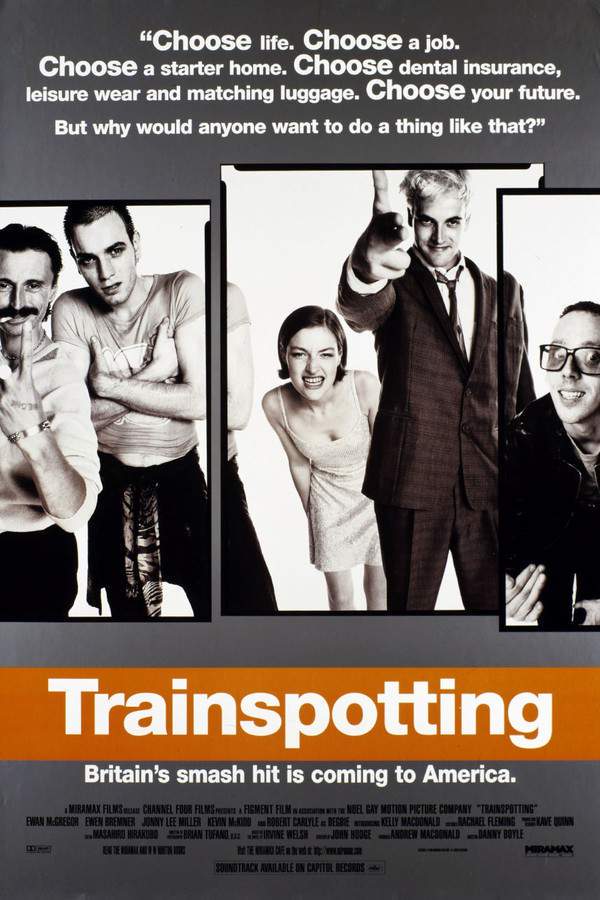
Trainspotting (1996) Detailed Story Recap
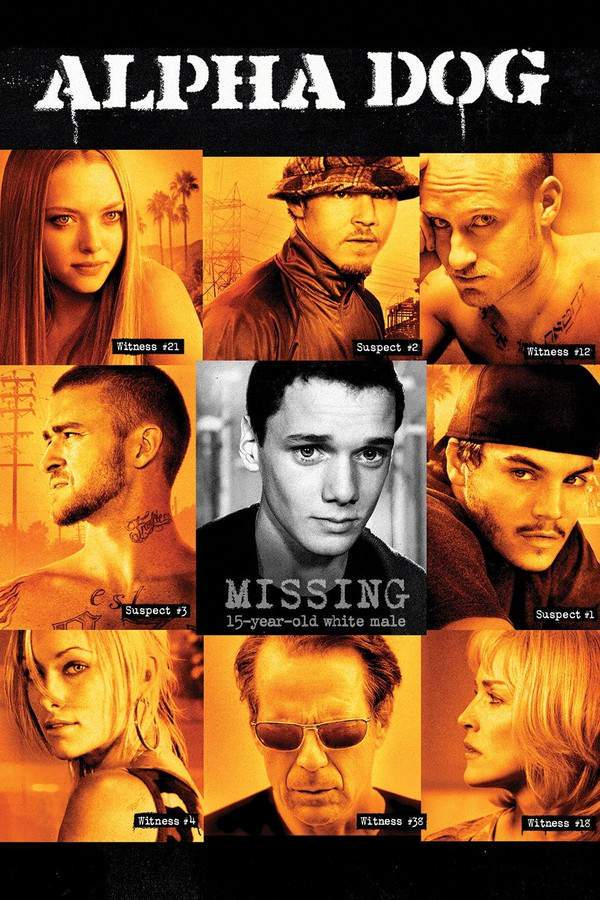
Alpha Dog (2007) Movie Recap & Themes
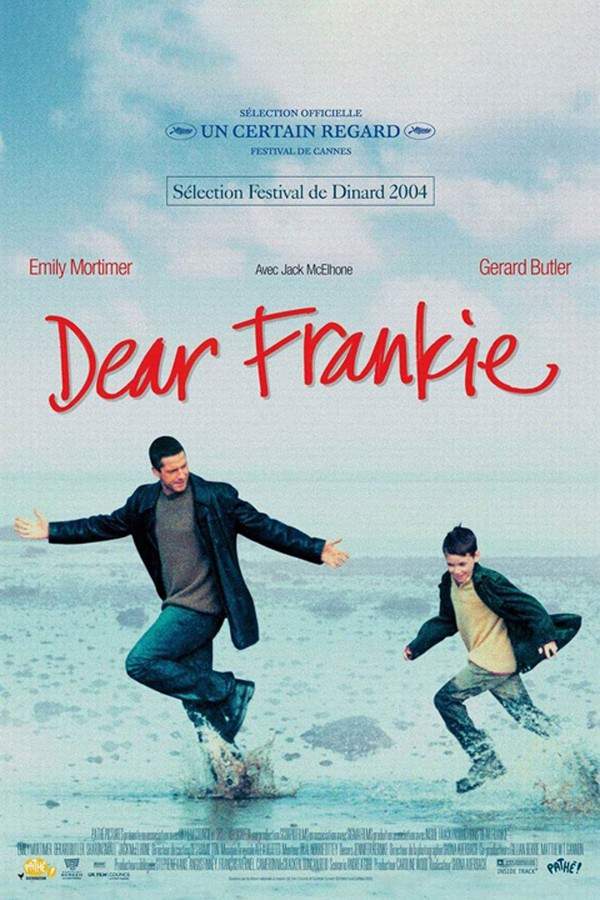
Dear Frankie (2005) Spoiler-Packed Plot Recap
Sweet Sixteen (2003) Full Movie Breakdown
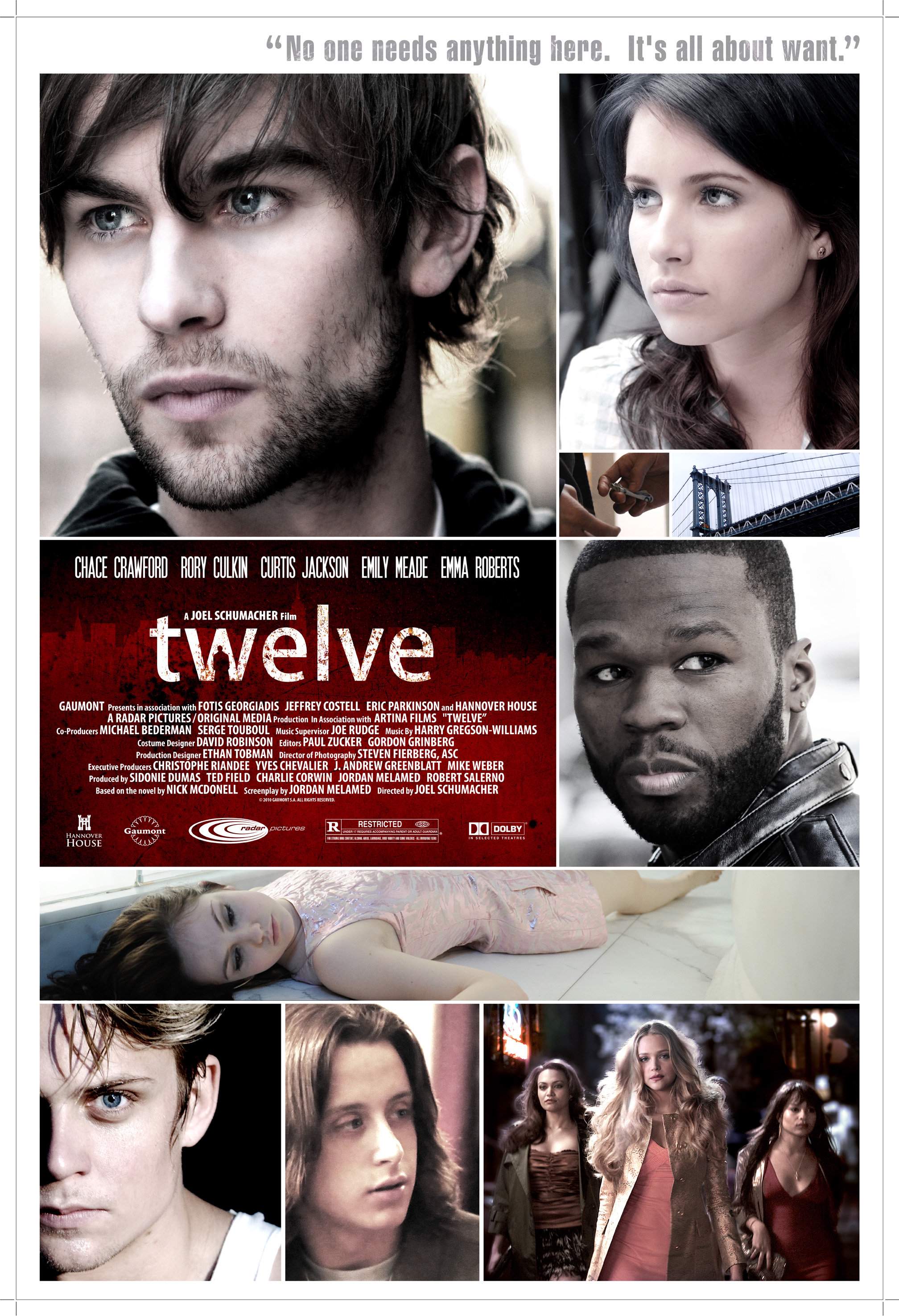
Twelve (2010) Movie Recap & Themes
Over the Edge (1979) Detailed Story Recap
I Went Down (1998) Complete Plot Breakdown
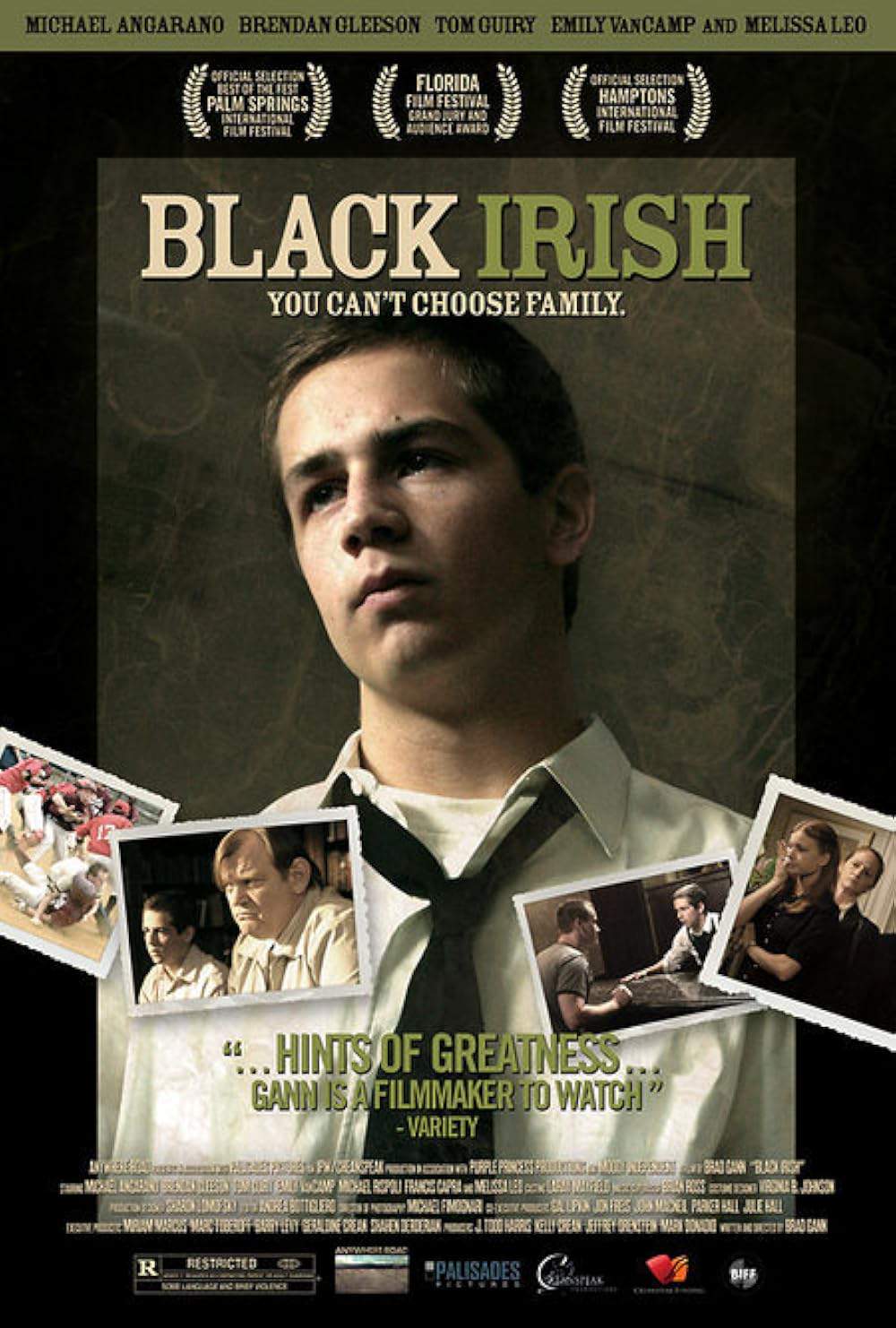
Black Irish (2007) Story Summary & Characters
Clean and Sober (1988) Complete Plot Breakdown
The Flaming Teenage (1956) Spoiler-Packed Plot Recap
TwentyFourSeven (1997) Complete Plot Breakdown
The Drunkard (1950) Spoiler-Packed Plot Recap
My Name Is Joe (1998) Story Summary & Characters
16 to Life (2009) Film Overview & Timeline
Drinking Crude (1997) Spoiler-Packed Plot Recap