













Plot Explained Spoilers guaranteed!
Plot Explained

Browse by genre

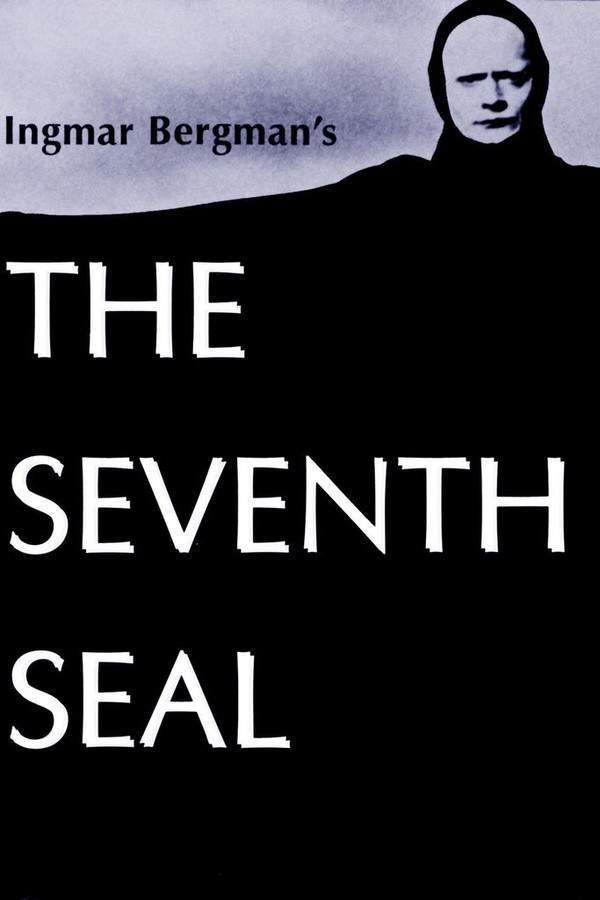
The Seventh Seal (1958) movie poster

Timeline

The Seventh Seal (1958) Timeline Explained – Every Event in Order

Release, runtime and language
1958 · 96 min · Swedish
JustWatch #3,334 24
Directed by
Ingmar Bergman
Starring
Bibi Andersson, Gunnar Björnstrand, Max von Sydow, Bengt Ekerot, Bertil Anderberg, Gunnel Lindblom

In 14th-century Sweden, a knight named Antonius Block returns home from the Crusades to find his country ravaged by the Black Death. Deeply troubled by the suffering and questioning his faith, he seeks answers about the meaning of life and death. He famously challenges Death to a game of chess, hoping to postpone his inevitable fate. Along his journey, Block encounters a traveling group of actors, and their simple joys offer him a brief respite from his existential despair as he searches for redemption.

On this page (5)
  1. 1 Where to watch
  2. 2 Events in order (15)
  3. 3 Timeline questions answered
  4. 4 Movie threads
  5. 5 Every angle

Where to watch

Where to Watch The Seventh Seal (1958)

Where can you watch The Seventh Seal? Stream, rent or buy it in the US, including on HBO Max, Kanopy and Plex: current JustWatch availability with up-to-date prices.

Streaming availability powered by JustWatch

15 events in order · contains spoilers

The Seventh Seal Timeline: Events in Chronological Order

Every key event of The Seventh Seal (1958) in order, scene by scene, with when and where it takes place. Use it to untangle flashbacks, time jumps and parallel storylines, to refresh your memory before the sequel or to find the exact scene you are thinking of.

  1. Return from the Crusades

    Antonius Block and his squire Jöns return to their homeland after a long and disillusioning crusade. They are met with the grim reality of a country ravaged by the plague, signaling the profound changes that lie ahead for them.

  2. Encounter with Death

    Shortly after their arrival, Block meets Death, who has come to claim him. In a bold move, Block challenges Death to a game of chess, believing that as long as the game continues, he can postpone his fate.

  3. Meeting the Traveling Troupe

    As they journey onwards, Block and Jöns come across a traveling troupe of actors, including Jof, Mia, and their infant son, Mikael. This encounter brings a semblance of joy into the otherwise dismal landscape they navigate.

  4. Jof's Vision

    During one morning in the troupe, Jof experiences a divine vision of Mary leading the infant Jesus. He shares this profound revelation with his wife, Mia, who responds with skepticism, highlighting the tension between faith and doubt.

  5. The Church Revelation

    Block visits a church where he observes a painter working on a fresco of the Danse Macabre. In a confessional, he grapples with his past, expressing a deep-seated desire to accomplish one meaningful deed before he dies.

    Where
    Church
  6. The Condemned Woman

    Block encounters a young woman condemned to be burned for witchcraft. In his desperation to understand life after death, he learns that her madness is a consequence of her dire fate, deepening his existential crisis.

  7. Jöns's Heroic Act

    In a deserted village, Jöns bravely intervenes to save a mute servant girl from an assault by Raval, a fallen theologian. This moment of valor ignites a personal vendetta against Raval within Jöns, who vows to take revenge if they cross paths again.

    Where
    Deserted village
  8. Justice at the Inn

    At an inn, tensions rise when Raval provocatively confronts Jof. Jöns steps in, retaliating with violence by slashing Raval's face, marking a pivotal point in their encounter and establishing a personal vendetta.

    Where
    Inn
  9. Picnic of Reflection

    Block and his companions enjoy a lighthearted picnic with strawberries, a moment of joy amidst their struggles. This episode serves as a brief escape, reminding Block of the beauty in life even as death looms closer.

  10. Refuge from the Plague

    Block offers shelter in his castle to Plog and the troupe to shield them from the deadly plague. This act of kindness reflects his evolving understanding of life, death, and the connections shared among people.

    Where
    Block's castle
  11. Skat's Frightening Performance

    While in the woods, actor Jonas Skat attempts a self-pitying suicide but is thwarted as Death cruelly cuts down the tree he attempts to climb. This gruesome moment underscores the inescapability of death that every character wrestles with.

    Where
    Woods
  12. The Execution

    Walking with the group, Block confronts the violent reality of the condemned woman being led to execution. He offers her herbs to ease her suffering, showcasing his struggle to find compassion amid chaos.

  13. Raval's End

    As fate unfolds, the plague-stricken Raval meets loneliness and despair, ultimately leading to his death. Jöns stops the servant girl from aiding him, signifying a decision that highlights the futility of compassion towards the irredeemable.

  14. Chess Match with Death

    In a tense showdown, Block engages in a metaphorical chess match with Death, realizing the futility of his struggle. He defiantly knocks over the pieces, but Death merely resets the game, taunting him with the inevitability of his fate.

  15. Final Farewell

    As the group gathers for one last supper, Death arrives, prompting a poignant farewell. Block experiences a heartfelt reunion with his wife, bringing a sense of closure, while Jof envisions the Dance of Death marks the ending of their journey.

Last updated: November 16, 2024 at 15:46

Was this helpful?

Timeline questions answered

The Seventh Seal Timeline Explained: Your Questions Answered

When does it happen, and why in that order? The questions people ask about the chronology of The Seventh Seal (1958): time jumps, flashbacks, cause and effect between scenes and the correct order of events, each answered with spoilers.

Q1

Why does Antonius Block challenge Death to a game of chess?

Block challenges Death to chess as a desperate attempt to postpone his inevitable fate. Having returned from the Crusades disillusioned and questioning his faith after witnessing so much suffering, Block believes that as long as the game continues, Death cannot claim him. It is both a philosophical gamble and a stalls for time, allowing him the opportunity to accomplish something meaningful before his death.

Foreshadowing: Early in the film, Block's existential despair and questioning of God's plan set the stage for his bold challenge to Death.

  • antonius block
  • death
  • chess game
  • postpone death
  • crusades
Q2

What is the meaningful deed Antonius Block hopes to accomplish?

The meaningful deed Block seeks is an act of genuine kindness or redemption that will give his life purpose before he dies. In the confessional scene, Block reveals his desire to accomplish something of significance after recognizing the futility of his past actions, including his participation in the Crusades. This deed ultimately manifests as his decision to shelter the traveling actors in his castle, protecting them from the plague.

Foreshadowing: The confessional scene in the church where Block reveals his desire to the priest (who is actually Death in disguise) establishes his quest for redemption.

  • meaningful deed
  • redemption
  • antonius block
  • confessional
  • crusades
Q3

Does Block win the chess game against Death?

Block does not win the chess game. The game continues throughout their journey, and in the final confrontation, Block defiantly knocks over the chess pieces in a moment of rebellion against his fate. However, Death simply resets the pieces and declares that their next encounter will signal Block's final hour. The game was always temporary, Death reminds Block that no one escapes him.

Foreshadowing: The chess game begins early in the film and continues as a running motif, with Death always remaining confident of his ultimate victory.

  • chess game
  • death
  • antonius block
  • final hour
  • defeat
Q4

What happens to Jof and his family at the end of the film?

Jof and his family escape the death that claims the others. While Block and his companions are taken by Death during the final Dance of Death, Jof experiences a vision of the knight and his companions being led away over the hillside. He interprets a subsequent storm as the passing of the Angel of Death, suggesting his family has been spared and allowed to continue their journey.

Foreshadowing: Jof's earlier vision of Mary and the infant Jesus foreshadows his special status as someone who receives divine visions and is granted mercy.

  • jof
  • mia
  • escape
  • survival
  • vision
  • dance of death
Q5

Are Jof's visions of Mary real or imagined?

The film presents Jof's visions as genuine mystical experiences rather than mere imagination. Jof sees Mary leading the infant Jesus in a vision that he shares with Mia, who is skeptical. The film treats these visions with importance, and Jof's ability to see what others cannot connects to his survival at the end, his visions seem to provide him with divine protection or foreknowledge of death's presence.

Foreshadowing: Jof's early vision establishes him as spiritually sensitive, foreshadowing both his later vision of the Dance of Death and his ultimate survival.

  • jof
  • vision
  • mary
  • jesus
  • mystical
  • skepticism
Q6

What does the final Dance of Death vision mean?

The final Dance of Death vision, which Jof experiences at dawn after the storm, depicts Block and his companions being led away over the hillside by Death. This visualizes the fates of those who remained with Block, Death has claimed them. However, because Jof and his family fled when Block occupied Death in the chess game, they are not part of this vision, suggesting they have escaped death's reach.

Foreshadowing: The frequent references to the Danse Macabre throughout the film, including the church fresco and the flagellant procession, build toward this final visualization of death's inevitable harvest.

  • dance of death
  • jof
  • vision
  • death
  • hill
  • ending
Q7

Why does Block offer his castle as refuge to the actors?

Block offers his castle as shelter to Plog and the actors as his meaningful deed, the act of redemption he seeks. Recognizing the actors represent joy, hope, and human connection in an otherwise bleak world, Block chooses to protect them from the plague rather than focus solely on his own survival. This selfless act demonstrates his transformation from a disillusioned, questioning knight to someone who finds meaning in protecting life's beauty.

Foreshadowing: Block's enjoyment of the picnic with strawberries and milk, where he promises to remember the moment forever, foreshadows his willingness to fight for these simple joys.

  • castle
  • actors
  • plog
  • refuge
  • plague
  • protection
  • redemption
Q8

What happens to Antonius Block at the end?

At the end, Block is claimed by Death after their chess game concludes. He experiences a reunion with his wife and shares a final supper with his companions before Death arrives. The knight confirms he has accomplished his meaningful deed, saving the actors, and is then led away in the Dance of Death, as Jof's vision shows. His death is inevitable but not meaningless, as he achieved the redemption he sought.

Foreshadowing: Death's earlier statement that their next encounter would signal Block's final hour, combined with Block's defiant knock over of the pieces, foreshadows this final moment.

  • antonius block
  • death
  • dance of death
  • ending
  • reunion
  • wife
Q9

Why does the mute servant girl say "It is finished" at the end?

The mute servant girl's whispered words "It is finished" (in the Swedish original, "Det är fullbordat") represent her first spoken words and carry profound meaning. After witnessing the group's fate and experiencing her own journey from victim to survivor, her statement signifies the completion of their story and the fulfillment of their destinies. Her sudden ability to speak at this pivotal moment adds emotional weight to the conclusion.

Foreshadowing: Her muteness throughout the film and her earlier resistance to Jöns's kiss establish her as a character who has been silenced by trauma, her final speech marks her release and closure.

  • mute servant girl
  • it is finished
  • speech
  • ending
  • det är fullbordat
Q10

Why does Jöns stop the servant girl from giving water to the dying Raval?

Jöns stops the servant girl from helping Raval because he holds a personal vendetta against the former theologian. Raval had previously coaxed Block into joining the Crusades, leading to years of disillusionment, and had attempted to assault the servant girl in the deserted village. Jöns considers Raval beyond redemption, an irredeemable man who brought suffering to others. His decision reflects a pragmatic view that compassion cannot be wasted on those who have caused only harm.

Foreshadowing: Jöns's heroic rescue of the servant girl from Raval and his vow of revenge establish the personal stakes that culminate in this moment.

  • jons
  • ravel
  • servant girl
  • water
  • revenge
  • vendetta
Q11

What is the significance of the Danse Macabre fresco in the church?

The Danse Macabre fresco depicting the dance of death, a medieval artistic tradition showing people of all classes being led to death by skeletons, represents the film's central theme of mortality's indiscriminate nature. Block observes the painter working on this fresco while grappling with his existential crisis. The squire's criticism of the artist for fueling the religious fervor that led to the Crusade connects the artwork to the film's exploration of how art and religion confront or evade death.

Foreshadowing: The fresco foreshadows the final Dance of Death vision that Jof witnesses, creating a thematic bookend throughout the film.

  • danse macabre
  • fresco
  • church
  • death
  • medieval
  • mortality
Q12

Why does Death appear to Block as a priest in the confessional?

Death appears as a priest in the confessional to underscore the film's themes of deception, faith, and the proximity of death to spiritual matters. When Block reveals his deepest desire to accomplish a meaningful deed, he is unknowingly confessing to Death itself. This ironic twist highlights how death lurks closest to our most profound existential moments and how even our attempts at spiritual connection can be manipulate by the inevitable end we face.

Foreshadowing: This scene occurs shortly after Block observes the Danse Macabre fresco, reinforcing death's presence in religious and spiritual contexts throughout the film.

  • death
  • priest
  • confessional
  • deception
  • confession
  • irony
Q13

Who is Block's wife and what happens in their reunion?

Block's wife appears in the final scene for a poignant reunion before death claims him. While not named in the main cast, she represents Block's connection to life and home before his long crusade. Their reunion at the final supper provides Block with emotional closure and peace as he prepares to face his fate. This moment allows the knight to die not alone and afraid, but accompanied by love and reconciliation.

Foreshadowing: Block's return home at the beginning of the film establishes his domestic life that has been disrupted by the Crusades and plague.

  • block wife
  • reunion
  • final supper
  • closure
  • love

Movie threads

More Movies Like The Seventh Seal, by Mood & Story

Curated lists built around what makes The Seventh Seal tick: the same mood, the same kind of story or the same emotional payoff. Each list explains why these movies belong together.

Philosophical Journeys Like The Seventh Seal

Characters confront mortality and search for meaning in a bleak world. A collection of movies like The Seventh Seal that explore deep existential questions. If you appreciated the meditative, somber tone of Bergman's classic, you'll find similar stories here about the search for meaning amidst suffering and mortality.

  • existential
  • somber
  • meditative
  • philosophical
  • haunting
  • reflective
  • Tone: melancholic, philosophical, somber
  • Pacing: slow, deliberate, meditative
Why these movies?

The story pattern: Stories in this thread often follow a character on a physical and spiritual journey, facing a direct confrontation with death or a crisis of faith. The narrative is driven by dialogue and internal conflict rather than action, building towards a revelation or a quiet, often bittersweet, acceptance of life's mysteries.

Why they belong together: These films are grouped by their shared focus on philosophical inquiry, melancholic tone, and heavy emotional weight. They prioritize mood and theme over plot, creating a similarly contemplative and haunting viewing experience for audiences seeking depth and introspection.
Allegorical Stories Like The Seventh Seal's Chess Match

Stories where characters challenge a personified Death or destiny. Discover films similar to The Seventh Seal where the protagonist engages in a literal or figurative battle with Death. These movies share a high-concept, symbolic approach to storytelling, perfect for viewers who liked the iconic chess game and its exploration of fate.

  • allegorical
  • haunting
  • symbolic
  • high-stakes
  • philosophical
  • somber
  • Tone: bleak, haunting, philosophical
  • Pacing: steady, symbolic
Why these movies?

The story pattern: The narrative pattern involves a protagonist, often weary or disillusioned, who enters a direct contest or negotiation with a symbolic figure representing death or destiny. This confrontation serves as the core of the film, structuring the plot around the protagonist's attempts to delay, understand, or find meaning in the face of the inevitable.

Why they belong together: These movies are united by their use of powerful allegory and a shared high-stakes, existential premise. They create a unique blend of fantasy and drama, resulting in a similarly intense, haunting, and thematically rich vibe that explores the boundaries of life and what lies beyond.

Every angle

The Seventh Seal (1958) Explained: Plot, Timeline & Characters

Everything about The Seventh Seal in one place: what happens in the plot summary, the timeline in chronological order, the characters and meaning and a spoiler-free summary. What's After the Movie adds the cast, box office and post-credit scenes.

Coming soon on iOS and Android

The Plot Explained Movie Summary App

Plot summaries, endings explained and timelines on your phone. Catch up on any movie in minutes, save your favorites and never miss a twist again.

Be the first to know when we launch. Your email stays private, always.

Learn more about the app