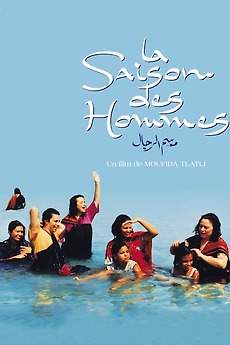
Year: 2001
Runtime: 122 min
Language: French
Director: Moufida Tlatli
Following a period living in the busy city of Tunis, a mother and her daughter return to Djerba, a secluded island community where women hold a unique and powerful matriarchal society. As winter descends, they bring with them hidden truths and lingering emotional wounds, and must navigate the complexities of their return to this insular and traditionally-rooted environment.
Warning: spoilers below!
Haven’t seen The Season of Men yet? This summary contains major spoilers. Bookmark the page, watch the movie, and come back for the full breakdown. If you're ready, scroll on and relive the story!
Explore the full timeline and setting of The Season of Men (2001). Follow every major event in chronological order and see how the environment shapes the story, characters, and dramatic tension.
Last updated: October 22, 2024 at 21:48
Meet the key characters of The Season of Men (2001), with detailed profiles, motivations, and roles in the plot. Understand their emotional journeys and what they reveal about the film’s deeper themes.
Last updated: October 22, 2024 at 21:48
Explore the central themes of The Season of Men (2001), from psychological, social, and emotional dimensions to philosophical messages. Understand what the film is really saying beneath the surface.
Last updated: October 22, 2024 at 21:48
Browse frequently asked questions about The Season of Men (2001) focused on characters, relationships, themes, symbols, setting, and story context. This movie info FAQ gives spoiler-aware explanations for character arcs, world details, and thematic interpretation so readers can better understand what the film is really about.
The story takes place primarily on Djerba, a picturesque Tunisian island known for its beaches and rich cultural heritage. The island represents a traditional, insular community where women hold a unique matriarchal position. The film also references Tunis, the bustling capital city, which contrasts sharply with Djerba's tranquility and represents ambition and yearning.
Djerba functions as a traditionally-rooted, insular community where a matriarchal society operates. Women hold significant power within the family structure, yet the environment remains restrictive for individuals like Aïcha who seek personal identity and purpose beyond societal expectations.
The film explores three core themes: Family, focusing on motherhood and the bond between Aïcha and her children; Loss, examining emotional abandonment and the challenges of raising a child with developmental issues; and Artistry, centered on weaving tapestries as both a creative outlet and means of survival that connects characters to their heritage.
Weaving tapestries serves as both a creative outlet and a means of survival for Aïcha and her son. It symbolizes their shared journey and healing process, demonstrating how artistry can be a form of expression and connection to cultural heritage. The loom becomes a space where mother and son find solace and purpose together.
Aïcha (whose real name is Rabia Ben Abdallah) is a resilient and nurturing young woman who navigates the complexities of motherhood amidst societal pressures. She struggles to maintain her identity in a restrictive environment while raising her children, demonstrating deep love and strength as she faces emotional abandonment and the challenges of caring for her son.
Aziz is Aïcha's son who faces developmental challenges that significantly impact family dynamics. His innocence and frankness reveal a different kind of strength, drawing Aïcha closer to him. Through their shared experiences weaving and working together, Aziz symbolizes the unconditional love and understanding that can exist despite societal expectations and personal struggles.
The film addresses disability through Aziz's developmental challenges, which create significant emotional and practical burdens for the family. Rather than focusing on tragedy, the narrative emphasizes the unconditional love between mother and son, showing how their bond strengthens through shared activities like weaving. The theme underscores Aïcha's resilience in the face of societal and familial pressures.
The film has a melancholic tone punctuated by themes of sorrow, loss, and isolation, though it is not bleak due to the protagonist's underlying resilience. The emotional weight is heavy, centering on a child's disability, spousal rejection, and the oppressive weight of tradition. The slow, contemplative pacing allows the film to explore daily life and the quiet process of weaving rather than relying on high drama.
The mother-daughter relationship is complicated by the daughter's departure, which creates a bittersweet ending. The daughter carries hidden truths and lingering emotional wounds from their time in Tunis, and their return to Djerba forces them to navigate the complexities of their relationship within the traditional island community.
Tunis represents the busy city life that contrasts sharply with Djerba's tranquil, traditional environment. It serves as a symbol of ambition and yearning, Aïcha and her daughter lived there before returning to Djerba, and their time in the capital brings hidden truths and emotional wounds that influence their reintegration into the island community.
Discover curated groups of movies connected by mood, themes, and story style. Browse collections built around emotion, atmosphere, and narrative focus to easily find films that match what you feel like watching right now.
Stories set in unique, woman-centered societies shadowed by sorrow.If you were fascinated by the unique matriarchal society of Djerba in The Season of Men, this thread features films that explore similar woman-centered communities. Discover other movies with melancholic tones that delve into the complexities of tradition, duty, and resilience within insular, matriarchal worlds.
Narratives in this thread often center on characters returning to or living within a defined matriarchal structure. The conflict arises from the clash between personal struggles—such as hidden pasts, emotional wounds, or desires for change—and the unyielding traditions of the community. The journey is typically internal, focusing on quiet defiance and the bittersweet acceptance of one's role.
These films are grouped together for their shared setting of a matriarchal society and a consistently melancholic, reflective tone. They prioritize atmosphere and cultural immersion over fast-paced plots, creating a cohesive viewing experience for those interested in stories about female power, tradition, and isolation.

Quiet, heavy dramas about mothers enduring profound hardship.If you appreciated the profound portrayal of a mother's struggle in The Season of Men, explore this collection of movies with heavy emotional weight. Find similar slow-paced, bittersweet dramas that center on maternal sacrifice, resilience against abandonment, and the quiet burdens of family duty.
The narrative pattern follows a mother protagonist grappling with a sustained, life-altering difficulty. The plot is less about external events and more about the internal, day-to-day perseverance. The emotional journey is central, often involving flashbacks to contextualize the pain and culminating in a resolution that is bittersweet, acknowledging the cost of resilience without diminishing its power.
These films share a core focus on the theme of maternal resilience, presented through a slow, melancholic lens. They possess a heavy emotional weight and a bittersweet sensibility, making them cohesive for viewers seeking deeply moving, character-centered stories about the sacrifices and strength of mothers.
Don't stop at just watching - explore The Season of Men in full detail. From the complete plot summary and scene-by-scene timeline to character breakdowns, thematic analysis, and a deep dive into the ending - every page helps you truly understand what The Season of Men is all about. Plus, discover what's next after the movie.
Read a complete plot summary of The Season of Men, including all key story points, character arcs, and turning points. This in-depth recap is ideal for understanding the narrative structure or reviewing what happened in the movie.
Track the full timeline of The Season of Men with every major event arranged chronologically. Perfect for decoding non-linear storytelling, flashbacks, or parallel narratives with a clear scene-by-scene breakdown.