











Plot Explained Spoilers guaranteed!
Plot Explained

Browse by genre

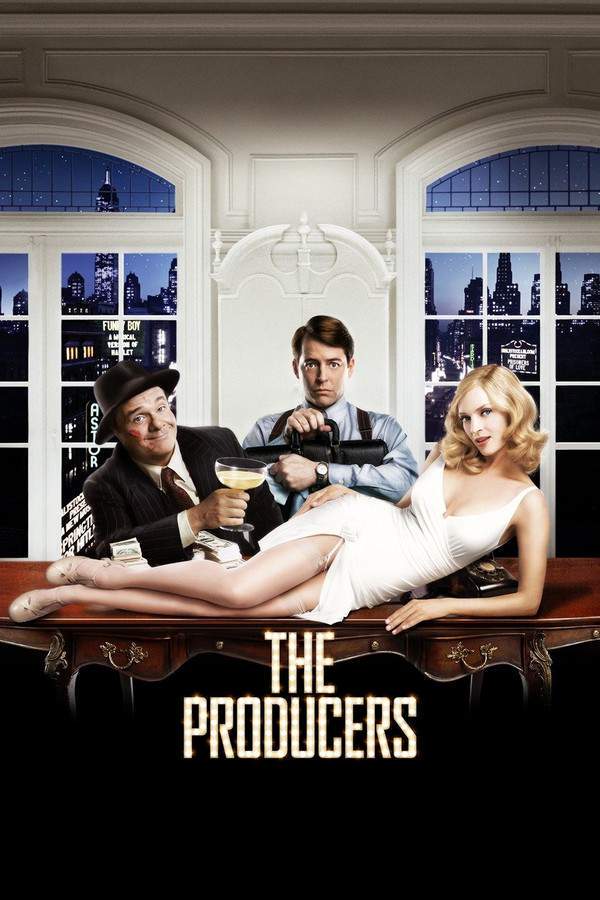
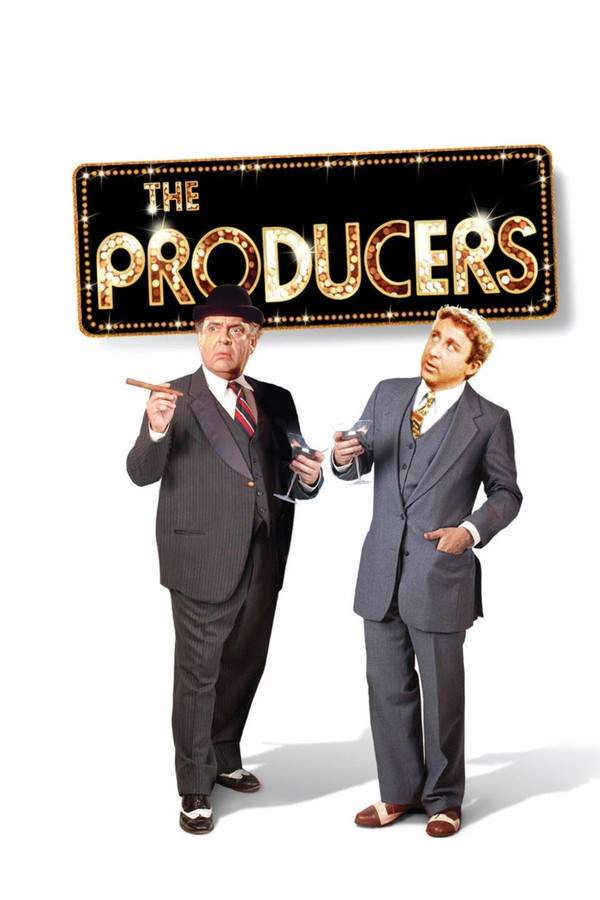
The Producers (1968) movie poster

Timeline

The Producers (1968) Timeline Explained – Every Event in Order

Release, runtime and language
1968 · 88 min · English
JustWatch #3,575 27
Starring
Andréas Voutsinas, Christopher Hewett, Dick Shawn, Estelle Winwood, Gene Wilder, Kenneth Mars

A washed-up Broadway producer, Max Bialystock, attempts to revitalize his career by intentionally creating a terrible show. He enlists the help of a timid accountant, Leo Bloom, and together they devise a plan to stage "Springtime for Hitler," a deliberately awful musical comedy. Their outrageous scheme aims to oversell shares and then let the disastrous production fail, allowing them to profit from the losses of their investors. However, their plan quickly spirals out of control as the show unexpectedly gains popularity.

On this page (6)
  1. 1 Where to watch
  2. 2 Events in order (15)
  3. 3 Timeline questions answered
  4. 4 Movie threads
  5. 5 Movies like The Producers
  6. 6 Every angle

Where to watch

Where to Watch The Producers (1968)

Where can you watch The Producers? Stream, rent or buy it in the US, including on Lionsgate+ Amazon Channels, Kanopy and Plex: current JustWatch availability with up-to-date prices.

Streaming availability powered by JustWatch

15 events in order · contains spoilers

The Producers Timeline: Events in Chronological Order

Every key event of The Producers (1968) in order, scene by scene, with when and where it takes place. Use it to untangle flashbacks, time jumps and parallel storylines, to refresh your memory before the sequel or to find the exact scene you are thinking of.

  1. Max Bialystock's Decline

    Max Bialystock, a once-successful Broadway producer, finds himself in a downward spiral of failure. He struggles to maintain a hand-to-mouth existence while indulging in relationships with wealthy elderly women to fund his next unproduced play.

    Where
    Broadway Office
  2. Meeting Leo Bloom

    Bialystock meets Leo Bloom, a nervous accountant, who arrives to audit the books of his last play. During this encounter, Bloom discovers a significant overcharge in the accounts, and Bialystock persuades him to help hide this small fraud to avoid prison.

    Where
    Bialystock's Office
  3. The Flop Scheme

    Realizing that producing a flop could benefit him financially, Bialystock convinces Bloom that they can profit from a guaranteed failure. They plan to oversell shares of a new play and flee the country with the leftover funds, setting the stage for their dubious venture.

  4. Choosing the Play

    After sifting through numerous terrible plays, Max and Leo settle on 'Springtime for Hitler,' a misguided musical written by an ex-Nazi. They believe its absurd premise will ensure it is a flop, and they charm the playwright into signing over the stage rights.

  5. Hiring a Flamboyant Director

    To further ensure the play's failure, they hire flamboyant director Roger De Bris, known for his productions that close on the very first day of rehearsal. This decision is part of their larger scheme to create a strictly dismal production.

  6. Casting Lorenzo St. DuBois

    The role of Hitler goes to Lorenzo St. DuBois, a carefree hippie who accidentally walks into the audition. His lack of seriousness about the role is deemed ideal by Max and Leo, as they believe he will contribute to the play's failure.

  7. Overselling Shares

    Bialystock embarks on the outrageous move of selling 25,000% of the play to eager investors, particularly targeting his elderly female clientele. With this massive overselling, they begin to envision their escape to Rio De Janeiro.

    Where
    Broadway Office
  8. Opening Night

    The much-anticipated opening night of 'Springtime for Hitler' unfolds. Despite Max's efforts to secure negative reviews, the audience misinterprets the production as a satire, much to the shock of both Max and Leo.

    When
    Opening Night
    Where
    Theater
  9. Audience Reaction

    Instead of the expected backlash, the audience finds the performance laughably entertaining. As members rave about the show, Max and Leo realize their plan is derailing as the production gains unexpected accolades.

    Where
    Theater
  10. Franz's Outrage

    Franz Liebkind, the playwright, becomes enraged by L.S.D.'s interpretation of Hitler. In his fury, he storms onto the stage to confront the audience, but his outburst is interpreted as part of the performance, further endearing the show to viewers.

    Where
    Theater
  11. Hit Show Surprise

    Despite all plans for failure, 'Springtime for Hitler' is declared a smash hit. This realization shocks Max and Leo, as it means their investors will expect a financial return they cannot fulfill.

    Where
    Theater
  12. Confrontation with Franz

    Max and Leo are confronted by a deeply humiliated Franz, who accuses them of betraying his trust and breaking the 'Siegfried Oath'. In the heat of the moment, the trio reconciles and decides to take drastic measures.

    Where
    Theater
  13. Blowing Up the Theater

    In a final act of desperation, Max, Leo, and Franz band together to blow up the theater to end their disastrous production. The explosion results in their arrest, leading them to face serious charges.

    Where
    Theater
  14. The Trial

    At their trial, despite Leo's emotional testimony about Max's character, they are found 'incredibly guilty'. Their efforts to escape justice unraveled spectacularly, leading to their inevitable conviction.

    Where
    Courtroom
  15. Producing in Prison

    Now imprisoned, Max, Leo, and Franz find a way to continue producing plays. They jokingly call their latest venture 'Prisoners of Love' while Leo continues to engage in over-selling shares to fellow inmates and the prison staff.

    Where
    Prison

Last updated: May 28, 2025 at 19:07

Was this helpful?

Timeline questions answered

The Producers Timeline Explained: Your Questions Answered

When does it happen, and why in that order? The questions people ask about the chronology of The Producers (1968): time jumps, flashbacks, cause and effect between scenes and the correct order of events, each answered with spoilers.

Q1

Why does Max Bialystock decide to produce a guaranteed Broadway flop?

Max is desperate to escape his mounting financial troubles. After discovering a $2,000 overcharge in his last production, he realizes that if a play is guaranteed to flop, the IRS is unlikely to investigate its finances. This gives him an opportunity to oversell shares to investors and profit from the production's failure without anyone checking the books. He plans to oversell shares and flee the country with the leftover funds.

Foreshadowing: Earlier, Max hides from creditors and struggles to pay rent, establishing his desperate financial situation.

  • max bialystock
  • broadway
  • flop scheme
  • investors
  • overselling shares
Q2

Why did Springtime for Hitler become a hit when it was meant to fail?

The audience completely misinterpreted the production as intentional satire. When Lorenzo St. DuBois (L.S.D.) performed Hitler as a carefree hippie dancing with flowers, viewers found it absurdly funny and ironically brilliant rather than offensive. The New York Times critic gave it a positive review after Max tried to bribe him for a negative one. The audience believed the obviously ridiculous content was a sophisticated commentary, making it an unexpected success.

Foreshadowing: The character L.S.D. was chosen specifically because he took the role far too lightly, which backfired completely.

  • springtime for hitler
  • broadway hit
  • audience reaction
  • satire
  • Lorenzo St. DuBois
Q3

How did Leo Bloom get involved in Max's scheme?

Leo arrived as an auditor to review Bialystock's books. While examining the finances, he discovered the $2,000 overcharge from the previous production. Max convinced him to hide this discrepancy by explaining their plan to produce a guaranteed flop, arguing that the IRS wouldn't investigate a failed play. Leo, who has anxiety issues and carries a security blanket, was swayed by Max's persuasion and agreed to help avoid prison time for the small fraud.

Foreshadowing: The audit scene establishes Leo's nervous personality and his vulnerability to Max's manipulation.

  • leo bloom
  • accountant
  • max bialystock
  • scheme
  • fraud
Q4

Why did the audience find Springtime for Hitler funny instead of offensive?

The audience perceived the production as deliberately absurd satire rather than a sincere tribute to Nazi Germany. L.S.D.'s interpretation of Hitler as a flower-child hippie, combined with the ridiculously cheery music and lyrics celebrating Nazi conquests, came across as high camp. The over-the-top nature made viewers believe it was intentional black comedy, so they laughed with the show rather than being horrified by it.

Foreshadowing: L.S.D. was cast specifically because he didn't take the role seriously, which ironically made the performance work.

  • audience
  • satire
  • interpretation
  • Nazi
  • musical
  • comedy
Q5

Why did Max, Leo, and Franz decide to blow up the theater?

After Springtime for Hitler became a hit, Max and Leo faced a critical problem, their investors now expected returns they couldn't pay. Franz Liebkind also confronted them, feeling betrayed and humiliated that his serious work had been turned into a mockery. With no way to escape their financial obligations and facing an impossible situation, the three desperate men decided to blow up the theater as a final attempt to end the production and escape their problems.

Foreshadowing: The sudden success created an unresolvable dilemma: they needed the show to fail to profit, but it was now succeeding.

  • theater
  • explosion
  • prison
  • franz
  • desperate
Q6

What happens to Max and Leo after the trial?

Max and Leo are found criminally guilty at their trial despite Leo's emotional plea about Max's character. They are sentenced to prison. However, the ending is bittersweet, they continue their partnership behind bars, producing plays for fellow inmates. Leo even resumes his scheme of overselling shares, this time to prisoners and the warden. They end with their signature song 'Prisoners of Love,' showing their scheme continues even in prison.

Foreshadowing: Their criminal behavior was always going to catch up with them, but their passion for producing plays persists.

  • prison
  • trial
  • max bialystock
  • leo bloom
  • ending
  • sentence
Q7

Why did Franz Liebkind rush onto the stage during the show?

Franz, the playwright who wrote Springtime for Hitler as a sincere tribute to Hitler, was outraged to see his work mocked. He had signed over the rights believing Max and Leo wanted to create an honest portrayal of his beloved Führer. When he saw L.S.D.'s ridiculous interpretation and the audience laughing, he stormed onto the stage to confront everyone. However, his outburst was interpreted as part of the performance, so the audience loved it even more, thinking it was an intentional comedic bit.

Foreshadowing: Franz was characterized as naive and earnest about his Nazi sympathies, making his inevitable betrayal obvious.

  • franz libkind
  • playwright
  • stage
  • confrontation
  • springtime for hitler
Q8

How did Max plan to profit from overselling Broadway shares?

Max sold an outrageous 25,000% of the play to eager elderly investors, particularly wealthy women he romanced. The scheme worked by producing a guaranteed flop, the play would close on opening night, lose money, and the IRS wouldn't investigate a failed production. Max and Leo would keep the excess money from overselling shares and flee to Rio de Janeiro. The problem was that when the show unexpectedly succeeded, those investors expected returns they couldn't provide.

Foreshadowing: The scheme's success depended entirely on the play failing, which the entire plan was designed to ensure.

  • overselling
  • investors
  • shares
  • broadway
  • scheme
  • fraud
Q9

Why wouldn't the IRS investigate a failed Broadway production?

Max explained that the IRS focuses their auditing resources on successful productions that show profits. A guaranteed flop would appear to lose money, making it uninteresting to tax investigators who look for suspicious profits rather than losses. This gap in oversight was the key to Max and Leo's scheme, they believed they could hide the overcharged $2,000 and oversell shares without anyone checking the finances of a failed play.

Foreshadowing: This logic is first introduced when Leo discovers the $2,000 discrepancy in the accounts.

  • irs
  • audit
  • taxes
  • broadway
  • flop
  • investigation
Q10

Why did Leo continue overselling shares in prison?

Leo couldn't break away from his old habits. Even after being convicted and imprisoned, he continued his signature scheme of overselling shares, this time to fellow inmates and even the prison warden. This shows how ingrained the behavior became and reinforces the darkly comic ending where the characters find ways to continue their criminal hustles even behind bars.

Foreshadowing: Leo was already established as having anxiety-driven compulsive behaviors, like his security blanket.

  • leo bloom
  • warden
  • prison
  • shares
  • inmates
Q11

Why was Lorenzo St. DuBois cast as Hitler?

L.S.D. was chosen deliberately because he was a clueless hippie who accidentally walked into the audition and had no idea what the role actually entailed. Max and Leo believed his lack of seriousness about the role, he treated it like a fun, lighthearted part, would contribute to the play's failure. They wanted someone who would make the production seem even more ridiculous andensure bad reviews. Instead, his clueless performance came across as brilliant satire.

Foreshadowing: The character was introduced as a hapless flower child who barely understood what he'd signed up for.

  • Lorenzo St. DuBois
  • LSD
  • actor
  • casting
  • hitler
Q12

Why did Max Bialystock try to bribe the New York Times critic?

Max attempted to ensure the play would fail by securing a scathing review from the most influential critic in New York. He hoped a terrible review would guarantee the show would close quickly and his scheme would work as planned. However, this backfired when the critic unexpectedly gave the show a positive review, contributing to its unexpected success.

Foreshadowing: Max's desperate measures to control the show's reception demonstrate how thoroughly his plan was spiraling.

  • critic
  • new york times
  • bribe
  • review
  • max bialystock

Movie threads

More Movies Like The Producers, by Mood & Story

Curated lists built around what makes The Producers tick: the same mood, the same kind of story or the same emotional payoff. Each list explains why these movies belong together.

Farces of unintended success like in The Producers

Comedies where a harebrained scheme spirals into ironic, unwanted triumph. If you enjoyed the ironic twist in The Producers, you'll love these movies where disastrous plans become surprise hits. Discover similar comedies about chaotic schemes, financial shenanigans, and stories where frantic characters try to stop their own accidental triumphs.

  • satirical
  • frenetic
  • anxious
  • absurd
  • mischievous
  • ironic
  • Tone: whimsical, satirical
  • Pacing: fast, escalating
Why these movies?

The story pattern: Movies in this thread follow a sharp comedic arc: a convoluted, often dubious plan is set in motion with the expectation of failure, but an ironic twist of fate or public perception turns it into a roaring success. The climax involves the protagonists grappling with the consequences of a victory they never wanted.

Why they belong together: These films share a core narrative irony and a fast-paced, anxious energy. They are united by a whimsical tone that finds humor in failure's inversion, focusing on characters who are victims of their own misguided ingenuity.
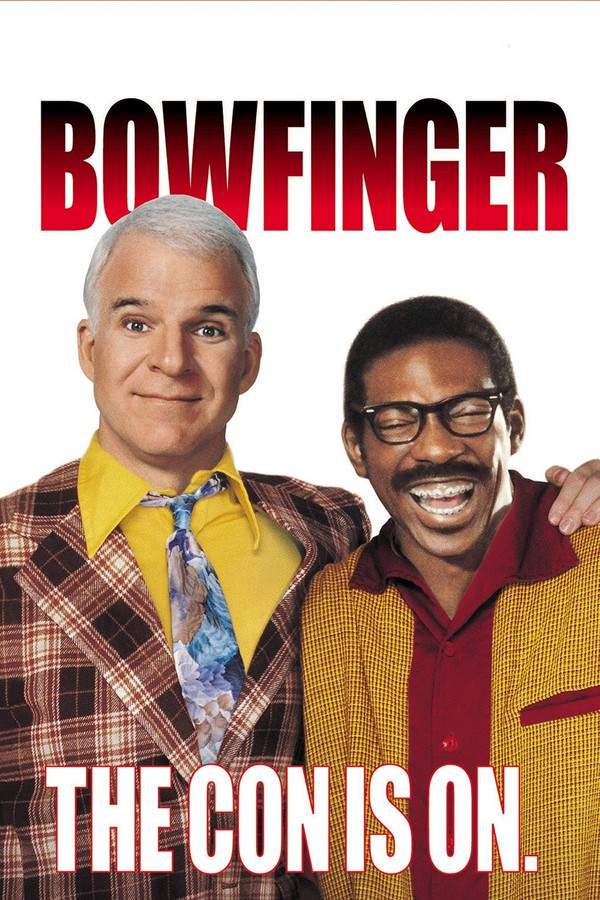
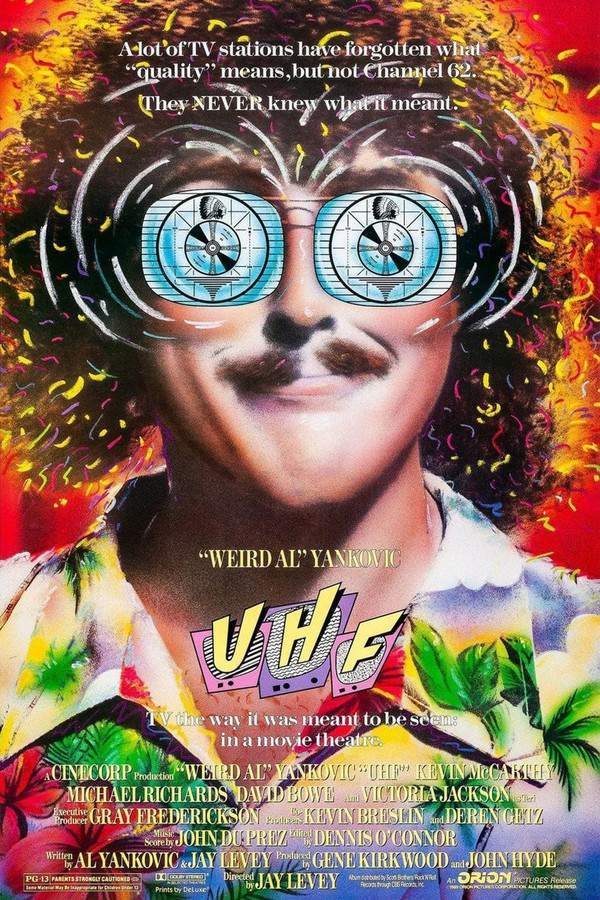
Mismatched partners in crime like in The Producers

Stories of chaotic duos whose contrasting personalities fuel a comedic caper. Love the dynamic between Max and Leo in The Producers? Explore more movies about odd couple partners embarking on comedic capers. Find similar stories of charismatic schemers paired with anxious accomplices, leading to zany and chaotic adventures.

  • zany
  • mischievous
  • lighthearted
  • frenetic
  • odd couple
  • creative partnership
  • Tone: whimsical, lighthearted
  • Pacing: fast, character-driven
Why these movies?

The story pattern: The narrative is built around the chemistry and conflict of the central pair. One partner is often a bold, fast-talking visionary, while the other is cautious, morally conflicted, or terrified. Their journey involves navigating their differences while their initially simple scheme grows increasingly complex and out of control.

Why they belong together: These movies are grouped by their core character dynamic, which generates a specific type of comedic tension and charm. The shared vibe is one of frenetic collaboration, where the partnership itself is the engine of both the plot and the humor.

If you liked this

Movies Like The Producers

Similar movies to The Producers: the same genre, themes or kind of story. Each one comes with its own plot summary, timeline and ending explained.

Browse all movie summaries

Every angle

The Producers (1968) Explained: Plot, Timeline & Characters

Everything about The Producers in one place: what happens in the plot summary, the timeline in chronological order, the characters and meaning and a spoiler-free summary. What's After the Movie adds the cast, box office and post-credit scenes.

Coming soon on iOS and Android

The Plot Explained Movie Summary App

Plot summaries, endings explained and timelines on your phone. Catch up on any movie in minutes, save your favorites and never miss a twist again.

Be the first to know when we launch. Your email stays private, always.

Learn more about the app