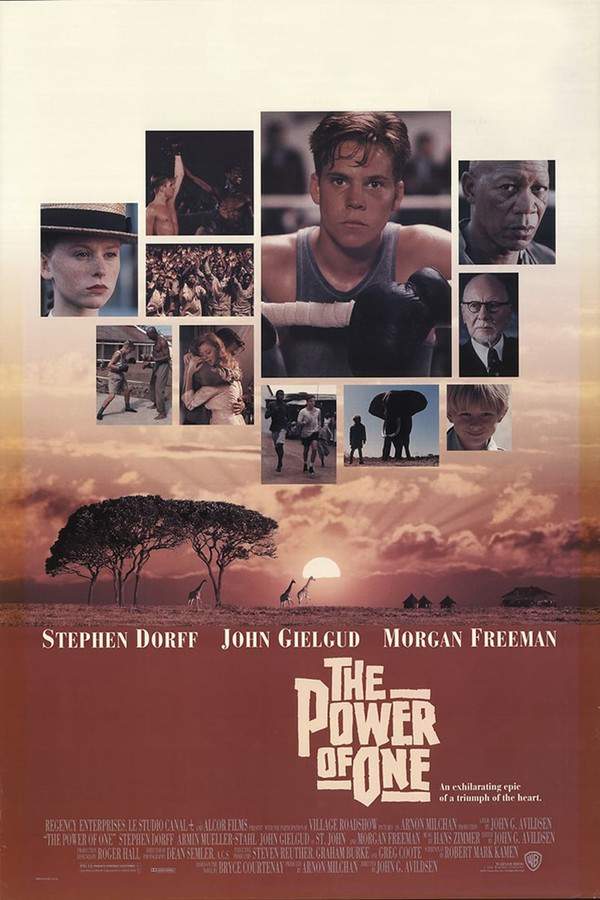
Year: 1992
Runtime: 127 min
Language: English
Director: John G. Avildsen
During the 1930s in South Africa, a boy named P.K. develops an unexpected friendship with Doc, a man unjustly imprisoned. As P.K. matures, he finds release and purpose through boxing, a pursuit that unexpectedly brings him into conflict with the country's apartheid system. He faces personal losses and finds strength in his connection with Doc and his passion for the sport.
Find where to stream, rent, or buy The Power of One (1992) in the US with current JustWatch availability, up-to-date pricing, and platform listings for subscription, rental, and digital purchase options.
Warning: spoilers below!
Haven’t seen The Power of One yet? This summary contains major spoilers. Bookmark the page, watch the movie, and come back for the full breakdown. If you're ready, scroll on and relive the story!
Trace every key event in The Power of One (1992) with our detailed, chronological timeline. Perfect for unpacking nonlinear stories, spotting hidden connections, and understanding how each scene builds toward the film’s climax. Whether you're revisiting or decoding for the first time, this timeline gives you the full picture.
Last updated: November 18, 2024 at 20:18
Find frequently asked questions about the The Power of One (1992) timeline, including chronological order, nonlinear jumps, cause-and-effect links, and scene sequence clarifications. This timeline FAQ helps explain when key events happen, how moments connect, and why the story unfolds in that specific order.
Jaapie Botha killed Mother Courage during a mock Nazi trial as a psychological attack on PK. Botha was the main bully at the boarding school and used this act to express his anti-British sentiments, blaming PK for historical wrongs. The murder was particularly cruel because Mother Courage was PK's only friend and source of comfort during his difficult time at the school, and Botha knew exactly how much harm this would cause.
Earlier in the film, Botha subjects PK to constant bullying and humiliation, establishing his role as PK's primary tormentor.
PK was sent to the Afrikaans boarding school after his mother suffered a nervous breakdown. The rinderpest outbreak destroyed the family's cattle and financial stability, overwhelming her emotionally. While she sought treatment, PK was placed at the school, where he became the only English-speaking student among Afrikaner children, making him a target for harassment.
The rinderpest outbreak is shown early in the film as the event that disrupts PK's peaceful childhood.
After World War II ended, Doc was deported back to Germany as an enemy alien. Despite having escaped Nazi persecution and lost his family in the process, he had been interned during the war. PK was devastated by this loss, as Doc had become his mentor, father figure, and the person who taught him to play piano.
Doc is established as a German who fled the Nazis, making his internment and eventual deportation logically consistent with wartime policies.
Geel Piet was executed by Sgt. Bormann for organizing a concert that challenged the guards' authority. Despite being a prisoner, Piet had begun showing compassion for African prisoners and worked with PK and Doc to smuggle contraband and advocate for better conditions. His defiance against the oppressive system led to his execution.
Earlier scenes show Piet working secretly with Doc to help prisoners and writing letters on their behalf, building toward this tragic consequence.
Maria's father, a National Party official, was furious that his daughter was romantically involved with PK, an English boy who was also working with Gideon Duma to establish an English school for African children, directly defying apartheid laws. In his attempt to destroy their relationship and stop the school, he alerted authorities to PK's activities.
Maria's relationship with PK is established as dangerous from the start, given their different backgrounds and PK's political activities.
After Maria's death during the police raid, PK initially considered fleeing to Oxford to escape the violence and grief. However, Gideon Duma reminded him of everything they had built together, the school and the movement against apartheid. This convinced PK to remain and continue fighting for justice in Africa, honoring the memory of those he lost.
PK's involvement with Gideon Duma and the school for African children demonstrates his growing commitment to the anti-apartheid cause throughout the film.
During the violent confrontation in Alexandra, Jaapie Botha led a brutal onslaught that killed numerous villagers. When Botha tried to kill Elias Mlungisi and PK stood resolute against him, Botha pulled a gun. However, Gideon Duma intervened with a cricket bat and killed Botha, ending his reign of terror.
Botha's violence escalates throughout the film, from bullying at school to leading the brutal raid, making his最终 downfall inevitable.
Maria was killed during a police raid at the English school in Alexandra. Her father had contacted the police hoping to shut down the school and end her relationship with PK. During the violent crackdown, Maria was shot and killed, leaving PK devastated and the community shattered.
The tension between Maria's father and PK's activities was established earlier, with the father explicitly threatening to use his connections.
Boxing became PK's source of release, purpose, and connection to the anti-apartheid movement. Geel Piet taught him the mantra 'first with the head, then with the heart,' and through boxing, PK met Gideon Duma and found a way to resist oppression physically and spiritually. It was also through boxing that he met Maria at Prince of Wales School.
Geel Piet's lessons about combining intellect and heart foreshadow how boxing becomes both a physical and metaphorical tool for PK.
PK met Geel Piet during his visits to the internment camp where Doc was held. Piet was a Cape Coloured inmate and skilled boxer who recognized something special in PK. He became PK's mentor, teaching him valuable life lessons about navigating harsh realities with both intellect and compassion.
PK's visits to Doc in the camp set up the opportunity to meet Piet, with the camp environment establishing the harsh realities PK would learn to navigate.
Discover curated groups of movies connected by mood, themes, and story style. Browse collections built around emotion, atmosphere, and narrative focus to easily find films that match what you feel like watching right now.
Young protagonists finding their voice and strength in the face of systemic injustice.Discover powerful dramas where young protagonists, much like in The Power of One, navigate a journey of self-discovery against a backdrop of systemic injustice. These stories blend personal growth with political awakening, often featuring heavy emotional weight and bittersweet conclusions.
This narrative pattern intertwines a character's formative years with a larger societal conflict. The protagonist's awakening to injustice becomes the catalyst for their personal development, often guided by mentors and tested by profound loss, leading to a strengthened resolve.
These films are grouped by their core focus on the intersection of personal and political maturation. They share a heavy emotional tone, a steady pace that spans significant time, and a consistent theme of resilience forged in the fires of oppression.
Stories where profound grief is balanced by an unyielding, resilient spirit.If you were moved by the heavy emotions and enduring hope in The Power of One, explore these similar dramas. They feature high-intensity stories with dark tones, where characters face immense adversity but find strength and purpose, leading to bittersweet yet inspiring conclusions.
The emotional journey in these films is defined by a push-and-pull between devastating tragedy and a hard-won, resilient optimism. The narrative doesn't shy away from darkness but consistently reaffirms the power of the human spirit to endure and find meaning.
They share a specific and powerful emotional mix: a high-intensity, dark tone paired with a heavy emotional weight, yet all are underpinned by a core of hope that prevents them from being purely bleak. The pacing is often steady, allowing the emotional impact to resonate deeply.
Don't stop at just watching - explore The Power of One in full detail. From the complete plot summary and scene-by-scene timeline to character breakdowns, thematic analysis, and a deep dive into the ending - every page helps you truly understand what The Power of One is all about. Plus, discover what's next after the movie.
Read a complete plot summary of The Power of One, including all key story points, character arcs, and turning points. This in-depth recap is ideal for understanding the narrative structure or reviewing what happened in the movie.
Discover the characters, locations, and core themes that shape The Power of One. Get insights into symbolic elements, setting significance, and deeper narrative meaning - ideal for thematic analysis and movie breakdowns.
Discover movies like The Power of One that share similar genres, themes, and storytelling elements. Whether you’re drawn to the atmosphere, character arcs, or plot structure, these curated recommendations will help you explore more films you’ll love.
The Power of One (1992) Plot Summary & Movie Recap
The Power of One (1992) Scene-by-Scene Movie Timeline
The Power of One (1992) Spoiler-Free Summary & Key Flow
Movies Like The Power of One – Similar Titles You’ll Enjoy
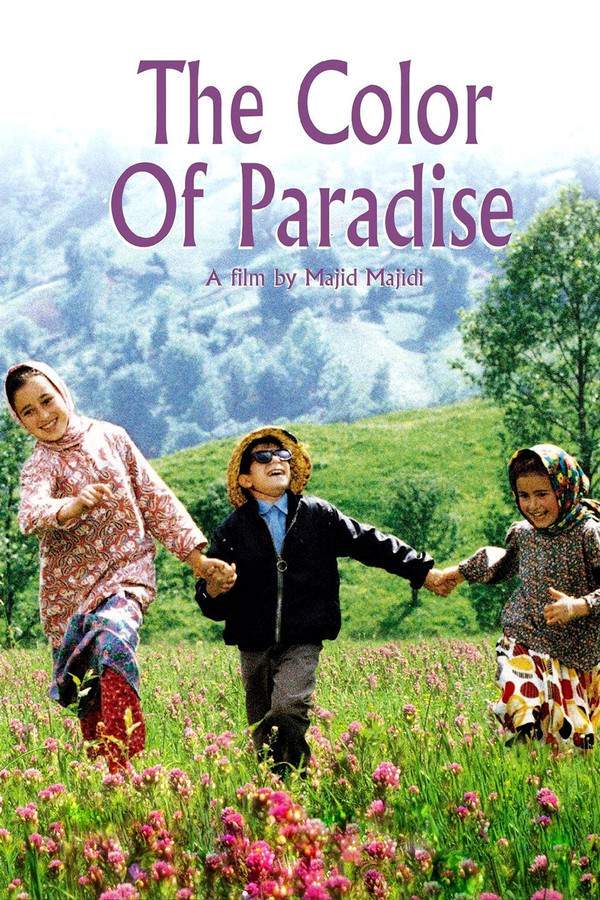
The Color of Paradise (2000) Detailed Story Recap
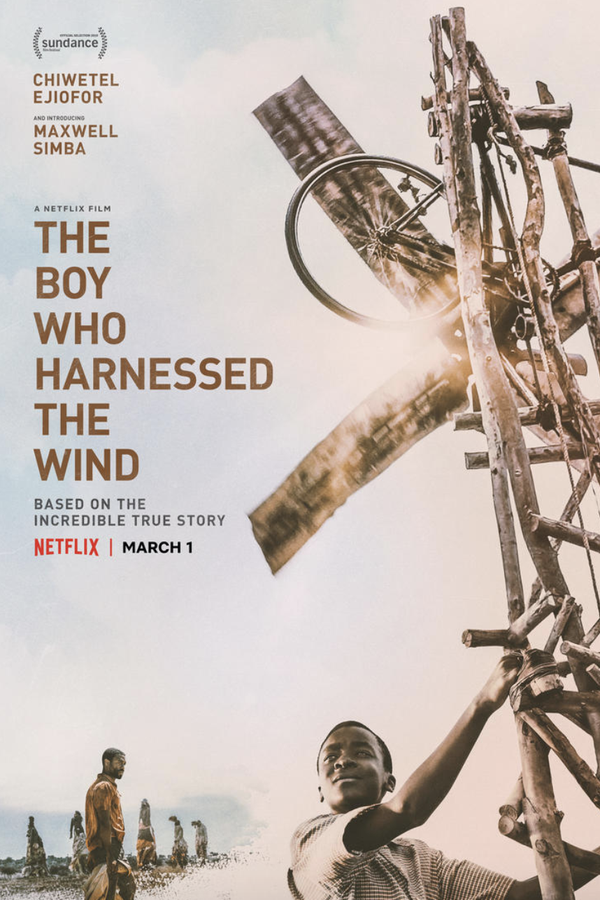
The Boy Who Harnessed the Wind (2019) Full Movie Breakdown
The Boxer (1997) Full Movie Breakdown
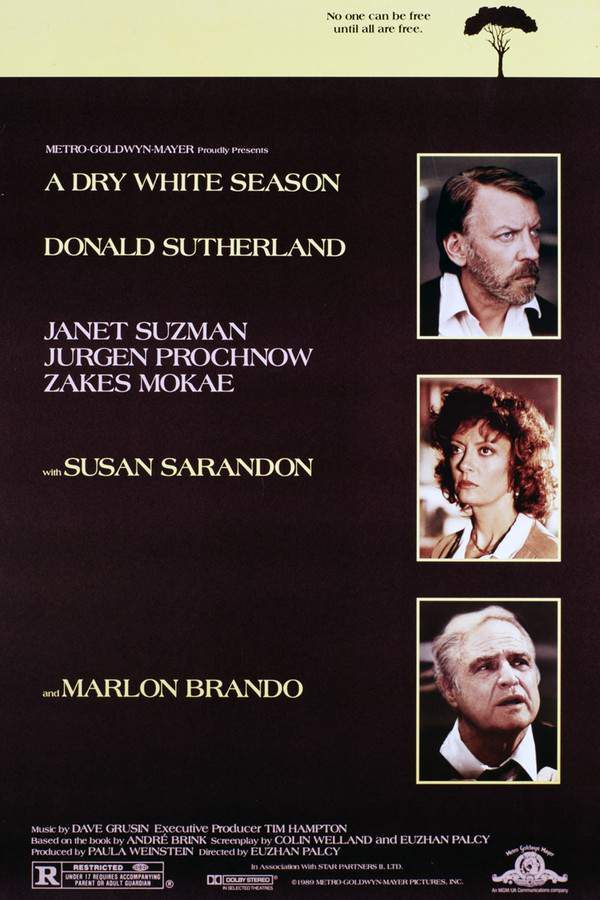
A Dry White Season (1989) Complete Plot Breakdown
Southpaw (2000) Detailed Story Recap
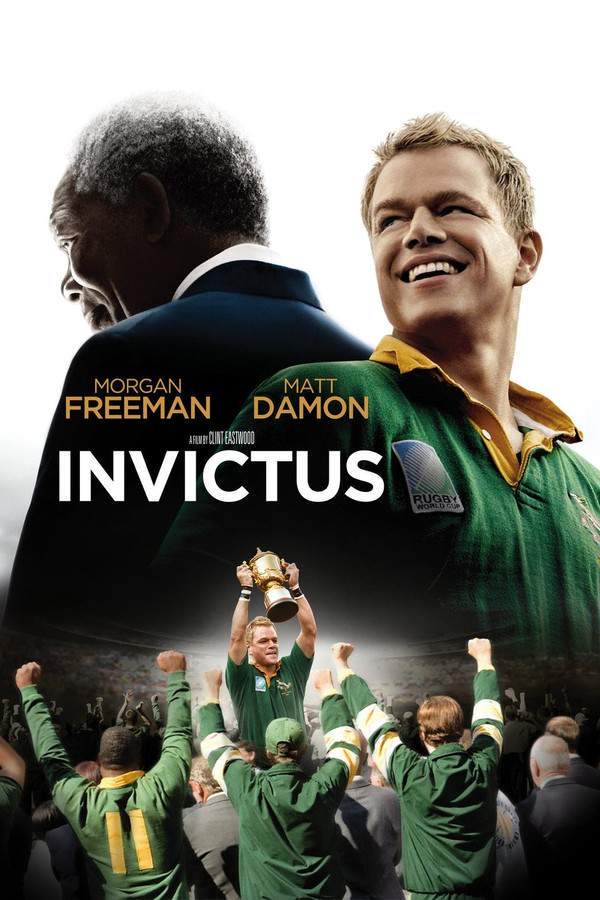
Invictus (2009) Story Summary & Characters
The Dark Horse (2016) Movie Recap & Themes
More Than a Game (2009) Full Summary & Key Details
The Long Run (2001) Plot Summary & Ending Explained
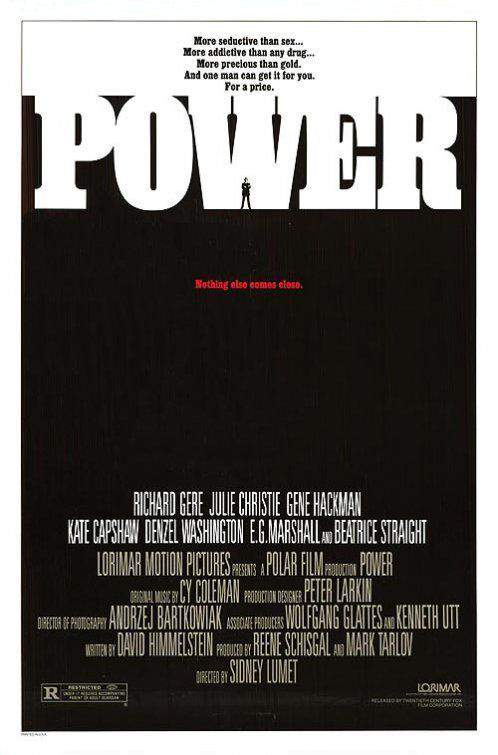
Power (1986) Full Movie Breakdown
One of the Boys (2018) Spoiler-Packed Plot Recap
A World Apart (1988) Story Summary & Characters
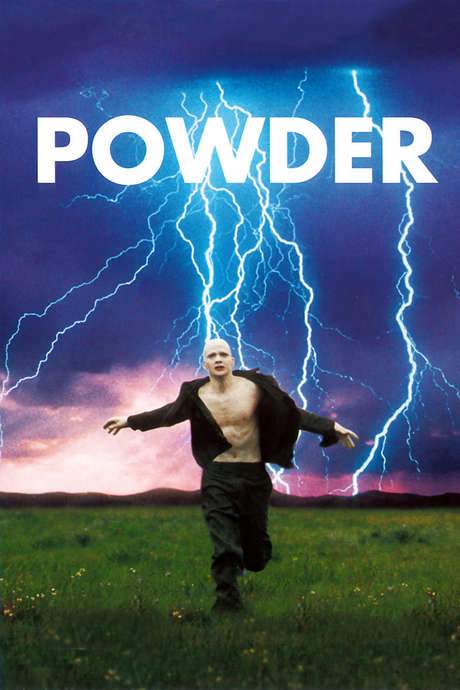
Powder (1995) Film Overview & Timeline
One on One (1977) Movie Recap & Themes
The King of Ping Pong (2008) Full Summary & Key Details