
The Old New Year
Year: 1981
Runtime: 138 mins
Language: Russian
Directors: Naum Ardashnikov, Oleg Efremov
Two families are trying to fix their problems during the celebration of the New Year.
Warning: spoilers below!
Haven’t seen The Old New Year yet? This summary contains major spoilers. Bookmark the page, watch the movie, and come back for the full breakdown. If you're ready, scroll on and relive the story!
Timeline – The Old New Year (1981)
Trace every key event in The Old New Year (1981) with our detailed, chronological timeline. Perfect for unpacking nonlinear stories, spotting hidden connections, and understanding how each scene builds toward the film’s climax. Whether you're revisiting or decoding for the first time, this timeline gives you the full picture.
Last updated: February 18, 2026 at 23:45
The Old New Year (1981) Timeline Questions Answered – Chronology FAQ
Find frequently asked questions about the The Old New Year (1981) timeline, including chronological order, nonlinear jumps, cause-and-effect links, and scene sequence clarifications. This timeline FAQ helps explain when key events happen, how moments connect, and why the story unfolds in that specific order.
Why does Pyotr Poluorlov want to throw away his furniture and TV?
Pyotr Poluorlov feels that his material wealth, his well-equipped apartment, furniture, TV, and even piano, has failed to provide him with any real fulfillment. Despite having achieved financial success and comfort, he experiences a hollow emptiness and recognizes that these possessions represent a life that no longer aligns with his deeper needs. His sudden urge to discard them is an attempt to strip away the symbols of a lifestyle that feels meaningless and discover what truly matters beyond status and accumulation.
Earlier, the film shows Pyotr returning home in a bitter mood, already disconnected from the festive atmosphere around him, hinting at his growing disillusionment.
Why do both Pyotr Poluorlov and Pyotr Sebeykin leave their homes on Old New Year's Eve?
Both men reach a breaking point where they can no longer tolerate the disconnect between the lives they've built and their inner sense of meaning. Pyotr Poluorlov confronts his wife and family about discarding their possessions, while Pyotr Sebeykin experiences his own crisis of purpose after years of working for material welfare. Their quarrels with their families symbolize their rejection of the values they once pursued, security, status, and comfort, that now feel hollow. They leave together, seeking solidarity in their uncertainty and a different kind of clarity.
The tension between their achieved success and inner emptiness builds throughout the evening before both men simultaneously decide to walk away.
What is the significance of the banya scene in the film?
The banya serves as the setting where both men attempt to find honest answers to their existential questions. In Russian culture, the bathhouse is a space for cleansing, not just the body but also of old assumptions and pretensions. After bathing and drinking beer, the men engage in candid conversations about what truly matters in life, questioning whether material success has any lasting value. The intimate, steam-filled environment creates the conditions for genuine dialogue between two people from different social backgrounds.
Their departure from their homes leads directly to the banya, suggesting that leaving their familiar environments was necessary to gain new perspective.
Why is Pyotr Sebeykin also dissatisfied with his life?
Like Poluorlov, Pyotr Sebeykin spent years securing welfare and comfort for his family, only to discover that the security he built doesn't bring real satisfaction. The sacrifices he made and the life he created feel empty despite their outward success. His disillusionment mirrors Poluorlov's, suggesting that the pursuit of material security, whether through labor or intellectual achievement, fails to address deeper human needs for meaning and authenticity.
Sebeykin's sense of lost purpose is introduced alongside Poluorlov's story, showing their parallel crises unfolding simultaneously.
What do the men discuss at the banya?
At the banya, the men discuss what really matters in life and whether their material success has any lasting value. Their conversation shifts from complaint about their current situations to genuine inquiry about how to live properly. They debate the emptiness of prosperity and consider the possibility of a different way of living, one that aligns with their authentic values rather than social expectations. The discussion remains unresolved but opens the possibility of change.
The warm, steamy environment of the bathhouse contrasts with the cold tension of their homes, suggesting a space where honest reflection becomes possible.
Does the film offer a resolution to the men's crisis?
The film deliberately leaves the outcome open-ended. Both men emerge from their night of conversation with more questions than answers, but they gain a clearer sense that their future path cannot simply be dictated by status or comfort. They leave the banya with cautious hope and renewed resolve, yet without a definite solution. The ending emphasizes the ongoing nature of their search for meaning rather than providing a conclusive answer.
The final scene mirrors the film's steady pacing, rather than a dramatic climax, it offers a quiet moment of shared introspection that suggests change is possible but not guaranteed.
What is the film's message about wealth and happiness?
The film suggests that material wealth and social standing do not automatically bring happiness or meaning. Both men have achieved what society considers successful lives, one through intellectual accomplishment, the other through material security, yet both feel profoundly empty. The story implies that true fulfillment requires something beyond possessions: perhaps authentic relationships, personal values, or a different way of engaging with life. However, the film avoids prescribing a specific solution, leaving viewers to consider their own definitions of what makes life worth living.
Pyotr's initial rejection of his possessions establishes the central theme that wealth alone cannot provide genuine satisfaction.
Why does the film follow two parallel storylines?
The parallel structure emphasizes that the crisis of meaning is not limited to one social class or lifestyle. By showing both the working-class Sebeykins and the intelligentsia Poluorlovs experiencing similar dissatisfaction, the film suggests that the problem is systemic rather than individual. Both men reach the same conclusions independently, reinforcing the idea that contemporary society's emphasis on material success fails to address fundamental human needs for purpose and authenticity.
The simultaneous introduction of both families' struggles creates a sense of shared fate that culminates in their joint departure.
What does 'how to live properly' mean in the film?
The phrase 'how to live properly' represents the central question both men grapple with throughout the night. It refers not to moral correctness but to living in a way that feels authentic and meaningful, whether that's through relationships, personal growth, or values that transcend social expectations. The men realize their current paths, which seemed proper by societal standards, have led to emptiness. Their search for an alternative way of living remains unfinished, but the question itself becomes the foundation for potential change.
The title 'The Old New Year' suggests a transition between the old way of living and the need for something new.

Explore Movie Threads
Discover curated groups of movies connected by mood, themes, and story style. Browse collections built around emotion, atmosphere, and narrative focus to easily find films that match what you feel like watching right now.
Melancholic Holiday Introspection like in The Old New Year
Celebratory gatherings spark existential crises and quiet reflection on life's meaning.If you liked the reflective and philosophical tone of The Old New Year, explore movies like it where festive gatherings expose existential dread and characters grapple with meaning during holidays.
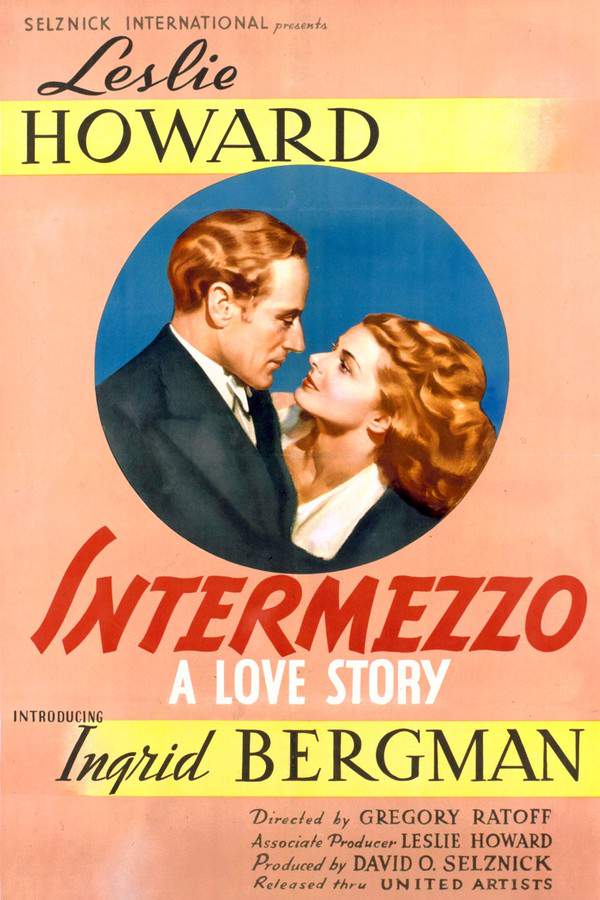
Intermezzo: A Love Story
1939
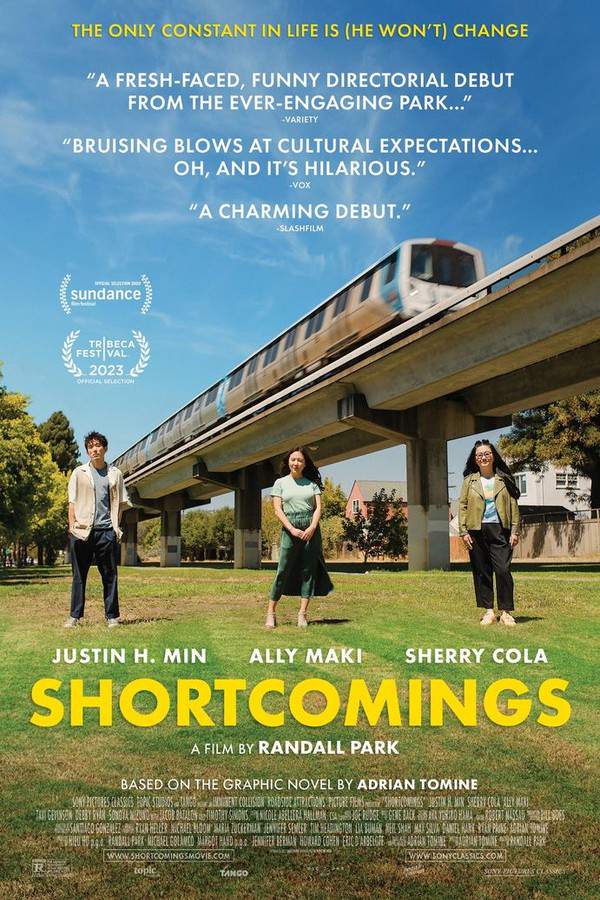
Shortcomings
2023

Woman on the Beach
2008

Lymelife
2009
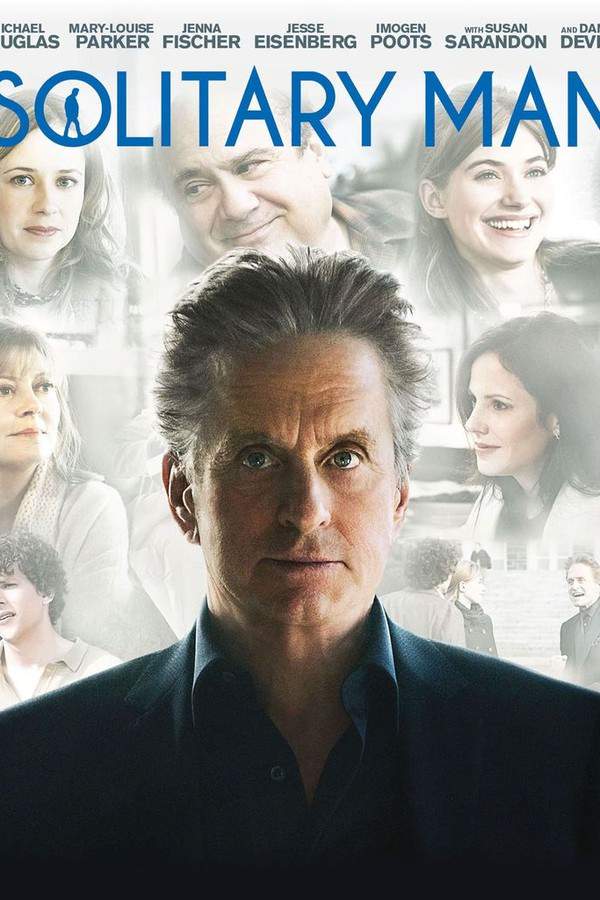
Solitary Man
2010

Sunshine State
2002

Rifkin's Festival
2022
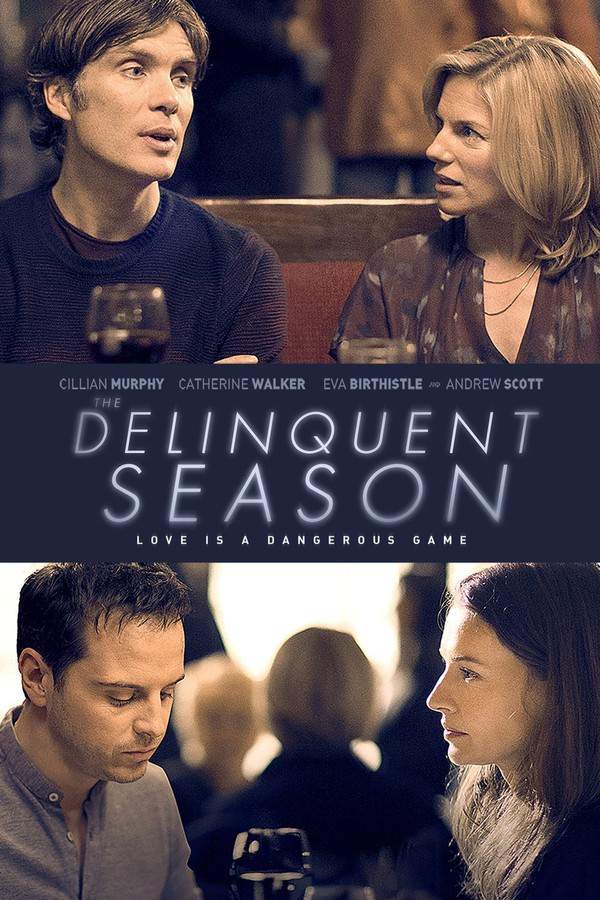
The Delinquent Season
2018

Film Geek
2024

Up There
2012

Trouble with Sex
2005
The Old New Year
1981

Winter Cherries
1985

Phone Call from a Stranger
1952

Interlude
1957
Narrative Summary
Stories in this thread typically unfold over a short, contained period like a holiday celebration. Characters from different walks of life find their outward success or holiday cheer masking a deep disillusionment. The narrative focuses on internal conflicts and conversations about life choices, rather than external plot, often ending on an ambiguous note of contemplation.
Why These Movies?
These films are grouped together because they share a specific melancholic mood where festive settings amplify feelings of isolation and existential questioning. They blend a steady, character-driven pace with a medium emotional weight, creating a relatable and thoughtful viewing experience centered on midlife crises and the search for purpose.
Philosophical Duo Dramas like in The Old New Year
Two characters from different worlds bond over shared disillusionment and philosophical debates.Find movies similar to The Old New Year that explore two characters from different classes bonding over existential dread and philosophical debates about the meaning of life and success.
Shortcomings
2023
Solitary Man
2010
Rifkin's Festival
2022
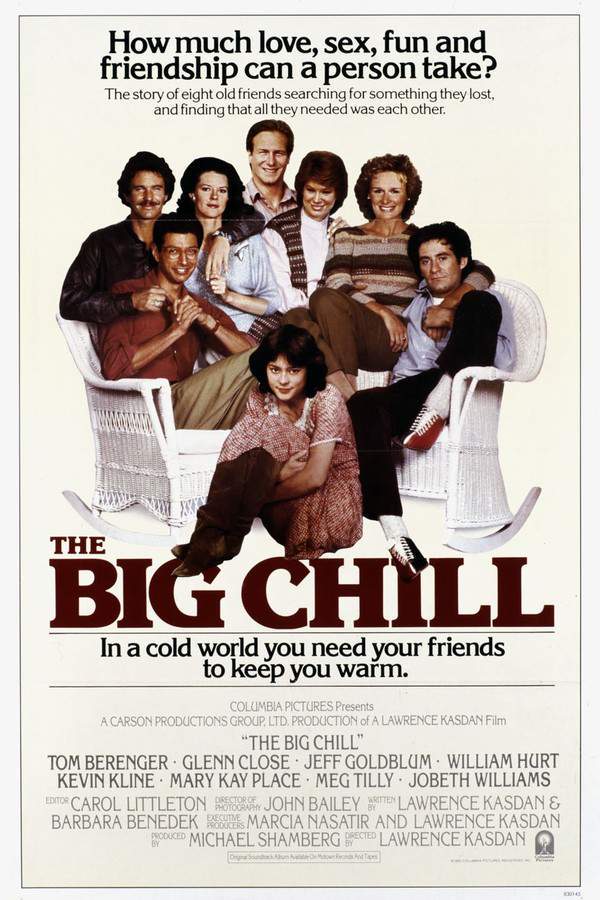
The Big Chill
1983
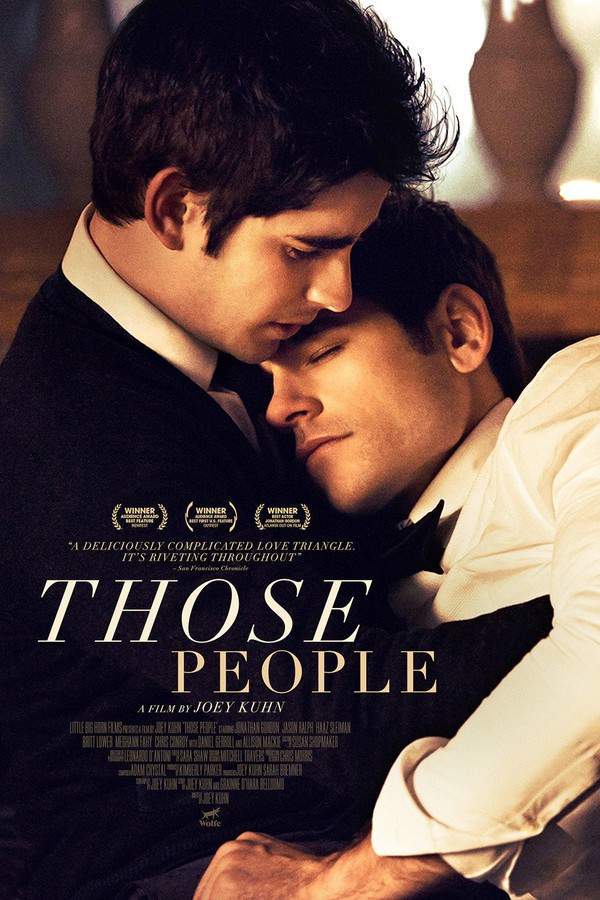
Those People
2016
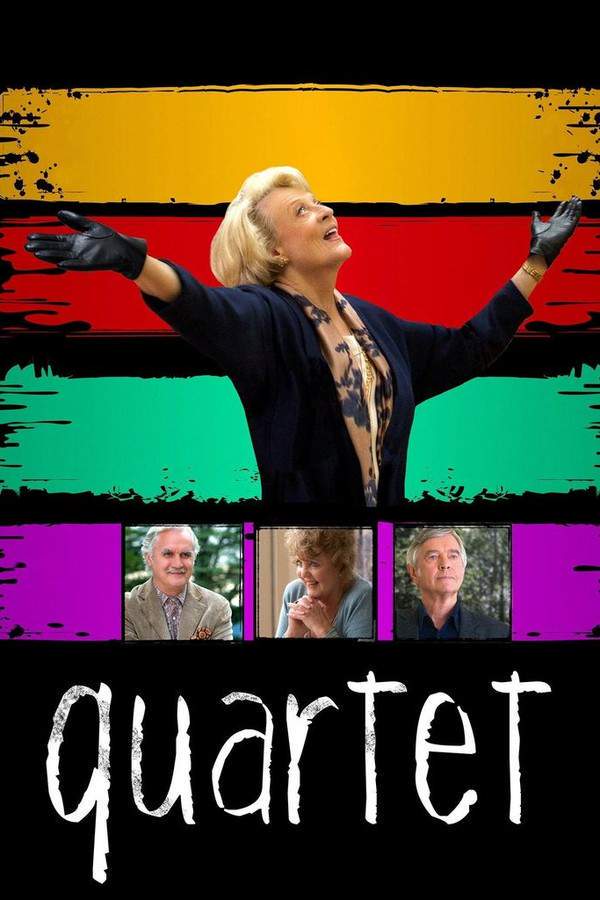
Quartet
1981

The Three Stooges
2000

Sentimental Destinies
2000

Flights in Dreams and in Reality
1982
The Old New Year
1981

Get Out Your Handkerchiefs
1978

The Theme
1979

You Have to Come and See It
2022

Two English Girls
1971

Summer Wishes, Winter Dreams
1973
Narrative Summary
The narrative follows parallel arcs of two protagonists, using their contrasting perspectives to explore a central philosophical theme. Their friendship or alliance develops through intense dialogue as they question their life choices together. The plot is driven by internal conflict and debate rather than action, often culminating in a joint, ambiguous decision to seek a different way of living.
Why These Movies?
These movies are united by their focus on a dual-character study where philosophical exploration is the primary driver. They share a moderate complexity, a melancholic tone, and a steady pacing that allows for deep character development. The emotional weight comes from the relatable crisis of meaning experienced by the duo.
Unlock the Full Story of The Old New Year
Don't stop at just watching - explore The Old New Year in full detail. From the complete plot summary and scene-by-scene timeline to character breakdowns, thematic analysis, and a deep dive into the ending - every page helps you truly understand what The Old New Year is all about. Plus, discover what's next after the movie.
The Old New Year Summary
Read a complete plot summary of The Old New Year, including all key story points, character arcs, and turning points. This in-depth recap is ideal for understanding the narrative structure or reviewing what happened in the movie.

Characters, Settings & Themes in The Old New Year
Discover the characters, locations, and core themes that shape The Old New Year. Get insights into symbolic elements, setting significance, and deeper narrative meaning - ideal for thematic analysis and movie breakdowns.


Similar Movies to The Old New Year
Discover movies like The Old New Year that share similar genres, themes, and storytelling elements. Whether you’re drawn to the atmosphere, character arcs, or plot structure, these curated recommendations will help you explore more films you’ll love.
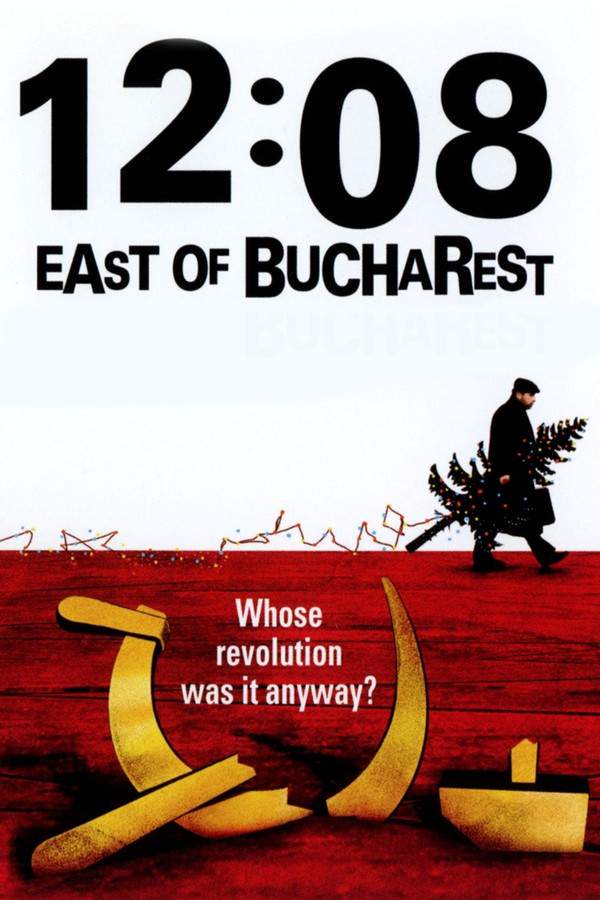
12:08 East of Bucharest
2007

And Now, Goodbye!
2000

The Last Six Degrees of Celebration
2018

Happy New Year
1987

New Year’s Day
1989

The Fountain
1988

Crazy New Year!
2020

Baba Moroz and the Mystery of the New Year
2023

The Irony of Fate, or Enjoy Your Bath!
1975

The Old Crowd
1979

I’ll Be Good, Old Man!
1979

Cosy Dens
1999

New Year’s Chef
2023

Manyunya: New Year’s Adventures
2023

Réveillon
2023
Explore More About Movie The Old New Year
The Old New Year (1981) Plot Summary & Movie Recap
The Old New Year (1981) Scene-by-Scene Movie Timeline
The Old New Year (1981) Spoiler-Free Summary & Key Flow
Movies Like The Old New Year – Similar Titles You’ll Enjoy
12:08 East of Bucharest (2007) Detailed Story Recap
And Now, Goodbye! (2000) Story Summary & Characters
The Last Six Degrees of Celebration (2018) Spoiler-Packed Plot Recap
Happy New Year (1987) Film Overview & Timeline
New Year’s Day (1989) Film Overview & Timeline
The Fountain (1988) Plot Summary & Ending Explained
Crazy New Year! (2020) Movie Recap & Themes
Baba Moroz and the Mystery of the New Year (2023) Complete Plot Breakdown
The Irony of Fate, or Enjoy Your Bath! (1975) Movie Recap & Themes
The Old Crowd (1979) Story Summary & Characters
I’ll Be Good, Old Man! (1979) Ending Explained & Film Insights
Cosy Dens (1999) Film Overview & Timeline
New Year’s Chef (2023) Ending Explained & Film Insights
Manyunya: New Year’s Adventures (2023) Full Movie Breakdown
Réveillon (2023) Story Summary & Characters