
The Old New Year
Year: 1981
Runtime: 138 mins
Language: Russian
Directors: Naum Ardashnikov, Oleg Efremov
Two families are trying to fix their problems during the celebration of the New Year.
Warning: spoilers below!
Haven’t seen The Old New Year yet? This summary contains major spoilers. Bookmark the page, watch the movie, and come back for the full breakdown. If you're ready, scroll on and relive the story!
Timeline & Setting – The Old New Year (1981)
Explore the full timeline and setting of The Old New Year (1981). Follow every major event in chronological order and see how the environment shapes the story, characters, and dramatic tension.
Last updated: February 18, 2026 at 23:22
Main Characters – The Old New Year (1981)
Meet the key characters of The Old New Year (1981), with detailed profiles, motivations, and roles in the plot. Understand their emotional journeys and what they reveal about the film’s deeper themes.
Last updated: February 18, 2026 at 23:22
Major Themes – The Old New Year (1981)
Explore the central themes of The Old New Year (1981), from psychological, social, and emotional dimensions to philosophical messages. Understand what the film is really saying beneath the surface.
Last updated: February 18, 2026 at 23:22
The Old New Year (1981) Character & Theme Questions Answered – Info FAQ
Browse frequently asked questions about The Old New Year (1981) focused on characters, relationships, themes, symbols, setting, and story context. This movie info FAQ gives spoiler-aware explanations for character arcs, world details, and thematic interpretation so readers can better understand what the film is really about.
Where does the story take place?
The film unfolds primarily in two locations: the modest Sebeykin family home, representing working-class domestic life, and a nearby bathhouse where the men gather to decompress. The apartment emphasizes ritual, routine, and the pressure to maintain appearances, while the bathhouse serves as a social space where conversations loosen and tensions surface away from the family sphere.
What is the Old New Year celebration?
The events occur during Old New Year festivities, a traditional Russian celebration that takes place two weeks after the standard New Year (January 14th according to the Julian calendar). This period is rich with cultural traditions in the Soviet urban setting, creating a backdrop of holiday celebration mingled with quiet disillusionment beneath everyday life.
What time period does the movie depict?
The movie is set in the late 20th century Soviet Union, during a period when society balanced material progress with personal dissatisfaction. The era reflects the contradictions of working and intellectual class lives under communism, where outward prosperity often masked inner turmoil and unmet aspirations.
What does the movie say about wealth versus fulfillment?
Wealth and modern apartments symbolize success in the film, but they do not guarantee happiness. The protagonists discover that financial security cannot fill emotional voids or validate their life choices. The narrative contrasts outward status with inner longing, offering an ironic critique of materialism in a changing Soviet society.
What are the main family conflicts in the story?
Two men clash with their families over what truly matters in life, exposing deeper disappointments behind a veneer of prosperity. The film uses rapid dialogue and humorous misunderstandings to reveal tensions between generations and social classes, highlighting how pride, expectations, and miscommunication strain intimate relationships.
What role does the bathhouse play in the movie?
The bathhouse serves as a ritual space where men seek relief from mounting pressures, creating an environment for candid conversation and shared relief. This setting acts as a pause that clarifies what is really valued beyond status. Through moments of levity and solidarity, the characters reassess their paths and priorities, with friendship serving as a balm against discontent.
Who is Pyotr Sebeykin and what does he want?
Pyotr Sebeykin is a lifelong worker who has built a comfortable home for his family but feels unfulfilled by the life he has achieved. His frustrations boil over in quarrels with loved ones, revealing a longing for meaning beyond material success. He seeks a direction that transcends the appearance of prosperity.
Who is Pyotr Poluorlov and what is his conflict?
Pyotr Poluorlov is an educated, intelligent man whose wealth and refined apartment mask deeper disillusionment with life. He clashes with family over what constitutes true happiness and purpose, driving him to question whether status and comfort are enough to justify his existence.
How does the movie portray class differences?
The film explores parallel arcs of two men from different social strata, the intelligentsia represented by Poluorlov and the working class represented by Sebeykin. Through their philosophical debates and domestic struggles, the narrative highlights how class background shapes values, expectations, and definitions of success, while also revealing shared existential concerns across these boundaries.
What is the overall tone of the movie?
The tone is melancholic, stemming from the protagonists' profound dissatisfaction with their achieved lives despite outward success. While the film includes humor and misunderstandings, the primary focus is on existential sadness and philosophical debate. The mood blends holiday celebration with quiet disillusionment, creating a poignant portrait of midlife crisis in Soviet society.

Explore Movie Threads
Discover curated groups of movies connected by mood, themes, and story style. Browse collections built around emotion, atmosphere, and narrative focus to easily find films that match what you feel like watching right now.
Melancholic Holiday Introspection like in The Old New Year
Celebratory gatherings spark existential crises and quiet reflection on life's meaning.If you liked the reflective and philosophical tone of The Old New Year, explore movies like it where festive gatherings expose existential dread and characters grapple with meaning during holidays.
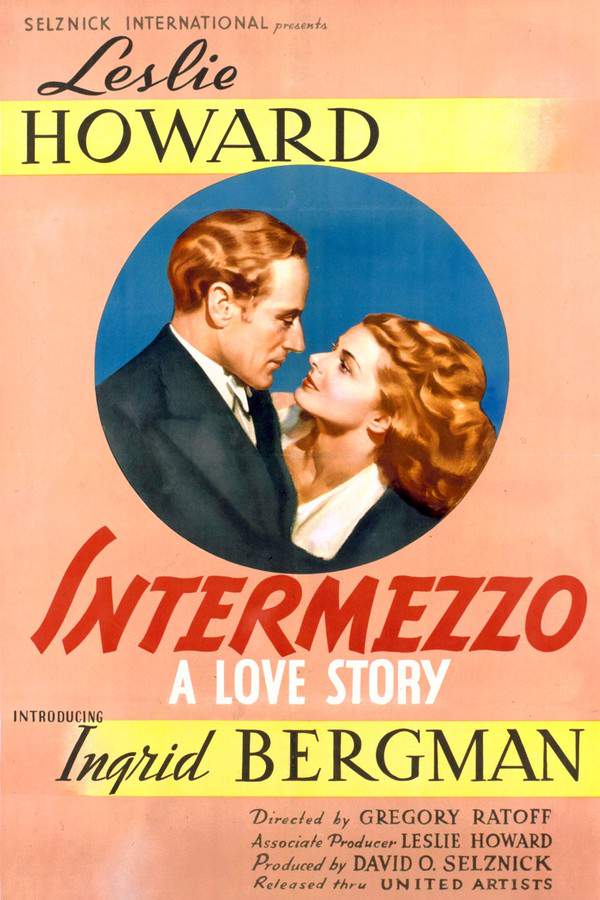
Intermezzo: A Love Story
1939
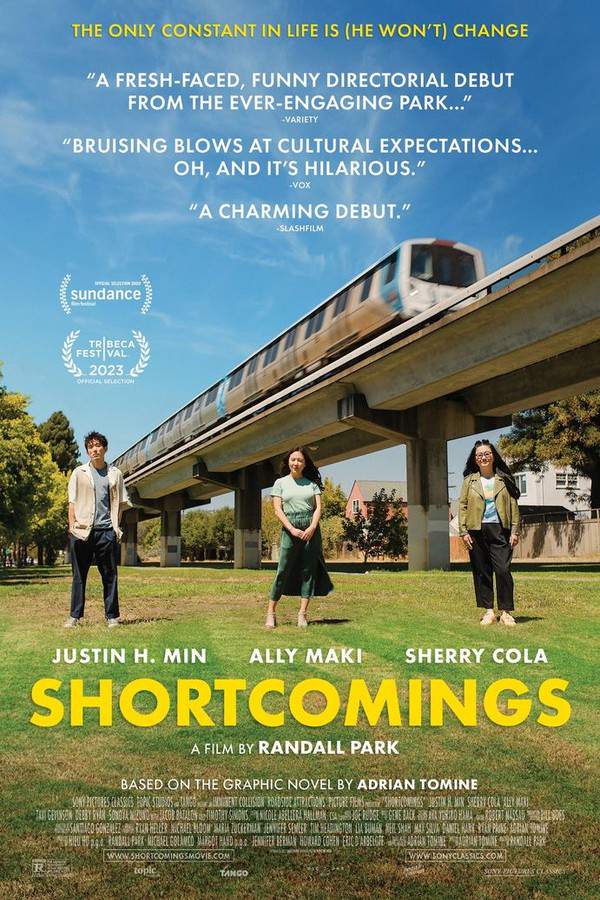
Shortcomings
2023

Woman on the Beach
2008

Lymelife
2009
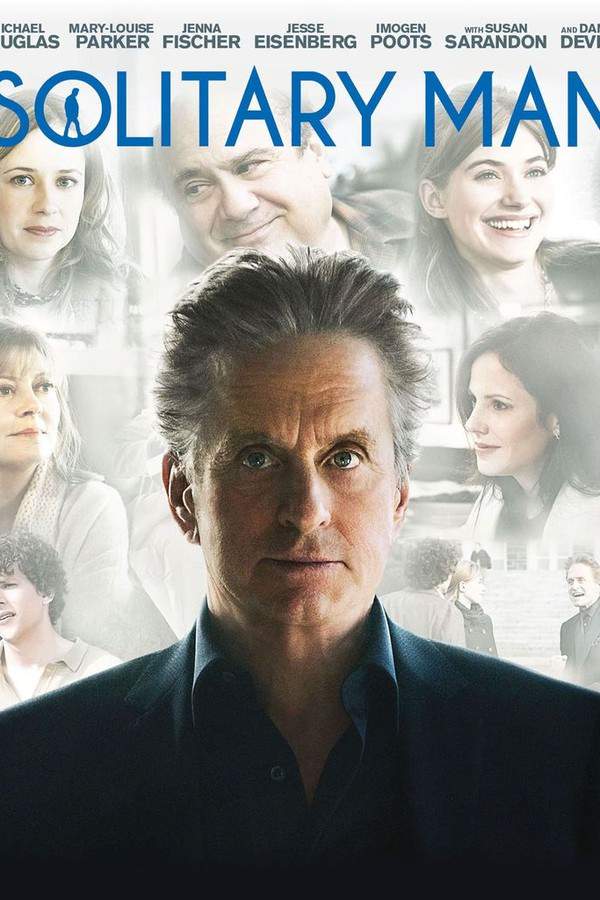
Solitary Man
2010
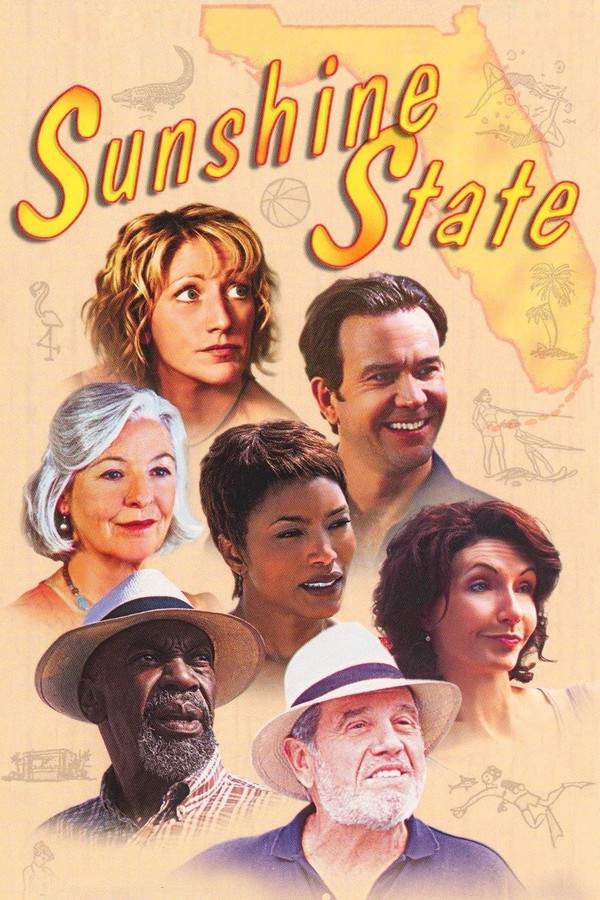
Sunshine State
2002

Rifkin's Festival
2022
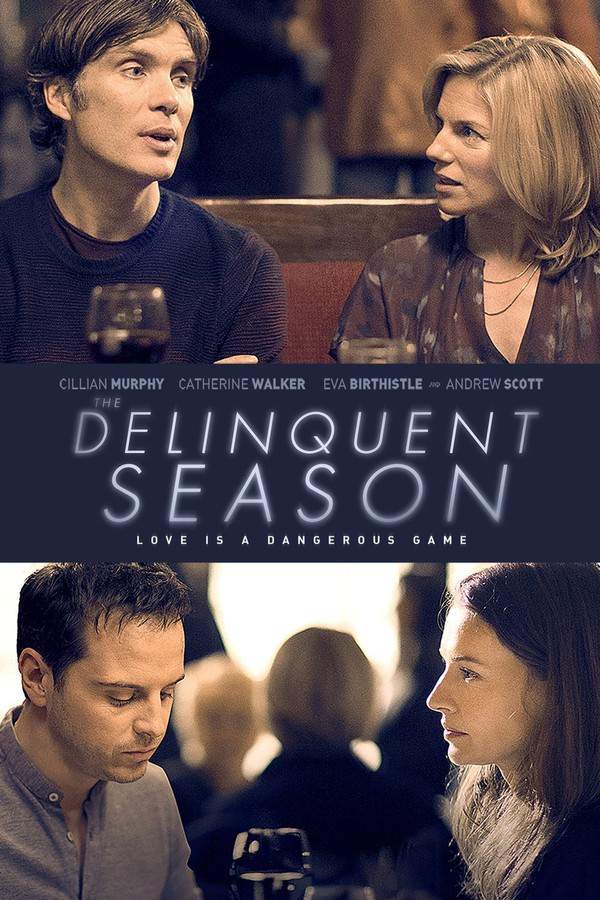
The Delinquent Season
2018
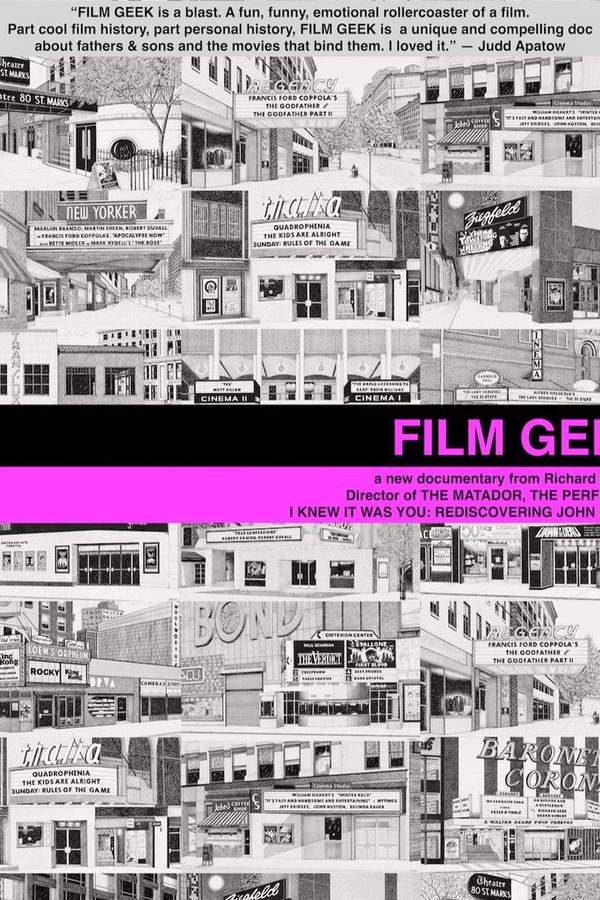
Film Geek
2024

Up There
2012

Trouble with Sex
2005
The Old New Year
1981

Winter Cherries
1985

Phone Call from a Stranger
1952

Interlude
1957
Narrative Summary
Stories in this thread typically unfold over a short, contained period like a holiday celebration. Characters from different walks of life find their outward success or holiday cheer masking a deep disillusionment. The narrative focuses on internal conflicts and conversations about life choices, rather than external plot, often ending on an ambiguous note of contemplation.
Why These Movies?
These films are grouped together because they share a specific melancholic mood where festive settings amplify feelings of isolation and existential questioning. They blend a steady, character-driven pace with a medium emotional weight, creating a relatable and thoughtful viewing experience centered on midlife crises and the search for purpose.
Philosophical Duo Dramas like in The Old New Year
Two characters from different worlds bond over shared disillusionment and philosophical debates.Find movies similar to The Old New Year that explore two characters from different classes bonding over existential dread and philosophical debates about the meaning of life and success.
Shortcomings
2023
Solitary Man
2010
Rifkin's Festival
2022
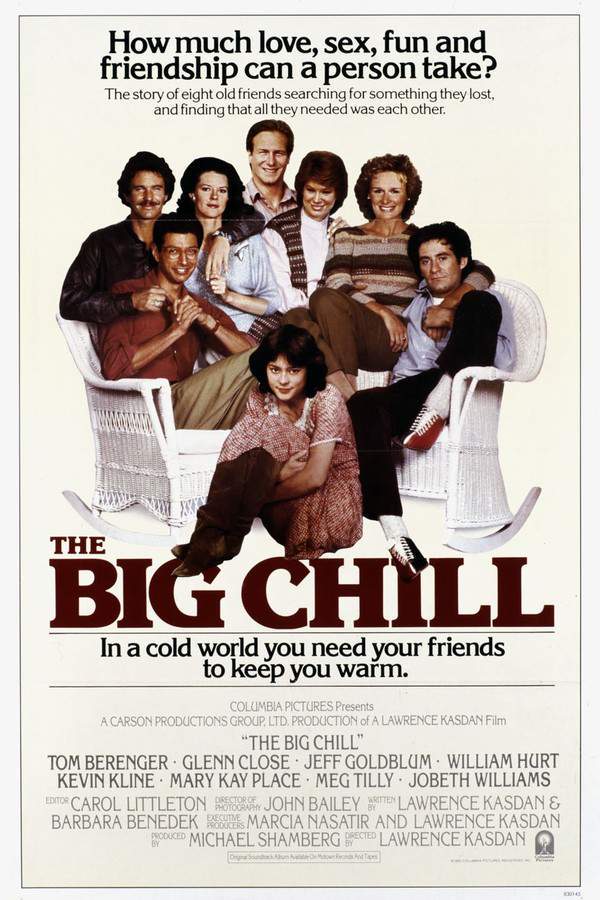
The Big Chill
1983
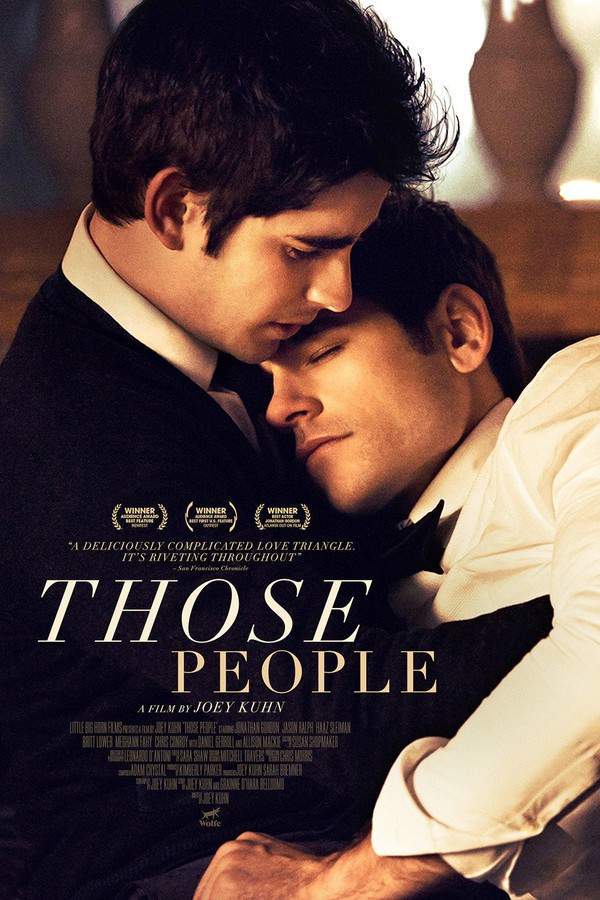
Those People
2016
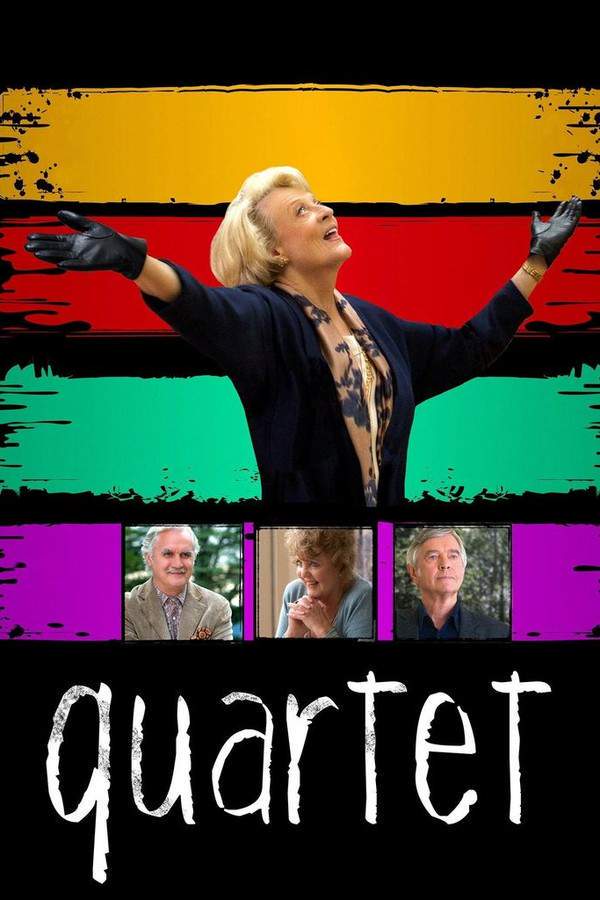
Quartet
1981

The Three Stooges
2000

Sentimental Destinies
2000

Flights in Dreams and in Reality
1982
The Old New Year
1981

Get Out Your Handkerchiefs
1978

The Theme
1979

You Have to Come and See It
2022

Two English Girls
1971

Summer Wishes, Winter Dreams
1973
Narrative Summary
The narrative follows parallel arcs of two protagonists, using their contrasting perspectives to explore a central philosophical theme. Their friendship or alliance develops through intense dialogue as they question their life choices together. The plot is driven by internal conflict and debate rather than action, often culminating in a joint, ambiguous decision to seek a different way of living.
Why These Movies?
These movies are united by their focus on a dual-character study where philosophical exploration is the primary driver. They share a moderate complexity, a melancholic tone, and a steady pacing that allows for deep character development. The emotional weight comes from the relatable crisis of meaning experienced by the duo.
Unlock the Full Story of The Old New Year
Don't stop at just watching - explore The Old New Year in full detail. From the complete plot summary and scene-by-scene timeline to character breakdowns, thematic analysis, and a deep dive into the ending - every page helps you truly understand what The Old New Year is all about. Plus, discover what's next after the movie.
The Old New Year Summary
Read a complete plot summary of The Old New Year, including all key story points, character arcs, and turning points. This in-depth recap is ideal for understanding the narrative structure or reviewing what happened in the movie.

The Old New Year Timeline
Track the full timeline of The Old New Year with every major event arranged chronologically. Perfect for decoding non-linear storytelling, flashbacks, or parallel narratives with a clear scene-by-scene breakdown.


Similar Movies to The Old New Year
Discover movies like The Old New Year that share similar genres, themes, and storytelling elements. Whether you’re drawn to the atmosphere, character arcs, or plot structure, these curated recommendations will help you explore more films you’ll love.
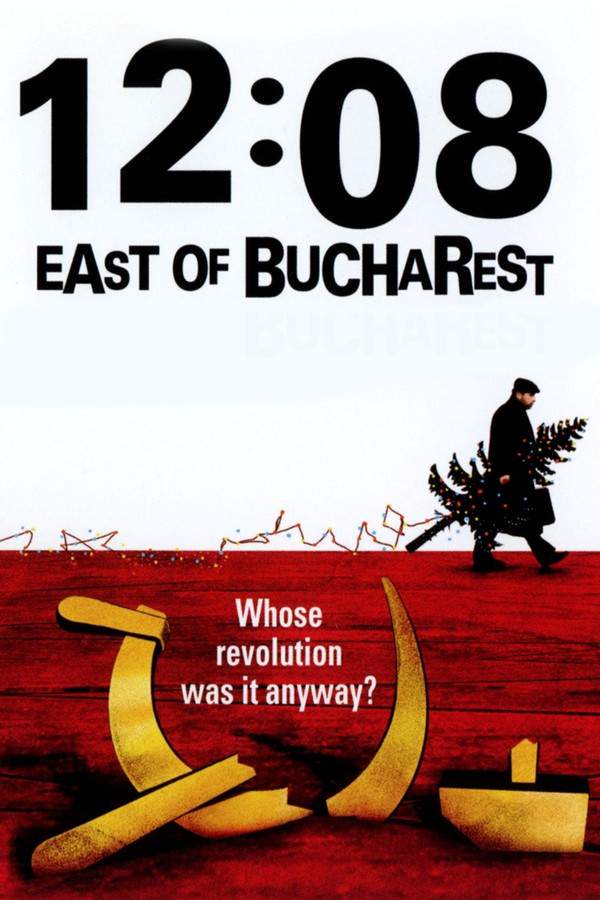
12:08 East of Bucharest
2007

And Now, Goodbye!
2000

The Last Six Degrees of Celebration
2018

Happy New Year
1987

New Year’s Day
1989

The Fountain
1988

Crazy New Year!
2020

Baba Moroz and the Mystery of the New Year
2023

The Irony of Fate, or Enjoy Your Bath!
1975

The Old Crowd
1979

I’ll Be Good, Old Man!
1979

Cosy Dens
1999

New Year’s Chef
2023

Manyunya: New Year’s Adventures
2023

Réveillon
2023
Explore More About Movie The Old New Year
The Old New Year (1981) Plot Summary & Movie Recap
The Old New Year (1981) Scene-by-Scene Movie Timeline
The Old New Year (1981) Spoiler-Free Summary & Key Flow
Movies Like The Old New Year – Similar Titles You’ll Enjoy
12:08 East of Bucharest (2007) Full Summary & Key Details
And Now, Goodbye! (2000) Detailed Story Recap
The Last Six Degrees of Celebration (2018) Plot Summary & Ending Explained
Happy New Year (1987) Ending Explained & Film Insights
New Year’s Day (1989) Story Summary & Characters
The Fountain (1988) Plot Summary & Ending Explained
Crazy New Year! (2020) Detailed Story Recap
Baba Moroz and the Mystery of the New Year (2023) Full Summary & Key Details
The Irony of Fate, or Enjoy Your Bath! (1975) Detailed Story Recap
The Old Crowd (1979) Ending Explained & Film Insights
I’ll Be Good, Old Man! (1979) Spoiler-Packed Plot Recap
Cosy Dens (1999) Movie Recap & Themes
New Year’s Chef (2023) Spoiler-Packed Plot Recap
Manyunya: New Year’s Adventures (2023) Full Movie Breakdown
Réveillon (2023) Full Summary & Key Details