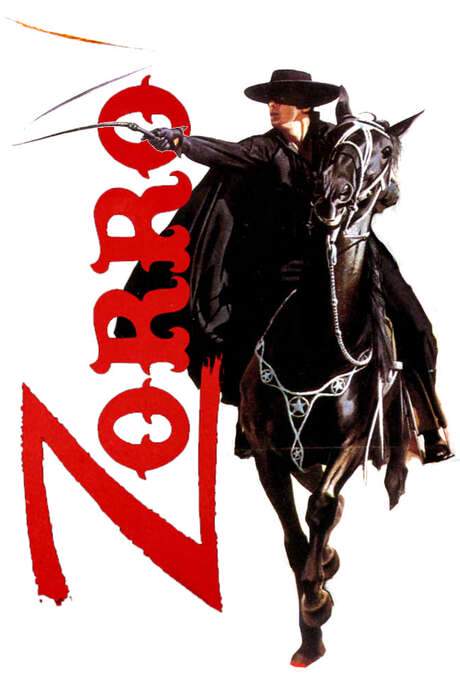
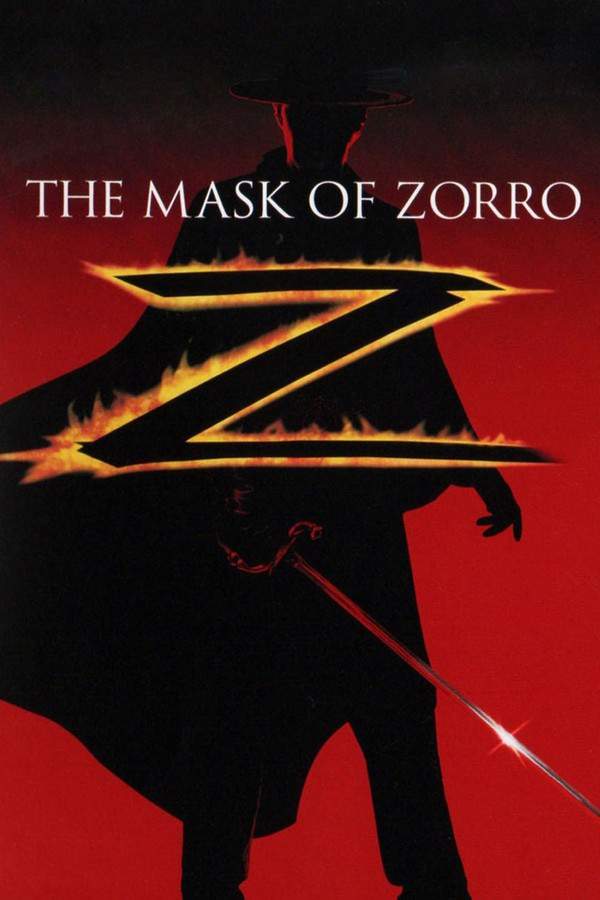
Two Sicilian cousins, Franco La Vacca Franco Franchi and Ciccio La Vacca Ciccio Ingrassia, arrive in California with bright hopes of striking it rich through gold, chasing the glimmer of fortune across a vast, sunlit landscape. They are blissfully unaware that the region harbors Zorro, the legendary defender of the poor and the innocent, a masked hero whose actions ripple through the town. Their first brush with the legend comes when Zorro frees two prisoners unjustly kept behind bars, a moment that plants the seed of trouble and awe alike. In a rough-and-tumble mix of luck and mischief, the cousins cross paths with the rebel-turned-rumor, and a surprising punishment follows: a bold Z branded on their backsides, a mark that follows them to the home of their uncle, Don Diego De La Vega Franco Fantasia. They arrive not knowing that Diego’s son, Raphael, and Zorro are one and the same, a revelation that threads through every misstep they take afterward.
At their uncle’s house the brothers are handed a slender lifeline—money to disappear from sight—because their presence could blow Zorro’s cover, especially after someone notices clothing from Zorro’s wardrobe in Raphael’s room. The scene is a comic braid of mistaken identities and shifting loyalties, and it broadens when two conmen, Enzo Andronico and Carlo Taranto, lure the cousins into another trap. The sudden swing from luck to lucklessness crystallizes the film’s tone: the pair fold under pressure, only to be pulled back by a benefactor who moves unseen.
That benefactor is Zorro himself, who has just stolen a priceless treasure from the town’s tyrannical judge, Giudice Ramirez Mario Maranzana. The treasure’s proximity to Franco and Ciccio’s search for gold turns their journey into a cascade of near-misses, schemes, and double-deals. As the two stumble through the town’s politics and power plays, Carmencita Agata Flori, a devoted admirer of Zorro, awaits a promised meeting with her heroic figure, blissfully ignorant of the danger that her household fortune might attract. Meanwhile, Carmencita’s maid slips a hint to the judge’s guards, a detail that tightens the net around the would-be hero and his would-be imitators.
A bold plot twist arrives when Franco and Ciccio discover more of Zorro’s clothes and resolve to impersonate the masked man for an evening. Their plan, intended to lend them a veneer of legitimacy, lands with comic chaos as Carmencita unexpectedly faces three versions of Zorro in the same night. The guards’ confusion over who is truly Zorro becomes a tipping point; Franco and Ciccio find themselves trapped by their own ruses, and an impending execution at the gallows seems inevitable. Yet the timely arrival of the real hero rescues them, turning the moment from tragedy to relief and restoring a precarious balance to the town.
In the aftermath, the judge is arrested, and the town breathes a sigh of relief as justice seems to inch forward. The film wraps with Franco and Ciccio sent far away, carrying a fortune that is, as fate would have it, again threatened by two conmen who have not finished weaving their schemes. The final comedy of errors lingers, insisting that wealth, identity, and heroism are as slippery as the dust on a desert road, and that luck can flip on a dime just when the heroes think they have secured their future.
This lively caper blends physical comedy with a lightly woven homage to classic Zorro tales, painting a playful portrait of mistaken identities, daring rescues, and the perpetual tug between fraud and justice. The film thrives on the sunny chemistry between Franco Franchi and Ciccio Ingrassia, whose chemistry fuels every twist and turn, while a colorful supporting cast—led by Don Diego De La Vega’s double life, the town’s stern judge, and the affectionate Carmencita—gives the narrative texture and heart. The result is a rambunctious, good-humored adventure that stays true to its spirit: a celebration of persistence, a wink at the legends we tell, and a reminder that, sometimes, the most heroic act is simply choosing to do the right thing in the face of chaos.