
The More You Ignore Me

Based on Jo Brand’s novel, this comedy drama explores the life of an eccentric family in 1980s rural England. Gina, a young mother, struggles to balance her roles while battling declining mental health. Her condition worsens with an unusual obsession, leading to hospitalization. As her daughter Alice grows, she finds it difficult to connect with her medicated mother, and a plan to reunite the family creates lasting divisions and a poignant conclusion, underscored by the music of The Smiths.
Where to Watch The More You Ignore Me?
Find where to stream, rent, or buy The More You Ignore Me (2018) in the US with current JustWatch availability, up-to-date pricing, and platform listings for subscription, rental, and digital purchase options.

















Streaming availability powered by 
Warning: spoilers below!
Haven’t seen The More You Ignore Me yet? This summary contains major spoilers. Bookmark the page, watch the movie, and come back for the full breakdown. If you're ready, scroll on and relive the story!
Timeline & Setting – The More You Ignore Me (2018)
Explore the full timeline and setting of The More You Ignore Me (2018). Follow every major event in chronological order and see how the environment shapes the story, characters, and dramatic tension.
Last updated: February 17, 2026 at 17:15
Main Characters – The More You Ignore Me (2018)
Meet the key characters of The More You Ignore Me (2018), with detailed profiles, motivations, and roles in the plot. Understand their emotional journeys and what they reveal about the film’s deeper themes.
Last updated: February 17, 2026 at 17:15
Major Themes – The More You Ignore Me (2018)
Explore the central themes of The More You Ignore Me (2018), from psychological, social, and emotional dimensions to philosophical messages. Understand what the film is really saying beneath the surface.
Last updated: February 17, 2026 at 17:15
The More You Ignore Me (2018) Character & Theme Questions Answered – Info FAQ
Browse frequently asked questions about The More You Ignore Me (2018) focused on characters, relationships, themes, symbols, setting, and story context. This movie info FAQ gives spoiler-aware explanations for character arcs, world details, and thematic interpretation so readers can better understand what the film is really about.
Where is The More You Ignore Me set?
The film is set in a small English town in rural England during the 1980s. The tight-knit community plays a significant role, as the everyday routines and local concerns shape how residents respond to hardship, magnifying the impact of Gina's illness on her family.
What time period does the story take place?
The story unfolds in 1980s England, a period marked by cultural shifts and a rising indie music scene. This era is significant because mental health conversations were less open, contributing to the stigma that families like Gina's had to navigate.
What are the main themes explored in the film?
The film explores three primary themes: Mental Health, focusing on the stigma and family impact of Gina's severe mental illness; Adolescence, following Alice's coming-of-age journey under the shadow of her mother's condition; and Music Escape, showing how The Smiths and Morrissey provide Alice with emotional refuge.
Who is Alice Wilson and what is her role in the story?
Alice Wilson is the teenage daughter of Gina and Keith, portrayed by Ella Hunt. She is a bright but lonely teenager who finds solace in music, especially Morrissey and The Smiths, which helps her cope with her mother's illness and family strain. Her perspective offers a compassionate view of a young person trying to preserve her identity amid chaos at home.
Who is Gina Wilson and what is her condition?
Gina Wilson, played by Sheridan Smith, is Alice's mother whose severe mental illness began as postpartum depression and came to dominate the family's life. She can be unpredictable, reflecting the realities of living with a psychiatric disorder in a close-knit community. The film portrays her as a complex character whose condition strains relationships while her family strives to care for her.
Who is Keith Wilson and what is his role?
Keith Wilson, portrayed by Mark Addy, is the father who tries to hold the family together while supporting both his wife and daughter. He is described as stoic and caring, acting as a stabilizing presence in the home. His quiet resilience highlights the emotional toll of caregiving within a family facing mental illness.
How does music factor into the film?
Music serves as Alice's refuge from her troubled home, with Morrissey and The Smiths providing a language for her unspoken emotions. A pivotal Top of the Pops moment marks a revelatory connection between pop culture and personal identity. The film suggests that songs can anchor memory, comfort, and resilience amid family challenges.
What does the film say about mental health?
The film highlights the stigma faced by families dealing with mental illness in a close-knit 1980s English community. It explores compassion, responsibility, and the limits of care within a family, showing the emotional toll on both Alice and Keith as they navigate Gina's condition and the challenges of getting her proper treatment.
What kind of community is depicted in the movie?
The film portrays a tight-knit small English town where family life is deeply felt and observed. The close community environment amplifies how Gina's illness affects Alice and the rest of the family, as local concerns and everyday routines shape how people respond to hardship and difference.
What is the tone of the film?
The film has a bittersweet tone, balancing the sadness of Gina's condition and Alice's loneliness with hopeful connections found through music and her father's stoic support. While dealing with the heavy topic of severe mental illness, the narrative is grounded in steady, character-focused pacing and interspersed with moments of humor and warmth.
Why is the 1980s setting important to the story?
The 1980s setting is crucial because mental health was less openly discussed, creating additional stigma that families like Gina's had to navigate. The era's indie music scene, including The Smiths, directly influences the characters' emotional world, while cultural references like Top of the Pops anchor the story in a specific time period that shapes character identities.
How does Alice cope with her mother's illness?
Alice copes by immersing herself in music, particularly Morrissey and The Smiths, which provides her with an emotional outlet and helps her process difficult feelings. Her coming-of-age journey shows how adolescence becomes a time of seeking belonging and identity, balanced by warmth and humor amid the hardship of having a mentally ill parent.

Explore Movie Threads
Discover curated groups of movies connected by mood, themes, and story style. Browse collections built around emotion, atmosphere, and narrative focus to easily find films that match what you feel like watching right now.
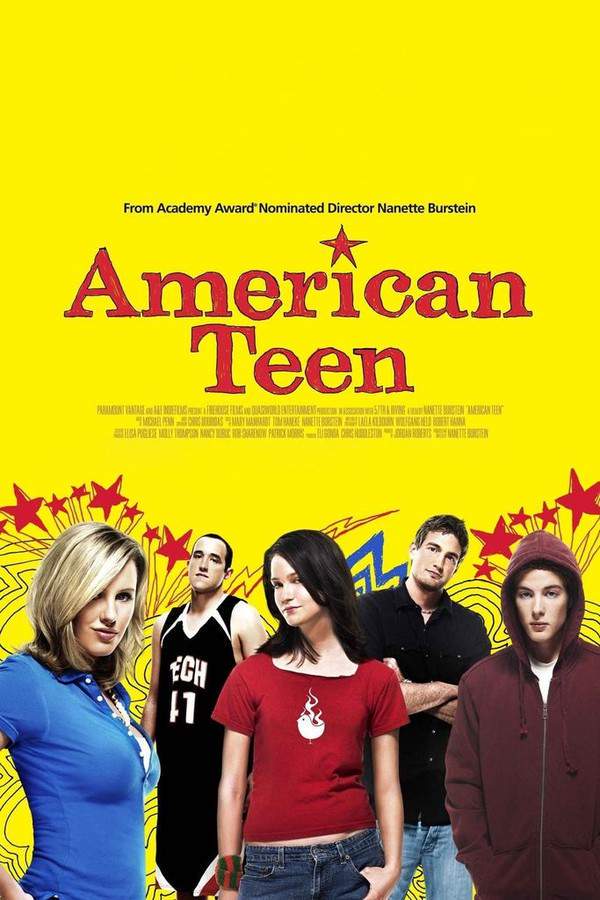
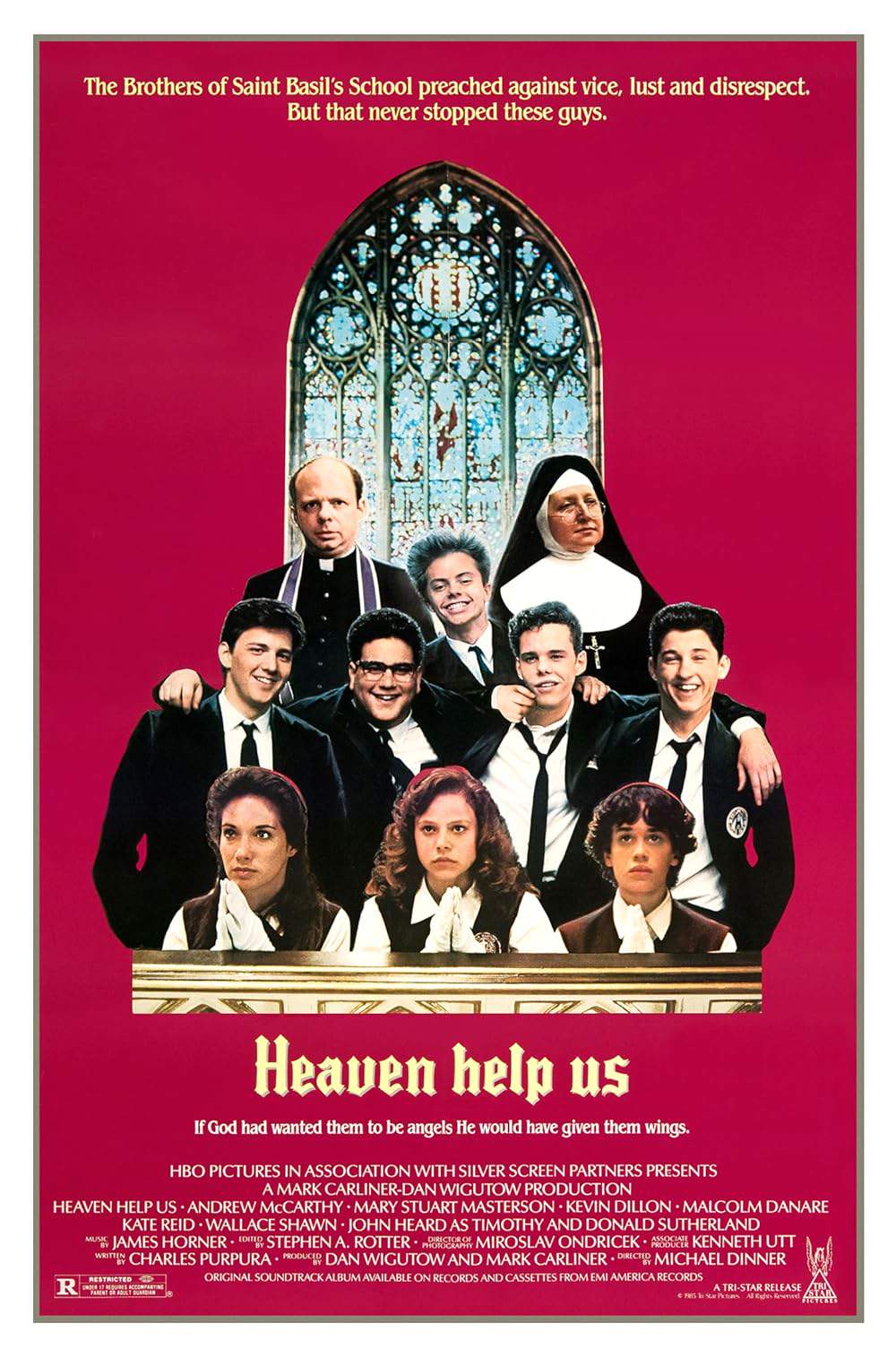
Coming-of-Age Stories in Troubled Families like The More You Ignore Me
Stories of young protagonists navigating adolescence within a difficult family dynamic.If you liked the heartfelt and bittersweet journey in The More You Ignore Me, explore other movies like it. These films feature young protagonists grappling with adolescence while dealing with the complexities of a parent's mental illness or family dysfunction, blending emotional weight with moments of warmth.

Big Time Adolescence
2020
American Teen
2008

The Edge of Seventeen
2016

Slums of Beverly Hills
1998

The Battle of Shaker Heights
2003

Reckless
1984
Heaven Help Us
1985

Edge of Seventeen
1998

I Like Movies
2024

All That Glitters
2010
The More You Ignore Me
2018

Big Girls Don’t Cry… They Get Even
1991

Small Change
1976

Hey Hey It’s Esther Blueburger
2008

Lost in Yonkers
1993
Narrative Summary
These narratives typically follow a linear progression through the protagonist's adolescence. The central conflict arises from the tension between their desire for a normal teenage life and the responsibilities or emotional toll of their family situation. The arc involves the protagonist finding their own voice and coping mechanisms, often leading to a bittersweet understanding of their family.
Why These Movies?
Movies are grouped here because they share a specific narrative focus: the intersection of the coming-of-age genre with family drama, particularly involving parental mental health. They balance emotional seriousness with a steady, character-driven pace and a tone that acknowledges sadness while finding glimmers of hope and humor.
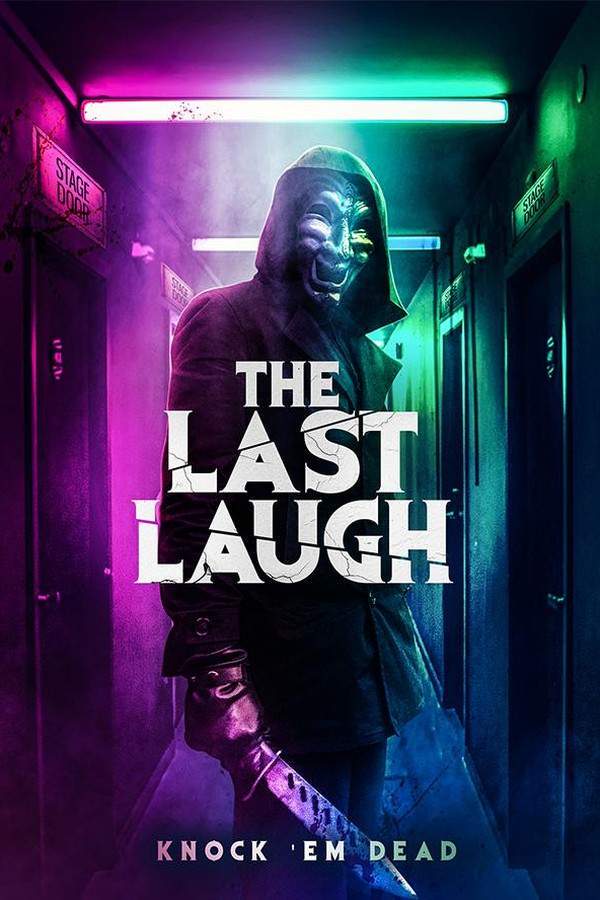
Quirky Melancholy Dramas like The More You Ignore Me
Eccentric characters and offbeat humor meet poignant, emotionally resonant stories.Fans of The More You Ignore Me's blend of humor and heartache will enjoy these similar movies. This collection features films with a bittersweet tone, eccentric characters, and a steady pace, offering quirky comedy alongside poignant explorations of life's difficulties, perfect for viewers who like their stories heartfelt with a unique edge.
The Last Laugh
2019

Sun Dogs
2018

Delicacy
2012

Hello, My Name Is Doris
2016

Harold and Maude
1971

At Middleton
2014

Elizabethtown
2005

Is That You?
2016
I Like Movies
2024

My Oxford Year
2025

The Cemetery Club
1993

The Evening Star
1996

Sweet November
1968

Soft Top Hard Shoulder
1992

Hello, My Name Is
2022
Narrative Summary
Narratives in this thread often revolve around eccentric characters navigating personal struggles or family oddities. The plot is driven by character interactions rather than high-stakes events, using humor as a lens to examine sadness, loneliness, or dysfunction. The journey typically leads to a conclusion that acknowledges life's imperfections while highlighting human connection.
Why These Movies?
These movies are grouped by their distinctive tonal balance. They share a bittersweet or melancholic core that is leavened by quirky humor and a warm, often nostalgic atmosphere. The pacing is generally steady, focusing on character development and emotional resonance over fast-paced plot mechanics.
Unlock the Full Story of The More You Ignore Me
Don't stop at just watching - explore The More You Ignore Me in full detail. From the complete plot summary and scene-by-scene timeline to character breakdowns, thematic analysis, and a deep dive into the ending - every page helps you truly understand what The More You Ignore Me is all about. Plus, discover what's next after the movie.
The More You Ignore Me Summary
Read a complete plot summary of The More You Ignore Me, including all key story points, character arcs, and turning points. This in-depth recap is ideal for understanding the narrative structure or reviewing what happened in the movie.

The More You Ignore Me Timeline
Track the full timeline of The More You Ignore Me with every major event arranged chronologically. Perfect for decoding non-linear storytelling, flashbacks, or parallel narratives with a clear scene-by-scene breakdown.


Similar Movies to The More You Ignore Me
Discover movies like The More You Ignore Me that share similar genres, themes, and storytelling elements. Whether you’re drawn to the atmosphere, character arcs, or plot structure, these curated recommendations will help you explore more films you’ll love.

How About You ...
2008

Mother
1997

You Won't Miss Me
2010

I’m Not Your Mom
2019

More of Me
2007

Me, Myself and I
1992

The Growing Pains of Adrian Mole
1000

Like Mom, Like Me
1978

Maisie
1939

Lovely Loneliness
2008

Me, Natalie
1969

Mother Didn’t Tell Me
1950

Molly and Me
1945

Oh Dad, Poor Dad, Mamma’s Hung You in the Closet and I’m Feeling So Sad
1967

Better Things
2008
Explore More About Movie The More You Ignore Me
The More You Ignore Me (2018) Plot Summary & Movie Recap
The More You Ignore Me (2018) Scene-by-Scene Movie Timeline
The More You Ignore Me (2018) Spoiler-Free Summary & Key Flow
Movies Like The More You Ignore Me – Similar Titles You’ll Enjoy
How About You ... (2008) Plot Summary & Ending Explained
Mother (1997) Movie Recap & Themes
You Won't Miss Me (2010) Spoiler-Packed Plot Recap
I’m Not Your Mom (2019) Spoiler-Packed Plot Recap
More of Me (2007) Story Summary & Characters
Me, Myself and I (1992) Movie Recap & Themes
The Growing Pains of Adrian Mole (1000) Ending Explained & Film Insights
Like Mom, Like Me (1978) Complete Plot Breakdown
Maisie (1939) Detailed Story Recap
Lovely Loneliness (2008) Ending Explained & Film Insights
Me, Natalie (1969) Movie Recap & Themes
Mother Didn’t Tell Me (1950) Full Summary & Key Details
Molly and Me (1945) Ending Explained & Film Insights
Oh Dad, Poor Dad, Mamma’s Hung You in the Closet and I’m Feeling So Sad (1967) Film Overview & Timeline
Better Things (2008) Detailed Story Recap