
The More You Ignore Me

Based on Jo Brand’s novel, this comedy drama explores the life of an eccentric family in 1980s rural England. Gina, a young mother, struggles to balance her roles while battling declining mental health. Her condition worsens with an unusual obsession, leading to hospitalization. As her daughter Alice grows, she finds it difficult to connect with her medicated mother, and a plan to reunite the family creates lasting divisions and a poignant conclusion, underscored by the music of The Smiths.
Where to Watch The More You Ignore Me?
Find where to stream, rent, or buy The More You Ignore Me (2018) in the US with current JustWatch availability, up-to-date pricing, and platform listings for subscription, rental, and digital purchase options.

















Streaming availability powered by 
Warning: spoilers below!
Haven’t seen The More You Ignore Me yet? This summary contains major spoilers. Bookmark the page, watch the movie, and come back for the full breakdown. If you're ready, scroll on and relive the story!
The More You Ignore Me (2018) – Full Plot Summary & Ending Explained
Read the complete plot breakdown of The More You Ignore Me (2018), including all key story events, major twists, and the ending explained in detail. Discover what really happened, and what it all means.
Alice Hollingworth Ella Hunt is a bright but lonely teenager living in a small English town during the 1980s. Her life is complicated by her mother Gina’s Sheridan Smith struggle with severe mental illness, which began as postnatal depression and has since dominated the family’s existence. Alice’s father, Keith Wilson Mark Addy, is a stoic and caring presence, trying to hold the family together while supporting both his wife and daughter.
Alice finds solace in music, particularly in her growing obsession with Morrissey and The Smiths, sparked by a revelatory moment watching Top of the Pops. As she navigates adolescence, her infatuation becomes both an escape from her difficult home life and a way to process her fears about inheriting her mother’s condition.
The film follows the family as they grapple with Gina’s unpredictable behaviour, the strain it places on their relationships, and the stigma of mental illness in their tight-knit community. Alongside moments of humour and warmth, the story confronts the realities of living with and loving someone with a serious psychiatric disorder.
Nan Wildgoose Sheila Hancock is the family’s neighbor and an unwavering presence, offering practical help and quiet advice even as the town’s gaze lingers on their struggles. In the background, the town’s views swing between sympathy and gossip, shaping how the family negotiates school, neighbors, and everyday rituals. The film builds a compassionate portrait of resilience, showing how love, memory, and shared routines help a family endure hard times without erasing the pain.
Last updated: February 17, 2026 at 19:55
The More You Ignore Me (2018) Plot Questions Answered – Summary FAQ
Explore frequently asked questions about The More You Ignore Me (2018) with spoiler-rich answers covering the full plot summary, major story beats, character motivations, hidden details, and ending meaning. This movie summary FAQ helps explain confusing scenes, plot twists, and narrative decisions in clear, searchable detail.
Why did Alice become obsessed with Morrissey and The Smiths?
Alice's obsession with Morrissey and The Smiths began after a revelatory moment watching Top of the Pops, where music appeared to offer a doorway to a different world. For Alice, the music became both an escape from her difficult home life and a way to process her fears about inheriting her mother's condition. The lyrics offered her a language she could relate to when words failed her, providing solace and a sense of identity during her tumultuous adolescence.
The Top of the Pops scene marks the beginning of Alice's personal escape and path toward self-definition, hinting at how music will become central to her coping mechanism throughout the film.
What caused Gina's mental illness to worsen over time?
Gina's mental illness began as postnatal depression after giving birth to Alice and evolved into a more severe and unpredictable psychiatric disorder. The summary indicates her condition worsened with unusual obsessions, leading to hospitalization. While the exact triggers aren't detailed, the film portrays how the condition came to dominate the family's existence, with mood swings and erratic behavior disrupting daily life throughout the 1980s.
The early mention of postnatal depression establishes the origin of Gina's decline, showing how it evolved from a manageable condition into one that required hospitalization.
What was the plan to reunite the family and why did it create divisions?
The description mentions a plan to reunite the family that created lasting divisions and led to a poignant conclusion. While specific details aren't provided in the summary, the plan likely involved attempts to address Gina's condition and restore family unity. However, whatever approach was taken, whether related to treatment, relocation, or intervention, created rifts that persisted, highlighting the complex and often painful reality of dealing with mental illness within a family.
The film's description explicitly notes that the plan creates lasting divisions, suggesting the ending is shaped by consequences of this family attempt at reconciliation.
Why was Alice afraid of inheriting her mother's illness?
Alice worried throughout her adolescence about whether she might inherit Gina's condition, a fear that shadowed her sense of identity and future plans. Given that Gina's mental illness began as postnatal depression, Alice had reason to be concerned about hereditary patterns. This fear was a significant emotional burden that contributed to her loneliness and isolation, making her seek escape through music and the world of Morrissey.
Alice's fear of inheriting her mother's illness is introduced early, establishing a central psychological tension that drives her character arc throughout the film.
How did Keith cope with caring for both his wife and daughter?
Keith served as the stoic, caring anchor who tried to hold the family together while balancing work, care for Gina, and attention to Alice's needs, often at the cost of his own comfort. He sought outside support by reaching out to doctors and support networks, demonstrating that managing mental illness within a family requires external assistance. His quiet resilience became the thread that tied the family through crisis, though the strain of dual caregiving was ever-present.
Keith's role as the steady presence is established early, showing his willingness to seek help which contrasts with the stigma that prevents others in the community from reaching out.
Why couldn't Alice connect with her medicated mother?
As Alice grew older, she found it difficult to connect with her medicated mother because Gina's medication likely altered her personality or emotional availability. The description indicates Alice struggled to connect with her mother during this period, suggesting the medication that stabilized Gina's condition may have also dampened the maternal connection Alice craved. This created an emotional distance that added to Alice's sense of isolation despite having both parents present.
The difficulty in mother-daughter connection is hinted at from the start, showing how treatment side effects create their own challenges alongside the illness itself.
How did the community's stigma affect the family?
The town's close-knit nature amplified the stigma around Gina's illness, making it harder for the family to reach out for help. Neighbors whispered and kept their distance, which heightened Alice's sense of shame and isolation. This social stigma affected everyday interactions, shaping how the family negotiated school, neighbors, and daily rituals. The tension between sympathy and gossip in the community created an additional layer of difficulty for the Hollingworths.
The community's reaction is established early, showing how external social pressures compound the family's internal struggles throughout the narrative.
What happened during Alice's Top of the Pops moment?
Alice experienced a revelatory moment watching Top of the Pops where a musical performance felt like a doorway to a different world. This moment sparked her fixation on Morrissey and The Smiths, marking the start of her personal escape and a path toward self-definition. The experience represented a turning point where music became more than entertainment, it became her sanctuary and way to process difficult emotions.
This scene is explicitly identified as the catalyst for Alice's music obsession, establishing the central importance of The Smiths to her emotional development.
How did music help Alice cope with her family situation?
Music offered Alice a steady escape from the pressures at home and the fear of inheriting her mother's condition. She used songs to make sense of her worries and to feel a sense of control when her home life felt unpredictable. The melodies became a language she could own when words failed her, providing both solace and a way to process her fears about the future.
Music as a coping mechanism is established early and recurs throughout, suggesting it becomes increasingly important as Alice faces more challenges at home.
Why is the film's ending described as poignant and bittersweet?
The ending is poignant because while the family demonstrates resilience and hope through love, memory, and shared routines, they cannot escape the persistent reality of living with serious psychiatric illness. The plan to reunite the family created lasting divisions, meaning not all wounds are healed. The conclusion acknowledges both loss and the complex reality of family bonds, love endures, but so does the damage caused by mental illness.
The film's description explicitly sets up the bittersweet nature of the resolution from the beginning, suggesting the ending honors both the family's strength and their ongoing struggles.

Explore Movie Threads
Discover curated groups of movies connected by mood, themes, and story style. Browse collections built around emotion, atmosphere, and narrative focus to easily find films that match what you feel like watching right now.
Coming-of-Age Stories in Troubled Families like The More You Ignore Me
Stories of young protagonists navigating adolescence within a difficult family dynamic.If you liked the heartfelt and bittersweet journey in The More You Ignore Me, explore other movies like it. These films feature young protagonists grappling with adolescence while dealing with the complexities of a parent's mental illness or family dysfunction, blending emotional weight with moments of warmth.

Big Time Adolescence
2020

American Teen
2008

The Edge of Seventeen
2016

Slums of Beverly Hills
1998

The Battle of Shaker Heights
2003

Reckless
1984
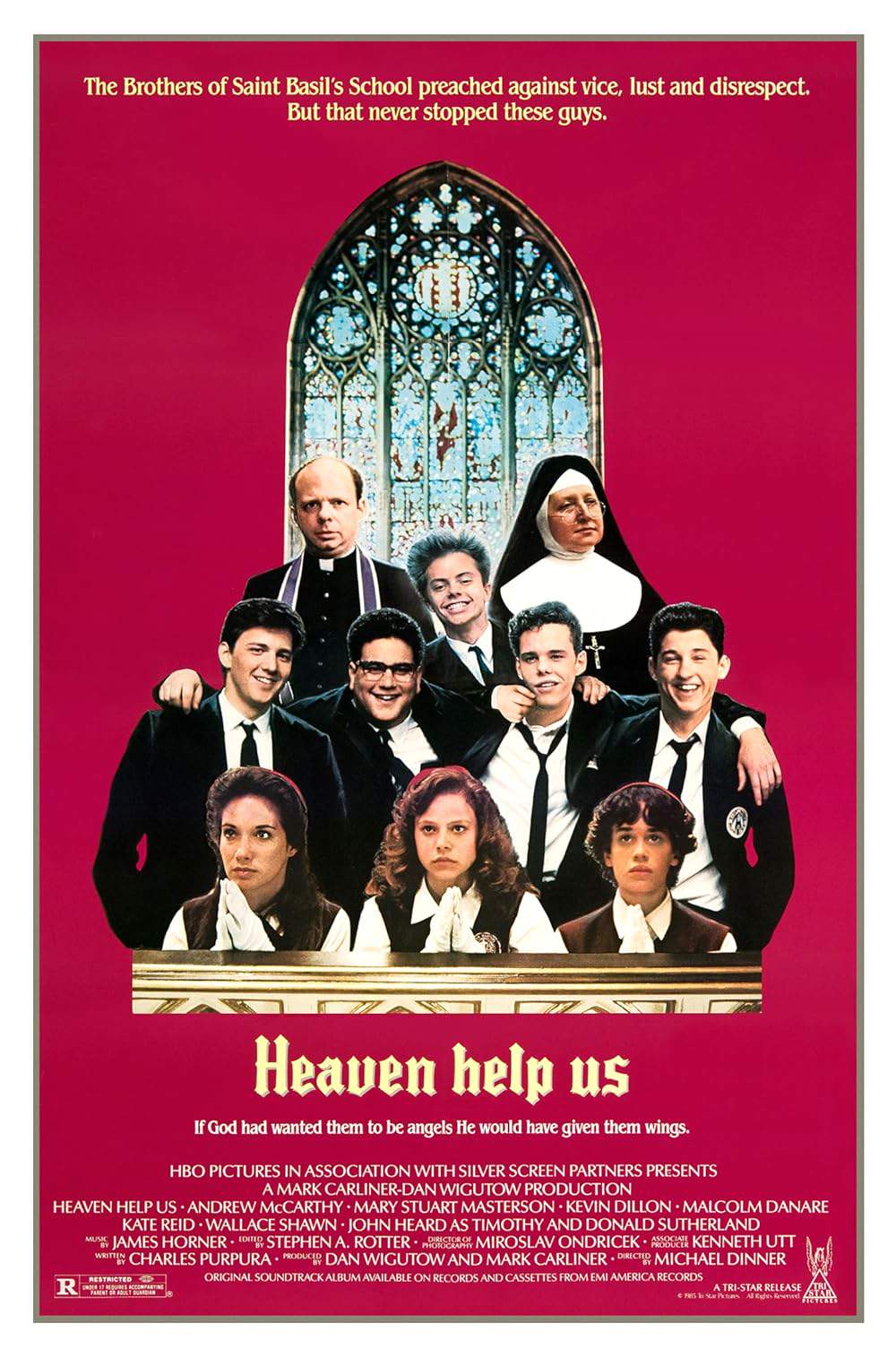
Heaven Help Us
1985

Edge of Seventeen
1998

I Like Movies
2024

All That Glitters
2010
The More You Ignore Me
2018

Big Girls Don’t Cry… They Get Even
1991

Small Change
1976

Hey Hey It’s Esther Blueburger
2008

Lost in Yonkers
1993
Narrative Summary
These narratives typically follow a linear progression through the protagonist's adolescence. The central conflict arises from the tension between their desire for a normal teenage life and the responsibilities or emotional toll of their family situation. The arc involves the protagonist finding their own voice and coping mechanisms, often leading to a bittersweet understanding of their family.
Why These Movies?
Movies are grouped here because they share a specific narrative focus: the intersection of the coming-of-age genre with family drama, particularly involving parental mental health. They balance emotional seriousness with a steady, character-driven pace and a tone that acknowledges sadness while finding glimmers of hope and humor.
Quirky Melancholy Dramas like The More You Ignore Me
Eccentric characters and offbeat humor meet poignant, emotionally resonant stories.Fans of The More You Ignore Me's blend of humor and heartache will enjoy these similar movies. This collection features films with a bittersweet tone, eccentric characters, and a steady pace, offering quirky comedy alongside poignant explorations of life's difficulties, perfect for viewers who like their stories heartfelt with a unique edge.

The Last Laugh
2019

Sun Dogs
2018

Delicacy
2012

Hello, My Name Is Doris
2016
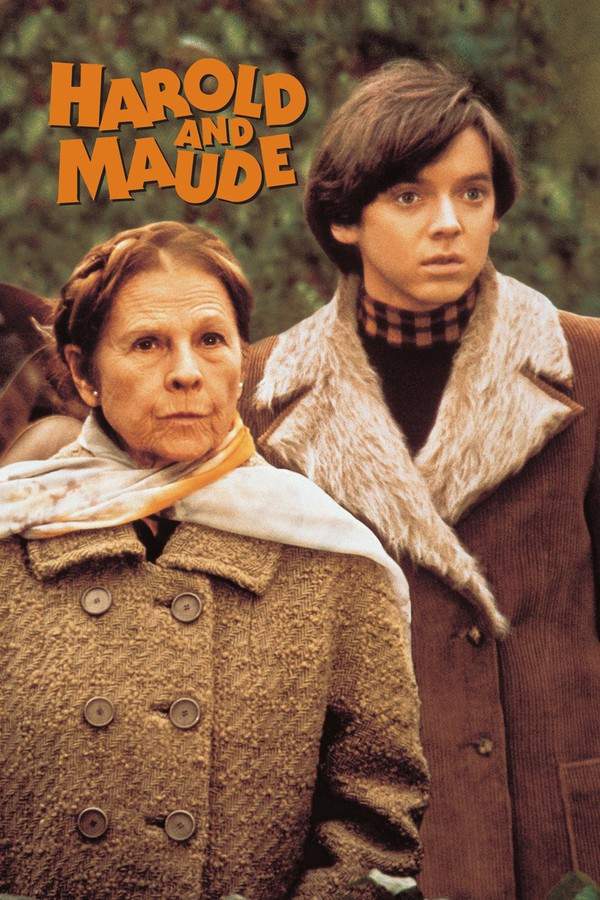
Harold and Maude
1971

At Middleton
2014

Elizabethtown
2005

Is That You?
2016
I Like Movies
2024

My Oxford Year
2025

The Cemetery Club
1993

The Evening Star
1996

Sweet November
1968

Soft Top Hard Shoulder
1992

Hello, My Name Is
2022
Narrative Summary
Narratives in this thread often revolve around eccentric characters navigating personal struggles or family oddities. The plot is driven by character interactions rather than high-stakes events, using humor as a lens to examine sadness, loneliness, or dysfunction. The journey typically leads to a conclusion that acknowledges life's imperfections while highlighting human connection.
Why These Movies?
These movies are grouped by their distinctive tonal balance. They share a bittersweet or melancholic core that is leavened by quirky humor and a warm, often nostalgic atmosphere. The pacing is generally steady, focusing on character development and emotional resonance over fast-paced plot mechanics.
Unlock the Full Story of The More You Ignore Me
Don't stop at just watching - explore The More You Ignore Me in full detail. From the complete plot summary and scene-by-scene timeline to character breakdowns, thematic analysis, and a deep dive into the ending - every page helps you truly understand what The More You Ignore Me is all about. Plus, discover what's next after the movie.
The More You Ignore Me Timeline
Track the full timeline of The More You Ignore Me with every major event arranged chronologically. Perfect for decoding non-linear storytelling, flashbacks, or parallel narratives with a clear scene-by-scene breakdown.

Characters, Settings & Themes in The More You Ignore Me
Discover the characters, locations, and core themes that shape The More You Ignore Me. Get insights into symbolic elements, setting significance, and deeper narrative meaning - ideal for thematic analysis and movie breakdowns.


Similar Movies to The More You Ignore Me
Discover movies like The More You Ignore Me that share similar genres, themes, and storytelling elements. Whether you’re drawn to the atmosphere, character arcs, or plot structure, these curated recommendations will help you explore more films you’ll love.

How About You ...
2008

Mother
1997

You Won't Miss Me
2010

I’m Not Your Mom
2019

More of Me
2007

Me, Myself and I
1992

The Growing Pains of Adrian Mole
1000

Like Mom, Like Me
1978

Maisie
1939

Lovely Loneliness
2008

Me, Natalie
1969

Mother Didn’t Tell Me
1950

Molly and Me
1945

Oh Dad, Poor Dad, Mamma’s Hung You in the Closet and I’m Feeling So Sad
1967

Better Things
2008
Explore More About Movie The More You Ignore Me
The More You Ignore Me (2018) Scene-by-Scene Movie Timeline
The More You Ignore Me (2018) Movie Characters, Themes & Settings
The More You Ignore Me (2018) Spoiler-Free Summary & Key Flow
Movies Like The More You Ignore Me – Similar Titles You’ll Enjoy
How About You ... (2008) Film Overview & Timeline
Mother (1997) Complete Plot Breakdown
You Won't Miss Me (2010) Ending Explained & Film Insights
I’m Not Your Mom (2019) Story Summary & Characters
More of Me (2007) Movie Recap & Themes
Me, Myself and I (1992) Spoiler-Packed Plot Recap
The Growing Pains of Adrian Mole (1000) Full Summary & Key Details
Like Mom, Like Me (1978) Film Overview & Timeline
Maisie (1939) Spoiler-Packed Plot Recap
Lovely Loneliness (2008) Plot Summary & Ending Explained
Me, Natalie (1969) Full Summary & Key Details
Mother Didn’t Tell Me (1950) Film Overview & Timeline
Molly and Me (1945) Film Overview & Timeline
Oh Dad, Poor Dad, Mamma’s Hung You in the Closet and I’m Feeling So Sad (1967) Full Summary & Key Details
Better Things (2008) Plot Summary & Ending Explained