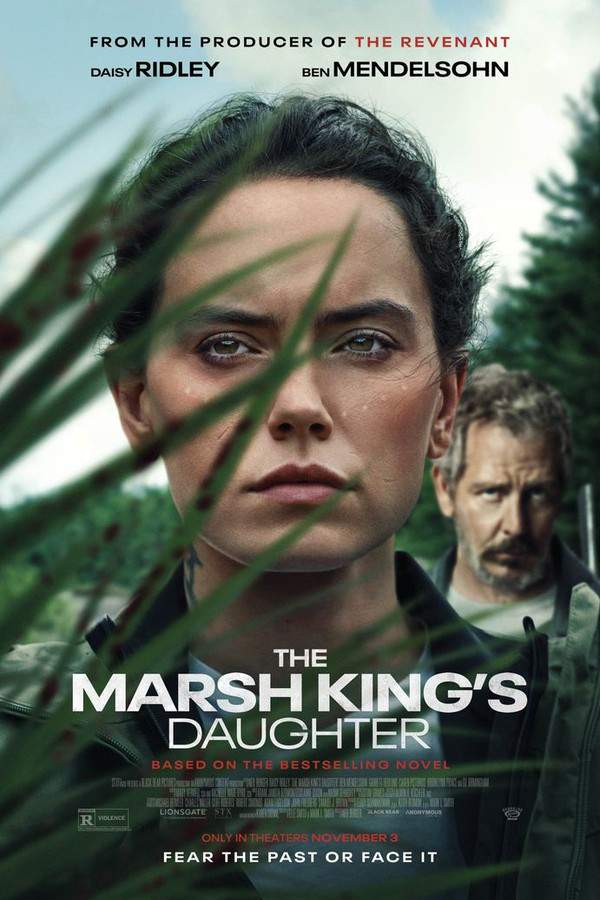
Raised in isolation by her survivalist father deep in the Georgian wilderness, Helena's world is upended when he escapes from prison. Now, years later, his return forces her to confront a dangerous legacy and the secrets he kept hidden. She must grapple with her complicated past and the unsettling truth about his identity as the notorious Marsh King, all while facing an uncertain future.
Find where to stream, rent, or buy The Marsh King's Daughter (2023) in the US with current JustWatch availability, up-to-date pricing, and platform listings for subscription, rental, and digital purchase options.
Warning: spoilers below!
Haven’t seen The Marsh King's Daughter yet? This summary contains major spoilers. Bookmark the page, watch the movie, and come back for the full breakdown. If you're ready, scroll on and relive the story!
Still thinking about how The Marsh King's Daughter (2023) ended? Here’s a full breakdown of the ending, key final moments, major twists, and the deeper meaning behind the film’s conclusion.
The ending of The Marsh King’s Daughter is intense and emotionally charged. After Helena manages to confront her father in the marshlands, she refuses to let him manipulate her again. When Jacob tries to persuade her to reunite their family and falsely promises to bring her and her daughter to Canada, Helena sharply rejects him, asserting her independence and strength. She refuses to go with him, knowing the darkness he embodies. A violent struggle follows, culminating in Helena killing Jacob to prevent him from kidnapping her daughter, Marigold.
She then attempts to escape the marshlands, wounded and exhausted, crawling toward her boat. The scene leaves her fate ambiguous—she rows away through the marsh until she disappears from view, symbolizing either her survival or her possible demise from her gunshot wound. The film’s final moment emphasizes her resilience and bravery: she has stood up against her father’s evil, protected her family, and faced her trauma head-on. Whether she lives or dies, Helena’s fight signifies her reclaiming her power over her past and her future, showing that she is finally free from the horror that haunted her childhood. The ending leaves viewers with a poignant sense of hope and the enduring strength it takes to break free from darkness.
Last updated: June 25, 2025 at 09:01
Read frequently asked questions about the ending of The Marsh King's Daughter (2023), including final-scene interpretation, twist explanations, character outcomes, and the deeper meaning behind the conclusion. This ending explained FAQ is designed for viewers searching for clear spoiler-heavy answers and ending breakdown insights.
Helena kills Jacob to prevent him from kidnapping her daughter Marigold. During their confrontation in the marshlands, Jacob attempts to take Marigold as he once took Helena as a child. Realizing he will never stop pursuing them and that his manipulation is relentless, Helena makes the fatal choice to protect her daughter from the same traumatic fate she experienced.
Earlier scenes reveal Jacob kidnapped Helena as a child and kept her isolated, establishing his pattern of taking children.
The film leaves Helena's survival ambiguous. After killing Jacob, she crawls toward her boat wounded from the struggle and rows away through the marshlands. She eventually disappears from view, and her ultimate fate, whether she dies from her gunshot wound or manages to escape, is never confirmed.
The earlier sequence showing Helena's resourcefulness and survival skills in the wilderness suggests she has the ability to endure.
Helena rejects Jacob's offer because she recognizes it as another manipulation. She understands that beneath his promises lies the same darkness that held her captive as a child. By refusing to go with him, she asserts her independence and breaks the cycle of control he has maintained over her life.
The film establishes Jacob's pattern of isolating and controlling his victims through his original abduction of Helena.
Marigold is safe by the ending. Jacob attempts to kidnap her, mirroring his abduction of Helena years earlier, but Helena intervenes and kills Jacob before he can take her daughter. Marigold survives the confrontation and remains with Helena throughout the escape attempt.
Helena's flashbacks to her own childhood abduction establish the parallel threat Jacob poses to Marigold.
Helena's final journey through the marsh symbolizes her reclamation of agency. After years of being controlled and haunted by her past, she now controls her own fate, whether toward survival or death. The ambiguity reflects her unresolved trauma while also honoring her courage in finally facing the darkness that defined her childhood.
The marshlands were previously a place of captivity for Helena as a child; now she navigates them on her own terms.
The ending is deliberately bittersweet. Helena triumphs by protecting her daughter and breaking free from her father's control, but this victory comes at the cost of killing her own father. Her fate remains uncertain, leaving viewers with both a sense of hope for her liberation and sadness for the violence she was forced to endure.
The film's shift from Helena's peaceful suburban life back into the traumatic world of her father establishes this tone of fragile peace shattered by past violence.
Jacob wants to take Marigold because repeating his pattern of abduction and control. Just as he took Helena from her mother years ago, he intends to raise Marigold in isolation, continuing his cycle of kidnapping and psychological domination over women in his life.
Helena's memories of her own abduction establish Jacob's MO of stealing children to create what he considers a family.
Helena breaks the cycle by refusing to let history repeat itself with Marigold. Unlike her mother, who never came back for her, Helena actively fights Jacob and kills him to protect her daughter. She also rejects his manipulation, refusing to be controlled or deceived by him again, thus ending the generational pattern of victimization.
Helena's mother is referenced as abandoning her, contrasting with Helena's fierce protection of Marigold.
Jacob dies at Helena's hands during their final confrontation in the marshlands. After attempting to kidnap Marigold and trying to manipulate Helena into reuniting their family, Helena fights back and kills him. His death represents both the end of his threat and the tragic conclusion to Helena's complicated paternal bond.
Throughout the film, Jacob is portrayed as an inescapable threat whose removal seems impossible until the final confrontation.
The ambiguous ending reflects the film's thematic focus on the lasting impact of trauma. By not confirming whether Helena survives, the film suggests that true liberation from such deep trauma is uncertain and may remain unresolved. The ambiguity also honors the reality that survivors of such violence may never fully escape their past, even after confronting it directly.
Helena's ongoing struggle with trauma throughout the film establishes this unresolved emotional landscape.
Discover curated groups of movies connected by mood, themes, and story style. Browse collections built around emotion, atmosphere, and narrative focus to easily find films that match what you feel like watching right now.
Characters forced to confront the dangerous ghosts of their own history.If you enjoyed the tense dynamic of Helena confronting her father in The Marsh King's Daughter, explore similar movies where characters are hunted by the ghosts of their history. This collection features psychological thrillers and dramas about facing traumatic pasts, blending suspense with heavy emotional weight and morally complex confrontations.
These narratives typically feature a protagonist living a semblance of a normal life, which is violently disrupted by the return of a figure or secret from a dark past. The story unfolds as a cat-and-mouse game, both physically and psychologically, often weaving flashbacks with present-day action to reveal the full scope of the trauma. The climax is a direct, high-stakes confrontation where the protagonist must defeat their past to secure their future.
These movies are grouped by their shared core conflict: a protagonist being actively pursued or psychologically tormented by a figure from a traumatic history. They create a specific, tense mood where the threat is deeply personal and the emotional stakes are incredibly high, focusing on themes of survival, identity, and the inescapable nature of severe trauma.

Stories exploring the struggle between a violent upbringing and one's own identity.Fans of The Marsh King's Daughter's exploration of a violent father's legacy will find more gripping stories here. These films delve into the complex theme of nature versus nurture, featuring characters from traumatic backgrounds who must fight to escape their family's shadow and define their own morality amidst psychological turmoil.
The narrative pattern centers on a character who was raised in an environment of violence, crime, or extreme isolation by a charismatic but dangerous parent. The central conflict is internal and external: they must externally escape the physical threat of their family while internally battling the ingrained lessons and fears of their upbringing. The climax often involves a direct confrontation that is as much about rejecting a twisted ideology as it is about physical survival.
These films are united by their deep exploration of a specific thematic question: can someone escape the toxic influence of their upbringing? They share a heavy emotional weight, complex character psychology, and a tense, often bleak atmosphere, focusing on the profound and lasting impact of childhood trauma and dysfunctional family bonds.
Don't stop at just watching - explore The Marsh King's Daughter in full detail. From the complete plot summary and scene-by-scene timeline to character breakdowns, thematic analysis, and a deep dive into the ending - every page helps you truly understand what The Marsh King's Daughter is all about. Plus, discover what's next after the movie.
Read a complete plot summary of The Marsh King's Daughter, including all key story points, character arcs, and turning points. This in-depth recap is ideal for understanding the narrative structure or reviewing what happened in the movie.
Track the full timeline of The Marsh King's Daughter with every major event arranged chronologically. Perfect for decoding non-linear storytelling, flashbacks, or parallel narratives with a clear scene-by-scene breakdown.
Discover the characters, locations, and core themes that shape The Marsh King's Daughter. Get insights into symbolic elements, setting significance, and deeper narrative meaning - ideal for thematic analysis and movie breakdowns.
Discover movies like The Marsh King's Daughter that share similar genres, themes, and storytelling elements. Whether you’re drawn to the atmosphere, character arcs, or plot structure, these curated recommendations will help you explore more films you’ll love.
The Marsh King's Daughter (2023) Plot Summary & Movie Recap
The Marsh King's Daughter (2023) Scene-by-Scene Movie Timeline
The Marsh King's Daughter (2023) Movie Characters, Themes & Settings
The Marsh King's Daughter (2023) Spoiler-Free Summary & Key Flow
Movies Like The Marsh King's Daughter – Similar Titles You’ll Enjoy
The Silence of the Marsh (2020) Ending Explained & Film Insights
Missing (2022) Movie Recap & Themes
Wildlike (2015) Movie Recap & Themes
Girl (2020) Complete Plot Breakdown
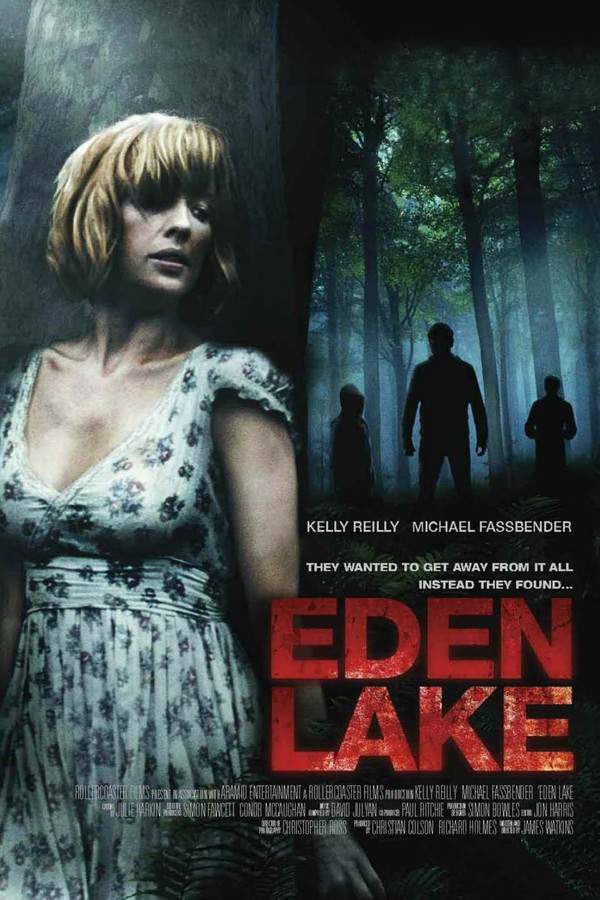
Eden Lake (2008) Full Movie Breakdown
The Girl by the Lake (2007) Full Summary & Key Details
My Daughter’s Secret (2007) Plot Summary & Ending Explained
The Secret of Hidden Lake (2006) Movie Recap & Themes
The Girl from the Marsh Croft (1917) Movie Recap & Themes
Zebra Girl (2021) Film Overview & Timeline
The Girl on the Mountain (2022) Plot Summary & Ending Explained
Lure of the Wilderness (1952) Full Movie Breakdown
In My Daughter’s Name (1992) Spoiler-Packed Plot Recap
Swamp Water (1941) Complete Plot Breakdown
The Lake (1999) Movie Recap & Themes