Plot Explained Spoilers guaranteed!
Plot Explained

Browse by genre

The Man Who Stole the Sun (1979) movie poster

Plot Summary

The Man Who Stole the Sun (1979) Plot Summary Explained

Release, runtime and language
1979 · 147 mins · Japanese
Directed by
Kazuhiko Hasegawa
Starring
Kei Satô, Kiyoshi Kurosawa, Toshiyuki Nishida, Saburô Shôji, Yudai Ishiyama, Morio Kazama

Mocked by his students, a high‑school science teacher’s life changes when the school bus is seized during a trip. While the students fear the hijackers, the teacher hides a far darker secret: in his modest apartment he is secretly assembling an atomic bomb, turning a routine school outing into a deadly showdown.

On this page (5)
  1. 1 What happens: full plot
  2. 2 Plot questions answered
  3. 3 Movie threads
  4. 4 Movies like The Man Who Stole the Sun
  5. 5 Every angle

Full plot summary · contains spoilers

What Happens in The Man Who Stole the Sun: Full Plot Summary

The whole story of The Man Who Stole the Sun (1979) explained, from the opening scene to the final frame: every key event, every twist and what it all adds up to. Read it as a quick recap before the sequel, to check a scene you missed, or to finally understand what really happened.

Kenji Sawada as Makoto Kido, a high school science and chemistry teacher, has decided to build his own atomic bomb. Before he can steal plutonium isotopes from the Tōkai Nuclear Power Plant, he becomes involved in a botched hijack of a school field trip bus. Alongside Bunta Sugawara as Inspector Yamashita, the two help subdue the hijacker and emerge publicly hailed as heroes. He also grows close to a female radio personality nicknamed "Zero."

Meanwhile, Makoto manages to extract enough plutonium from his stolen isotopes to assemble two bombs: one true, and one decoy with only enough radioactive material to be detectable but otherwise useless. He plants the decoy in a public lavatory and phones the police, demanding that Yamashita take the case. Because Makoto speaks to the authorities through a voice scrambler, Yamashita remains unaware that he is the mastermind behind the entire scheme.

The mastermind then extorts the government into broadcasting baseball games in full, rather than stopping at 9 p.m., a move that captures public attention and squeezes new leverage from the state. Riding this momentum, Makoto follows a tip from Zero to use the real bomb to force the government into allowing the Rolling Stones to perform in Japan, despite a ban tied to Keith Richards's narcotics arrest. The government grants the request, and Tokyo gears up to host the famous band.

As Makoto makes his way toward the concert with the real device, Yamashita pursues. On a rooftop confrontation, Makoto pulls a gun and compels Yamashita to back off. The revelation follows: Makoto admits his role as the extortionist and fights the detective. The struggle ends with both men tumbling from the rooftop; Makoto clings to the bomb and is saved when a power line catches him, while Yamashita falls to his death. With the device still in his possession, Makoto begins to walk away. A final ticking sound gives way to a sudden explosion, closing the perilous sequence.

Last updated: October 09, 2025 at 10:42

Was this helpful?

Plot questions answered

The Man Who Stole the Sun Plot Explained: Your Questions Answered

The questions people ask most about The Man Who Stole the Sun (1979): what happens in the confusing scenes, why the characters do what they do, the twists, hidden details and what the ending means. Each answer contains spoilers.

Q1

Why does Makoto decide to build an atomic bomb?

Makoto, a high school science teacher mocked by his students, decides to build an atomic bomb as a radical response to his feelings of insignificance and marginalization. The summary establishes that he is mocked by his students, which appears to be the psychological catalyst for his transformation from a ordinary teacher into a domestic terrorist. He wants to prove himself and gain power through fear, using the bomb as leverage against the government.

Foreshadowing: His scientific expertise and access to knowledge about nuclear physics make the seemingly impossible task of building a bomb plausible.

  • makoto motive
  • teacher terrorism
  • bomb building reason
Q2

How does Makoto steal plutonium from the power plant?

After the bus hijacking incident, Makoto successfully extracts plutonium isotopes from the Tōkai Nuclear Power Plant. The summary does not provide specific details about how he accomplished this theft, but it notes he obtained enough material to construct two separate devices - one functional atomic bomb and one decoy bomb that is detectable but otherwise useless.

Foreshadowing: His background as a science and chemistry teacher gives him the technical knowledge needed to handle radioactive materials.

  • plutonium theft
  • nuclear plant robbery
  • how Makoto got bomb materials
Q3

Why does Makoto build both a real bomb and a decoy?

Makoto builds two bombs as part of a calculated extortion strategy. He plants the decoy bomb in a public lavatory and anonymously calls the police, forcing Inspector Yamashita to take the case while maintaining his anonymity. The decoy serves as a test run and distraction, allowing him to gauge the government's response and police investigation while keeping the real bomb in reserve for his larger demands. This dual-bomb approach demonstrates his careful planning and understanding of law enforcement tactics.

Foreshadowing: The decoy bomb is detectable but useless, designed to create panic without delivering actual nuclear destruction.

  • decoy bomb
  • real vs fake bomb
  • extortion strategy
Q4

Why does Makoto demand full baseball broadcasts as his first extortion?

After the lavatory incident, Makoto extorts the government into broadcasting baseball games in full rather than stopping at 9 p.m. This demand serves multiple purposes: it tests the government's willingness to bend to his demands publicly, it generates massive public attention and support (as baseball is hugely popular in Japan), and it establishes his leverage over the state. The demand is calculated to win public sympathy while demonstrating his power to compel government action.

Foreshadowing: This opening demand is relatively benign compared to his later demands, suggesting Makoto is gauging how far he can push authorities.

  • baseball broadcast extortion
  • Makoto demands
  • government coercion
Q5

Why does Makoto demand the Rolling Stones be allowed to perform in Japan?

Following a tip from Zero, the radio personality he grows close to, Makoto uses his real bomb to force the government into allowing the Rolling Stones to perform in Japan. The band had been banned due to Keith Richards's narcotics arrest. This demand represents the culmination of his extortion campaign - combining his desire for cultural significance with his power over the government. By forcing the government to reverse a cultural ban, Makoto positions himself as someone who can dictate national cultural policy through terror.

Foreshadowing: Zero's involvement suggests Makoto has developed a network of sympathizers or accomplices who share his grievances against authority.

  • rolling stones concert japan
  • Makoto demand
  • cultural extortion
Q6

Why doesn't Inspector Yamashita recognize Makoto's voice?

Makoto communicates with the police and Yamashita through a voice scrambler, which distorts his voice and prevents identification. This technology allows him to orchestrate the entire extortion campaign while publicly maintaining his identity as the heroic teacher who helped subdue the bus hijacker. The voice scrambler is specifically mentioned as the reason Yamashita remains unaware that Makoto is the mastermind behind the scheme.

Foreshadowing: The use of technology to obscure identity is consistent with Makoto's scientific background and careful planning.

  • voice scrambler
  • yamashita detective
  • makoto anonymity
Q7

What happens during Makoto and Yamashita's rooftop confrontation?

As Makoto heads toward the Rolling Stones concert with the real bomb, Yamashita pursues him. On a rooftop, Makoto pulls a gun, reveals his identity as the extortionist, and engages Yamashita in a violent struggle. Both men tumble from the rooftop edge while Makoto clings to the bomb. Makoto is saved when a power line catches him, but Yamashita falls to his death. Makoto then walks away from the scene with the bomb still in his possession.

Foreshadowing: The power line catch appears almost miraculous, suggesting Makoto may survive against seemingly impossible odds.

  • rooftop fight
  • yamashita death
  • makoto yamashita struggle
Q8

Does Makoto survive the final explosion?

After the rooftop confrontation, Makoto walks away from the scene clutching the bomb. A ticking sound grows louder, followed by a sudden explosion that closes the sequence. The ending is deliberately ambiguous - it's unclear whether Makoto dies in the explosion, whether the explosion happens where he is, or if he escapes. The film leaves his fate and the full consequences of his actions open to interpretation.

Foreshadowing: The persistent ticking sound throughout the film suggests the bomb's countdown is a constant thematic presence that ultimately cannot be stopped.

  • makoto death ending
  • final explosion
  • movie conclusion
Q9

Why does Makoto help subdue the bus hijacker if he's planning something bigger?

Makoto becomes involved in the botched bus hijacking during a school field trip and, alongside Inspector Yamashita, helps subdue the hijacker. This incident thrusts him into the public eye as a hero. His involvement appears to be either coincidental or a deliberate move to establish a public identity as a hero, which would later make him an unlikely suspect for the mastermind behind the extortion scheme. The bus hijacking serves as the catalyst that puts him in contact with Yamashita and gives him the public profile he needs.

Foreshadowing: Makoto's choice to become a hero during the hijacking establishes the dual identity that defines the film - he is both savior and terrorist.

  • bus hijacking
  • makoto hero
  • dual identity
Q10

What is Makoto's relationship with the radio personality Zero?

Makoto grows close to a female radio personality nicknamed "Zero" during the course of the film. Zero provides Makoto with the tip that leads to his demand for the Rolling Stones concert. Her role suggests she may be a romantic partner or at least a sympathetic ally who shares his grievances against authority. The nature of their full relationship is not detailed in the summary, but she functions as his connection to popular culture and influences his final major extortion demand.

Foreshadowing: Zero's suggestion about the Rolling Stones demonstrates she has some understanding of or influence over Makoto's terrorist activities.

  • zero radio personality
  • makoto accomplice
  • rolling stones tip
Q11

Does the government actually let the Rolling Stones perform?

Yes, the government grants Makoto's request and Tokyo gears up to host the Rolling Stones concert. This represents the peak of Makoto's extortion success - he has compelled the Japanese government to reverse a cultural ban based on a narcotics arrest. However, the concert ultimately becomes irrelevant as Makoto is killed or disappears in the final explosion while en route to the venue.

Foreshadowing: The band's arrival in Tokyo becomes the dramatic backdrop for the film's climax, but Makoto's fate prevents him from witnessing the event he orchestrated.

  • rolling stones japan concert
  • government capitulation
  • makoto victory
Q12

How does Makoto escape after falling from the rooftop?

After the struggle with Yamashita on the rooftop, both men fall over the edge. Makoto is saved when a power line catches him, suspending him above the ground. He then walks away from the scene with the bomb still in his possession. The summary does not explain how he frees himself from the power line or how he subsequently escapes the area. His escape appears to be nearly miraculous, relying on the unlikely intervention of the power line and the chaos following Yamashita's death.

Foreshadowing: Makoto's survival seems almost supernaturally lucky, suggesting the film treats him as someone destined to either succeed or meet a dramatic end.

  • makoto survival
  • power line catch
  • rooftop escape

Movie threads

More Movies Like The Man Who Stole the Sun, by Mood & Story

Curated lists built around what makes The Man Who Stole the Sun tick: the same mood, the same kind of story or the same emotional payoff. Each list explains why these movies belong together.

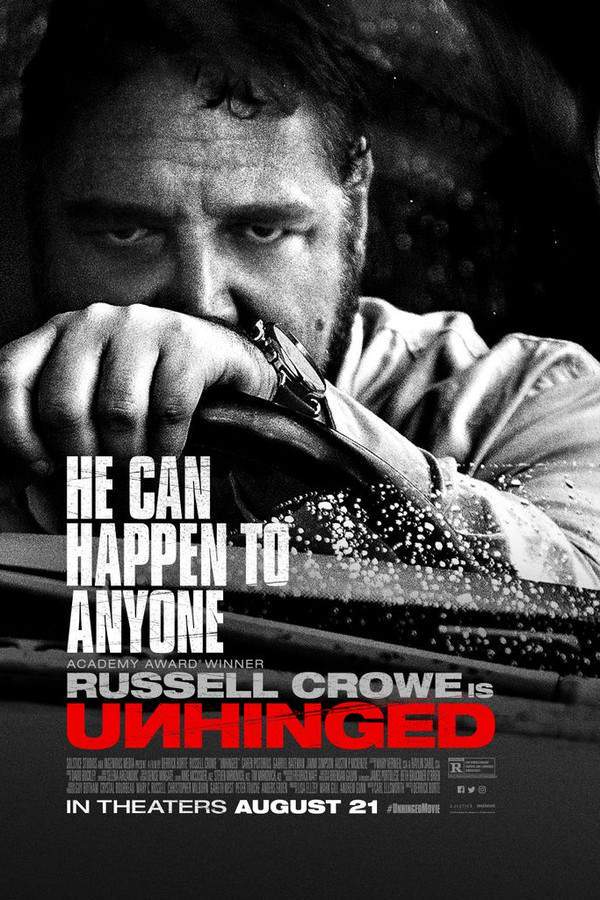
Movies with an Unhinged Protagonist Power Play like The Man Who Stole the Sun

Movies where a single, obsessive individual holds society hostage. If you enjoyed the tense dynamic of a lone wolf holding society hostage in The Man Who Stole the Sun, explore these movies featuring obsessive individuals who orchestrate high-stakes power plays. These films often blend crime thrillers, psychological dramas, and tense cat-and-mouse chases, focusing on the volatile mind of the antagonist-protagonist.

  • tense
  • paranoid
  • unhinged
  • anxious
  • chaotic
  • desperate
  • Tone: tense, paranoid, dark
  • Pacing: fast, escalating
Why these movies?

The story pattern: The narrative typically follows the meticulous planning and execution of the protagonist's scheme, which quickly spirals into a chaotic confrontation with authorities. The story is driven by the protagonist's deteriorating mental state and the mounting pressure on those trying to stop them, often leading to a destructive and morally ambiguous climax.

Why they belong together: These movies are grouped by their shared focus on a singular, obsessive character who wields immense power, creating a tense and paranoid atmosphere. They explore themes of alienation, megalomania, and the fragile nature of social order, providing a similar blend of psychological character study and high-anxiety thriller.
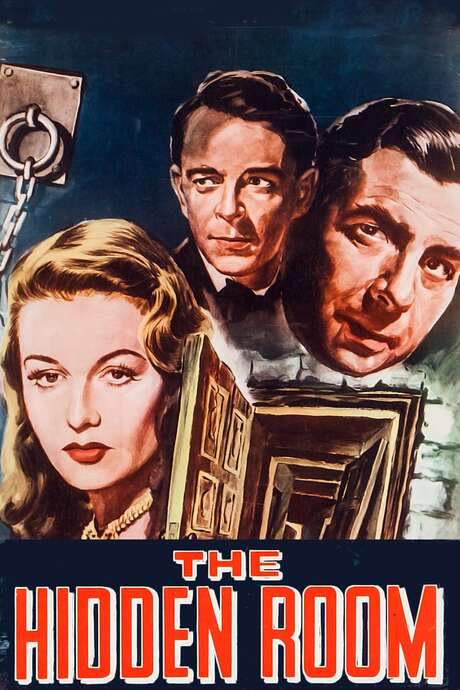
High-Stakes Public Spectacle Thrillers like The Man Who Stole the Sun

Thrillers where a criminal act becomes a dramatic public performance. Fans of The Man Who Stole the Sun will appreciate these movies where criminal acts are staged as public spectacles. If you like thrillers where the villain's goal is as much about making a statement as it is about extortion, and the climax plays out in a very public way, these films deliver a similar brand of tense, spectacle-driven suspense.

  • tense
  • anxious
  • public chaos
  • unsettling
  • desperate
  • race against time
  • Tone: tense, unsettling, chaotic
  • Pacing: fast, relentless
Why these movies?

The story pattern: The plot hinges on a brazen, public-facing crime that forces authorities to engage in a very visible and high-pressure response. The narrative structure is often a frantic chase, with the threat escalating in its public visibility, leading to a confrontation that is witnessed by or directly impacts the public, creating a sense of collective anxiety.

Why they belong together: This thread connects films that share a specific tone of public anxiety and a plot structure centered on spectacle. The similarity lies in the experience of watching a threat unfold not in the shadows, but in the full view of society, amplifying the tension and stakes for both the characters and the audience.

If you liked this

Movies Like The Man Who Stole the Sun

Similar movies to The Man Who Stole the Sun: the same genre, themes or kind of story. Each one comes with its own plot summary, timeline and ending explained.

Browse all movie summaries

Every angle

The Man Who Stole the Sun (1979) Explained: Plot, Timeline & Characters

Everything about The Man Who Stole the Sun in one place: what happens in the plot summary, the timeline in chronological order, the characters and meaning and a spoiler-free summary. What's After the Movie adds the cast, box office and post-credit scenes.

Coming soon on iOS and Android

The Plot Explained Movie Summary App

Plot summaries, endings explained and timelines on your phone. Catch up on any movie in minutes, save your favorites and never miss a twist again.

Be the first to know when we launch. Your email stays private, always.

Learn more about the app