Plot Explained Spoilers guaranteed!
Plot Explained

Browse by genre

The Man Who Never Was (1956) movie poster

Characters & Themes

The Man Who Never Was (1956) Characters, Setting & Themes Explained

Release, runtime and language
1956 · 103 mins · English
Directed by
Ronald Neame
Starring
Peter Sellers, Geoffrey Keen, Everley Gregg, Michael Hordern, Gloria Grahame, Cyril Cusack

The story follows a British deception in 1943 aimed at weakening German defenses of Sicily before the Allied invasion. A dead soldier is dressed as a British officer, given forged papers suggesting an Allied landing in Greece, and his body is set adrift. The papers wash ashore, are seized by German intelligence, and the ruse misleads them.

On this page (7)
  1. 1 Characters explained (5)
  2. 2 Where & when it takes place
  3. 3 Themes & meaning (3)
  4. 4 Character & meaning questions
  5. 5 Movie threads
  6. 6 Movies like The Man Who Never Was
  7. 7 Every angle

5 main characters · contains spoilers

The Man Who Never Was Characters Explained: Who Is Who

The main characters of The Man Who Never Was (1956), heroes and villains: what drives them, how they change over the course of the story and what each of them reveals about the film's bigger ideas.

  • Lt. Cmdr. Ewen Montagu (Clifton Webb)

    The brilliant planner and driving force behind Operation Mincemeat, Montagu orchestrates the deception with steady resolve and meticulous attention to detail. He navigates bureaucratic skepticism to secure crucial approval and leads the effort from behind the scenes. His calm leadership under pressure shapes the outcome of the mission.

    • 🎯 Strategy
    • 🕵️ Espionage
    • 🤝 Leadership
  • Lucy Sherwood (Gloria Grahame)

    Lucy is presented as the intended fiancée of the non-existent Major Martin, whose apparent grief becomes a tool to test the deception. Her genuine emotions help sell the cover story to observers and enemies alike. She becomes a focal point in the investigation that validates the ruse.

    • 💼 Cover Identity
    • 🕵️ Investigation
    • 💬 Emotional Struggle
  • Pam (Josephine Griffin)

    Pam serves as Montagu's capable assistant and the flatmate of Lucy, helping manage the operational logistics behind the deception. She provides practical support and keeps the scheme organized under pressure. Her involvement highlights the collaborative, behind-the-scenes nature of wartime intelligence work.

    • 🧭 Support
    • 🎯 Liaison
    • 🧠 Resourcefulness
  • Patrick O'Reilly (Stephen Boyd)

    An Irish spy sent by German intelligence to scrutinize the Martin deception, O'Reilly acts as the counterpoint to Montagu's plan. He uses subterfuge and probing questions to test the credibility of the cover story, making his discovery potential a constant threat to the operation. His interrogation ultimately pushes the narrative toward its dramatic test of authenticity.

    • 🕵️ Espionage
    • 🎯 Infiltration
  • Winston Churchill (voice)

    played by Peter Sellers

    The wartime leader who approves the audacious scheme, Churchill's backing gives the operation its legitimacy and momentum. His decisions weave into the strategic tapestry that redirects German forces. The character embodies the high-stakes political support essential for clandestine military actions.

    • 🧭 Leadership
    • 🎖️ War Leader

Last updated: October 04, 2025 at 14:45

Was this helpful?

Setting

Where and When Does The Man Who Never Was Take Place?

The setting of The Man Who Never Was (1956): the year and time period, the places and locations, and how they shape the characters, the mood and the tension of the story.

Time period

1943

Set during World War II, the narrative centers on a pivotal year when Allied deception operations weave into the larger campaigns in the Mediterranean. The planning, approvals, and execution unfold under the pressure of imminent invasions. The period is marked by high-stakes intelligence work and rapid, secretive decision-making.

Location

Atlantic coast of Spain, London, Greece, Sicily

The action unfolds along the Atlantic coast of Spain where the fake corpse is disposed, and in London where the deception is planned and managed. The story also brushes against the broader theatres of Greece and Sicily as the ruse influences Axis troop movements. These locations anchor the film's wartime espionage drama in real-world strategic theaters.

  • 🌍 Europe
  • 🕰️ WWII

Last updated: October 04, 2025 at 14:45

Was this helpful?

3 major themes

The Man Who Never Was Meaning: Themes & Message Explained

What is The Man Who Never Was (1956) really about? The emotional, social and philosophical themes the film keeps returning to, its symbolism and the message beneath the surface.

  • Deception

    Operation Mincemeat hinges on a daring ruse designed to fool Nazi intelligence. The plan relies on convincing authenticity, from a deceased body to forged documents and carefully staged evidence. The film explores how trust, misdirection, and meticulous detail can alter the course of war. Its success demonstrates how deception can become a decisive strategic weapon.

  • Strategy

    Strategic misdirection drives the plot, showing how intelligence and counterintelligence shape battlefield outcomes. The German decision to redeploy forces based on the false invasion plan illustrates the power of well-crafted information. The operation highlights collaboration across military, political, and intelligence organs to influence real-world campaigns.

  • Ethics

    The deception raises difficult moral questions about wartime necessity versus personal cost. Using a real-life bereaved family, manipulating relationships, and risking lives tests the limits of what is acceptable in service of a greater good. The film examines the emotional toll on those involved and the quiet sacrifices behind grand strategic moves.

Last updated: October 04, 2025 at 14:45

Was this helpful?

Character & theme questions

The Man Who Never Was Characters & Meaning: Your Questions Answered

The questions people ask about The Man Who Never Was (1956): who the characters really are, their relationships, what the symbols mean, where it takes place and what the movie is really about. Each answer contains spoilers.

Q1

Where is the story set?

The film takes place across several key locations during WWII: London, where the deception is planned; the Atlantic coast of Spain, where the body is disposed; and the broader Mediterranean theaters of Greece and Sicily, which are the focal points of the strategic deception.

  • london
  • spain
  • mediterranean
  • ww2 locations
Q2

What year is the story set in?

The movie is set in 1943, during World War II, at a critical moment when Allied forces were planning the invasion of Sicily. This timing places the film in the midst of high-stakes Mediterranean campaigns.

  • 1943
  • ww2
  • world war 2
  • year
  • sicily invasion
Q3

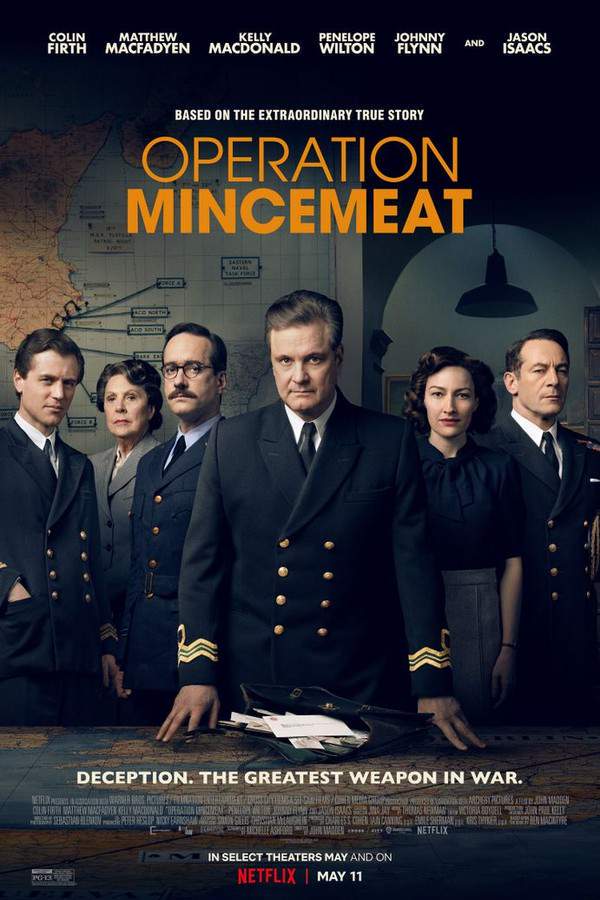
What is Operation Mincemeat?

Operation Mincemeat was a British deception operation in 1943, based on a real WWII ruse. It involved planting forged documents on a dead soldier dressed as a British officer, suggesting an Allied invasion of Greece rather than Sicily, to mislead German forces.

  • operation mincemeat
  • deception
  • forged documents
  • ww2 operation
Q4

What does the movie say about deception?

The film explores how meticulous deception can become a decisive strategic weapon. By creating a convincing fake, including a dead body, forged papers, and staged evidence, British intelligence successfully fool Nazi Germany, demonstrating that trust, misdirection, and detail can alter the course of war.

  • deception
  • mind games
  • ww2 espionage
  • fake documents
Q5

How does the movie explore military strategy?

The film illustrates how intelligence and counterintelligence shape battlefield outcomes. The German decision to redeploy forces based on the false invasion plan shows the power of well-crafted information, highlighting collaboration across military, political, and intelligence agencies.

  • strategy
  • military tactics
  • intelligence
  • counterintelligence
  • axis forces
Q6

What ethical questions does the movie raise?

The deception raises difficult questions about wartime necessity versus personal cost. Using a real grieving family, manipulating relationships, and risking lives tests the limits of what is acceptable for a greater good, examining the emotional toll on those involved.

  • ethics
  • moral dilemma
  • wartime
  • emotional cost
  • sacrifice
Q7

Who is Ewen Montagu in the story?

Lieutenant Commander Ewen Montagu is the brilliant planner behind the deception operation. He orchestrates the ruse with meticulous attention to detail, navigating bureaucratic skepticism to secure approval and leading the effort from behind the scenes with calm leadership.

  • ewen montagu
  • planner
  • intelligence officer
  • operation mincemeat
Q8

Who is Lucy Sherwood?

Lucy Sherwood is portrayed as the fictional fiancée of the non-existent Major Martin. Her genuine emotions become a tool to sell the cover story to observers and enemies alike, and she becomes central to the investigation that validates the ruse.

  • lucy sherwood
  • fiancee
  • cover story
  • operation mincemeat
Q9

Who is Patrick O'Reilly?

Patrick O'Reilly is an Irish spy working for German intelligence, sent to scrutinize the Martin deception. He uses probing questions and subterfuge to test the credibility of the cover story, and his investigation creates constant tension as a potential threat to the operation.

  • patrick oreilly
  • german spy
  • investigation
  • counterintelligence
Q10

What role does Winston Churchill play?

Winston Churchill provides the crucial political approval for the audacious deception scheme. His backing gives the operation legitimacy and momentum, embodying the high-stakes political support essential for clandestine military actions.

  • winston churchill
  • prime minister
  • approval
  • political support
Q11

Who is Pam in the movie?

Pam is Montagu's capable assistant and Lucy Sherwood's flatmate. She helps manage the operational logistics behind the deception, providing practical support and keeping the scheme organized under pressure, highlighting the collaborative nature of wartime intelligence work.

  • pam
  • assistant
  • intelligence team
  • logistics
Q12

Why does the ending feel bittersweet?

The ending is bittersweet because while the successful deception shortens the war and saves lives, a clear victory, it is commemorated with a quiet, somber tribute at the grave of the fabricated soldier, acknowledging the melancholic foundation of the operation built on deception and loss.

  • ending
  • victory
  • sacrifice
  • commemoration

Movie threads

More Movies Like The Man Who Never Was, by Mood & Story

Curated lists built around what makes The Man Who Never Was tick: the same mood, the same kind of story or the same emotional payoff. Each list explains why these movies belong together.

Military Deception Stories like The Man Who Never Was

Stories where clever plans and careful deception win wars from the shadows. If you enjoyed the clever strategy of The Man Who Never Was, explore other movies about high-stakes military ruses and intelligence operations. These films share a focus on meticulous planning, psychological warfare, and stories where brains triumph over brawn.

  • tense
  • cerebral
  • devious
  • meticulous
  • somber
  • suspenseful
  • Tone: tense, cerebral, somber
  • Pacing: steady, methodical
Why these movies?

The story pattern: Narratives in this thread typically follow the careful orchestration of a complex deception, from conception to execution. The tension arises from the constant risk of exposure, often involving a cat-and-mouse game with an intelligent adversary. The climax is the quiet, strategic success of the plan.

Why they belong together: Movies are grouped here for their shared focus on intellectual warfare, meticulous procedural details, and the tension of a high-stakes gamble. They appeal to viewers who enjoy seeing complex plans unfold and appreciate stories where strategy is the true hero.
Bitterswart Victory Movies like The Man Who Never Was

Journeys where victory is achieved, but at a personal or moral cost that lingers. Fans of the poignant ending of The Man Who Never Was will appreciate these films about triumphs that carry a cost. Discover similar movies where success is achieved, but the journey leaves emotional scars or a somber reflection on the price paid.

  • bittersweet
  • somber
  • melancholic
  • quietly triumphant
  • reflective
  • poignant
  • Tone: bittersweet, somber, melancholic
  • Pacing: steady, reflective
Why these movies?

The story pattern: The emotional journey in these films involves achieving a crucial goal, but the path to success is paved with personal sacrifice, ethical compromises, or collateral damage. The ending acknowledges the win but spends equal time mourning the losses, creating a deeply resonant and thoughtful conclusion.

Why they belong together: These films are united by their balanced emotional payload, blending the satisfaction of a goal accomplished with the sobering weight of its cost. They resonate with viewers who appreciate narratives that don't shy away from the complex, often sad, realities of difficult choices.

If you liked this

Movies Like The Man Who Never Was

Similar movies to The Man Who Never Was: the same genre, themes or kind of story. Each one comes with its own plot summary, timeline and ending explained.

Browse all movie summaries

Every angle

The Man Who Never Was (1956) Explained: Plot, Timeline & Characters

Everything about The Man Who Never Was in one place: what happens in the plot summary, the timeline in chronological order, the characters and meaning and a spoiler-free summary. What's After the Movie adds the cast, box office and post-credit scenes.

Coming soon on iOS and Android

The Plot Explained Movie Summary App

Plot summaries, endings explained and timelines on your phone. Catch up on any movie in minutes, save your favorites and never miss a twist again.

Be the first to know when we launch. Your email stays private, always.

Learn more about the app