Year: 1970
Runtime: 108 mins
Language: English
Director: Frank Pierson
“Why do we listen to them? Why do we fight their wars for them?” When a Polish sailor deserts his ship in Britain, local intelligence officers place him under surveillance. They soon enlist him to infiltrate a missile installation outside East Berlin, hoping he can smuggle photographs of the newly‑installed rockets and reveal the covert arms buildup behind the Iron Curtain.
Warning: spoilers below!
Haven’t seen The Looking Glass War yet? This summary contains major spoilers. Bookmark the page, watch the movie, and come back for the full breakdown. If you're ready, scroll on and relive the story!
Explore the full timeline and setting of The Looking Glass War (1970). Follow every major event in chronological order and see how the environment shapes the story, characters, and dramatic tension.
Last Updated: October 04, 2025 at 15:02
Meet the key characters of The Looking Glass War (1970), with detailed profiles, motivations, and roles in the plot. Understand their emotional journeys and what they reveal about the film’s deeper themes.
Last Updated: October 04, 2025 at 15:02
Explore the central themes of The Looking Glass War (1970), from psychological, social, and emotional dimensions to philosophical messages. Understand what the film is really saying beneath the surface.
Last Updated: October 04, 2025 at 15:02
Discover curated groups of movies connected by mood, themes, and story style. Browse collections built around emotion, atmosphere, and narrative focus to easily find films that match what you feel like watching right now.
Gritty spy stories where cynical institutions betray their expendable pawns.Explore movies like The Looking Glass War that delve into the dark side of espionage during the Cold War. These similar thrillers feature cynical agencies, morally ambiguous characters, and often tragic, bleak endings that question the very purpose of the conflict.
This narrative pattern follows an operative, often an unwilling or naive recruit, through a high-stakes mission that is revealed to be a sham or a deliberate sacrifice. The journey is one of disillusionment, where the character's initial purpose is systematically dismantled, culminating in a conclusion that underscores the cold, impersonal machinery of state power.
Movies in this thread are grouped by their shared focus on the psychological and moral decay inherent in Cold War spy games. They share a dark, somber tone, a steady pacing that builds to an inevitable downfall, and a heavy emotional weight derived from themes of betrayal and expendability.
Stories where a meticulously built lie leads to an inescapable, personal catastrophe.If you liked the methodical unraveling and heartbreaking betrayal in The Looking Glass War, discover similar movies about tragic deception. These films feature a steady pace, high emotional stakes, and protagonists whose trust is exploited, resulting in a profoundly bleak and impactful ending.
The plot revolves around a central ruse that the protagonist believes in. The story methodically follows the execution of this deception, creating a sense of dread as the audience, and sometimes the character, pieces together the truth. The emotional journey is one of hope turning to disillusionment and ending in irreversible loss.
This thread connects films through their shared structure of a slow-building, institutionally-backed deception that destroys an individual. They are united by a steady pacing that amplifies tension, a dark tone, a high emotional weight stemming from personal tragedy, and a ultimately bleak outlook on human nature and power.
Don't stop at just watching — explore The Looking Glass War in full detail. From the complete plot summary and scene-by-scene timeline to character breakdowns, thematic analysis, and a deep dive into the ending — every page helps you truly understand what The Looking Glass War is all about. Plus, discover what's next after the movie.
Read a complete plot summary of The Looking Glass War, including all key story points, character arcs, and turning points. This in-depth recap is ideal for understanding the narrative structure or reviewing what happened in the movie.
Track the full timeline of The Looking Glass War with every major event arranged chronologically. Perfect for decoding non-linear storytelling, flashbacks, or parallel narratives with a clear scene-by-scene breakdown.
Get a quick, spoiler-free overview of The Looking Glass War that covers the main plot points and key details without revealing any major twists or spoilers. Perfect for those who want to know what to expect before diving in.
Visit What's After the Movie to explore more about The Looking Glass War: box office results, cast and crew info, production details, post-credit scenes, and external links — all in one place for movie fans and researchers.
Discover movies like The Looking Glass War that share similar genres, themes, and storytelling elements. Whether you’re drawn to the atmosphere, character arcs, or plot structure, these curated recommendations will help you explore more films you’ll love.
The Looking Glass War (1970) Plot Summary & Movie Recap
The Looking Glass War (1970) Scene-by-Scene Movie Timeline
The Looking Glass War (1970) Spoiler-Free Summary & Key Flow
Movies Like The Looking Glass War – Similar Titles You’ll Enjoy
Enigma (2002) Complete Plot Breakdown
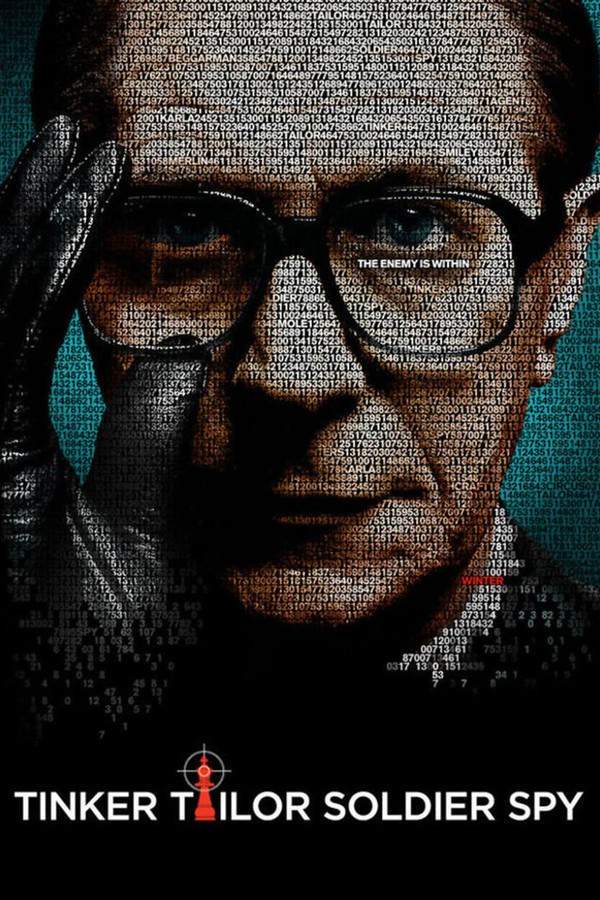
Tinker Tailor Soldier Spy (2011) Detailed Story Recap
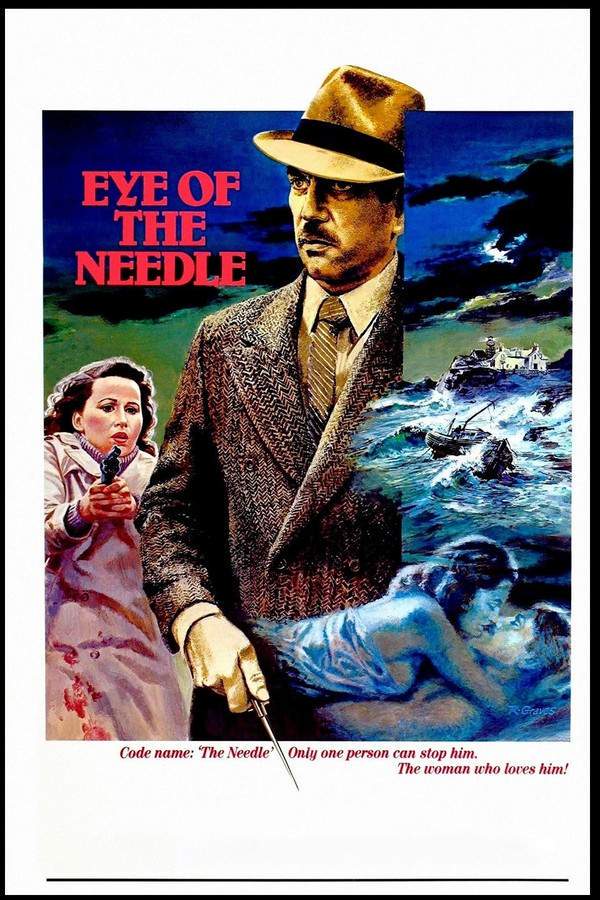
Eye of the Needle (1981) Full Summary & Key Details
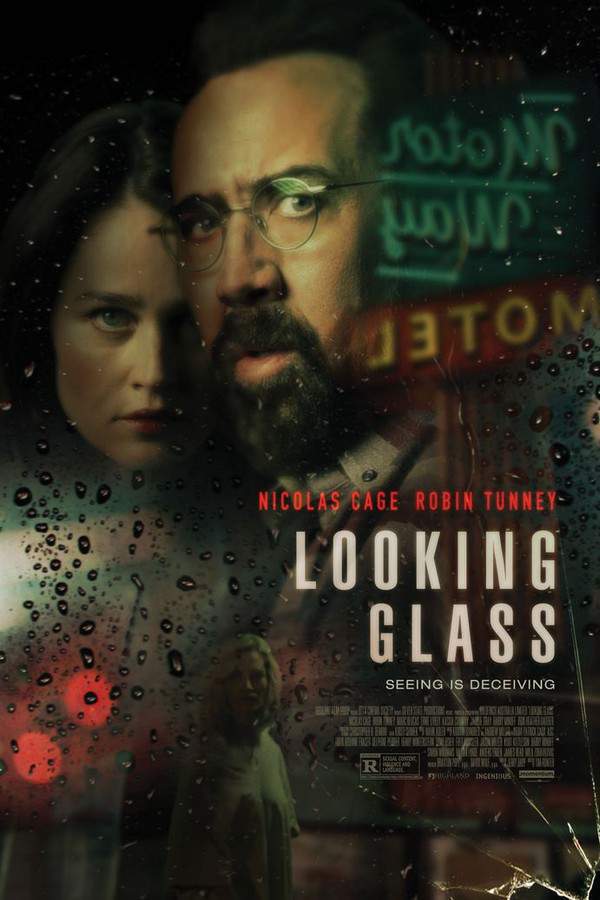
Looking Glass (2018) Story Summary & Characters
Mirror Wars: Reflection One (2005) Detailed Story Recap
Countdown to Looking Glass (1984) Complete Plot Breakdown
The Glass Wall (1953) Movie Recap & Themes
The Glass Cell (1978) Detailed Story Recap
For Eyes Only (1963) Spoiler-Packed Plot Recap
The Defector (1966) Full Summary & Key Details
The Traitor (1957) Plot Summary & Ending Explained
Appointment in Berlin (1943) Full Movie Breakdown
The Spy Who Came In from the Cold (1965) Detailed Story Recap
The Man Between (1953) Story Summary & Characters
The Glass Agency (1998) Plot Summary & Ending Explained