Plot Explained Spoilers guaranteed!
Plot Explained

Browse by genre

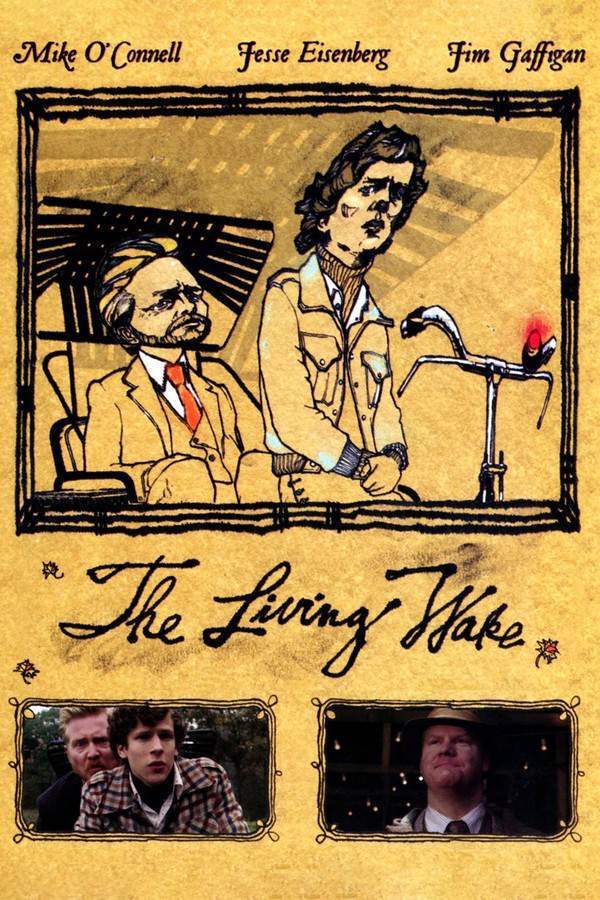
The Living Wake (2010) movie poster

Characters & Themes

The Living Wake (2010) Characters, Setting & Themes Explained

Release, runtime and language
2010 · 91 min · English
Loading streaming availability…
Directed by
Sol Tryon

Facing his mortality with unusual flair, eccentric K. Roth Binew stages a "Living Wake," a performance piece inviting his community to celebrate his impending death. He hopes this elaborate event will secure his place as a significant historical figure. The film blends humor and heartfelt moments as it explores profound questions about life, legacy, and the search for meaning in the face of death.

On this page (7)
  1. 1 Where to watch
  2. 2 Characters explained (5)
  3. 3 Where & when it takes place
  4. 4 Themes & meaning (3)
  5. 5 Character & meaning questions
  6. 6 Movie threads
  7. 7 Every angle
Loading streaming availability…

5 main characters · contains spoilers

The Living Wake Characters Explained: Who Is Who

The main characters of The Living Wake (2010), heroes and villains: what drives them, how they change over the course of the story and what each of them reveals about the film's bigger ideas.

  • K. Roth Binew

    K. Roth Binew is a self-styled visionary faced with the reality of terminal illness. His quirky personality drives him to seek understanding and meaning amidst a backdrop of existential dread, leading to humorous and poignant encounters with those around him.

    • 👨‍🎤 Visionary
    • 😢 Vulnerability
  • Mills Joaquin

    Mills Joaquin is K. Roth's eclectic companion who shares in the absurd journey of planning the wake. He provides both comic relief and emotional support, embodying a loyal friend who seeks to navigate the chaos of life alongside K. Roth.

    • 🤪 Quirky
    • 🎤 Supportive
  • Reginald

    Reginald serves as both adversary and ally, highlighting the complexities of human relationships. His interactions with K. Roth provide insight into themes of rivalry and the search for meaning in connection.

    • 😏 Rival
    • 🔄 Complex
  • Karl

    Karl, K. Roth's brother, undergoes a transformation from reluctance to reconciliation, showcasing the power of familial bonds. His character arc illustrates healing and the importance of connection amidst grief.

    • 👨‍👦 Family
    • 💪 Healing
  • Lampert Binew

    Lampert Binew, K. Roth's father, appears as a ghostly figure embodying unresolved issues from the past. His presence facilitates K. Roth's journey toward acceptance, as he imparts the wisdom of living fully despite previous abandonment.

    • 👻 Haunting
    • 🌌 Wisdom

Last updated: October 22, 2024 at 22:45

Was this helpful?

Setting

Where and When Does The Living Wake Take Place?

The setting of The Living Wake (2010): the year and time period, the places and locations, and how they shape the characters, the mood and the tension of the story.

Time period

The film is set in a contemporary timeline, addressing themes of mortality and existential reflection that resonate universally. It captures the essence of a life reflecting back on its own impending end, highlighting the quest for meaning in everyday experiences.

Location

Local Church, Liquorsmith

The local church serves as a pivotal location for family reconciliation and emotional healing, where K. Roth reconnects with his family. The liquorsmith is a place of fleeting joy and camaraderie, where K. Roth and Mills seek solace in spirits while navigating the absurdities of life.

  • 🏛️ Church
  • 🍷 Distillery

Last updated: October 22, 2024 at 22:45

Was this helpful?

3 major themes

The Living Wake Meaning: Themes & Message Explained

What is The Living Wake (2010) really about? The emotional, social and philosophical themes the film keeps returning to, its symbolism and the message beneath the surface.

  • Mortality

    Mortality is the central theme of the film, as K. Roth grapples with his terminal illness while preparing for his wake. The story invites reflection on the nature of life and death, leading to deeper insights about living fully in the face of inevitable end.

  • Self-Discovery

    K. Roth's journey is one of profound self-discovery, where he seeks to unravel the mysteries of his existence. Through interactions with family and friends, he confronts his inner fears and desires, ultimately striving for reconciliation and understanding of his father's legacy.

  • Reconciliation

    The theme of reconciliation weaves throughout the narrative, culminating in K. Roth's emotional reunion with his family. This moment highlights the importance of familial bonds and forgiveness as part of the human experience, even against the backdrop of death.

Last updated: October 22, 2024 at 22:45

Was this helpful?

Character & theme questions

The Living Wake Characters & Meaning: Your Questions Answered

The questions people ask about The Living Wake (2010): who the characters really are, their relationships, what the symbols mean, where it takes place and what the movie is really about. Each answer contains spoilers.

Q1

Where is The Living Wake set?

The film takes place in a contemporary setting, primarily centered around two key locations: a local church and a liquorsmith. The church serves as a pivotal location for family reconciliation and emotional healing, where K. Roth reconnects with his family. The liquorsmith functions as a place of fleeting joy and camaraderie, where K. Roth and his companion Mills seek solace while navigating life's absurdities.

  • setting
  • liquorsmith
  • church
  • locations
Q2

What time period is the film set in?

The film is set in a contemporary timeline, allowing it to address themes of mortality and existential reflection that resonate universally with modern audiences. This present-day setting helps ground the story's philosophical questions about life, death, and legacy in relatable, everyday experiences.

  • contemporary
  • modern
  • time period
  • era
Q3

What are the main themes of the movie?

The Living Wake explores three interconnected themes. Mortality is the central theme, with K. Roth grappling with his terminal illness while preparing for his wake. Self-discovery drives K. Roth's journey as he confronts his fears and seeks understanding of his existence. Reconciliation weaves throughout the narrative, culminating in his emotional reunion with family, highlighting the importance of forgiveness and familial bonds.

  • mortality
  • self-discovery
  • reconciliation
  • themes
  • meaning
Q4

What does the film say about mortality?

The film presents mortality as a catalyst for living fully rather than merely accepting death. K. Roth's decision to stage a living wake transforms his impending death into a performance that celebrates life and seeks historical significance. The story invites viewers to reflect on how confronting death can lead to deeper insights about living meaningfully.

  • death
  • life
  • mortality
  • meaning
  • terminal illness
Q5

Who is K. Roth Binew?

K. Roth Binew is the film's eccentric protagonist, a self-styled visionary facing terminal illness. His quirky personality drives him to seek understanding and meaning amidst existential dread. Rather than accepting his fate quietly, he chooses to create an elaborate living wake as a performance piece, hoping to secure his place as a historically significant figure.

  • protagonist
  • k roth binew
  • character
  • visionary
Q6

Who is Mills Joaquin?

Mills Joaquin is K. Roth's eclectic companion who joins him on the absurd journey of planning the living wake. He provides both comic relief and emotional support, embodying the role of a loyal friend who navigates life's chaos alongside K. Roth, offering presence and understanding during the protagonist's final days.

  • mills joaquin
  • friend
  • companion
  • support
Q7

What is K. Roth's relationship with his father like?

K. Roth's relationship with his father Lampert Binew is central to his journey of reconciliation. Lampert appears as a ghostly figure representing unresolved issues from the past, including abandonment. Through this spectral presence, K. Ross confronts his father's legacy and ultimately seeks acceptance, gaining wisdom about living fully despite past hurts.

  • lampert binew
  • father
  • family
  • ghost
  • reconciliation
Q8

What does the church represent in the story?

The local church represents a space of family reconciliation and emotional healing within the narrative. It is where K. Roth reconnects with his family, particularly his brother Karl, allowing for the emotional reunion that marks a turning point in his journey toward acceptance and forgiveness.

  • church
  • reconciliation
  • family
  • healing
  • setting
Q9

What does the liquorsmith symbolize?

The liquorsmith symbolizes a place of temporary joy and human connection amid life's difficulties. It serves as a refuge where K. Roth and Mills find camaraderie and solace, using humor and spirits to navigate the absurdities of life while confronting serious themes of mortality.

  • liquorsmith
  • solace
  • joy
  • companionship
  • setting
Q10

Is The Living Wake a comedy or drama?

The Living Wake is classified as a comedy genre, though it blends comedic and dramatic elements. The film maintains a bittersweet tone, mixing whimsical humor with profound questions about life and death. Despite its heavy subject matter, the execution stays grounded in the protagonist's eccentric and often humorous perspective.

  • comedy
  • drama
  • genre
  • tone
  • bittersweet
Q11

What does a living wake mean?

A living wake is a performance piece where the dying person hosts their own funeral celebration while still alive. In the film, K. Roth stages this elaborate event as a way to bid farewell to his community, celebrate his life on his own terms, and attempt to secure historical significance through this unconventional final act.

  • living wake
  • funeral
  • celebration
  • performance
  • tradition
Q12

What is the tone of the film?

The film has a bittersweet tone, blending the inherent sadness of terminal illness with whimsical humor and a hopeful search for meaning. The intensity remains medium because while death is a heavy subject, the protagonist's eccentric perspective provides emotional breathing room, creating a balanced mix of comedy and pathos.

  • tone
  • bittersweet
  • mood
  • humor
  • emotional

Movie threads

More Movies Like The Living Wake, by Mood & Story

Curated lists built around what makes The Living Wake tick: the same mood, the same kind of story or the same emotional payoff. Each list explains why these movies belong together.

Quirky movies about mortality like The Living Wake

Humor and heart blend in eccentric stories about life's final chapter. If you liked The Living Wake's blend of humor and heartfelt reflection, you'll appreciate these movies. This collection features comedies and dramas that tackle themes of death and legacy with a similarly eccentric, thoughtful, and bittersweet touch.

  • quirky
  • melancholic
  • thoughtful
  • absurd
  • heartfelt
  • reflective
  • Tone: bittersweet, whimsical
  • Pacing: steady, character-focused
Why these movies?

The story pattern: Stories in this thread often follow eccentric protagonists facing their own mortality, leading to a journey of self-discovery and reconciliation. The narrative balances philosophical questions with comedic misadventures, building towards an ending that embraces both the sadness of loss and the celebration of a life lived uniquely.

Why they belong together: These films are grouped by their shared ability to find humor and beauty in death, creating a bittersweet tone. They feature steady pacing, medium emotional intensity, and a central focus on the meaning of life and legacy through a quirky, character-driven lens.

Movies about eccentric artists like in The Living Wake

Stories of unconventional creators seeking meaning and legacy through their art. Fans of the artistic, performative protagonist in The Living Wake will enjoy these films. Discover stories of unconventional creators on heartfelt journeys for meaning, legacy, and reconciliation, all told with a similar mix of humor and sincerity.

  • quirky
  • heartfelt
  • reflective
  • artistic
  • eccentric
  • thoughtful
  • Tone: heartfelt, reflective
  • Pacing: steady, contemplative
Why these movies?

The story pattern: The narrative centers on an artist or performer whose grand, often misunderstood, vision drives the plot. Their journey involves a final project or performance intended to cement their legacy, frequently exploring themes of father-son relationships, failed romance, and existential crisis, leading to a moment of reconciliation or acceptance.

Why they belong together: These movies share a focus on eccentric, performance-driven characters whose search for meaning is the core of the story. They create a specific vibe through their blend of artistic ambition, heartfelt emotion, and a steady, reflective pacing that allows for character depth.

Every angle

The Living Wake (2010) Explained: Plot, Timeline & Characters

Everything about The Living Wake in one place: what happens in the plot summary, the timeline in chronological order, the characters and meaning and a spoiler-free summary. What's After the Movie adds the cast, box office and post-credit scenes.

Coming soon on iOS and Android

The Plot Explained Movie Summary App

Plot summaries, endings explained and timelines on your phone. Catch up on any movie in minutes, save your favorites and never miss a twist again.

Be the first to know when we launch. Your email stays private, always.

Learn more about the app