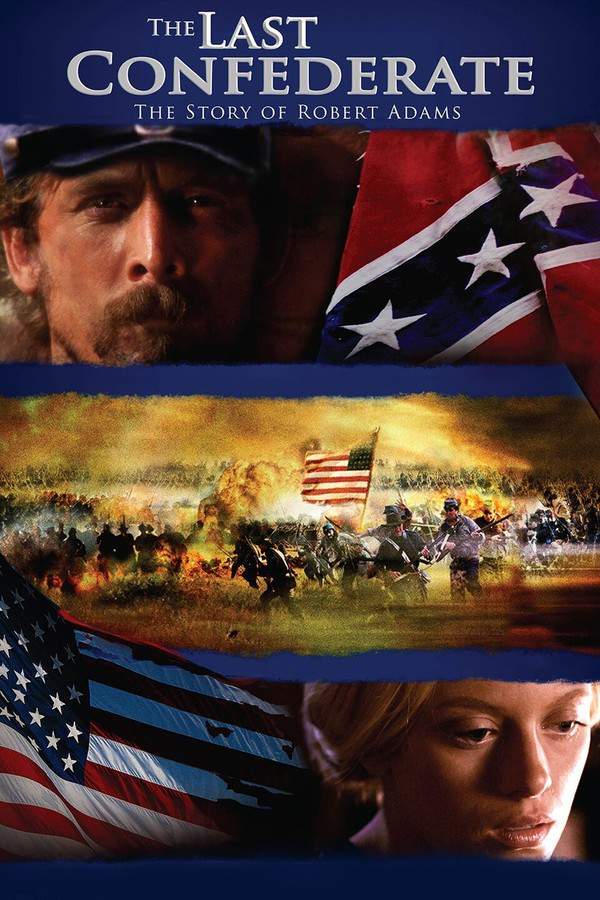
The Last Confederate: The Story of Robert Adams
Year: 2007
Runtime: 96 min
Language: English
Directors: A. Blaine Miller, Julian Adams
During the American Civil War, Captain Robert Adams struggles with divided loyalties as the conflict engulfs the Confederacy. His life is complicated by a passionate love for Eveline, a lively governess from Pennsylvania. Her presence in South Carolina ignites a series of events that challenge their relationship amidst the backdrop of familial duty and the harsh realities of war, forcing them to confront difficult choices.
Warning: spoilers below!
Haven’t seen The Last Confederate: The Story of Robert Adams yet? This summary contains major spoilers. Bookmark the page, watch the movie, and come back for the full breakdown. If you're ready, scroll on and relive the story!
The Last Confederate: The Story of Robert Adams (2007) – Full Plot Summary & Ending Explained
Read the complete plot breakdown of The Last Confederate: The Story of Robert Adams (2007), including all key story events, major twists, and the ending explained in detail. Discover what really happened—and what it all means.
As the delicate petals of romance unfurl in antebellum South Carolina, Captain Robert Adams II (played by a dashing actor) becomes irrevocably enchanted with Eveline McCord (portrayed by a captivating actress), a governess from Pennsylvania who has come to reside with Governor James Hopkins Adams, Captain Robert’s first cousin. This courtship flourishes against a backdrop of upheaval, as the nation precariously teeters on the edge of civil war. Despite Eveline’s impassioned objections, Captain Robert’s allegiance to his country and his sense of duty ultimately thrust him into the perilous turmoil of conflict.
As the American Civil War escalates, Captain Adams’ odyssey takes a surprising twist. He becomes embroiled in battles throughout Virginia, ultimately leading to his capture and subsequent confinement within the confines of the Federal Military Prison in Elmira, New York. Meanwhile, Eveline’s existence transforms dramatically under the looming shadow of impending emancipation for those shackled by slavery.
Throughout this poignant film, a nuanced exploration of such a complex issue unravels, manifesting in poignant moments that highlight the tragic repercussions of slavery. One particularly stirring sequence depicts Captain Adams meeting an African American woman in the woods, her eyes swollen from grief as she mourns the loss of her child. Her heartfelt words, saturated with wisdom and sorrow, serve as a stark reminder to Captain Robert of the moral reckoning he has unwittingly set in motion. Another significant scene features Eveline engaging in a deeply moving conversation with Elizabeth about the uncertain future that awaits those who are soon to be liberated from bondage. These evocative vignettes underscore the film’s insightful contemplation of slavery, offering a profound reflection on the human costs entwined with this dark chapter of American history.
Last Updated: November 21, 2024 at 14:01

Explore Movie Threads
Discover curated groups of movies connected by mood, themes, and story style. Browse collections built around emotion, atmosphere, and narrative focus to easily find films that match what you feel like watching right now.
Bittersweet Historical Romances Amidst Conflict like in The Last Confederate: The Story of Robert Adams
Love stories tested by the moral and personal toll of war.If you enjoyed the romantic yet tragic love story in The Last Confederate, explore more movies like it. These films feature passionate relationships tested by war, where personal loyalty clashes with duty, often resulting in emotionally heavy and bittersweet endings. Find similar historical romance and war dramas here.
The White Countess
2005
Cold Mountain
2003
Remembrance
2011

The Silent Mountain
2014

The Crossing II
2015

The Crossing
2016

Closing the Ring
2007

Red Dust
1990

Plenty
1985

Born to Love
1931

Miracle in the Rain
1956

The Old Maid
1939
Homecoming
1948

The White Cliffs of Dover
1944

The Cranes Are Flying
1957
Narrative Summary
Stories in this thread typically follow a couple from different sides of a conflict whose love is forged and tested by the surrounding turmoil. The narrative arc involves separation, sacrifice, and difficult moral choices, with the romance serving as a poignant human counterpoint to the large-scale historical tragedy.
Why These Movies?
These movies are grouped by their shared focus on a central, doomed romance set within a weighty historical period. They blend the emotional intensity of a love story with the somber reflection on war, creating a specific, melancholic vibe that is both romantic and tragically reflective.
Movies about Moral Reckoning in War like The Last Confederate: The Story of Robert Adams
Personal journeys of duty, loyalty, and difficult choices during war.Viewers who appreciated the moral conflicts in The Last Confederate will find similar stories here. These films explore the heavy personal cost of war, focusing on characters grappling with divided loyalties, duty, and the ethical consequences of their actions. Discover more thoughtful and somber war dramas.

Yossi & Jagger
2003
The Last Confederate: The Story of Robert Adams
2007
Forsaken
2016
Waterloo Bridge
1940
Where Soldiers Come From
2011

Sgt. Will Gardner
2019

Cease Fire
1985

Gardens of Stone
1987

Hedd Wyn
1992
Born to Love
1931
Miracle in the Rain
1956

Rocky Mountain
1950

War Nurse
1930

Red Scarf
1964

A Farewell to Arms
1957
Narrative Summary
The narrative pattern revolves around a protagonist whose loyalties are tested by the war around them. The story is a steady, linear progression of escalating moral challenges, often involving imprisonment, sacrifice, and a final, bittersweet reckoning with the choices made, emphasizing character transformation over action.
Why These Movies?
These films are united by their sober exploration of conscience during national upheaval. They share a melancholic tone, steady pacing, and a straightforward narrative approach that prioritizes the emotional and ethical weight of the characters' journeys above spectacle or complex plotting.
Unlock the Full Story of The Last Confederate: The Story of Robert Adams
Don't stop at just watching — explore The Last Confederate: The Story of Robert Adams in full detail. From the complete plot summary and scene-by-scene timeline to character breakdowns, thematic analysis, and a deep dive into the ending — every page helps you truly understand what The Last Confederate: The Story of Robert Adams is all about. Plus, discover what's next after the movie.
The Last Confederate: The Story of Robert Adams Timeline
Track the full timeline of The Last Confederate: The Story of Robert Adams with every major event arranged chronologically. Perfect for decoding non-linear storytelling, flashbacks, or parallel narratives with a clear scene-by-scene breakdown.

Characters, Settings & Themes in The Last Confederate: The Story of Robert Adams
Discover the characters, locations, and core themes that shape The Last Confederate: The Story of Robert Adams. Get insights into symbolic elements, setting significance, and deeper narrative meaning — ideal for thematic analysis and movie breakdowns.

The Last Confederate: The Story of Robert Adams Spoiler-Free Summary
Get a quick, spoiler-free overview of The Last Confederate: The Story of Robert Adams that covers the main plot points and key details without revealing any major twists or spoilers. Perfect for those who want to know what to expect before diving in.

More About The Last Confederate: The Story of Robert Adams
Visit What's After the Movie to explore more about The Last Confederate: The Story of Robert Adams: box office results, cast and crew info, production details, post-credit scenes, and external links — all in one place for movie fans and researchers.

Similar Movies to The Last Confederate: The Story of Robert Adams
Discover movies like The Last Confederate: The Story of Robert Adams that share similar genres, themes, and storytelling elements. Whether you’re drawn to the atmosphere, character arcs, or plot structure, these curated recommendations will help you explore more films you’ll love.
Cold Mountain
2003
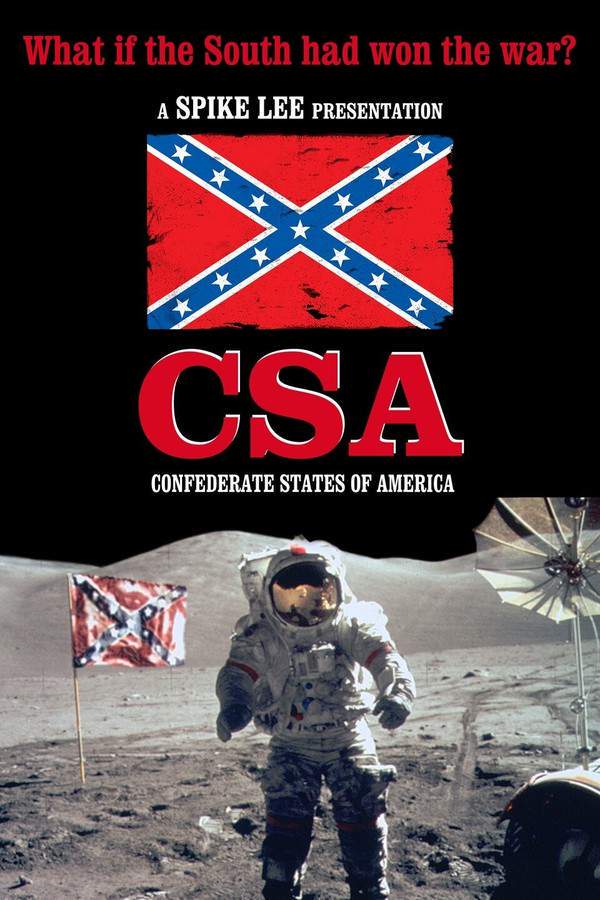
C.S.A.: The Confederate States of America
2006
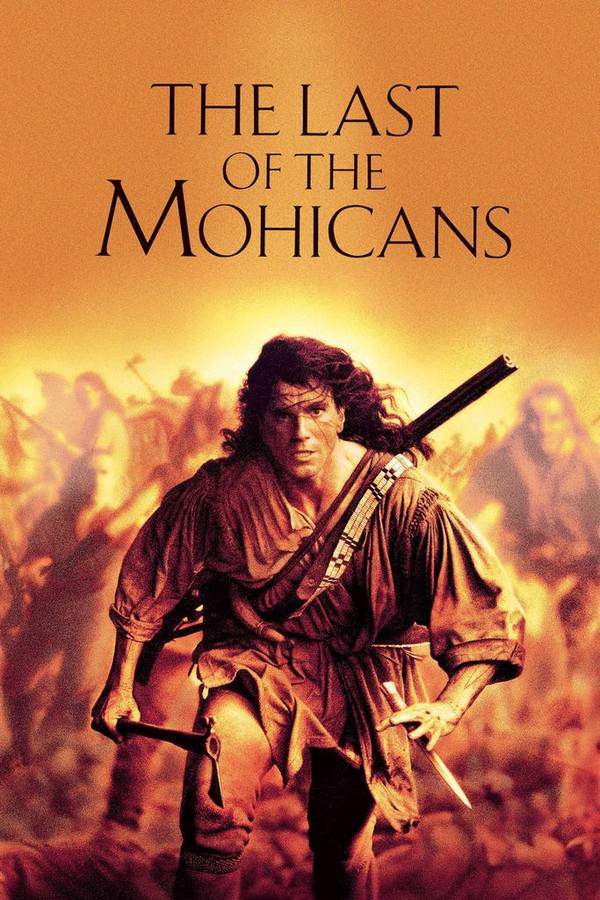
The Last of the Mohicans
1992
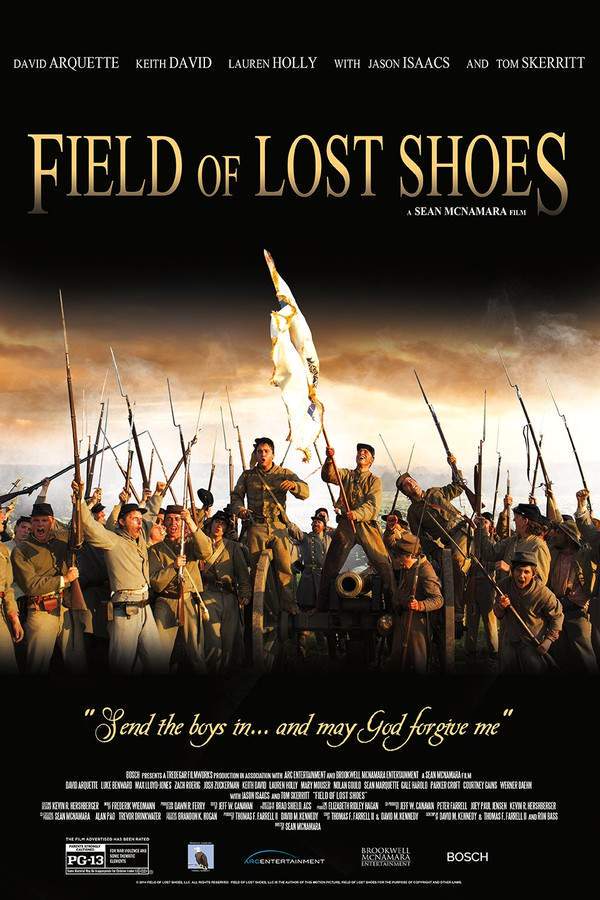
Field of Lost Shoes
2014
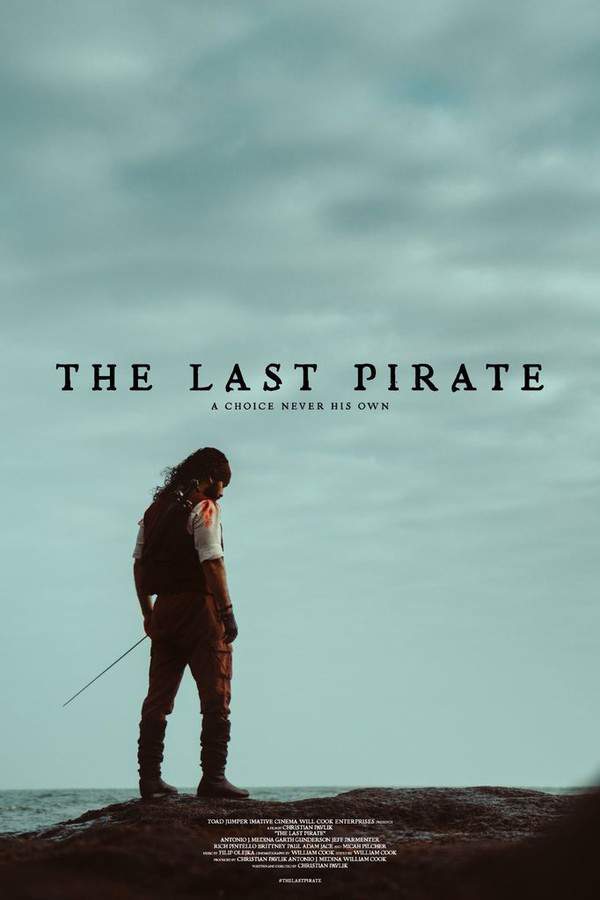
The Last
2019

The Battle
1911

The Confederate Ironclad
1912

The Last Frontier
1955

Major Dundee
1965

The Last Rebel
1971
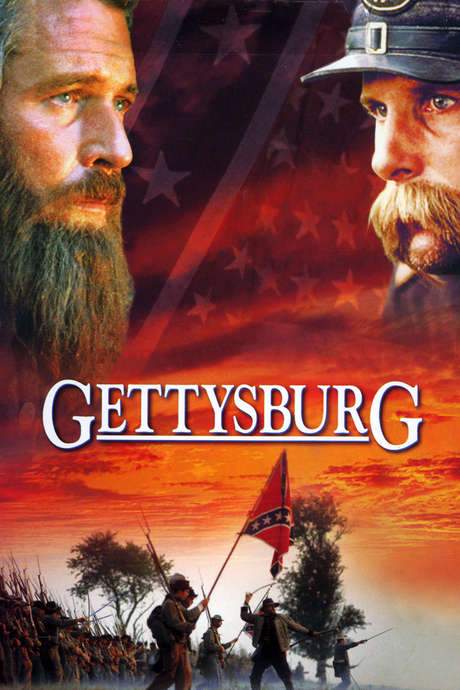
Gettysburg
1993

The Proud and Damned
1972

Last Stand at Saber River
1997

Only the Brave
1930

To the Last Man
1933
Explore More About Movie The Last Confederate: The Story of Robert Adams
The Last Confederate: The Story of Robert Adams (2007) Scene-by-Scene Movie Timeline
The Last Confederate: The Story of Robert Adams (2007) Movie Characters, Themes & Settings
The Last Confederate: The Story of Robert Adams (2007) Spoiler-Free Summary & Key Flow
Movies Like The Last Confederate: The Story of Robert Adams – Similar Titles You’ll Enjoy
Cold Mountain (2003) Film Overview & Timeline
C.S.A.: The Confederate States of America (2006) Film Overview & Timeline
The Last of the Mohicans (1992) Detailed Story Recap
Field of Lost Shoes (2014) Spoiler-Packed Plot Recap
The Last (2019) Story Summary & Characters
The Battle (1911) Detailed Story Recap
The Confederate Ironclad (1912) Ending Explained & Film Insights
The Last Frontier (1955) Detailed Story Recap
Major Dundee (1965) Full Movie Breakdown
The Last Rebel (1971) Full Summary & Key Details
Gettysburg (1993) Movie Recap & Themes
The Proud and Damned (1972) Ending Explained & Film Insights
Last Stand at Saber River (1997) Full Summary & Key Details
Only the Brave (1930) Story Summary & Characters
To the Last Man (1933) Detailed Story Recap