
The Kangaroo Chronicles
A communist kangaroo moves in with an artist in Berlin.
Warning: spoilers below!
Haven’t seen The Kangaroo Chronicles yet? This summary contains major spoilers. Bookmark the page, watch the movie, and come back for the full breakdown. If you're ready, scroll on and relive the story!
Timeline & Setting – The Kangaroo Chronicles (2020)
Explore the full timeline and setting of The Kangaroo Chronicles (2020). Follow every major event in chronological order and see how the environment shapes the story, characters, and dramatic tension.
Last updated: November 22, 2025 at 15:53
Main Characters – The Kangaroo Chronicles (2020)
Meet the key characters of The Kangaroo Chronicles (2020), with detailed profiles, motivations, and roles in the plot. Understand their emotional journeys and what they reveal about the film’s deeper themes.
Last updated: November 22, 2025 at 15:53
Major Themes – The Kangaroo Chronicles (2020)
Explore the central themes of The Kangaroo Chronicles (2020), from psychological, social, and emotional dimensions to philosophical messages. Understand what the film is really saying beneath the surface.
Last updated: November 22, 2025 at 15:53
The Kangaroo Chronicles (2020) Character & Theme Questions Answered – Info FAQ
Browse frequently asked questions about The Kangaroo Chronicles (2020) focused on characters, relationships, themes, symbols, setting, and story context. This movie info FAQ gives spoiler-aware explanations for character arcs, world details, and thematic interpretation so readers can better understand what the film is really about.
What is the kangaroo's political background in the movie?
The kangaroo is a communist who squat across the hall from Marc-Uwe in Berlin-Kreuzberg. It brings an anarchic, anti-authoritarian worldview to the story and drives much of the humor through its sharp tongue and bold schemes. This communist identity is central to the film's satire of political ideologies.
What role does Görlitzer Park play in the story?
Görlitzer Park serves as the focal point of the community's resistance against development. The neighbors form the Anti-Social Network to defend this green space from being demolished for the Europa Tower project. The park represents what worth protecting through collective action.
Who is Jörg Dwigs in The Kangaroo Chronicles?
Jörg Dwigs is a right-wing populist politician and CEO of Our Homeland Inc. who serves as the film's main antagonist. He aims to build the Europa Tower as a monument to patriotism and seeks to demolish the neighbors' building. He manipulates reports to hide the true costs of his project, embodying the film's critique of demagoguery.
Why is the Berlin-Kreuzberg setting important?
The movie is set in Berlin-Kreuzberg, a neighborhood known for its counterculture and dense urban vibe. This setting shapes the characters' interactions and humor, providing an authentic backdrop for the story's themes of community resistance and alternative lifestyles. The area's reputation for activism aligns with the film's portrayal of neighbors organizing against development.
What does the Europa Tower represent in the film?
The Europa Tower becomes a symbol of nationalist nostalgia pursued at the expense of public spaces like Görlitzer Park. It represents the film's exploration of populism and how grand development projects can mask political self-interest. The tower serves as the physical manifestation of the antagonist's agenda.
Who is Maria in The Kangaroo Chronicles?
Maria is Marc-Uwe's neighbor and love interest who becomes a key ally in the resistance against the development project. She participates in the anti-campaign, helps gather evidence against the politician, and plays a crucial role in online campaigns. Her intelligence and courage strengthen the coalition, balancing romance with activism.
How does the film use satire to address politics?
The film uses humor and absurdity to critique political manipulation, exposing the gap between grand promises and real costs. The kangaroo's antics and caper-like schemes underscore a playful yet sharp commentary on power. The post-credit twist about Our Homeland Inc. being bought by a Penguin reinforces the satirical tone while hinting at media and corporate influence.
What does the film say about populism?
The film satirizes populism through Jörg Dwigs, a right-wing politician who manipulates fear and media to push a redevelopment scheme. It reveals how forged reports can obscure real costs and consolidate power. The film shows the consequences of demagoguery when exposed, demonstrating how populist leaders can be undone by community resistance.
Why is the kangaroo communist in the story?
The kangaroo's communist ideology embodies rebellious wit and serves as a symbol of resistance to arbitrary authority. Its communist identity drives much of the film's political humor and provides a counterpoint to the right-wing populist antagonist. The kangaroo's antics keep the narrative light while pushing the themes of collective action and resistance.
What is Marc-Uwe's role in the movie?
Marc-Uwe Kling is a small-time artist living in Kreuzberg who becomes entangled with the communist kangaroo squatting across the hall. He champions a quirky, anti-authoritarian stance and helps organize the neighborhood against threats to their shared space. His humor and stubborn optimism keep the group anchored as danger and chaos unfold, and he harbors feelings for his neighbor Maria.
What does the penguin in the post-credits scene mean?
The post-credit twist reveals that Our Homeland Inc. has been bought by a penguin. This ending reinforces the film's satirical tone while hinting at media and corporate influence. It suggests that even after defeating one antagonist, larger forces of corporate power remain, maintaining the film's playful commentary on power structures.

Explore Movie Threads
Discover curated groups of movies connected by mood, themes, and story style. Browse collections built around emotion, atmosphere, and narrative focus to easily find films that match what you feel like watching right now.
Movies like The Kangaroo Chronicles: Absurd Political Satire
Outlandish premises deliver sharp, humorous commentary on society and power.If you liked The Kangaroo Chronicles, you'll enjoy these movies that blend silly, outlandish concepts with smart political and social satire. This collection features films where whimsical worlds serve up sharp, humorous commentary, making complex topics accessible and uproariously funny.
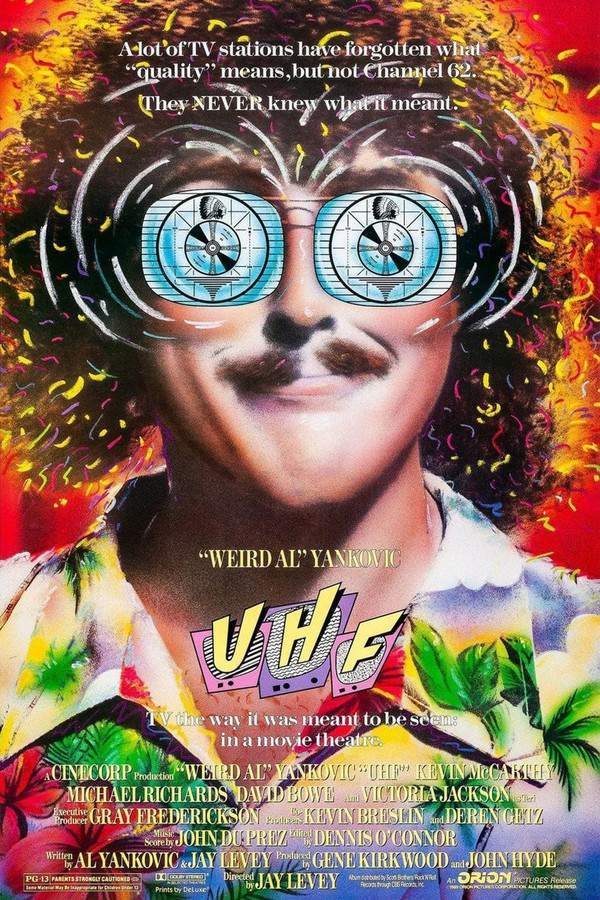
UHF
1989
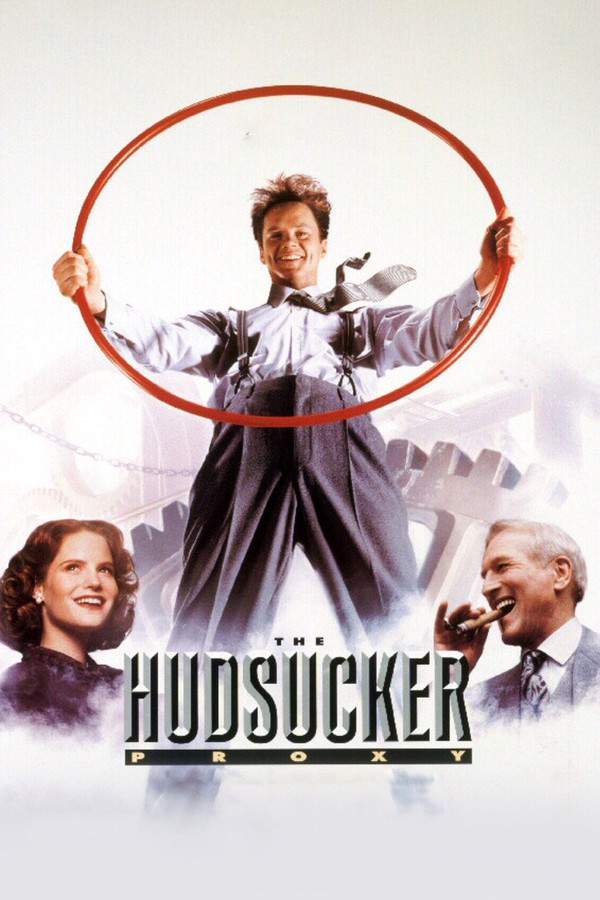
The Hudsucker Proxy
1994

Strangers with Candy
2006
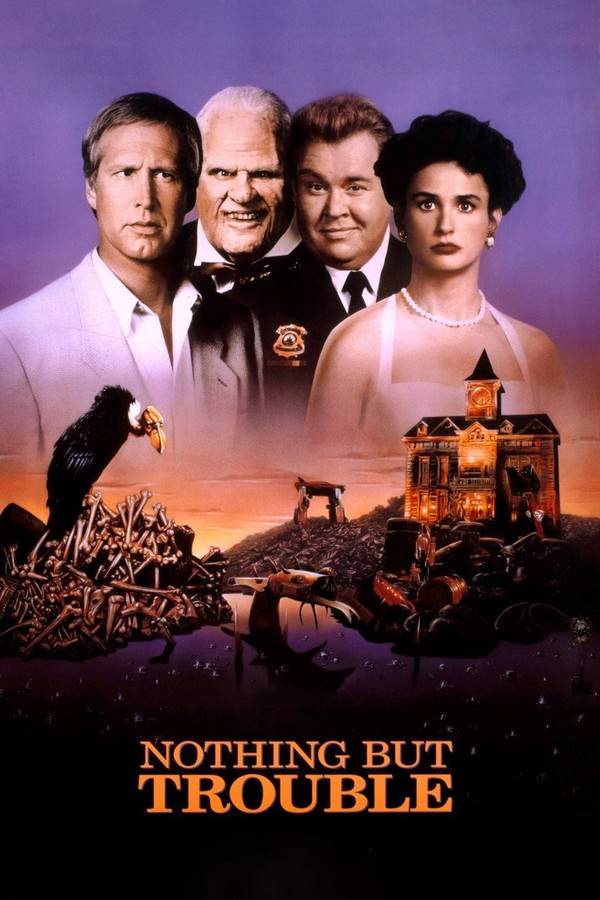
Nothing But Trouble
1991
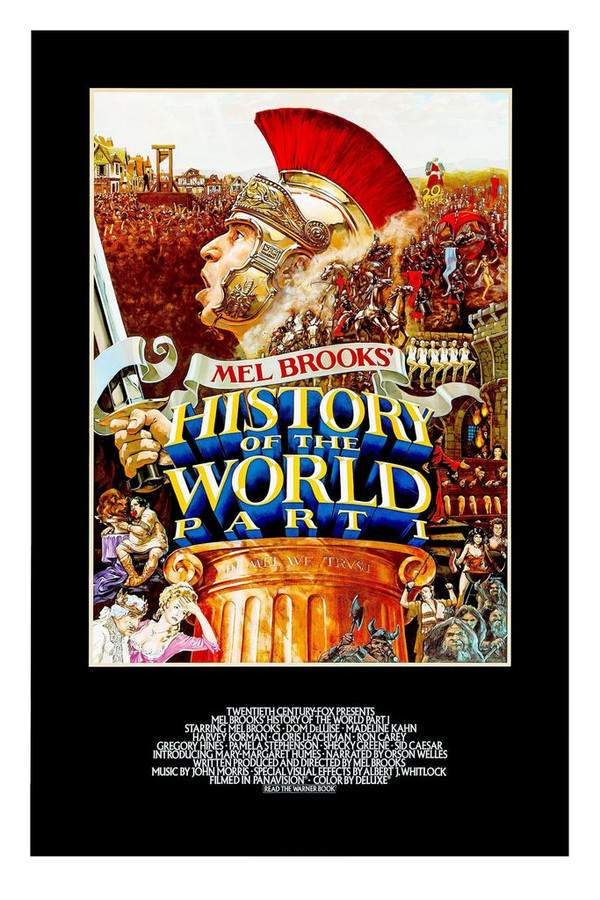
History of the World: Part I
1981
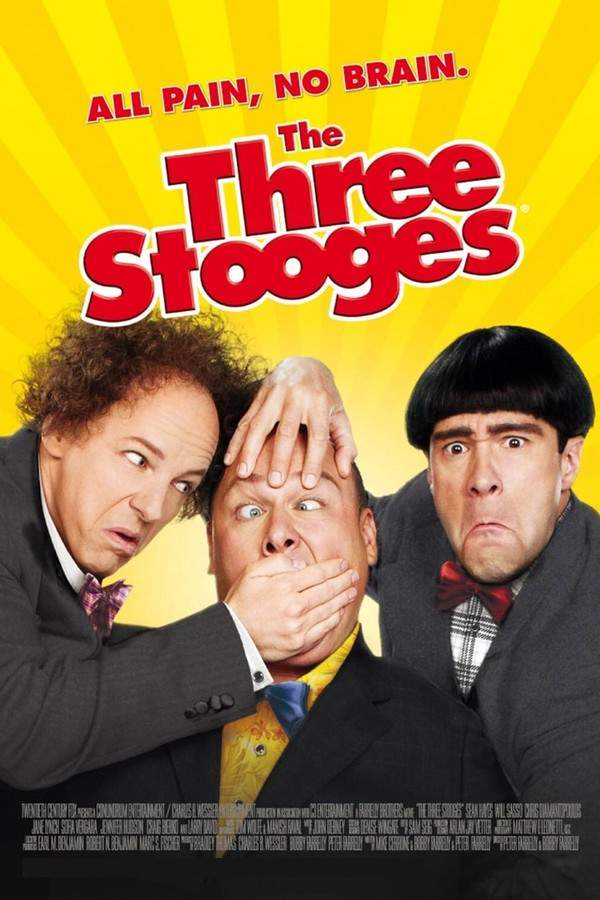
The Three Stooges
2012
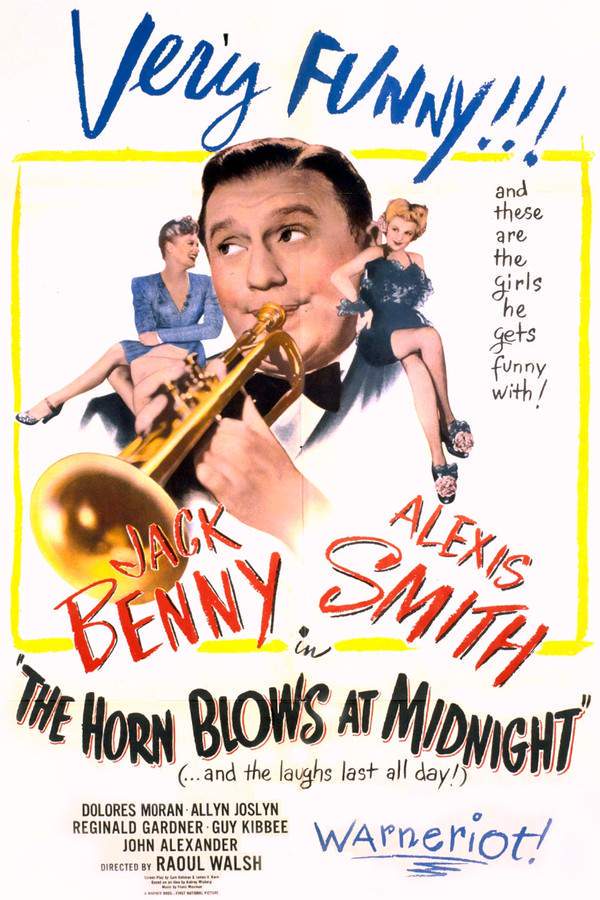
The Horn Blows at Midnight
1945

Presidential Reunion
2010
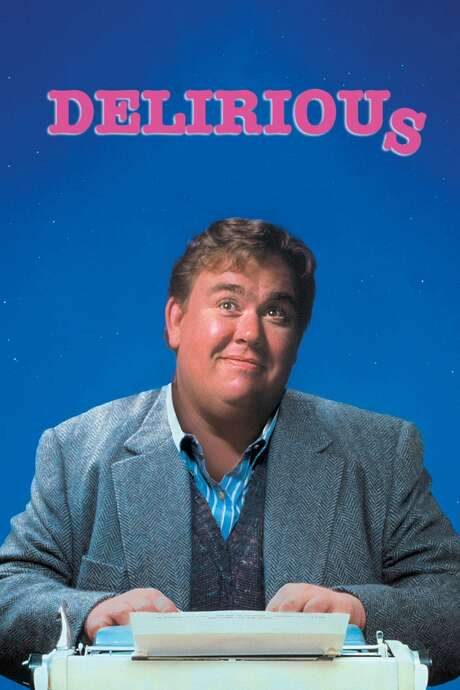
Delirious
1991
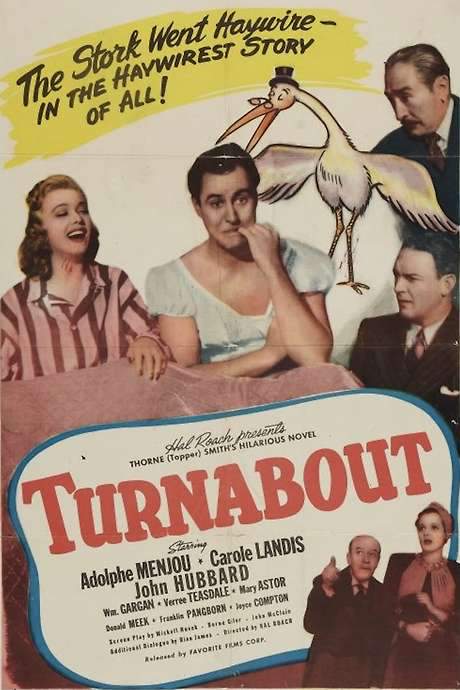
Turnabout
1940

Carlton-Browne of the F.O.
1959

Blackadder: Back & Forth
1999

The Sin of Harold Diddlebock
1947

Bedlam in Paradise
1955

The Mouse That Roared
1959
Narrative Summary
Stories often involve an ordinary person or community encountering an absurd force or situation that exposes the ridiculousness of a corrupt or bureaucratic system. The plot follows their quirky, often comedic, attempts to challenge authority, leading to a victory that feels both triumphant and delightfully silly.
Why These Movies?
These films are grouped by their unique blend of laugh-out-loud absurdity and intelligent satire. They share a lighthearted tone that makes serious themes feel approachable, a steady pace that builds comedic moments, and a core belief in the power of individual or community whimsy to enact change.
Movies like The Kangaroo Chronicles: Quirky Community Activism Stories
Eccentric outsiders band together to fight for their neighborhood or ideals.Find more movies similar to The Kangaroo Chronicles about quirky characters leading community activism. These feel-good stories celebrate found family and collective action against corporate or political threats, all delivered with a lighthearted and humorous touch.
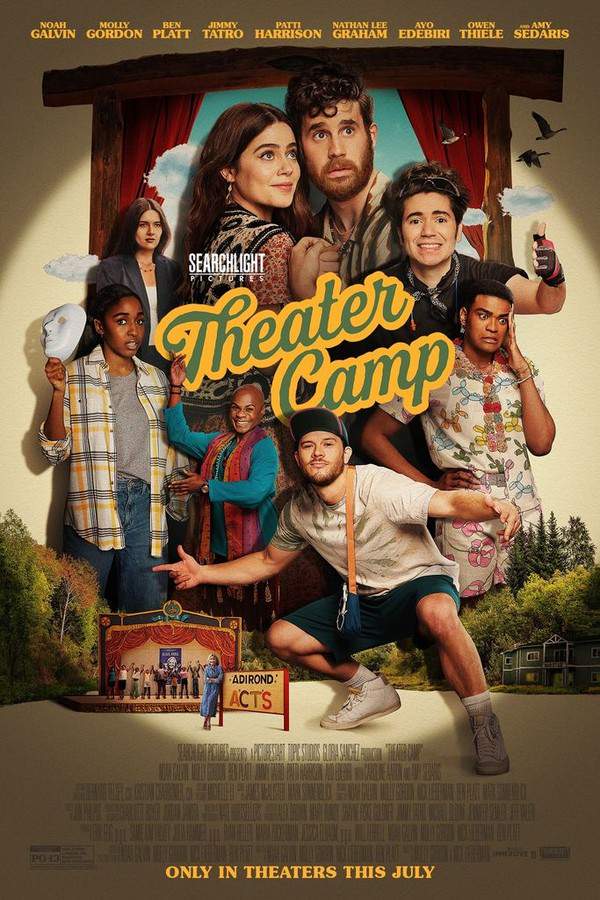
Theater Camp
2023
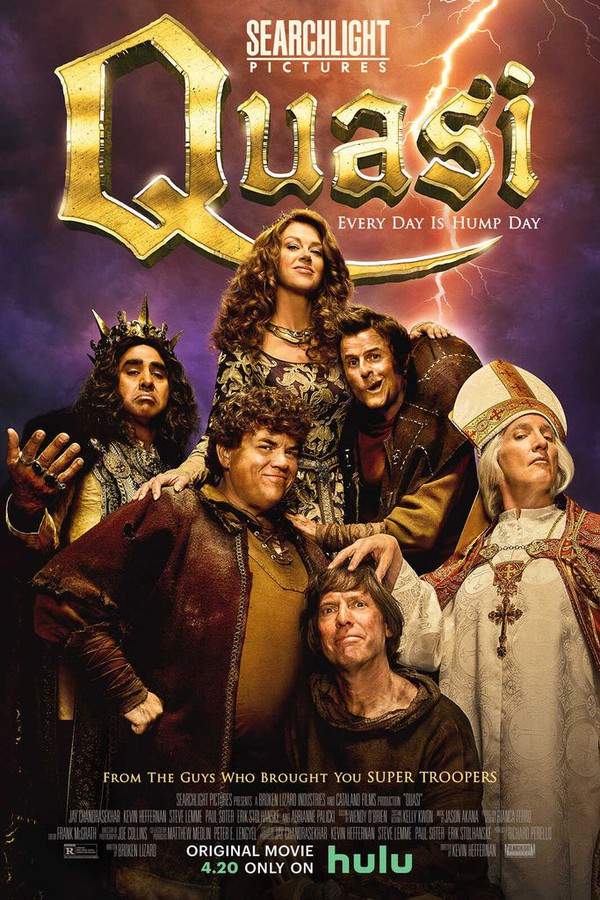
Quasi
2023
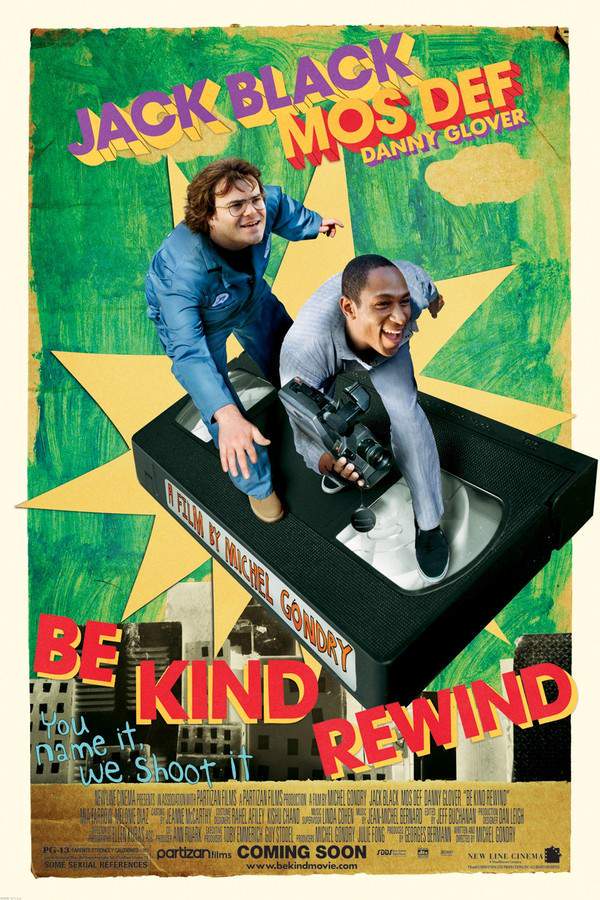
Be Kind Rewind
2008
The Amateurs
2007
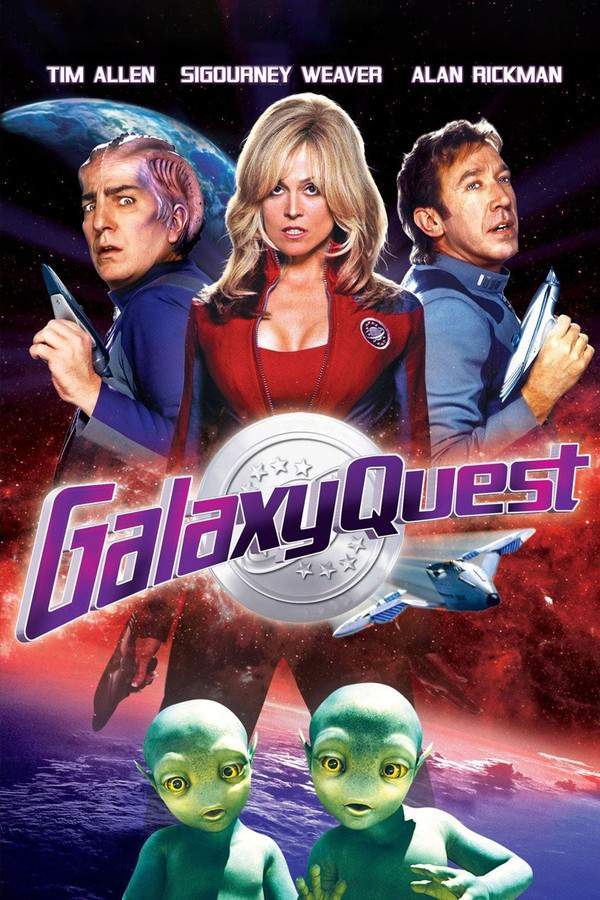
Galaxy Quest
1999
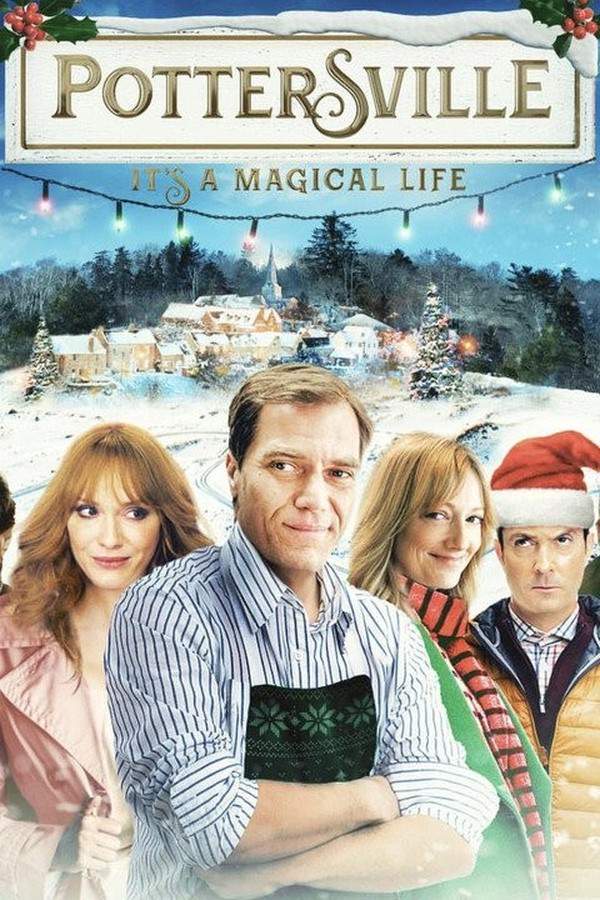
Pottersville
2017
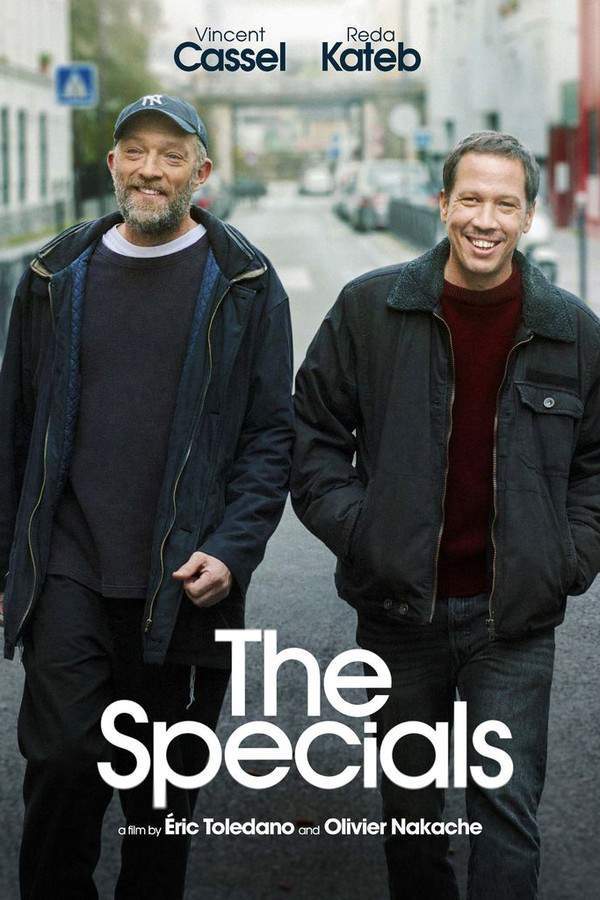
The Specials
2000
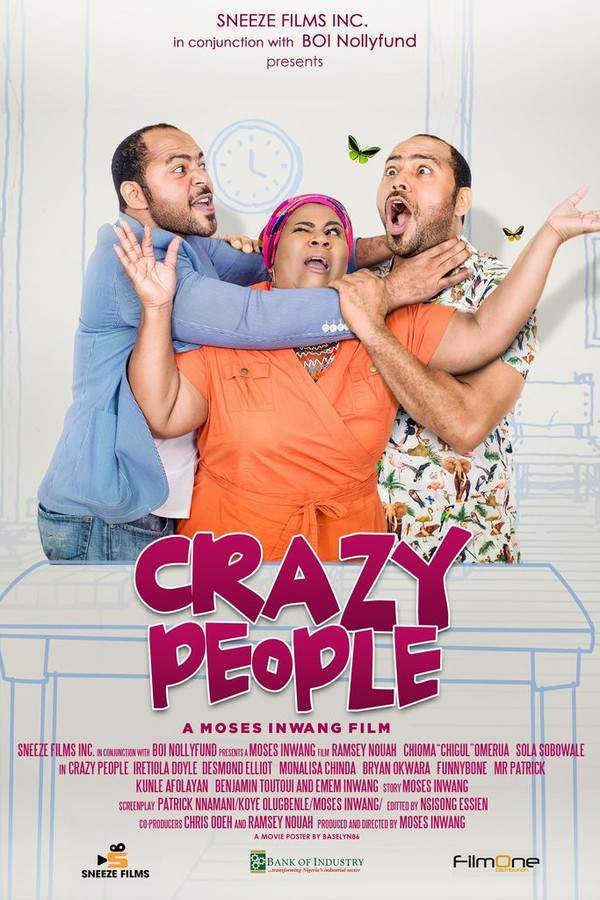
Crazy People
1990
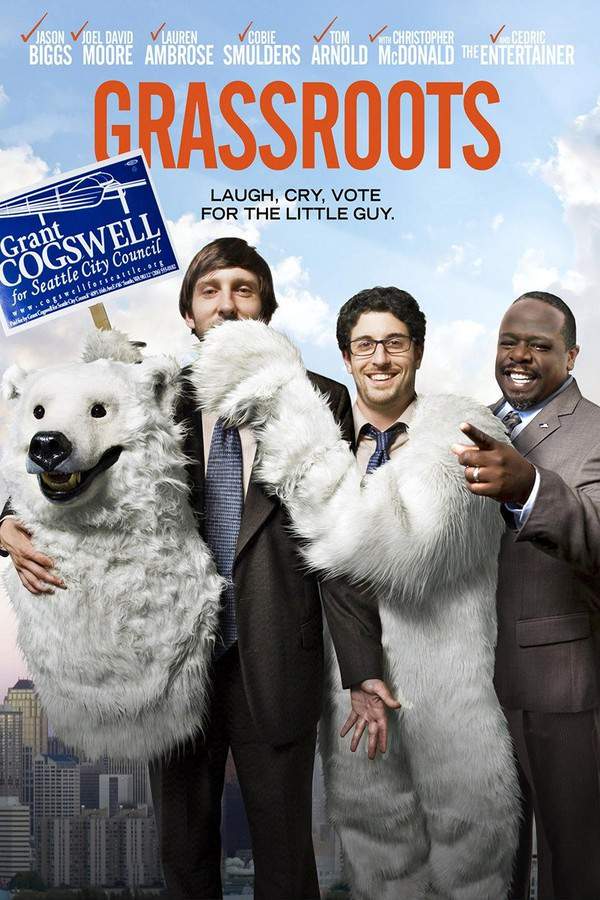
Grassroots
2012

72 Tenants of Prosperity
2010

Corner Gas: The Movie
2014

Comfort and Joy
1984

What’s So Bad About Feeling Good?
1968

The North Avenue Irregulars
1979

It Happens Every Thursday
1953
Narrative Summary
A clear external threat—often a greedy corporation or corrupt official—motivates a disparate group of neighborhood eccentrics to form a 'found family'. The narrative follows their creative, often comically inept, plans to fight back, strengthening their bonds and proving that community spirit can triumph over cynical power.
Why These Movies?
They share a core theme of community-driven triumph, a light emotional weight, and a cast of endearingly quirky characters. The tone is consistently hopeful and lighthearted, focusing on the joyous chaos of collective action rather than the grim reality of the conflict.
Unlock the Full Story of The Kangaroo Chronicles
Don't stop at just watching - explore The Kangaroo Chronicles in full detail. From the complete plot summary and scene-by-scene timeline to character breakdowns, thematic analysis, and a deep dive into the ending - every page helps you truly understand what The Kangaroo Chronicles is all about. Plus, discover what's next after the movie.
The Kangaroo Chronicles Summary
Read a complete plot summary of The Kangaroo Chronicles, including all key story points, character arcs, and turning points. This in-depth recap is ideal for understanding the narrative structure or reviewing what happened in the movie.

The Kangaroo Chronicles Timeline
Track the full timeline of The Kangaroo Chronicles with every major event arranged chronologically. Perfect for decoding non-linear storytelling, flashbacks, or parallel narratives with a clear scene-by-scene breakdown.


