
The Kangaroo Chronicles
A communist kangaroo moves in with an artist in Berlin.
Warning: spoilers below!
Haven’t seen The Kangaroo Chronicles yet? This summary contains major spoilers. Bookmark the page, watch the movie, and come back for the full breakdown. If you're ready, scroll on and relive the story!
The Kangaroo Chronicles (2020) – Full Plot Summary & Ending Explained
Read the complete plot breakdown of The Kangaroo Chronicles (2020), including all key story events, major twists, and the ending explained in detail. Discover what really happened, and what it all means.
One day, at the door of Marc-Uwe Kling, a small-time artist living in Berlin-Kreuzberg, an unexpected guest arrives: a communist kangaroo that has squatted the apartment across the hall. Since the police are still searching for the marsupial, the two end up sharing a flat, navigating an awkward coexistence that gradually turns into an unusual partnership.
A year later, the calm is shattered when they learn that Jörg Dwigs, a right-wing populist politician and CEO of a big-name company, has bought the land next to Görlitzer Park with an eye on erecting the grand “Europa Tower” as a monument to patriotism. The development sparks anger and fear among the neighbors, and soon the duo finds themselves hunted by a rowdy group of neo-Nazis who mistake them for a threat to Dwigs’ plans. In the ensuing chase, the kangaroo delivers a surprising jolt by knocking Dwigs over and absconding with his car keys, and a mix-up with the keys leads to a vehicle crash, sending Dwigs’ car into a pool and leaving the duo on the run again.
The rabbit’s foot on Dwigs’ keychain—a deeply sentimental memento of his late father—also becomes a flashpoint. The kangaroo discreetly removes it, a move that enrages Dwigs further and prompts him to hire the neo-Nazis to beat the duo into handing it back. The tension escalates as the pair, along with their neighbors, form an informal alliance—the Anti-Social Network—to defend Görlitzer Park from what they see as an assault on their homes and the community they share.
Confrontations with Dwigs reveal a troubling truth: the politician has forged several reports to hide the true, exorbitant costs behind the Europa Tower project. Determined to expose the fraud, Marc-Uwe, his neighbor Maria, and the kangaroo devise a bold plan. They infiltrate a Dwigs-hosted party by stealing invitations and entering under false pretenses. While Marc-Uwe distract the guests with a self-written song, Maria and the kangaroo search Dwigs’ office for incriminating material. They manage to download files, but the data turns out to be incomplete and of limited value—the kind of work that leaves them both hopeful and frustrated. The kangaroo, never one to miss a chance for mischief, can’t resist grabbing the rabbit’s foot again as they flee.
In the confusion of their escape, the kangaroo crashes Dwigs’ car into his pool, resulting in Marc-Uwe’s arrest and temporary detention. The community rallies around him, and his bail is raised through a crowdfunding effort that underscores the solidarity of their neighborhood. Undeterred, the Anti-Social Network sabotages the Europa Tower’s groundbreaking ceremony, striking a direct blow to Dwigs’ plans and signaling that the residents won’t surrender their home without a fight. Dwigs retaliates by sending the neo-Nazis back to the apartment building, prompting the residents to barricade themselves inside and stand firm against the onslaught.
The turning point comes when Marc-Uwe discovers a USB stick hidden inside the rabbit’s foot—an object that, once unlocked, contains incriminating evidence against Dwigs. Maria uploads the discovered files online, triggering arrests and accountability that ripple through Dwigs’ circle and the neo-Nazi faction that had shadowed the residents. The community begins to see the power of collective action in the face of manipulation and greed, and a sense of validation settles over the small victory they’ve fought so hard to achieve.
As the story unfolds, three post-credits scenes offer a final twist. One reveals that Our Homeland Inc. has been bought by the Penguin, a closing wink that blends political satire with a touch of whimsical irony.
In the end, the alliance between a stubborn artist, a luck-driven kangaroo, and a determined neighbor shows how a quiet block can stand up to encroaching development when people come together. The film balances humor with sharper social critique, painting a portrait of urban life where friendship, community, and a dash of viral activism become the tools to preserve a beloved park and the memories it holds.
Last updated: November 22, 2025 at 16:00
The Kangaroo Chronicles (2020) Plot Questions Answered – Summary FAQ
Explore frequently asked questions about The Kangaroo Chronicles (2020) with spoiler-rich answers covering the full plot summary, major story beats, character motivations, hidden details, and ending meaning. This movie summary FAQ helps explain confusing scenes, plot twists, and narrative decisions in clear, searchable detail.
Why does the kangaroo end up living with Marc-Uwe?
The communist kangaroo has squatted the apartment across the hall from Marc-Uwe's flat. When the police begin searching for the marsupial, the kangaroo seeks refuge with Marc-Uwe, who reluctantly agrees to hide him. Since the police are actively looking for the kangaroo, they become housemates out of necessity, sharing the small Berlin apartment until the heat dies down.
Why is the rabbit's foot so important to Jörg Dwigs?
The rabbit's foot is the last memento of Dwigs' late father, making it deeply sentimental. When the kangaroo steals it from Dwigs' keychain, it becomes more than just a trinket, it represents his personal grief and connection to his father. Dwigs' obsession with retrieving it drives him to hire neo-Nazis to threaten and coerce Marc-Uwe and the kangaroo into returning it.
How does Marc-Uwe discover Dwigs' forged reports?
Marc-Uwe uncovers the fraud through an unexpected source: his own psychotherapist, who also happens to treat Dwigs. During a session, Marc-Uwe learns that Dwigs has forged several reports to hide the true,exorbitant costs of the Europa Tower project. This discovery gives Marc-Uwe and his allies potential leverage against the politician and motivates their plan to infiltrate his party.
What's inside the rabbit's foot that helps expose Dwigs?
Marc-Uwe discovers a USB stick hidden inside the rabbit's foot. The stick contains incriminating evidence against Dwigs, including proof of his forged reports and other financial crimes. When Maria uploads these files online, it triggers arrests of Dwigs, his henchmen, and the neo-Nazis, ultimately exposing his corruption and saving Görlitzer Park.
The rabbit's foot's importance is foreshadowed early on when Dwigs becomes obsessed with retrieving it, hinting it holds something more valuable than sentimentality.
Why do the neo-Nazis work for Dwigs?
The neo-Nazis are hired by Dwigs to intimidate and threaten Marc-Uwe and the kangaroo into returning the rabbit's foot. Dwigs manipulates their far-right ideology, using them as enforcers for his political agenda. In return for their violent "services," Dwigs pays them, though they ultimately end up in debt to him after destroying his car during the chase.
What happens to the Europa Tower at the end of the movie?
The Europa Tower project is ultimately defeated. After the Anti-Social Network sabotages the groundbreaking ceremony and Marc-Uwe exposes Dwigs' fraud by uploading the evidence from the USB stick, Dwigs is arrested and the project collapses. The community successfully saves Görlitzer Park from development.
What does the penguin in the post-credits scene mean?
In a post-credits scene, it's revealed that Our Homeland Inc. (the company Dwigs used for his political schemes) has been bought by a penguin. This is a whimsical joke and nod to the absurd tone of the film, suggesting that despite Dwigs' defeat, corporate corruption continues under new, and equally ridiculous, leadership. It leaves room for potential sequels while delivering a final satirical punch.
How does the kangaroo steal Dwigs' car keys?
During a confrontation with Dwigs and the neo-Nazis, the kangaroo physically knocks Dwigs over and grabs his car keys from his hand. This moment turns the chase around, as the Nazis mistake Dwigs' car for Marc-Uwe's and crash it while pursuing what they think is the duo's vehicle. The kangaroo's theft leads to the car being destroyed and the Nazis ending up in debt to Dwigs.
Why does Dwigs want to build the Europa Tower?
Jörg Dwigs, a right-wing populist politician and CEO of a major company, purchases land next to Görlitzer Park to build the Europa Tower as a "monument to patriotism." The project serves his political ambitions by appealing to nationalist sentiments, while also being a lucrative real estate venture that he attempts to fund through inflated costs hidden by forged reports.

Explore Movie Threads
Discover curated groups of movies connected by mood, themes, and story style. Browse collections built around emotion, atmosphere, and narrative focus to easily find films that match what you feel like watching right now.
Movies like The Kangaroo Chronicles: Absurd Political Satire
Outlandish premises deliver sharp, humorous commentary on society and power.If you liked The Kangaroo Chronicles, you'll enjoy these movies that blend silly, outlandish concepts with smart political and social satire. This collection features films where whimsical worlds serve up sharp, humorous commentary, making complex topics accessible and uproariously funny.
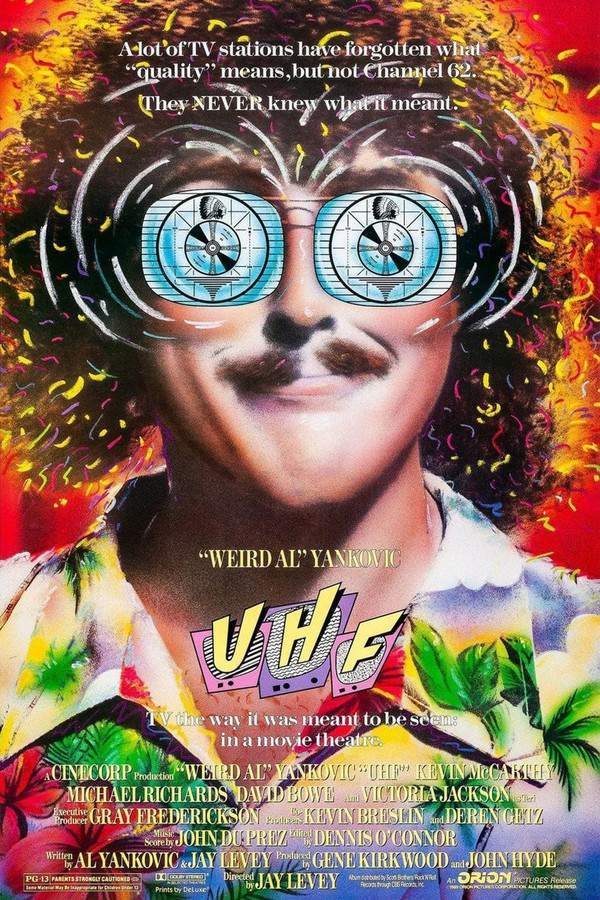
UHF
1989
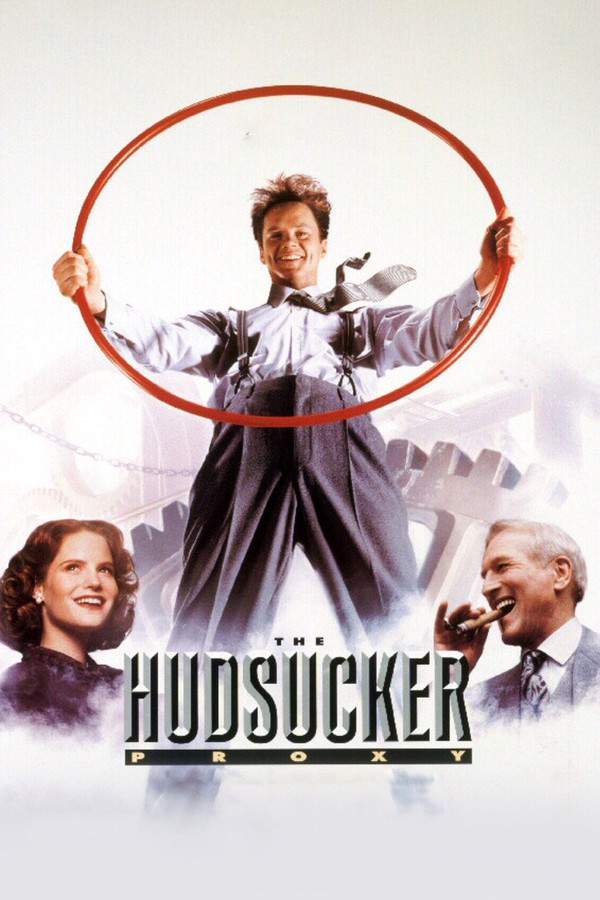
The Hudsucker Proxy
1994
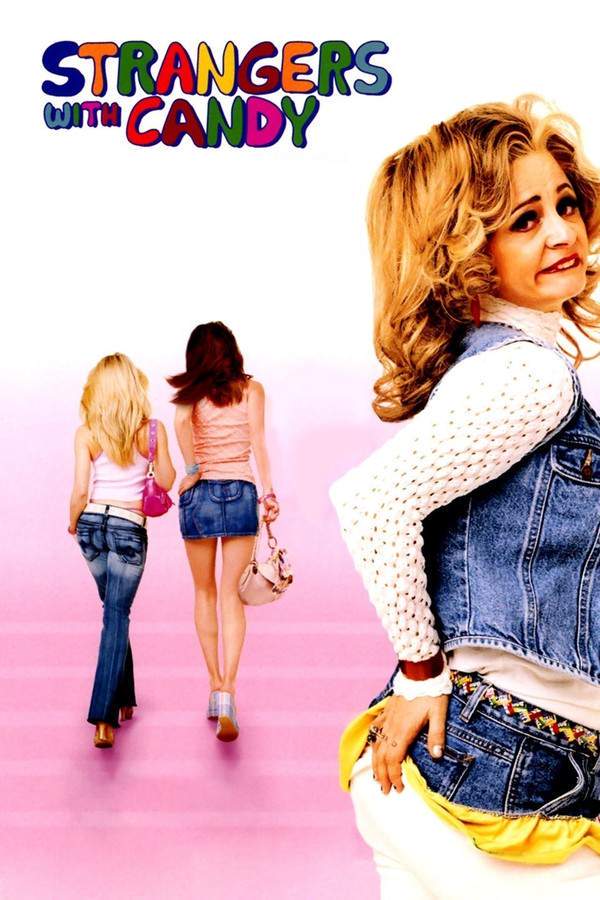
Strangers with Candy
2006
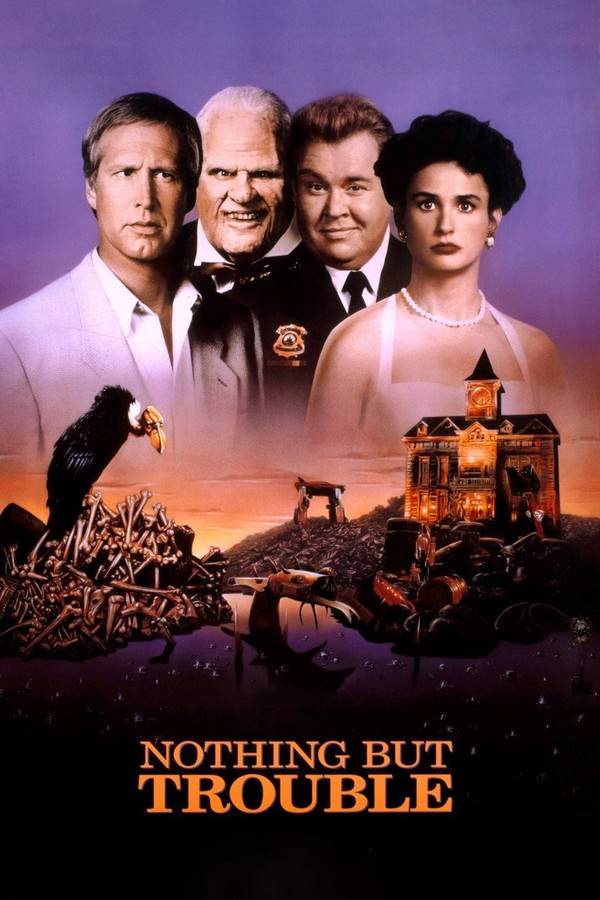
Nothing But Trouble
1991
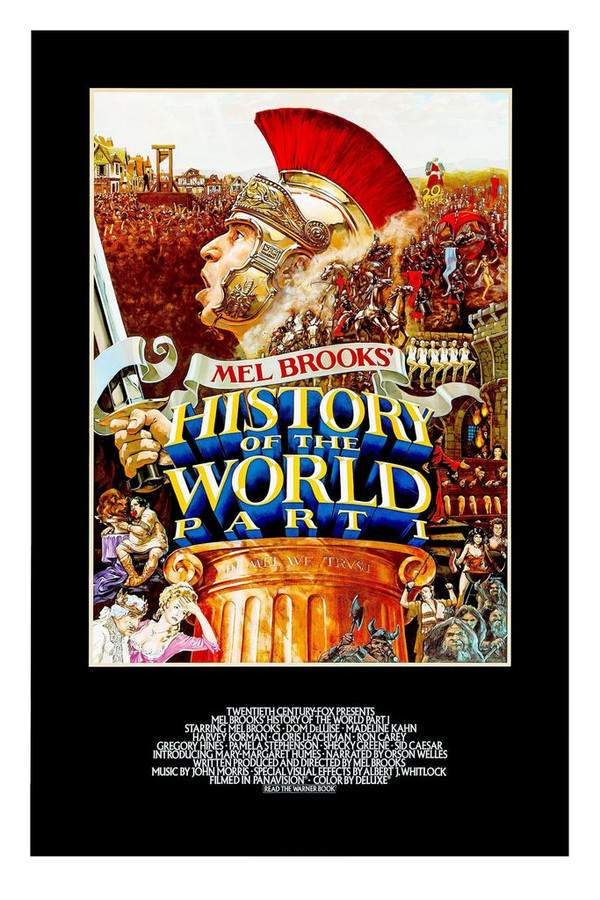
History of the World: Part I
1981
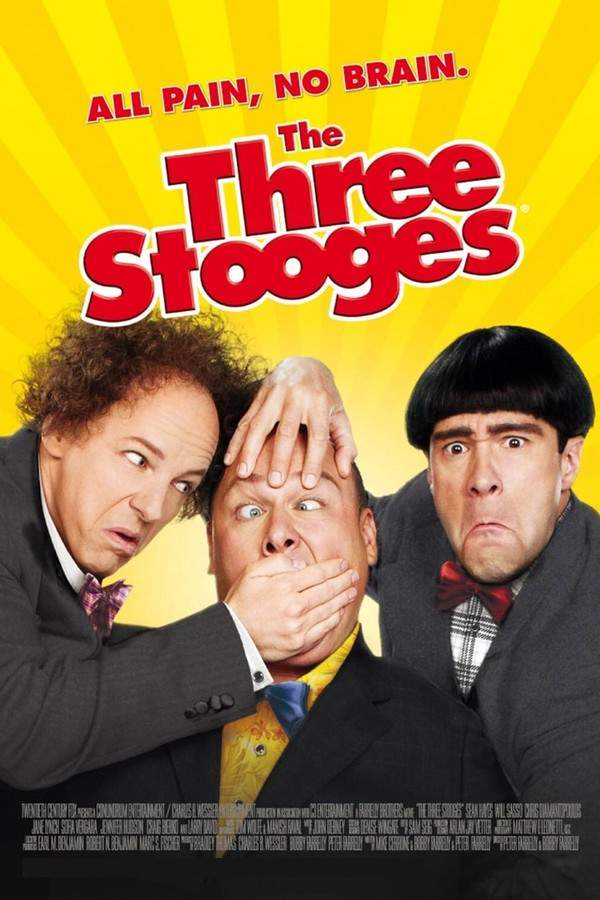
The Three Stooges
2012
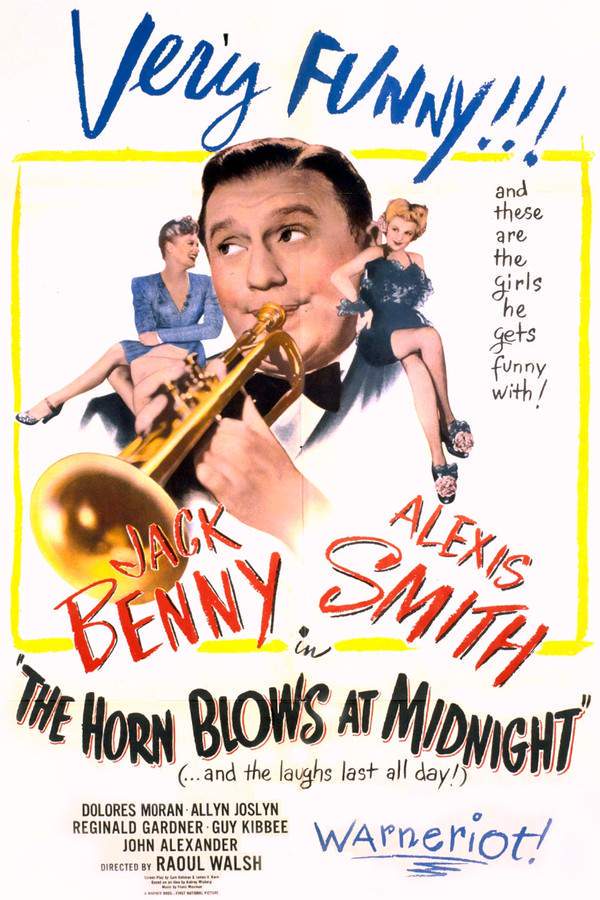
The Horn Blows at Midnight
1945

Presidential Reunion
2010
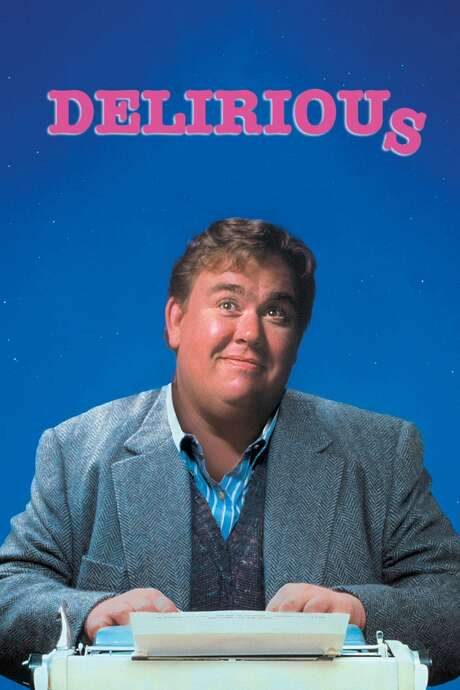
Delirious
1991
Turnabout
1940

Carlton-Browne of the F.O.
1959

Blackadder: Back & Forth
1999

The Sin of Harold Diddlebock
1947

Bedlam in Paradise
1955

The Mouse That Roared
1959
Narrative Summary
Stories often involve an ordinary person or community encountering an absurd force or situation that exposes the ridiculousness of a corrupt or bureaucratic system. The plot follows their quirky, often comedic, attempts to challenge authority, leading to a victory that feels both triumphant and delightfully silly.
Why These Movies?
These films are grouped by their unique blend of laugh-out-loud absurdity and intelligent satire. They share a lighthearted tone that makes serious themes feel approachable, a steady pace that builds comedic moments, and a core belief in the power of individual or community whimsy to enact change.
Movies like The Kangaroo Chronicles: Quirky Community Activism Stories
Eccentric outsiders band together to fight for their neighborhood or ideals.Find more movies similar to The Kangaroo Chronicles about quirky characters leading community activism. These feel-good stories celebrate found family and collective action against corporate or political threats, all delivered with a lighthearted and humorous touch.
Theater Camp
2023
Quasi
2023
Be Kind Rewind
2008
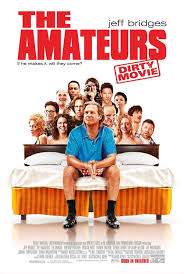
The Amateurs
2007
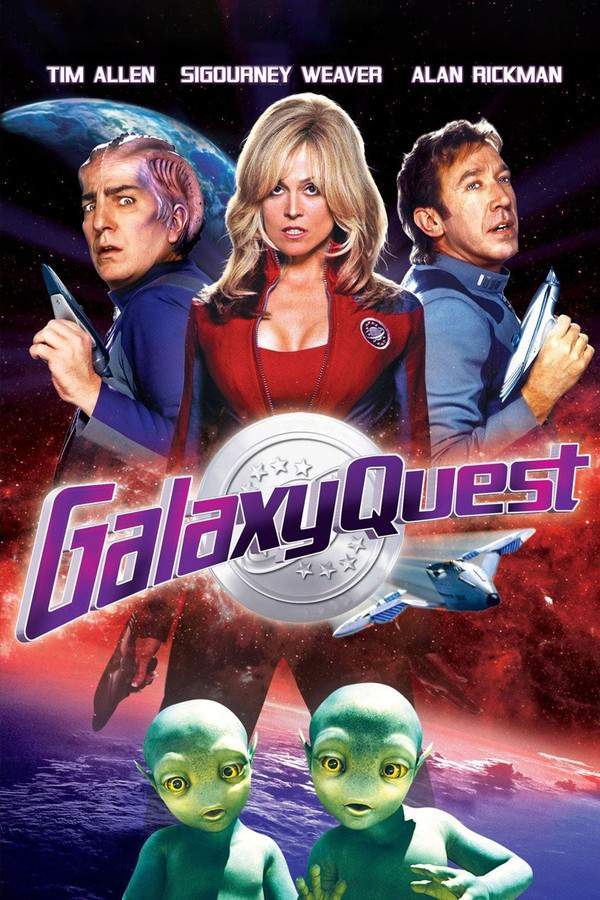
Galaxy Quest
1999
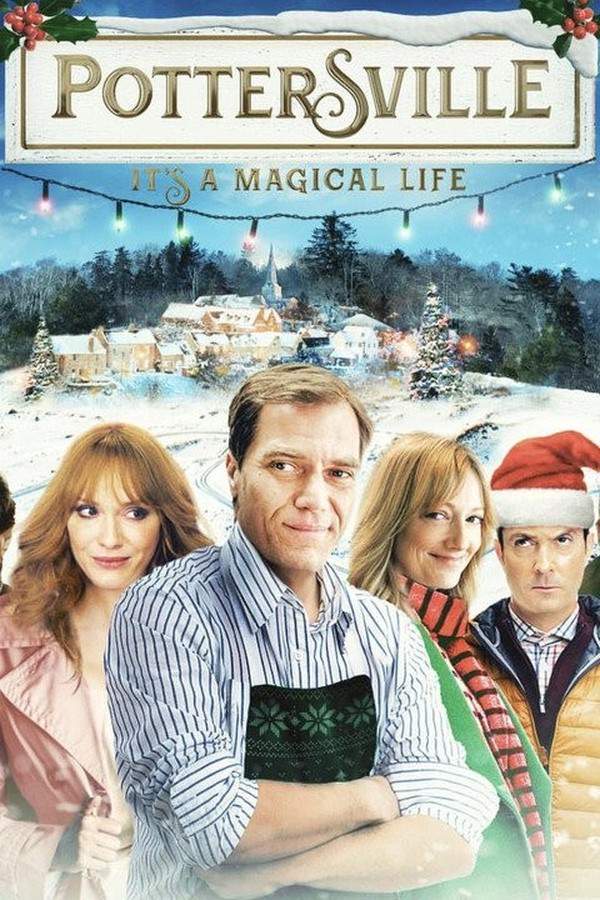
Pottersville
2017
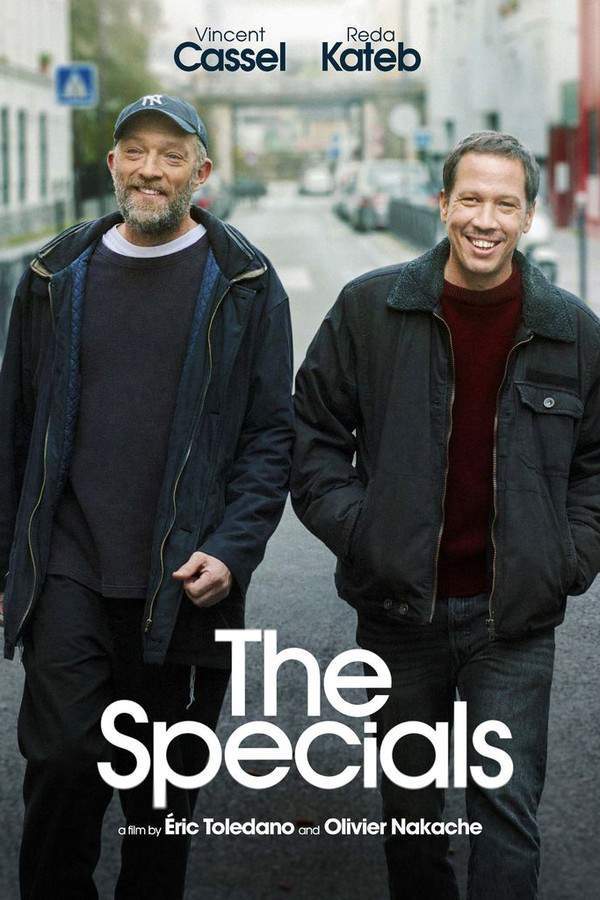
The Specials
2000
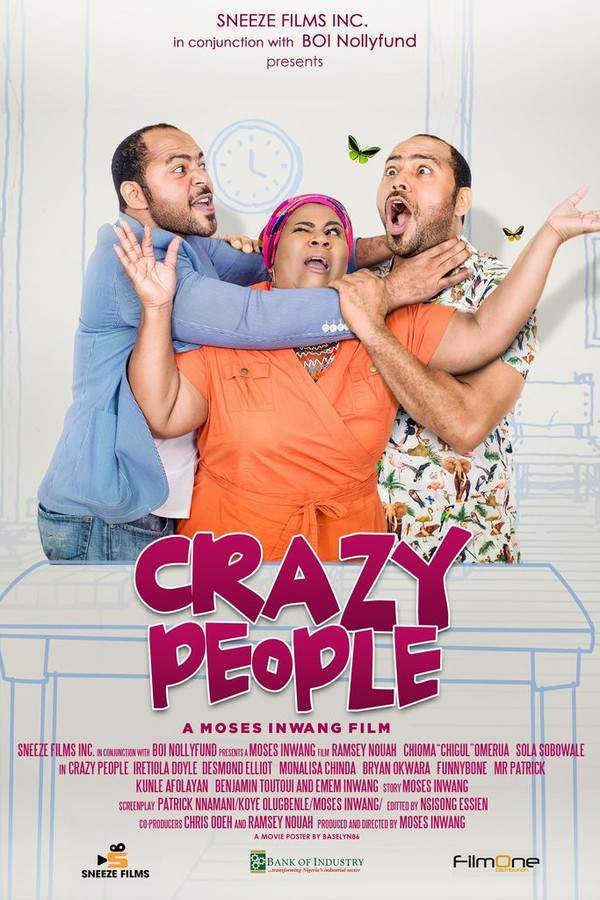
Crazy People
1990
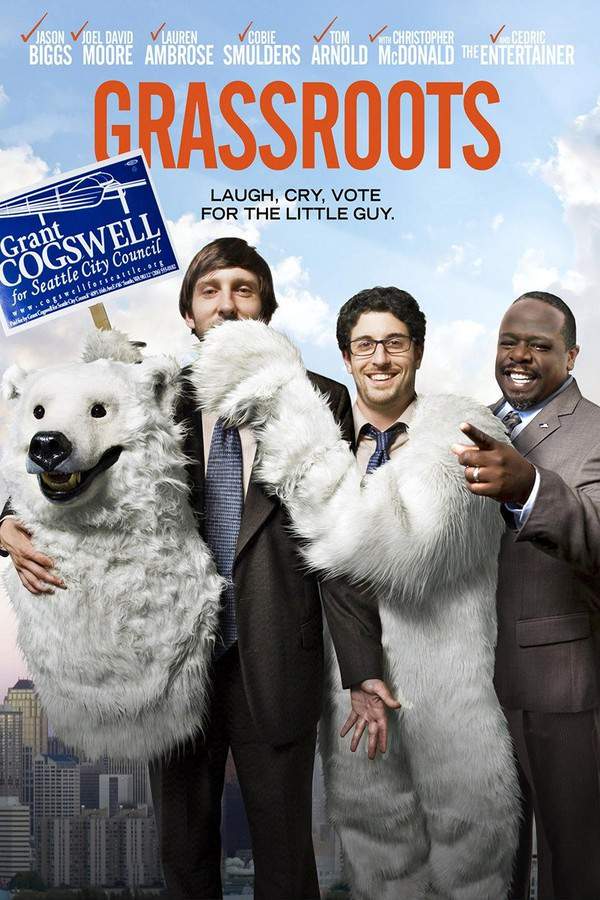
Grassroots
2012

72 Tenants of Prosperity
2010

Corner Gas: The Movie
2014

Comfort and Joy
1984

What’s So Bad About Feeling Good?
1968

The North Avenue Irregulars
1979

It Happens Every Thursday
1953
Narrative Summary
A clear external threat—often a greedy corporation or corrupt official—motivates a disparate group of neighborhood eccentrics to form a 'found family'. The narrative follows their creative, often comically inept, plans to fight back, strengthening their bonds and proving that community spirit can triumph over cynical power.
Why These Movies?
They share a core theme of community-driven triumph, a light emotional weight, and a cast of endearingly quirky characters. The tone is consistently hopeful and lighthearted, focusing on the joyous chaos of collective action rather than the grim reality of the conflict.
Unlock the Full Story of The Kangaroo Chronicles
Don't stop at just watching - explore The Kangaroo Chronicles in full detail. From the complete plot summary and scene-by-scene timeline to character breakdowns, thematic analysis, and a deep dive into the ending - every page helps you truly understand what The Kangaroo Chronicles is all about. Plus, discover what's next after the movie.
The Kangaroo Chronicles Timeline
Track the full timeline of The Kangaroo Chronicles with every major event arranged chronologically. Perfect for decoding non-linear storytelling, flashbacks, or parallel narratives with a clear scene-by-scene breakdown.

Characters, Settings & Themes in The Kangaroo Chronicles
Discover the characters, locations, and core themes that shape The Kangaroo Chronicles. Get insights into symbolic elements, setting significance, and deeper narrative meaning - ideal for thematic analysis and movie breakdowns.


