Plot Explained Spoilers guaranteed!
Plot Explained

Browse by genre

The House That Would Not Die (1970) movie poster

Characters & Themes

The House That Would Not Die (1970) Characters, Setting & Themes Explained

Release, runtime and language
1970 · 74 mins · English
Directed by
John Llewellyn Moxey
Starring
Barbara Stanwyck, Kitty Winn, Mabel Albertson, Michael Anderson Jr., Doreen Lang, Richard Egan

Dark mysteries lurk within the walls of the old Campbell house, where whispered cries echo from a violent struggle and a woman's scream. The story weaves witchcraft and black magic into a haunting tale set against the quiet backdrop of Amish country, turning a simple farmhouse into a terrifying, cursed place.

On this page (7)
  1. 1 Characters explained (6)
  2. 2 Where & when it takes place
  3. 3 Themes & meaning (4)
  4. 4 Character & meaning questions
  5. 5 Movie threads
  6. 6 Movies like The House That Would Not Die
  7. 7 Every angle

6 main characters · contains spoilers

The House That Would Not Die Characters Explained: Who Is Who

The main characters of The House That Would Not Die (1970), heroes and villains: what drives them, how they change over the course of the story and what each of them reveals about the film's bigger ideas.

  • Ruth Bennett (Barbara Stanwyck)

    Pragmatic and protective, Ruth leaves her USDA secretary career to move into the ancestral home with her niece. She anchors the group, facing supernatural events with steady resolve and a desire to maintain safety for those around her. Her leadership is tested as fear and secrets surface, but she remains the moral center that pushes others toward truth.

    • 🏠 Protector
    • 🧭 Pragmatic
    • 🗝️ Inherited
  • Sara Dunning (Kitty Winn)

    A young woman who accompanies Ruth to the old house, she is initially fragile yet becomes a key catalyst as strange possessions and visions surface. Sara experiences alarming episodes and appears deeply connected to the house’s past, suggesting a link between lineage and the supernatural that others struggle to understand.

    • 🌟 Vulnerable
    • 🔎 Observant
    • 🧭 Loyal
  • Pat McDougal (Richard Egan)

    A local professor who becomes entangled with Ruth and Sara, Pat exudes a complex mix of charisma and intensity. His behavior fluctuates under atmospheric pressure, and the séance reveals disturbing forces at play that challenge his rational stance. He is both a skeptic and a conduit for the spirits’ influence.

    • 🔥 Charismatic
    • 🧨 Impulsive
    • 🧭 Complex
  • Stan Whitman (Michael Anderson Jr.)

    A student of Pat who becomes deeply involved in uncovering the house’s history. He demonstrates curiosity and courage, investigating diaries and attic artifacts. Stan’s participation crosses from academic interest into direct confrontation with supernatural events, making him a bridge between reason and the eerie happenings.

    • 🔎 Curious
    • 📚 Scholarly
    • 🧭 Investigator
  • Sylvia Wall (Doreen Lang)

    A seasoned medium who guides the séance, Sylvia brings an air of mystique and perceived authority to the supernatural proceedings. Her presence heightens the spiritual stakes of the story, though she flees in fear during violent poltergeist activity. She represents the tension between belief and fear in the face of the unknown.

    • 🎭 Medium
    • 🔮 Occultist
    • 🕰️ Mysterious
  • Mrs. McDougal (Mabel Albertson)

    A neighborly figure whose observations contribute to the sense of a close-knit community aware of the house’s eerie history. She provides a practical counterpoint to the escalating supernatural events and grounds the story in ordinary, everyday concerns about safety and normalcy.

    • 🏡 Neighborly
    • 🕊️ Protective
    • 🗒️ Observant

Last updated: October 04, 2025 at 14:22

Was this helpful?

Setting

Where and When Does The House That Would Not Die Take Place?

The setting of The House That Would Not Die (1970): the year and time period, the places and locations, and how they shape the characters, the mood and the tension of the story.

Time period

The house itself dates to the Revolutionary era, and its haunting connects that distant past to the present-day events. The living characters move through a contemporary setting while uncovering diaries, portraits, and a hidden basement that link back to 18th-century crimes. The narrative blends historical remnants with current investigations, showing how history repeatedly intrudes on the now.

Location

Gettysburg, Pennsylvania, Amish Country

The story unfolds in Gettysburg, Pennsylvania, within the quiet Amish country, anchored by an old house with Revolutionary-era roots. The residence is central to the plot, a historic site where past and present collide through haunting memories and tragedy. Its location in a region famed for its history heightens the sense that secrets buried long ago still breathe today.

  • 🏚️ Haunted
  • 🗺️ Historic Setting
  • 🏡 Rural
  • 👵 Legacy

Last updated: October 04, 2025 at 14:22

Was this helpful?

4 major themes

The House That Would Not Die Meaning: Themes & Message Explained

What is The House That Would Not Die (1970) really about? The emotional, social and philosophical themes the film keeps returning to, its symbolism and the message beneath the surface.

  • Haunted History

    The house harbors the lingering spirits of its former inhabitants, tying the present to a violent past. Seances, eerie apparitions, and uncanny incidents reveal that history can physically manifest in the here and now. The pursuit of truth about the murder and elopement uncovers how past actions echo through generations. The haunting acts as a catalyst that drives the characters to confront buried crimes.

  • Possession

    The narrative centers on bodies being inhabited by ancestral ghosts, with Sara and Pat briefly controlled by Ammie and the General. Possession intensifies fear and destabilizes relationships, forcing characters to question reality versus supernatural influence. The phenomenon blurs the line between mental illness and spirit activity. Resolution hinges on recognizing and releasing these trapped presences.

  • Historical Mystery

    A trail of diaries, artifacts, and a hidden basement passage drives the investigation into the home’s crimes. The group pieces together historical records to identify the murder of Ammie and Anthony and its connection to General Campbell. The mystery relies on careful archival work and discovery, rather than solely on supernatural displays. Truth and evidence ultimately dispel the spectral disturbances.

  • Family Secrets

    The house acts as a repository for family secrets, where inherited ties and long-buried guilt surface. Ruth and Sara’s bond is tested by coercion, fear, and the weight of a haunted legacy. Discovering the truth about past crimes redefines loyalties and offers a path to collective healing. The resolution emphasizes accountability and the release of haunted identities that have plagued the family for generations.

Last updated: October 04, 2025 at 14:22

Was this helpful?

Character & theme questions

The House That Would Not Die Characters & Meaning: Your Questions Answered

The questions people ask about The House That Would Not Die (1970): who the characters really are, their relationships, what the symbols mean, where it takes place and what the movie is really about. Each answer contains spoilers.

Q1

Where is the movie set?

The movie takes place in Gettysburg, Pennsylvania, specifically in the quiet Amish country region. The story centers on an old Campbell house with Revolutionary-era roots, a historic residence where past and present collide through haunting memories and tragedy.

  • gettysburg
  • pennsylvania
  • amish country
  • historic house
  • campbell house
Q2

What is the significance of the house's age?

The Campbell house dates back to the Revolutionary era, and its haunting connects that distant past to the present-day events. The narrative shows how history repeatedly intrudes on the now through diaries, portraits, and a hidden basement that link back to 18th-century crimes.

  • revolutionary era
  • historic house
  • campbell house
  • past and present
Q3

What is the Haunted History theme about?

The house harbors the lingering spirits of its former inhabitants, tying the present to a violent past. Seances, eerie apparitions, and uncanny incidents reveal that history can physically manifest in the here and now, with past actions echoing through generations.

  • haunted history
  • spirits
  • ghosts
  • past echoes
  • paranormal
Q4

How does possession work in the movie?

The narrative centers on bodies being inhabited by ancestral ghosts, with Sara and Pat briefly controlled by Ammie and the General. Possession destabilizes relationships and forces characters to question reality versus supernatural influence, blurring the line between mental illness and spirit activity.

  • possession
  • spirits
  • ammie
  • general campbell
  • supernatural
Q5

What role does historical investigation play?

A trail of diaries, artifacts, and a hidden basement passage drives the investigation into the home's crimes. The group pieces together historical records to identify the murder of Ammie and Anthony and its connection to General Campbell. The mystery relies on careful archival work and discovery rather than solely on supernatural displays.

  • diaries
  • historical mystery
  • hidden basement
  • general campbell
  • investigation
Q6

What family secrets are explored?

The house acts as a repository for family secrets where inherited ties and long-buried guilt surface. Ruth and Sara's bond is tested by coercion, fear, and the weight of a haunted legacy. Discovering the truth about past crimes redefines loyalties and offers a path to collective healing.

  • family secrets
  • legacy
  • ruth bennett
  • sara dunning
  • guilt
Q7

Who is Ruth Bennett and what is her role?

Ruth Bennett (Barbara Stanwyck) is a pragmatic, protective woman who leaves her USDA secretary career to move into the ancestral home with her niece. She anchors the group as the moral center, facing supernatural events with steady resolve and a desire to maintain safety for those around her.

  • ruth bennett
  • barbara stanwyck
  • moral center
  • leader
  • niece
Q8

What is Sara Dunning's connection to the house?

Sara Dunning (Kitty Winn) is a young woman who accompanies Ruth to the old house and experiences alarming possession episodes and visions. She appears deeply connected to the house's past, suggesting a link between lineage and the supernatural that others struggle to understand.

  • sara dunning
  • kitty winn
  • possession
  • visions
  • supernatural connection
Q9

Who is Pat McDougal and what is his role?

Pat McDougal (Richard Egan) is a local professor who becomes entangled with Ruth and Sara. He exudes a complex mix of charisma and intensity, with his behavior fluctuating under atmospheric pressure. He represents both a skeptic and a conduit for the spirits' influence.

  • pat mcdougal
  • richard egan
  • professor
  • skeptic
  • spirits
Q10

When does the story take place?

While the house dates to the Revolutionary era, the main events unfold in a contemporary setting. Characters move through the present day while uncovering historical diaries, portraits, and a hidden basement that link back to 18th-century crimes.

  • contemporary
  • modern
  • present day
  • historical
  • 18th century
Q11

Why is the Amish country setting important?

The quiet Amish country backdrop creates a stark contrast with the supernatural horror unfolding within the Campbell house. The region's fame for history heightens the sense that secrets buried long ago still breathe today, making the peaceful farming community an unsettling location for a haunted mansion.

  • amish
  • rural
  • pennsylvania
  • contrast
  • peaceful setting

Movie threads

More Movies Like The House That Would Not Die, by Mood & Story

Curated lists built around what makes The House That Would Not Die tick: the same mood, the same kind of story or the same emotional payoff. Each list explains why these movies belong together.

Gothic Horror Movies Unraveling the Past like The House That Would Not Die

Supernatural horrors rooted in a dark, historical family secret. If you liked the historical mystery and supernatural investigation in The House That Would Not Die, you'll find similar stories here. These movies feature haunted houses, séances, and a steady unraveling of a dark past that fuels the paranormal activity.

  • gothic
  • eerie
  • atmospheric
  • historical mystery
  • paranormal
  • haunting
  • Tone: tense, eerie, melancholic
  • Pacing: steady, investigative
Why these movies?

The story pattern: The narrative follows a linear, investigative path where characters, often new inhabitants of a cursed location, piece together clues from the past. The conflict is solved by understanding and confronting the source of the haunting, leading to a climactic resolution involving cleansing or putting spirits to rest.

Why they belong together: Movies are grouped here for their shared focus on a historical mystery as the engine for supernatural events. They feature a steady pacing, a tense and eerie tone, and a structure centered on discovery, creating a coherent experience for fans of classic, mystery-driven ghost stories.

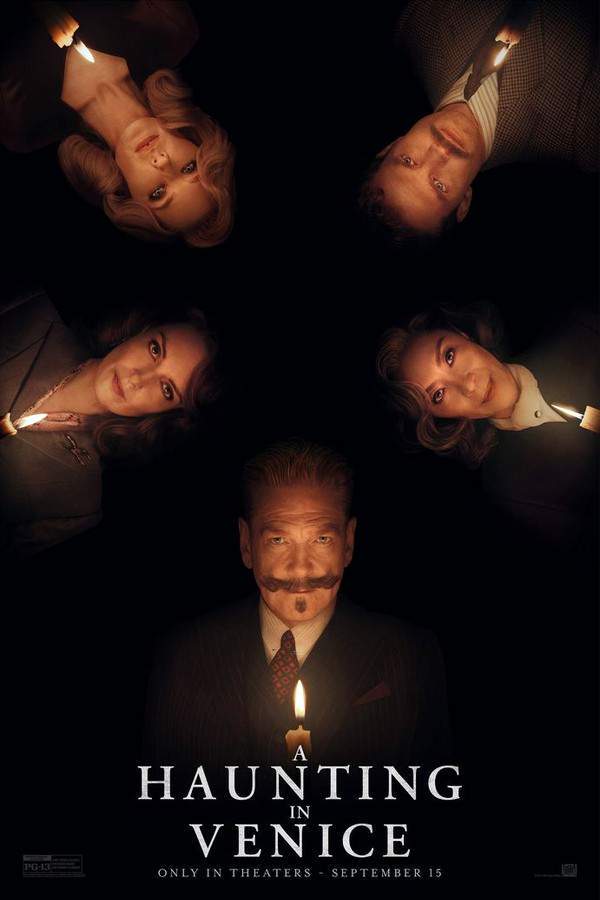
Movies with Atmospheric Supernatural Dread like The House That Would Not Die

A steady, anxious build-up of paranormal threat within a single location. For viewers who enjoyed the anxious, building tension and paranormal activity in The House That Would Not Die, this section finds similar movies. These stories prioritize a haunting atmosphere and psychological unease over jump scares, often set in a single, cursed location.

  • anxious
  • eerie
  • atmospheric
  • paranormal
  • haunting
  • tense
  • Tone: tense, anxious, unsettling
  • Pacing: steady, creeping
Why these movies?

The story pattern: Stories in this thread typically involve characters being slowly worn down by an escalating paranormal presence. The plot is straightforward, focusing on the cause-and-effect of the haunting, and culminates in a confrontation that resolves the immediate threat but often leaves a lingering sense of melancholy.

Why they belong together: These films share a specific mood mix: a medium intensity, a consistently tense tone, and a steady pacing that methodically builds dread. The focus is on the atmospheric experience of a supernatural siege, making them ideal for viewers who prefer psychological tension over visceral horror.

If you liked this

Movies Like The House That Would Not Die

Similar movies to The House That Would Not Die: the same genre, themes or kind of story. Each one comes with its own plot summary, timeline and ending explained.

Browse all movie summaries

Every angle

The House That Would Not Die (1970) Explained: Plot, Timeline & Characters

Everything about The House That Would Not Die in one place: what happens in the plot summary, the timeline in chronological order, the characters and meaning and a spoiler-free summary. What's After the Movie adds the cast, box office and post-credit scenes.

Coming soon on iOS and Android

The Plot Explained Movie Summary App

Plot summaries, endings explained and timelines on your phone. Catch up on any movie in minutes, save your favorites and never miss a twist again.

Be the first to know when we launch. Your email stays private, always.

Learn more about the app