







The House on Telegraph Hill

The House on Telegraph Hill

Year: 1951

Runtime: 93 mins

Language: English

Director: Robert Wise

DramaThrillerMystery

Shame haunts the walls of the house, and betrayal rules its rooms. After surviving a concentration camp, Victoria Kowelska assumes a dead friend’s identity to secure passage to America. Her deception pulls her into a tangled web of mystery, greed and murder, forcing her to confront the dark past that lingers within the home.

Warning: spoilers below!

Haven’t seen The House on Telegraph Hill yet? This summary contains major spoilers. Bookmark the page, watch the movie, and come back for the full breakdown. If you're ready, scroll on and relive the story!

Timeline & Setting – The House on Telegraph Hill (1951)

Explore the full timeline and setting of The House on Telegraph Hill (1951). Follow every major event in chronological order and see how the environment shapes the story, characters, and dramatic tension.

Time period

1940s

The narrative unfolds during World War II and its aftermath. It starts with Viktoria's imprisonment and liberation in the mid-1940s, then jumps forward about four years to the late 1940s, when the action centers on an American custody and inheritance scheme.

Location

Belsen concentration camp, Telegraph Hill (San Francisco), New York City

The story begins in the grim Nazi camp at Belsen, where Viktoria Kowalska endures brutal conditions before liberation. It later shifts to the glamorous Telegraph Hill mansion in San Francisco, a symbol of wealth and social status shaping Karin's American facade. The plot also moves to New York City as Karin moves to secure a future for Chris and pursue her new life in the United States.

❄️ Drama 🗺️ Historical 🏙️ Thriller

Last Updated: October 04, 2025 at 15:48

Main Characters – The House on Telegraph Hill (1951)

Meet the key characters of The House on Telegraph Hill (1951), with detailed profiles, motivations, and roles in the plot. Understand their emotional journeys and what they reveal about the film’s deeper themes.

Karin Dernakova (Natasha Lytess)

A Polish prisoner who survives a brutal camp experience by assuming the identity of Karin Dernakova. She moves to America to claim custody of Chris and secure a better life, while navigating suspicion and danger in a new world. She is resourceful, determined, and willing to confront deception to protect loved ones.

🪪 Identity 🕵️‍♀️ Deception 🧭 Ambition

Alan Spender (Richard Basehart)

A distant relative of Sophia who marries Karin to gain control of her supposed fortune. He is cold, calculating, and increasingly violent as he tries to eliminate threats to his plan, including Karin and Chris. His downfall comes as his own manipulations unravel.

🧭 Manipulation 🧠 Control 💰 Greed

Marc Bennett (William Lundigan)

A lawyer and old schoolmate of Alan who becomes Karin's ally and confidant. He recognizes the danger in Alan's scheme, helps investigate the accidents, and eventually supports Karin and Chris as they seek a new life. His is a steady, protective presence amid escalating threats.

⚖️ Law 🤝 Trust 🕊️ Loyalty

Christopher (Gordon Gebert)

Chris is the young ward who lives with Alan and Karin in the Telegraph Hill mansion. He carries the memory of his late guardian Sophia and fears the danger lurking around him. His vulnerability makes Karin's pursuit of safety for him personally meaningful.

👶 Childhood 🧭 Innocence 🛡️ Protection

Sophia Whitmore (Katherine Meskill)

The aunt whose fortune governs the custody of Chris; her death triggers the inheritance motive that drives the plot. Her legacy creates the conditions under which Karin pursues a life in America and controls her own fate.

💼 Estate & Inheritance 🏛️ Legacy 👵 Family

Margaret (Fay Baker)

The long-time governess who loves Alan and resents Karin's intrusion. She embodies loyalty to the boy and suspicion toward the intruder, and ultimately becomes a key witness as the plan collapses. Her choices at the end influence the fate of all involved.

👩‍🏫 Governess 💔 Loyalty 🤝 Protection

Last Updated: October 04, 2025 at 15:48

Major Themes – The House on Telegraph Hill (1951)

Explore the central themes of The House on Telegraph Hill (1951), from psychological, social, and emotional dimensions to philosophical messages. Understand what the film is really saying beneath the surface.

🪪 Identity & Deception

Karin assumes a forged identity using Karin Dernakova's papers to escape her past, transforming her prospects and shaping her life in America. The film explores how a person can reconstruct a life through memory, documents, and appearances. This manipulation of identity creates tension as trust and truth become negotiable.

💰 Inheritance & Greed

Sophia Whitmore's fortune drives the central conflict, with custody and control over Chris as the prize. Alan's actions are motivated by money and status, pushing him toward dangerous schemes. The story uses wealth as a corrosive force that corrupts relationships and ethics.

🎭 Gaslighting & Control

Alan exercises psychological control over Karin, using manipulation to isolate and intimidate her. The tension peaks in the attempted murder and poisoning scene, revealing the cold lengths he will go to maintain power. Margaret's reluctant resistance and Karin's careful maneuvers culminate in his downfall.

Last Updated: October 04, 2025 at 15:48

Mobile App Preview

Coming soon on iOS and Android

The Plot Explained Mobile App

From blockbusters to hidden gems — dive into movie stories anytime, anywhere. Save your favorites, discover plots faster, and never miss a twist again.

Sign up to be the first to know when we launch. Your email stays private — always.

Explore Movie Threads

Discover curated groups of movies connected by mood, themes, and story style. Browse collections built around emotion, atmosphere, and narrative focus to easily find films that match what you feel like watching right now.

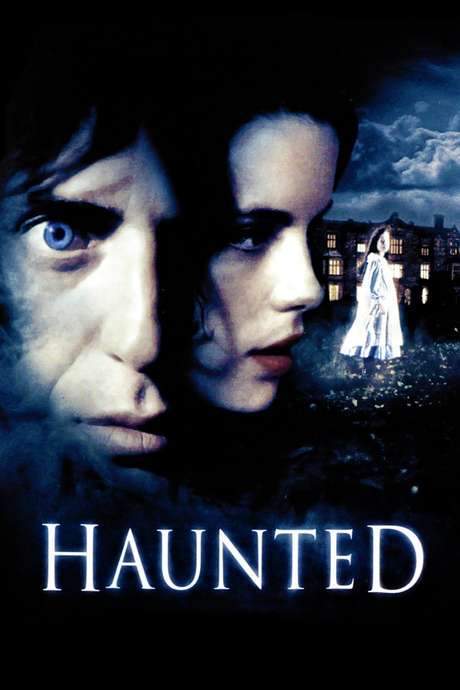
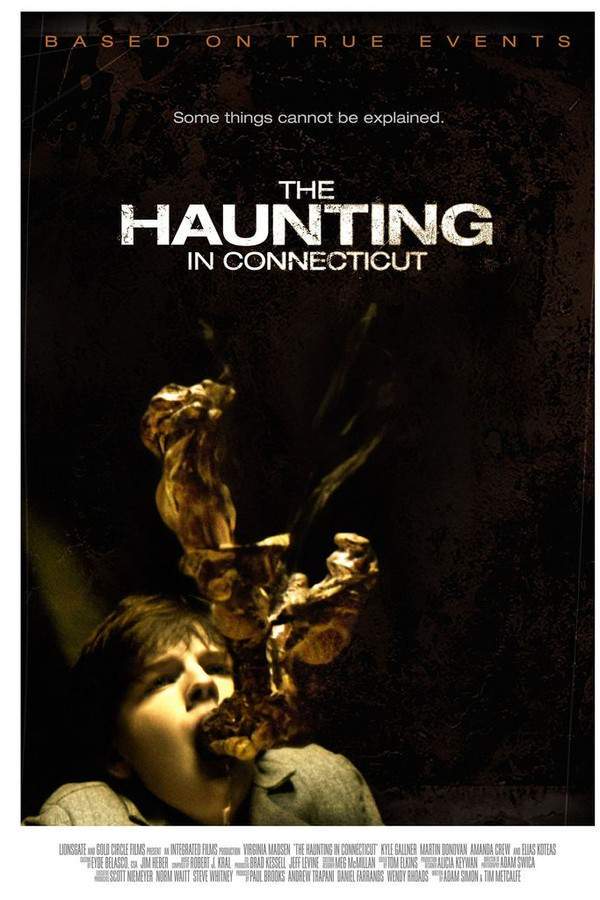
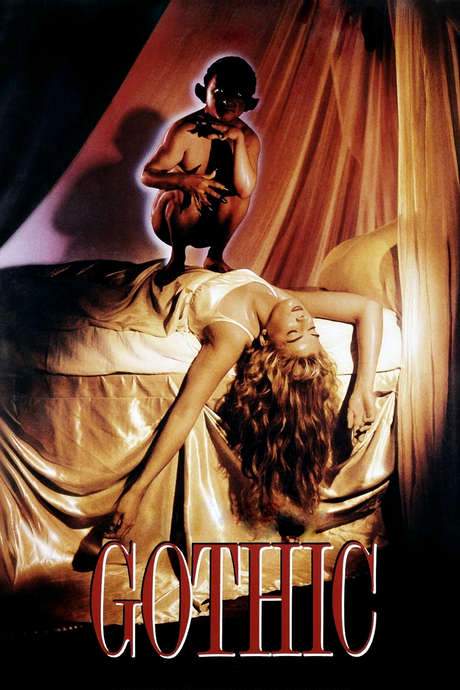
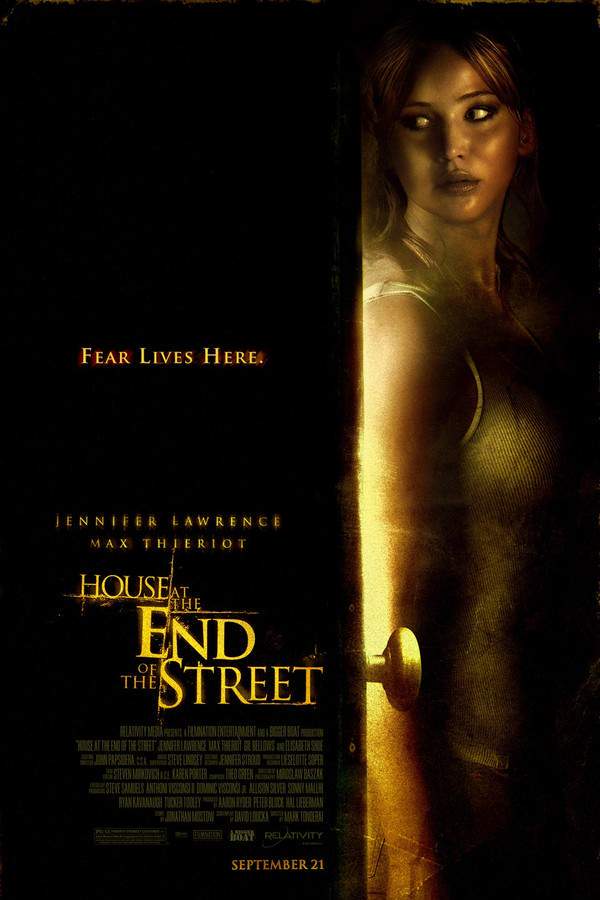
Gothic noir thrillers with sinister mansions like in The House on Telegraph Hill

Claustrophobic thrillers where a setting becomes a character and a prison.If you liked the claustrophobic tension and ominous setting of The House on Telegraph Hill, you'll enjoy these movies. This list features similar thrillers and mysteries where a gothic mansion or manor becomes a central character, housing dark secrets, conspiracy, and a pervasive sense of danger.

claustrophobicsuspensefulominousgothicparanoiduneasymelancholic

Narrative Summary

The narrative pattern typically involves a protagonist, often with a hidden past or secret, entering an unfamiliar and imposing domicile. The house's history and its inhabitants create a web of deception, often involving inheritance, greed, or long-buried crimes. The story unfolds through a series of escalating threats and revelations, all confined to the oppressive location.

Why These Movies?

Movies are grouped here by their shared use of a gothic or atmospheric setting as a primary source of tension. They blend the visual and thematic elements of film noir with the psychological dread of a haunted house story, creating a unique vibe of architectural paranoia.

Thrillers about post-war trauma and stolen identities like The House on Telegraph Hill

Thrillers where a desperate lie for survival unravels in a new life.For viewers who enjoyed the complex moral dilemma and high stakes of identity theft in The House on Telegraph Hill. This collection features movies with similar themes of post-traumatic survival, where assuming a dead person's identity leads to a dangerous new world of conspiracy and murder.

suspensefulmelancholicparanoiduneasypsychologicalguilt-ridden

Narrative Summary

The journey begins with a profound loss or trauma that motivates a radical act of deception. The protagonist steps into another's shoes, only to find that the new identity comes with unexpected baggage—greedy relatives, sinister secrets, or a conspiracy that puts them in immediate danger. The central conflict is the collision of their survival instinct with the consequences of the life they've stolen.

Why These Movies?

These films are united by the powerful thematic focus on the psychological toll of surviving catastrophe and the moral complexities of starting over through deception. They explore guilt, paranoia, and the struggle to build a new life on a foundation of lies.

Unlock the Full Story of The House on Telegraph Hill

Don't stop at just watching — explore The House on Telegraph Hill in full detail. From the complete plot summary and scene-by-scene timeline to character breakdowns, thematic analysis, and a deep dive into the ending — every page helps you truly understand what The House on Telegraph Hill is all about. Plus, discover what's next after the movie.

The House on Telegraph Hill Summary

Read a complete plot summary of The House on Telegraph Hill, including all key story points, character arcs, and turning points. This in-depth recap is ideal for understanding the narrative structure or reviewing what happened in the movie.

The House on Telegraph Hill Summary

The House on Telegraph Hill Timeline

Track the full timeline of The House on Telegraph Hill with every major event arranged chronologically. Perfect for decoding non-linear storytelling, flashbacks, or parallel narratives with a clear scene-by-scene breakdown.

The House on Telegraph Hill Timeline

The House on Telegraph Hill Spoiler-Free Summary

Get a quick, spoiler-free overview of The House on Telegraph Hill that covers the main plot points and key details without revealing any major twists or spoilers. Perfect for those who want to know what to expect before diving in.

The House on Telegraph Hill Spoiler-Free Summary

More About The House on Telegraph Hill

Visit What's After the Movie to explore more about The House on Telegraph Hill: box office results, cast and crew info, production details, post-credit scenes, and external links — all in one place for movie fans and researchers.

More About The House on Telegraph Hill

Similar Movies to The House on Telegraph Hill

Discover movies like The House on Telegraph Hill that share similar genres, themes, and storytelling elements. Whether you’re drawn to the atmosphere, character arcs, or plot structure, these curated recommendations will help you explore more films you’ll love.