


Plot Explained Spoilers guaranteed!
Plot Explained

Browse by genre

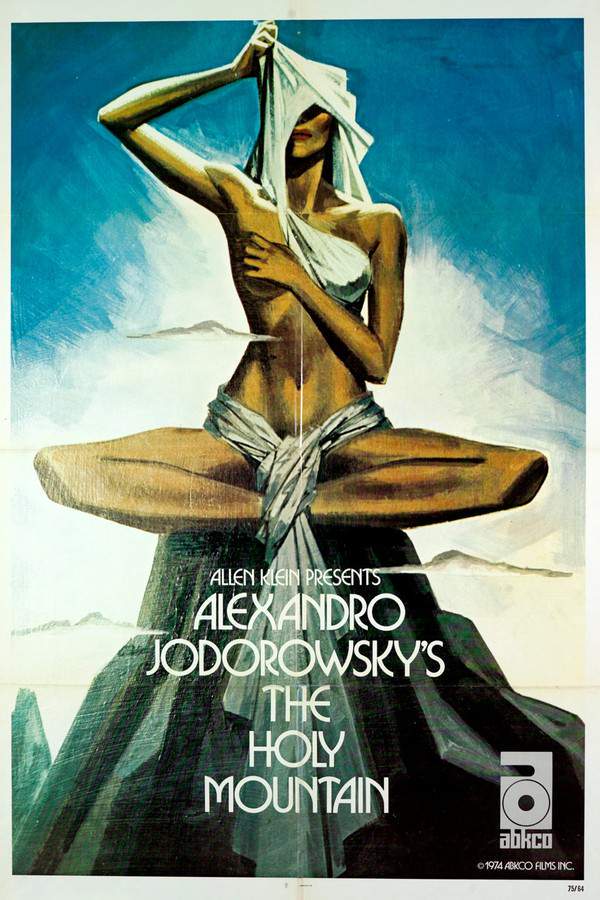
The Holy Mountain (1973) movie poster

Timeline

The Holy Mountain (1973) Timeline Explained – Every Event in Order

Release, runtime and language
1973 · 114 min · English
Starring
Alejandro Jodorowsky, Adriana Page, Burt Kleiner, Horacio Salinas, Juan Ferrara, Luis Lomelí

A mysterious alchemist leads a Christlike figure and seven self-absorbed individuals on a challenging quest to the legendary Holy Mountain. Their journey takes them through surreal and bizarre landscapes filled with dark humor and mystique. Along the way, they encounter ritualistic scenes that challenge conventional notions of piety and sacrilege, all while searching for spiritual discovery and confronting the pervasive nature of greed.

On this page (7)
  1. 1 Where to watch
  2. 2 Events in order (15)
  3. 3 Timeline questions answered
  4. 4 Movie threads
  5. 5 Movies like The Holy Mountain
  6. 6 Categories
  7. 7 Every angle

Where to watch

Where to Watch The Holy Mountain (1973)

Where can you watch The Holy Mountain? Stream, rent or buy it in the US, including on Apple TV Store: current JustWatch availability with up-to-date prices.

Streaming availability powered by JustWatch

15 events in order · contains spoilers

The Holy Mountain Timeline: Events in Chronological Order

Every key event of The Holy Mountain (1973) in order, scene by scene, with when and where it takes place. Use it to untangle flashbacks, time jumps and parallel storylines, to refresh your memory before the sequel or to find the exact scene you are thinking of.

  1. The Fool in the Desert

    A man, characterized as a thief, lies in the vast desert, exhibiting the traits of The Fool tarot card. Swarming flies surround him, and the scene is disrupted by a group of nude children who remove a flower from his hand.

    Where
    Desert
  2. Binding and Awakening

    The children and a limbless man bind the thief to a pole, pelting him with rocks as a form of cruel play. A sudden impact on his forehead jolts him awake, enabling him to free himself and scare the children away.

    Where
    Desert
  3. Bonding Over a Joint

    After regaining his freedom, the thief confronts the limbless man, waving a rock threateningly. In an unexpected twist, they instead bond over sharing a joint and decide to venture towards the city together.

    Where
    Desert
  4. Wax Statues of Christ

    Upon arriving in the city, the thief's resemblance to Jesus Christ leads to him becoming intoxicated by local revelers. In a bizarre series of events, they utilize his unconscious body to craft wax figures of Christ.

    Where
    City
  5. Destruction of Wax Figures

    When the thief finally regains consciousness, he finds himself surrounded by wax statues. In a fit of rage, he destroys all but one of the figures, symbolizing a violent rejection of the false identity imposed upon him.

    Where
    City
  6. Encounter with Prostitutes

    While wandering the city streets, the thief encounters a group of prostitutes, one of whom becomes enamored with him. This unexpected affection introduces a new dynamic in his unfolding adventures.

    Where
    City
  7. Conflict with the Priest

    The thief enters a hall filled with dancing soldiers and joyful locals but quickly finds himself at odds with a priest. The priest's disapproval escalates to a confrontation that forces him to leave the hall.

    Where
    City Hall
  8. The Act of Sacrifice

    In a shocking moment, the thief consumes the face of his remaining wax statue and sets it afloat with balloons. This act symbolizes both a grotesque form of communion and his offering of self to a higher power.

    Where
    City
  9. Gold for Food

    While exploring further, the thief discovers a crowd around a structure where a golden bag is exchanged for food. Compelled by curiosity, he climbs the tower, leading to an encounter with a mysterious alchemist.

    Where
    Tower
  10. Magical Transformation

    After an unusual exchange with the alchemist, the thief inadvertently defecates into a container during their meeting. To his astonishment, the alchemist magically transforms the waste into gold, prompting a significant change in the thief's fortunes.

    Where
    Tower
  11. The Alchemist's Apprentice

    After accepting the gold, the thief rejects his previous self by smashing a mirror. The alchemist then takes him under his wing, starting a new chapter in his life as an apprentice exploring transformation.

    Where
    Tower
  12. Meeting the Seven

    As part of his initiation, the thief meets seven distinct individuals, each representing negative traits of the planets. This eclectic group includes a cosmetics producer and a police chief among others, signifying a diverse new family.

    Where
    Alchemist's Abode
  13. Journey to Lotus Island

    Under the alchemist's guidance, the group embarks on a boat journey to Lotus Island, aiming to seek out the secret of immortality. However, they're quickly sidetracked by the vibrant distractions of the Pantheon Bar.

    Where
    Boat to Lotus Island
  14. Facing Fears

    Finally reaching the sacred mountain's peak, each member is confronted with visions of their innermost fears and desires. The experience proves both revealing and transformative for the group as they navigate these trials.

    Where
    Sacred Mountain
  15. Breaking the Fourth Wall

    In a surprising twist, the alchemist breaks the fourth wall, revealing the film crew behind the scenes. He instructs everyone, including the audience, to leave the mountain, emphasizing that 'real life' awaits beyond the narrative.

    Where
    Sacred Mountain

Last updated: November 04, 2024 at 01:39

Was this helpful?

Timeline questions answered

The Holy Mountain Timeline Explained: Your Questions Answered

When does it happen, and why in that order? The questions people ask about the chronology of The Holy Mountain (1973): time jumps, flashbacks, cause and effect between scenes and the correct order of events, each answered with spoilers.

Q1

Why does the alchemist turn the thief's excrement into gold?

The alchemist uses this act as a powerful symbolic lesson about transformation. He tells the thief 'You are excrement. You can change yourself into gold,' implying that even the most base or worthless aspects of a person can be transmuted into something valuable. This establishes the film's central theme of spiritual alchemy, changing one's inner nature through understanding and ritual.

  • alchemist
  • gold
  • transformation
  • excrement
  • spiritual alchemy
Q2

Why does the thief eat the face of his wax statue?

The thief consumes the wax face in a deliberate act of symbolic communion. Since the townspeople used his unconscious body to create wax statues of Christ, eating the face represents him consuming the identity they imposed on him, literally taking Christ's image into himself. He then sends the statue floating with balloons, offering this 'body of Christ' to heaven as a twisted form of sacrifice.

Foreshadowing: Earlier, the revelers intoxicate him precisely because he resembles Jesus, setting up this later act of consumption.

  • wax statue
  • Christ
  • communion
  • sacrifice
  • identity
Q3

Who are the seven people the thief meets and what do they represent?

The seven companions each personify negative planetary traits: a cosmetics producer (Venus), weapons manufacturer (Mars), millionaire art dealer (Jupiter), war toy creator (Saturn), political financial consultant (Uranus), police chief (Neptune), and architect (Pluto). The alchemist gathers them to undergo transformation, believing they must confront and transcend their destructive planetary influences to reach enlightenment.

  • seven planets
  • planetary symbols
  • companions
  • alchemist
  • transformation
Q4

What does the ending where the alchemist breaks the fourth wall mean?

At the mountain's peak, the alchemist suddenly addresses the camera crew, ordering 'Zoom back, camera!' and reveals the film equipment. He then tells everyone, including the audience, to leave, declaring 'Real life awaits us.' This breaks the film's narrative spell, suggesting the spiritual quest was an illusion and directly challenging viewers to apply any insights they've gained to their actual lives rather than escaping into cinema.

  • fourth wall
  • film crew
  • reality vs illusion
  • ending
  • meta
Q5

Why do an ape and a prostitute follow the thief to the mountain?

A young prostitute who became infatuated with the thief in the city pursues him throughout his journey. The ape appears to represent primal instinct or the untamed self. Both characters follow him to the mountain as the thief is sent back down, suggesting he must first integrate these base aspects of himself, physical desire and animal instinct, before achieving true transformation.

Foreshadowing: The prostitute's infatuation is established when she encounters the thief wandering the city streets.

  • ape
  • prostitute
  • following
  • symbolic journey
  • regression
Q6

Why are the nine immortal masters revealed as faceless dolls?

When the remaining group reaches the summit expecting to meet nine immortal masters, they discover only dolls beneath cloaks. This reveals that the quest for external spiritual masters or mystical shortcuts was futile, the 'immortals' were illusions. True transformation must come from within, not from seeking divine figures to bestow enlightenment.

  • immortals
  • dolls
  • holy mountain
  • enlightenment
  • illusion
Q7

Why does the thief smash the mirror after receiving the gold?

After the alchemist transforms his waste into gold, the thief sees his reflection in a mirror and violently smashes it. This act represents his rejection of his former identity, he cannot face who he was (a lowly thief) now that he possesses golden wealth. It marks his commitment to abandoning his past self and entering the alchemist's spiritual path.

  • mirror
  • rejection
  • identity
  • transformation
  • gold
Q8

Why does the alchemist send the thief back down the mountain?

As they approach the summit, the alchemist specifically sends the thief back down the mountain accompanied by the prostitute and ape. This appears to be a test or necessary step, the thief must first reconcile with his base desires and instincts (represented by the prostitute and ape) before he's ready for final enlightenment. He hasn't yet integrated all aspects of himself.

  • thief return
  • mountain
  • prostitute
  • ape
  • spiritual progression
Q9

What is the significance of the planetary symbols on the staffs?

Each member of the group carries a staff bearing their planetary symbol: the alchemist wields the Sun, the thief carries the Moon, and his assistant holds Mercury. The seven companions each have their respective planetary symbols. These staffs represent their cosmic identities and the astrological influences they must transcend. The Sun likely represents ultimate transformation or the goal of enlightenment.

  • staffs
  • planets
  • sun moon mercury
  • symbols
  • alchemy
Q10

Why does the Pantheon Bar sidetrack the group from their quest?

The Pantheon Bar represents worldly distractions that derail spiritual seekers. Despite the group's mission to reach the Holy Mountain, they abandon their quest temporarily for drugs, poetry, and displays of physical prowess. This scene illustrates how easily even those committed to transformation can become seduced by immediate pleasures and ego-driven performances.

  • pantheon bar
  • distraction
  • drugs
  • party
  • quest interruption
Q11

Why is the thief's resemblance to Jesus significant to the plot?

The thief's physical similarity to Jesus triggers key events: townspeople intoxicate him to create wax Christ statues, and he later performs a twisted communion by eating a wax statue's face. This resemblance establishes him as a Christ figure undergoing transformation, though his journey subverts traditional religious narrative, his 'sacrifice' is grotesque rather than sacred.

  • Jesus
  • Christ figure
  • wax statues
  • resemblance
  • sacrifice

Movie threads

More Movies Like The Holy Mountain, by Mood & Story

Curated lists built around what makes The Holy Mountain tick: the same mood, the same kind of story or the same emotional payoff. Each list explains why these movies belong together.

Surreal spiritual quest movies like The Holy Mountain

Avant-garde pilgrimages using bizarre imagery to explore profound spiritual truths. Discover movies like The Holy Mountain that use dreamlike logic and avant-garde filmmaking for a surreal spiritual journey. These films explore themes of enlightenment and mysticism through bizarre, symbolic imagery, perfect for viewers seeking a philosophically complex and visually transgressive cinema experience.

  • surreal
  • mystical
  • transgressive
  • philosophical
  • symbolic
  • dreamlike
  • Tone: dark, mystical, confrontational
  • Pacing: variable, ritualistic
Why these movies?

The story pattern: Stories in this thread typically follow a quest structure, often guided by a mysterious figure, where characters traverse a symbolic landscape. The narrative is less about a clear goal and more about the internal, philosophical transformation spurred by encountering the bizarre and the sacred.

Why they belong together: These films are grouped by their shared commitment to using surrealism as a direct tool for spiritual exploration. They possess a similar high-intensity, intellectually demanding vibe, combining dark or transgressive tones with a focus on metaphysical themes and a very complex, often non-linear structure.

Absurdist social satire films like The Holy Mountain

Films that use jarring absurdity and dark humor to attack societal structures. If you liked The Holy Mountain's satirical edge, explore these movies that use absurd and surreal humor to critique society. These films share a darkly comic, confrontational tone and a tendency to use bizarre imagery to expose greed, hypocrisy, and the folly of human institutions in a similarly transgressive style.

  • absurd
  • satirical
  • confrontational
  • jarring
  • grotesque
  • dark humor
  • Tone: dark, satirical, jarring
  • Pacing: variable, chaotic
Why these movies?

The story pattern: Narratives in this thread often deconstruct familiar institutions or behaviors by placing them in illogical or exaggerated contexts. The plot serves the satire, leading characters through a series of absurd encounters designed to reveal underlying truths about power, consumerism, or faith.

Why they belong together: These films are united by their use of absurdism and dark humor as primary weapons for social commentary. They share a confrontational mood, a variable pacing that can shift from slow ritual to chaotic frenzy, and a thematic focus on exposing the grotesque underbelly of civilization.

If you liked this

Movies Like The Holy Mountain

Similar movies to The Holy Mountain: the same genre, themes or kind of story. Each one comes with its own plot summary, timeline and ending explained.

Browse all movie summaries

Categories

Movie Lists Featuring The Holy Mountain

The Holy Mountain appears in these hand-built movie categories. Each one groups movies by a specific mood, theme or story type, with their plot summaries and endings explained.

View all movie categories

Every angle

The Holy Mountain (1973) Explained: Plot, Timeline & Characters

Everything about The Holy Mountain in one place: what happens in the plot summary, the timeline in chronological order, the characters and meaning and a spoiler-free summary. What's After the Movie adds the cast, box office and post-credit scenes.

Coming soon on iOS and Android

The Plot Explained Movie Summary App

Plot summaries, endings explained and timelines on your phone. Catch up on any movie in minutes, save your favorites and never miss a twist again.

Be the first to know when we launch. Your email stays private, always.

Learn more about the app