Plot Explained Spoilers guaranteed!
Plot Explained

Browse by genre

The Face of Another (2013) movie poster

Characters & Themes

The Face of Another (2013) Characters, Setting & Themes Explained

Release, runtime and language
2013 · 84 mins · Italian
Loading streaming availability…
Directed by
Pappi Corsicato
Starring
Alessandro Preziosi, Fabrizio Contri, Laura Chiatti, Lino Guanciale, Arnaldo Ninchi, Elisa Di Eusanio

Bella hosts a television program centered around plastic surgery, with her husband René, a surgeon, performing live operations. After a ratings decline, Bella is unexpectedly fired and suffers a disfiguring car accident. What appears to be a devastating blow to her career surprisingly provides an opportunity to reinvent her public image and relaunch her own brand.

On this page (7)
  1. 1 Where to watch
  2. 2 Characters explained (4)
  3. 3 Where & when it takes place
  4. 4 Themes & meaning (3)
  5. 5 Character & meaning questions
  6. 6 Movie threads
  7. 7 Every angle
Loading streaming availability…

4 main characters · contains spoilers

The Face of Another Characters Explained: Who Is Who

The main characters of The Face of Another (2013), heroes and villains: what drives them, how they change over the course of the story and what each of them reveals about the film's bigger ideas.

  • Okuyama

    An educated engineer whose face is forever altered by an industrial blast. Isolated by his disfigurement, he seeks a path to normalcy through a prosthetic mask, testing the boundaries between reality and performance as he disguises himself in daily life.

    • 💡 Thoughtful
    • 🧭 Obsessed with control
    • 🔍 Disguised
    • 🗝️ Secretive
  • Dottore assicurazione

    played by Arnaldo Ninchi

    A psychiatrist who recognizes the fragility of Okuyama's identity and proposes a dangerous experiment to craft and fit a mask. He contemplates the ethical implications of rewriting a person’s self, and later defends his patient by vouching for his harmlessness.

    • 🧠 Intellectual
    • 🧪 Ethical
    • 💬 Manipulative
  • Moglie camperista

    played by Elisa Di Eusanio

    Okuyama's wife, who confronts the deception of her spouse. She hints that she has known his true identity from the start, resisting forgiveness and choosing to maintain distance from the life built on lies.

    • ❤️ Domestic
    • 🕯️ Disillusioned
    • 💔 Betrayed
  • Giovane donna con cicatrice

    A young woman with a disfiguring scar who works in a psychiatric ward. Her scar becomes a symbol of war memory and isolation, and her relationship with her brother carries tragic undertones as the narrative hints at forbidden affection and loss.

    • 🧭 Trauma
    • 🏥 Hospital setting
    • 🪞 Disfigurement

Last updated: October 03, 2025 at 06:38

Was this helpful?

Setting

Where and When Does The Face of Another Take Place?

The setting of The Face of Another (2013): the year and time period, the places and locations, and how they shape the characters, the mood and the tension of the story.

Time period

Postwar Japan, 1950s

The narrative situates itself after World War II, during a period of reconstruction, memory, and rapid modernization in Japan. The scars of war influence characters’ desires to normalize themselves and control how they are seen by others. This era provides the backdrop for the film’s exploration of identity and morality.

Location

Japan, Nagasaki

Set in postwar Japan, the story traverses urban cityscapes and intimate locations such as a seaside inn and a hospital ward. The environment contrasts clinical spaces with domestic life, underscoring how appearances shape perception in daily existence.

  • 🏙️ Urban Japan
  • 🏖️ Seaside inn
  • 🏥 Hospital/ward

Last updated: October 03, 2025 at 06:38

Was this helpful?

3 major themes

The Face of Another Meaning: Themes & Message Explained

What is The Face of Another (2013) really about? The emotional, social and philosophical themes the film keeps returning to, its symbolism and the message beneath the surface.

  • Identity

    Okuyama's transformation through a prosthetic mask triggers a crisis of identity. The mask allows him to move unseen and act as someone else, blurring the line between self and appearance. The film questions whether a crafted facade can sustain a genuine self or if the altered perception becomes the new reality.

  • Morality

    The psychiatrist's experiment raises ethical questions about consent, manipulation, and the commodification of identity. The possibility of mass-producing masks suggests a future where morality is optional and appearances dictate behavior. The characters wrestle with responsibility for actions that slip from true intention into performed persona.

  • Trauma

    Memory of war and physical scars haunt both protagonists and the secondary narrative. The disfigured figures symbolize collective trauma and the longing for normalization. The seaside and hospital imagery anchor personal pain to broader historical wounds.

Last updated: October 03, 2025 at 06:38

Was this helpful?

Character & theme questions

The Face of Another Characters & Meaning: Your Questions Answered

The questions people ask about The Face of Another (2013): who the characters really are, their relationships, what the symbols mean, where it takes place and what the movie is really about. Each answer contains spoilers.

Q1

Where is the movie set?

The film is set in postwar Japan during the 1950s, primarily in urban environments that reflect the reconstruction era. Key locations include a seaside inn and a hospital ward, with the story also touching on Nagasaki. The contrast between clinical medical spaces and intimate domestic settings underscores how appearances shape perception in daily life.

  • postwar japan
  • 1950s
  • setting
  • nagasaki
  • japanese cinema
Q2

When does the story take place?

The narrative unfolds in postwar Japan during the 1950s, a period of reconstruction and rapid modernization. This era is significant because the scars of war influence characters' desires to normalize themselves and control how they are perceived by others. The time period provides the backdrop for the film's exploration of identity, morality, and the lingering effects of collective trauma.

  • 1950s
  • postwar japan
  • time period
  • reconstruction era
Q3

What does the film explore about identity?

The movie centers on identity crisis triggered by disfigurement and the use of a prosthetic mask. The protagonist Okuyama's transformation through the mask allows him to move unseen and act as someone else, blurring the line between self and appearance. The film questions whether a crafted facade can sustain a genuine self or if the altered perception becomes the new reality.

  • identity
  • mask
  • self
  • appearance
  • disfigurement
  • okuyama
Q4

What ethical themes does the film examine?

The psychiatrist's experiment raises significant ethical questions about consent, manipulation, and the commodification of identity. The possibility of mass-producing masks suggests a future where morality becomes optional and appearances dictate behavior. Characters grapple with responsibility for actions that slip from true intention into performed persona, questioning whether deception can ever be justified.

  • morality
  • ethics
  • consent
  • manipulation
  • psychiatrist
  • mask experiment
Q5

How does the film address war trauma?

Memory of war and physical scars haunt both protagonists and secondary characters throughout the narrative. The disfigured figures symbolize collective trauma and the longing for normalization in postwar society. The seaside and hospital imagery anchors personal pain to broader historical wounds, suggesting that individual suffering is inextricably linked to the collective experience of wartime devastation.

  • war trauma
  • scars
  • memory
  • collective trauma
  • Nagasaki
  • disfigurement
Q6

Who is Okuyama and what is his role?

Okuyama is an educated engineer whose face is permanently altered by an industrial blast. Isolated by his disfigurement, he seeks a path to normalcy through a prosthetic mask, testing the boundaries between reality and performance as he disguises himself in daily life. His journey forms the psychological core of the film, exploring how trauma reshapes one's sense of self.

  • okuyama
  • engineer
  • disfigurement
  • mask
  • protagonist
Q7

Who is the psychiatrist in the story?

The psychiatrist, Arnaldo Ninchi, is the doctor who recognizes the fragility of Okuyama's identity and proposes a dangerous experiment to craft and fit a prosthetic mask. He contemplates the ethical implications of rewriting a person's self, and later defends his patient by vouching for his harmlessness. His role represents the clinical manipulation of human identity and raises questions about medical responsibility.

  • psychiatrist
  • doctor
  • arnaldo ninchi
  • mask experiment
  • ethics
Q8

Who is Okuyama's wife in the film?

Okuyama's wife, Elisa Di Eusanio, confronts the deception of her spouse wearing the mask. She hints that she has known his true identity from the start, yet resists forgiveness and chooses to maintain distance from the life built on lies. Her character represents the human cost of identity deception and the impossibility of sustaining relationships founded on concealment.

  • wife
  • elisa di eusanio
  • marriage
  • deception
  • forgiveness
Q9

What do the different locations represent?

The film uses contrasting settings to reinforce its themes. Urban Japan represents modernizing society and the importance of appearances. The seaside inn offers a liminal space where characters confront inner truths. The hospital ward symbolizes clinical intervention in identity and the medicalization of selfhood. These environments underscore how appearances shape perception in daily existence.

  • settings
  • locations
  • hospital
  • seaside inn
  • urban japan
  • symbolism
Q10

Who is the young woman with the scar?

A young woman with a disfiguring scar works in a psychiatric ward. Her scar becomes a symbol of war memory and isolation, connecting individual trauma to collective suffering. Her relationship with her brother carries tragic undertones as the narrative hints at forbidden affection and loss, providing a secondary narrative thread that mirrors the protagonist's own journey.

  • scarred woman
  • psychiatric ward
  • war memory
  • isolation
  • secondary character
Q11

Why is the postwar setting important to the story?

The postwar 1950s Japan setting is crucial because it provides historical context for the characters' preoccupations with appearance and normalcy. The reconstruction period created intense social pressure to move beyond wartime trauma and present a normalized face to the world. This era of rapid modernization and identity reinvention makes the film's exploration of artificial identity particularly resonant.

  • postwar
  • reconstruction
  • japanese society
  • normalization
  • social pressure

Movie threads

More Movies Like The Face of Another, by Mood & Story

Curated lists built around what makes The Face of Another tick: the same mood, the same kind of story or the same emotional payoff. Each list explains why these movies belong together.

Movies with clinical psychological horror like The Face of Another

Stories where psychological trauma is dissected with sterile, unsettling precision. If you liked the chilling, detached atmosphere of The Face of Another, explore more movies like it. This section features similar films where psychological trauma and identity dissolution are presented with a cold, analytical eye, creating a uniquely unsettling viewing experience.

  • clinical
  • unsettling
  • psychological
  • dissociative
  • philosophical
  • claustrophobic
  • Tone: dark, unsettling, clinical
  • Pacing: slow, deliberate
Why these movies?

The story pattern: Narratives in this thread often follow characters grappling with severe trauma, disfigurement, or existential dread. The journey is one of internal collapse, where the boundary between self and other, reality and delusion, becomes dangerously blurred. The structure may be complex, reflecting the fractured state of the protagonist's mind.

Why they belong together: These films are grouped by their shared tone of clinical detachment paired with deeply disturbing subject matter. They create a specific vibe of intellectual horror, where the audience is asked to observe psychological unraveling from a cool, almost scientific distance, which paradoxically makes the emotional impact more profound.

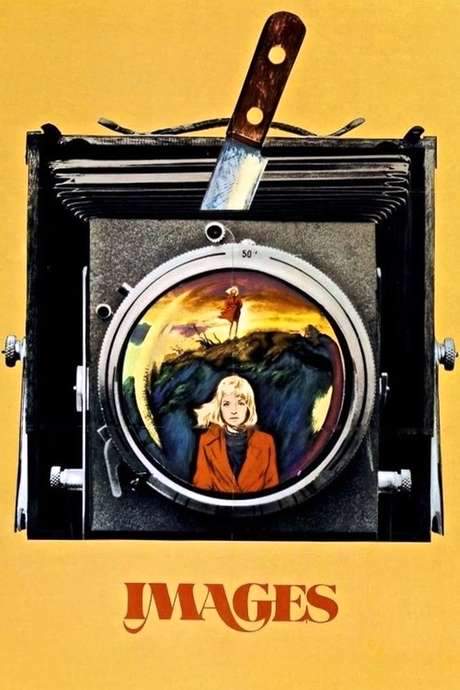
Bleak existential dramas similar to The Face of Another

Philosophical journeys into isolation that offer no redemption or hope. For viewers seeking more movies like The Face of Another that explore heavy themes of alienation and identity. These similar films share a bleak, philosophical outlook and a narrative complexity that challenges the audience, culminating in endings that provide little solace.

  • bleak
  • philosophical
  • isolated
  • melancholic
  • existential
  • dreamlike
  • Tone: bleak, philosophical, melancholic
  • Pacing: slow, meditative
Why these movies?

The story pattern: The narrative pattern involves characters confronting the void—whether through trauma, societal rejection, or intellectual revelation. Their journeys are typically downward spirals, where attempts to connect or find purpose are met with failure or violence. The endings are conclusively bleak, reinforcing the core themes of existential futility.

Why they belong together: Movies in this thread are united by their uncompromisingly bleak perspective on the human condition. They share a heavy emotional weight, complex philosophical underpinnings, and a pacing that allows the sense of dread and alienation to fully permeate the story, resulting in a powerful, if harrowing, experience.

Every angle

The Face of Another (2013) Explained: Plot, Timeline & Characters

Everything about The Face of Another in one place: what happens in the plot summary, the timeline in chronological order, the characters and meaning and a spoiler-free summary. What's After the Movie adds the cast, box office and post-credit scenes.

Coming soon on iOS and Android

The Plot Explained Movie Summary App

Plot summaries, endings explained and timelines on your phone. Catch up on any movie in minutes, save your favorites and never miss a twist again.

Be the first to know when we launch. Your email stays private, always.

Learn more about the app