Plot Explained Spoilers guaranteed!
Plot Explained

Browse by genre

The Drawer Boy (2017) movie poster

Timeline

The Drawer Boy (2017) Timeline Explained – Every Event in Order

Release, runtime and language
2017 · 98 mins · English
Loading streaming availability…
Directed by
Arturo Pérez Torres
Starring
Richard Clarkin, Stuart Hughes, Heidi Lynch, Jakob Ehman, Courtney Lancaster, Sochi Fried

In 1972 Ontario, a young Toronto theatre actor named Miles travels to Huron County to stay with Angus and Morgan, two elderly bachelor farmers. He intends to collect stories about rural life to inspire a play, but his arrival profoundly impacts all three men. As Miles attempts to capture their experiences through his art, the boundaries between reality and fiction become blurred, leading to irreversible changes in their lives.

On this page (5)
  1. 1 Where to watch
  2. 2 Events in order (12)
  3. 3 Timeline questions answered
  4. 4 Movie threads
  5. 5 Every angle
Loading streaming availability…

12 events in order · contains spoilers

The Drawer Boy Timeline: Events in Chronological Order

Every key event of The Drawer Boy (2017) in order, scene by scene, with when and where it takes place. Use it to untangle flashbacks, time jumps and parallel storylines, to refresh your memory before the sequel or to find the exact scene you are thinking of.

  1. Miles arrives to research farm life for the new play

    Miles, a young actor from a Toronto theatre group, travels to the rural Ontario home of Morgan and Angus to observe farm life. He plans to use their experiences as the source material for a new play. This visit marks the beginning of a collaborative process where their lives may be reshaped for the stage.

    Where
    Rural Ontario farm
  2. Miles initiates a collaborative storytelling approach

    Miles demonstrates how a collective creation can be formed from real memories and stories. He begins guiding the farmers through telling their lives, promising to 'get your history and give it back to you.' The farm becomes a shared workshop as storytelling supersedes simple observation.

    Where
    Morgan and Angus's farmhouse
  3. Morgan's care creates a delicate balance on the farm

    Morgan, tough-minded and stubborn, tends to Angus, who relies on him after brain damage and memory loss from World War II. The two men have developed a precarious but functional life together, with Morgan providing steadiness and Angus anchoring the memory of their past. Their relationship is central to the story's emotional core.

    Where
    Morgan and Angus's farmhouse
  4. Angus is identified as drawer boy by his past talents

    Angus is introduced as someone who once designed buildings and possesses the talents of an architect. The nickname 'drawer boy' hints at a lost future that the group tries to recover through storytelling. This memory becomes a touchstone for the unfolding drama about history and identity.

    Where
    Farm setting
  5. Morgan retells their life with two tall women in Canada

    To calm Angus, Morgan recounts a shared history that includes two tall women who came to live with them in Canada. The tale functions as a cornerstone of their imagined past and raises questions about the veracity of what is being told. The moment blurs the line between lived memory and storytelling performance.

    Where
    Farmhouse
  6. Miles realizes the storyteller's tale is fiction

    As the play inside the story unfolds, Miles discovers that the life they're presenting as history is really a fiction. He recognizes that this crafted version may be more dramatic and meaningful than the truth, yet it also risks erasing the real experiences of Morgan and Angus. The revelation unsettles their trust and the future of their collaboration.

    Where
    Farmhouse
  7. The truth becomes sadder than the fiction

    Miles learns that the real history behind their lives is far sadder than the constructed tale. The fictional narrative, though powerful in its emotional resonance, masks pain and loss that could undermine the friendship between the two men. The story's honesty demands a reckoning.

    Where
    Farmhouse
  8. Storytelling as a force that revives memory

    In the process of telling their story as a play, Miles inadvertently reawakens Angus's memory. The act of shared storytelling acts as a catalyst for memory to surface, suggesting that art can unlock suppressed histories. The boundary between performance and memory becomes increasingly porous.

    Where
    Farmhouse
  9. Art blurs into life; Miles becomes the drawer boy

    Miles positions himself as the drawer boy, shaping an alternate reality from their experiences. Through his staging, he not only documents their history but also transforms it into living art. The line between lifeworld and theatre becomes indistinct.

    Where
    Farmhouse / workshop space
  10. The Drawer Boy premieres in Toronto

    The play as produced on stage debuts in Toronto at Theatre Passe Muraille in 1999. It is presented as a new Canadian drama that blends personal history with theatrical experimentation. The premiere marks the transition of their story from farm to stage.

    When
    1999
    Where
    Toronto, Theatre Passe Muraille
  11. Subsequent major production in 2001

    The production transfers to higher-profile venues, with Ed Mirvish Productions mounting a run at the Winter Garden Theatre in Toronto and a staging at Manitoba Theatre Centre in Winnipeg in 2001. The show gains wider audiences and recognition, reinforcing its status as a landmark Canadian work. These productions broaden the reach of the story beyond its rural origins.

    When
    2001
    Where
    Toronto, Winter Garden Theatre; Winnipeg, Manitoba Theatre Centre
  12. London premiere at Finborough Theatre

    The Drawer Boy reaches an international stage with a London premiere at Finborough Theatre on 19 June 2012. The production introduces the Canadian story to UK audiences and confirms the play's enduring relevance. The London run is a key milestone in the show's touring life.

    When
    19 June 2012
    Where
    London, Finborough Theatre

Last updated: October 01, 2025 at 13:04

Was this helpful?

Timeline questions answered

The Drawer Boy Timeline Explained: Your Questions Answered

When does it happen, and why in that order? The questions people ask about the chronology of The Drawer Boy (2017): time jumps, flashbacks, cause and effect between scenes and the correct order of events, each answered with spoilers.

Q1

Why does Morgan tell Angus about the two tall women who came to Canada?

Morgan created the story of the two tall women as a way to comfort Angus and maintain a positive shared history. Since Angus suffers from memory loss due to brain damage from World War II, Morgan uses this fictional narrative to give Angus something meaningful to hold onto. The story functions as a protective fiction that preserves their sense of belonging and purpose, even though neither man fully believes it anymore.

Foreshadowing: Earlier in their lives, Morgan and Angus had very little, so Morgan crafted this tale to give them both hope and a sense of having a shared past worth remembering.

  • morgan
  • angus
  • two tall women
  • fiction
  • memory loss
  • storytelling
Q2

What caused Angus's memory loss and brain damage?

Angus sustained his brain damage from the London bombing during World War II. The injury left him with fragile memory and cognitive difficulties, which is why he relies on Morgan for daily care and why the two men have built their lives around a careful routine.

Foreshadowing: The play hints at Angus's lost potential when it mentions he once designed buildings, suggesting his injury erased a promising future as an architect.

  • angus
  • brain damage
  • world war ii
  • london bombing
  • memory loss
Q3

What does the "drawer boy" nickname refer to?

"Drawer boy" refers to Angus's past talent as an architect or building designer. The nickname comes from his ability to draw, which represents a lost future that was shattered by his war injury. The title of the play suggests both Miles's role in "drawing" their story for the stage and Angus's original identity as someone who once created blueprints.

Foreshadowing: The nickname hints at a time before the war when Angus had ambitions and skills that pointed toward a different life.

  • drawer boy
  • angus
  • architect
  • nickname
  • building designer
Q4

Why is the real history of Morgan and Angus sadder than their fictional story?

The actual history behind Morgan and Angus contains more pain and loss than the hopeful tale about the two women. While the fictional story provides comfort and meaning, the true events of their lives involve greater hardship and loneliness. Exposing the fiction risks dismantling the fragile peace they've built together.

Foreshadowing: The play's tension comes from knowing that the comforting story masks a more difficult reality that could destabilize their relationship.

  • truth
  • fiction
  • sadness
  • real history
  • story versus truth
Q5

How does the storytelling process help Angus regain his memory?

When Miles guides Morgan and Angus through telling their life story as a play, the shared act of dramatic retelling inadvertently awakens dormant memories in Angus. The combination of emotional engagement and narrative structure acts as a catalyst, unlocking suppressed histories. Art becomes a vehicle for memory to resurface where straight questioning had failed.

Foreshadowing: Miles's promise to "get your history and give it back to you" foreshadows how the theatrical process will literally restore something thought lost.

  • storytelling
  • memory
  • Angus
  • play
  • art
  • recovery
Q6

What is the relationship between Morgan and Angus?

Morgan and Angus are elderly bachelor farmers who have lived together for decades. Morgan serves as Angus's primary caregiver due to Angus's brain damage from WWII, providing daily support while maintaining their farm. Their bond is one of deep, unspoken loyalty, they depend on each other functionally and emotionally, though neither expresses this directly.

Foreshadowing: Morgan's blunt, protective nature toward Angus reveals a man who has dedicated his life to caring for his friend despite the difficulty.

  • morgan
  • angus
  • relationship
  • farmers
  • caregiving
  • partnership
Q7

Why does Miles want to turn their lives into a play?

Miles is a young Toronto theatre actor researching rural life for a new play. He initially approaches Morgan and Angus as source material for his artistic project, intending to collect their stories and transform them into theatre. However, his role evolves as he becomes emotionally invested in their lives.

Foreshadowing: Miles arrives with the explicit goal of using their experiences for his art, setting up the central tension between observation and intervention.

  • miles
  • actor
  • play
  • theatre
  • research
  • toronto
Q8

Why does Miles decide to include the fictional story in his play?

Miles realizes that while the story about the two women is not factually true, it carries greater emotional truth and meaning than the actual sad history. He chooses to include the fiction because it has become more valuable to Angus's sense of identity and wellbeing than strict factual accuracy. The play becomes a space where emotional truth matters more than historical record.

Foreshadowing: Miles's discovery that the fiction is "sadder than the fiction" reveals that the constructed story serves a deeper purpose than simple deception.

  • miles
  • fiction
  • play
  • emotional truth
  • inclusion
  • artistic choice
Q9

What happens to Morgan and Angus's friendship during the play-making process?

The process of exposing and performing their story strains the equilibrium Morgan and Angus have maintained for years. While the storytelling ultimately brings Angus's memory back, it also forces Morgan to confront whether his protective fiction has been helping or hindering his friend. Their friendship survives but is redefined by the new understanding between them.

Foreshadowing: Morgan's protective instinct throughout the story suggests he will struggle with the tension between keeping Angus comfortable and allowing painful truth.

  • morgan
  • angus
  • friendship
  • strain
  • truth
  • redefinition
Q10

How does art begin to blur with reality in the story?

As Miles documents and stages their lives, the farm's routine starts to take on performance-like qualities. The farmers begin telling their story as drama, and Miles himself becomes part of the narrative he is creating. The line between observing life and reshaping it becomes indistinguishable, with the play eventually changing the relationships it depicts.

Foreshadowing: Miles's arrival initially seems like simple research, but his presence gradually transforms the farm into a workshop where life and theatre merge.

  • art
  • reality
  • performance
  • theatre
  • blurring
  • transformation
Q11

What is Morgan trying to protect Angus from by maintaining the fiction?

Morgan is protecting Angus from the painful truth of their shared history, which contains more loss and hardship than the uplifting tale about the two women. He fears that confronting the real sadness of their past could destabilize Angus's fragile mental state and damage the bond they have built. His fiction is an act of love disguised as deception.

Foreshadowing: Morgan's careful management of Angus's environment throughout the play shows his ongoing commitment to shielding his friend from emotional harm.

  • morgan
  • protection
  • angus
  • fiction
  • truth
  • pain
Q12

Why does Angus require Morgan's constant care on the farm?

Angus requires constant care because his brain damage from the London bombing during WWII has left him with significant memory impairment and cognitive difficulties. He cannot reliably care for himself, so Morgan handles daily tasks, manages the farm, and ensures Angus takes his medications and maintains routines. This caretaking defines their relationship and their daily life together.

Foreshadowing: The opening scenes establish Morgan as the steady, practical anchor while Angus drifts in his own world, dependent on his friend's vigilance.

  • angus
  • care
  • morgan
  • brain damage
  • farming
  • daily life

Movie threads

More Movies Like The Drawer Boy, by Mood & Story

Curated lists built around what makes The Drawer Boy tick: the same mood, the same kind of story or the same emotional payoff. Each list explains why these movies belong together.

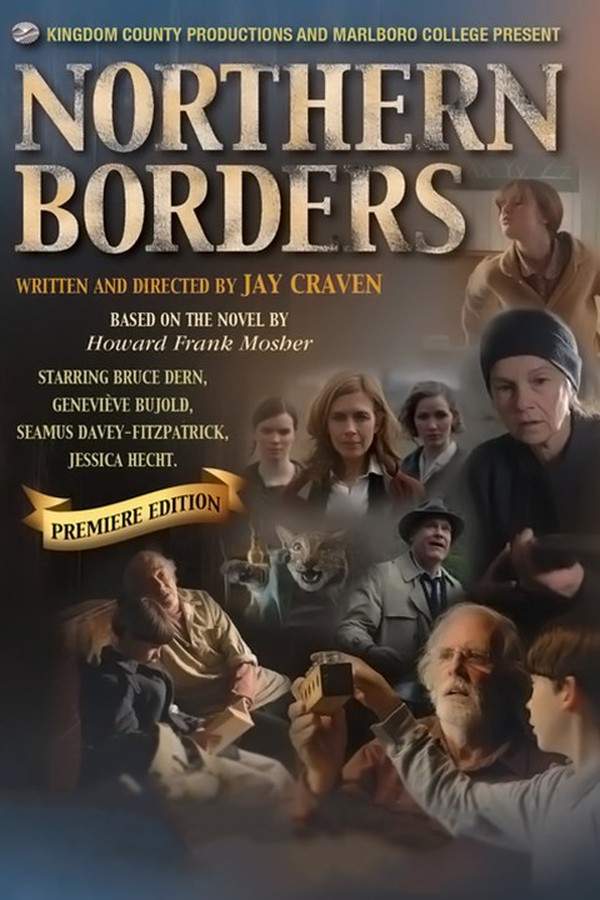
Movies exploring memory and truth like The Drawer Boy

Quiet narratives where storytelling blurs the lines between past and present. If you liked the quiet exploration of memory in The Drawer Boy, you'll appreciate these similar films. This section features character-driven dramas where storytelling and recollection are central, creating thoughtful and bittersweet stories.

  • reflective
  • melancholic
  • quiet
  • nostalgic
  • poignant
  • thoughtful
  • Tone: reflective, poignant, bittersweet
  • Pacing: slow, deliberate
Why these movies?

The story pattern: These narratives typically follow characters who are confronted with, or actively uncovering, the nature of their own or others' pasts. The central conflict often revolves around the difference between factual accuracy and emotional truth, with the story unfolding through quiet revelations rather than dramatic action.

Why they belong together: Movies are grouped here based on their shared meditative mood, focus on memory as a central theme, and a narrative structure that prioritizes emotional discovery. They offer a similar experience of thoughtful reflection and a gentle, yet impactful, pacing.
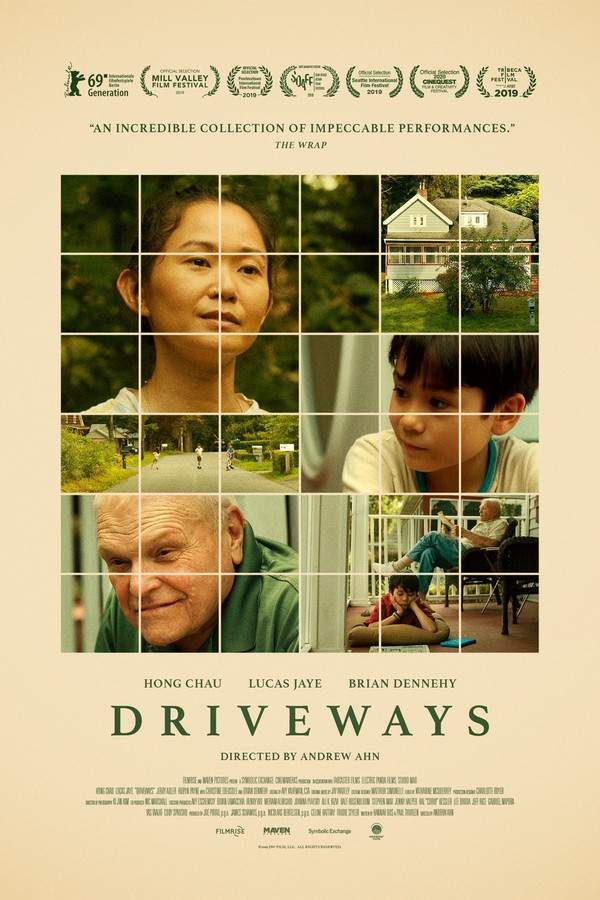
Art-imitating-life dramas similar to The Drawer Boy

Stories where an artist's work unexpectedly transforms real lives. For viewers who enjoyed how art impacted life in The Drawer Boy, this section collects movies where creative processes like writing, acting, or painting lead to unexpected and transformative consequences for the characters.

  • thoughtful
  • transformative
  • poignant
  • contemplative
  • emotional
  • character-driven
  • Tone: bittersweet, transformative, thoughtful
  • Pacing: steady, character-driven
Why these movies?

The story pattern: The narrative pattern involves an outsider, often an artist, entering a closed world to observe or document. Their artistic project initially serves as a frame, but as they dig deeper, the boundary between observer and participant dissolves. The act of creation itself becomes the central event, reshaping relationships and revealing core truths.

Why they belong together: These movies share a common plot engine: the collision of artistic creation with raw human experience. They are united by a bittersweet tone, a moderate complexity in exploring the ethics of storytelling, and the emotional weight of witnessing lives altered by art.

Every angle

The Drawer Boy (2017) Explained: Plot, Timeline & Characters

Everything about The Drawer Boy in one place: what happens in the plot summary, the timeline in chronological order, the characters and meaning and a spoiler-free summary. What's After the Movie adds the cast, box office and post-credit scenes.

Coming soon on iOS and Android

The Plot Explained Movie Summary App

Plot summaries, endings explained and timelines on your phone. Catch up on any movie in minutes, save your favorites and never miss a twist again.

Be the first to know when we launch. Your email stays private, always.

Learn more about the app