Year: 2001
Runtime: 78 min
Language: Persian
Director: Marzieh Makhmalbaf
This poignant film explores three distinct phases of a woman's journey, presented as a visually stunning triptych. Through humor, surrealism, and moments of heartache, the story unfolds against a backdrop of striking imagery. It’s a debut feature directed by Marziyeh Meshkini and features a script by acclaimed director Mohsen Makhmalbaf, offering a unique and deeply moving portrait of female experience.
Warning: spoilers below!
Haven’t seen The Day I Became a Woman yet? This summary contains major spoilers. Bookmark the page, watch the movie, and come back for the full breakdown. If you're ready, scroll on and relive the story!
Read the complete plot breakdown of The Day I Became a Woman (2001), including all key story events, major twists, and the ending explained in detail. Discover what really happened, and what it all means.
The film intricately weaves together three interconnected narratives that highlight the struggles of women seeking their identities within the confines of Iranian society.
In the first story, we meet Hava, who is celebrating her ninth birthday. On this special day, her mother and grandmother inform her that she has reached womanhood, which means she can no longer engage in play with her boyhood friend and must wear a chador when outside. Determined to cling to her childhood, Hava learns that she was born at noon and persuades her family that she remains a child until that exact moment. To mark the time, she cleverly uses a stick planted in the ground to track the shadow that will align with it at noon. The film captures her quest as she endeavors to savor her final hour of childhood bliss.
The second segment follows Ahoo, a married woman who is eager to participate in a women's cycling competition. Leading the race, she is interrupted by her husband, who arrives on horseback, insisting that she stop and return home. His threats of divorce only fuel Ahoo's determination, prompting her to continue cycling. In a shocking turn of events, her husband summons a mullah to administer their divorce. Despite the relentless efforts of tribal leaders and male relatives trying to impose societal constraints on her, Ahoo's resilience shines through as she resists their attempts to control her.
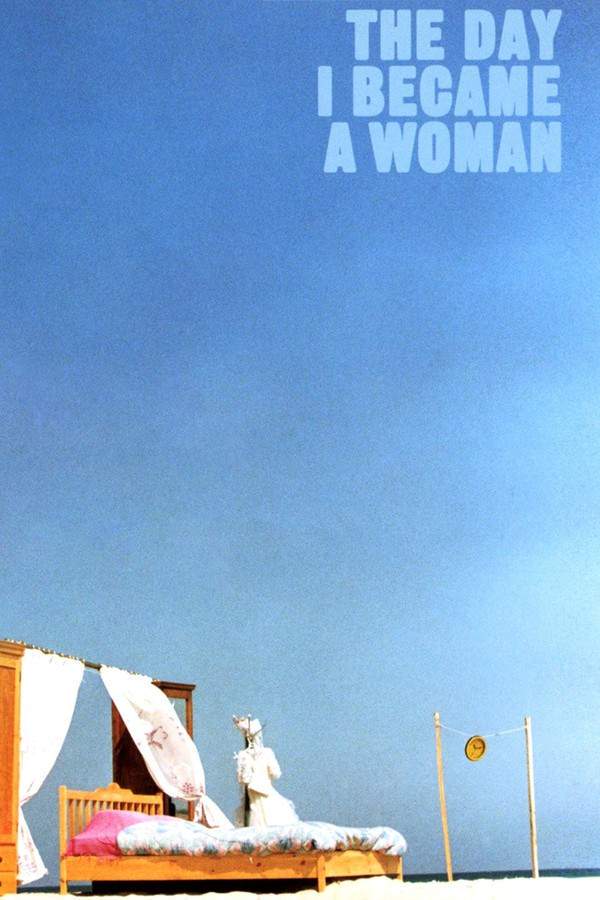
Lastly, we are introduced to Hoora, an elderly widow who has come into a substantial inheritance. With newfound freedom, she sets out to acquire all the possessions she had longed for during her marriage. Tying strings around her fingers as reminders, she enlists the help of several young boys to carry her purchases, which include furniture and white goods. Their journey leads them to the beach, where Hoora prepares to board a waiting ship, symbolizing her escape from the limitations of womanhood. Meanwhile, two of the young participants from the bicycle race observe her from a distance, along with Hava, who has now donned her chador, offering a poignant reflection on the complexities of freedom and identity.
Last updated: November 15, 2024 at 18:39
Explore frequently asked questions about The Day I Became a Woman (2001) with spoiler-rich answers covering the full plot summary, major story beats, character motivations, hidden details, and ending meaning. This movie summary FAQ helps explain confusing scenes, plot twists, and narrative decisions in clear, searchable detail.
Hava uses a stick to track the shadow because she learns she was born at noon. Since her family considers her a woman once she turns nine, Hava cleverly argues that she remains a child until exactly noon, the moment of her birth. By planting a stick in the ground and watching for the shadow to align with it, she desperately tries to hold onto her final hour of childhood before being forced to wear a chador and abandon her playmate.
Ahoo's husband brings a mullah to the cycling race to publicly administer their divorce as a final act of control. When Ahoo refuses to stop cycling despite his threats, he escalates from verbal demands to actually carrying through with the divorce papers. This shocking public act represents his attempt to shame her into submission, but instead intensifies Ahoo's determination to continue riding and assert her independence.
Hoora's journey to the ship represents her symbolic escape from the restrictions imposed on women throughout her life. After decades as a widow bound by societal expectations, her inheritance gives her financial freedom she never had. The ship waiting at the beach signifies a departure from the limitations of womanhood in Iranian society, a literal and metaphorical voyage toward self-actualization and liberation from the roles she was forced to play.
The three stories are connected thematically through the stages of womanhood and the universal struggle for identity and freedom. Hava represents childhood's end, Ahoo embodies married woman's resistance against patriarchal control, and Hoora depicts widowhood as a potential gateway to liberation. Their interconnectedness is visually reinforced at the beach where Hava (now wearing a chador) and Ahoo's fellow cyclists observe Hoora preparing to leave, suggesting a continuous chain of women's struggles across generations.
Hava insists she was born at noon because she uses this fact to argue she is still a child. When her family tells her she has reached womanhood on her ninth birthday, Hava realizes that if womanhood is determined by age alone, she has already crossed that threshold. However, by claiming she must remain a child until exactly noon, the moment of her birth, she cleverly delays the inevitable and preserves one more precious hour of freedom to play with her boyhood friend.
Ahoo continues cycling despite her husband's threats because his attempts at control only strengthen her resolve. When he threatens divorce, she sees it not as a deterrent but as an opportunity, she would rather be divorced and free than controlled and trapped. Her participation in the cycling race represents her assertion of bodily autonomy and right to pursue her own passions, making her refusal to stop a powerful act of defiance against patriarchal expectations.
Hoora ties strings around her fingers as reminders of all the possessions she long desired but was never allowed to obtain during her marriage. Each string represents a different dream or item she is now determined to acquire with her inheritance. This visual detail emphasizes how decades of suppression have left her with a backlog of desires, and she approaches her newfound freedom with an almost frantic consumerism, as if making up for lost time.
At the end of the film, Hava's chador symbolizes both her forced transition into womanhood and the ongoing conflict between tradition and personal freedom. By the beach scene, she has accepted, or at least resigned herself to, wearing the chador, representing how society imposes constraints on women. Yet her observation of Hoora's departure suggests an inner yearning for the liberation Hoora represents, creating a poignant tension between her current role and her hopes for the future.
The film uses a triptych structure to show how women's struggles for identity and freedom evolve across different life stages. By interweaving Hava's, Ahoo's, and Hoora's stories, the film creates a continuous narrative thread where each woman's experience reflects and comments on the others. This structure emphasizes that the fight for autonomy is not a single battle but an ongoing journey shared by women across generations, with each story serving as a chapter in a larger collective history.
The young boys helping Hoora carry her purchases represent the younger generation's involvement in women's emancipation. Unlike the adult men who try to control Ahoo, these boys willingly assist Hoora in her quest for freedom, suggesting that younger generations may be more supportive of women's autonomy. Their presence also creates a visual link to the cycling race, as some of these same boys were participants or observers in that earlier event, further connecting the three narratives.
Discover curated groups of movies connected by mood, themes, and story style. Browse collections built around emotion, atmosphere, and narrative focus to easily find films that match what you feel like watching right now.
Triptych narratives exploring the quiet resilience and poignant costs of female emancipation.Discover movies like The Day I Became a Woman that use an interconnected vignette structure to explore female identity and societal constraints. These films share a bittersweet tone, blending symbolic imagery with poignant narratives of personal freedom. If you liked the triptych structure and reflective mood, you'll find similar resonant stories here.
Stories in this thread typically unfold through interconnected vignettes or a segmented narrative structure, each focusing on a different character or phase of a central theme. The plot emphasizes the subtle, often symbolic, acts of defiance against tradition rather than overt conflict. The emotional journey is complex, moving between moments of liberation and the inevitable melancholy of compromise.
Movies are grouped here because they share a distinct combination of a feminist thematic focus, a vignette-based narrative structure, and a bittersweet emotional core. They balance visual symbolism with deeply personal stories, creating a cohesive viewing experience defined by reflective pacing and a melancholic yet defiant mood.

Stories where characters undertake deeply symbolic quests to define their identity against societal norms.Find films similar to The Day I Became a Woman, where characters embark on poignant, symbolic journeys to assert their autonomy. These movies often feature a steady pace, heavy emotional weight, and a bittersweet ending. If you appreciated the symbolic power of Ahoo's cycling race, you'll enjoy these thematically rich narratives.
The narrative pattern revolves around a central, symbolic act or journey that represents the character's inner conflict with external forces, often societal or familial. The plot follows the character's determined pursuit of this goal, with the outcome being secondary to the profound personal statement made by the attempt. The journey is the story, and its meaning is layered with thematic significance.
These films are grouped by their shared focus on a single, powerful metaphorical quest as the core of the narrative. They connect through a consistent tone of bittersweet determination, a pacing that allows for reflection on the journey's meaning, and a visual style that elevates the action into symbolism.
Don't stop at just watching - explore The Day I Became a Woman in full detail. From the complete plot summary and scene-by-scene timeline to character breakdowns, thematic analysis, and a deep dive into the ending - every page helps you truly understand what The Day I Became a Woman is all about. Plus, discover what's next after the movie.
Track the full timeline of The Day I Became a Woman with every major event arranged chronologically. Perfect for decoding non-linear storytelling, flashbacks, or parallel narratives with a clear scene-by-scene breakdown.
Discover the characters, locations, and core themes that shape The Day I Became a Woman. Get insights into symbolic elements, setting significance, and deeper narrative meaning - ideal for thematic analysis and movie breakdowns.
Discover movies like The Day I Became a Woman that share similar genres, themes, and storytelling elements. Whether you’re drawn to the atmosphere, character arcs, or plot structure, these curated recommendations will help you explore more films you’ll love.
The Day I Became a Woman (2001) Scene-by-Scene Movie Timeline
The Day I Became a Woman (2001) Movie Characters, Themes & Settings
The Day I Became a Woman (2001) Spoiler-Free Summary & Key Flow
Movies Like The Day I Became a Woman – Similar Titles You’ll Enjoy
Persepolis (2007) Complete Plot Breakdown
3 Faces (2019) Complete Plot Breakdown
Tehran Taboo (2018) Movie Recap & Themes
Women Without Men (2010) Movie Recap & Themes
Daughters of the Sun (2004) Complete Plot Breakdown
The Persian Version (2023) Detailed Story Recap
The Old Road (2018) Plot Summary & Ending Explained
A Day for Women (2016) Plot Summary & Ending Explained
Son-Mother (2019) Full Movie Breakdown
The Legend of a Sigh (1991) Ending Explained & Film Insights
And, Towards Happy Alleys (2023) Story Summary & Characters
3 Women (1977) Full Movie Breakdown
Film About a Woman Who… (1974) Movie Recap & Themes
Shirin (2008) Complete Plot Breakdown
The May Lady (1998) Movie Recap & Themes