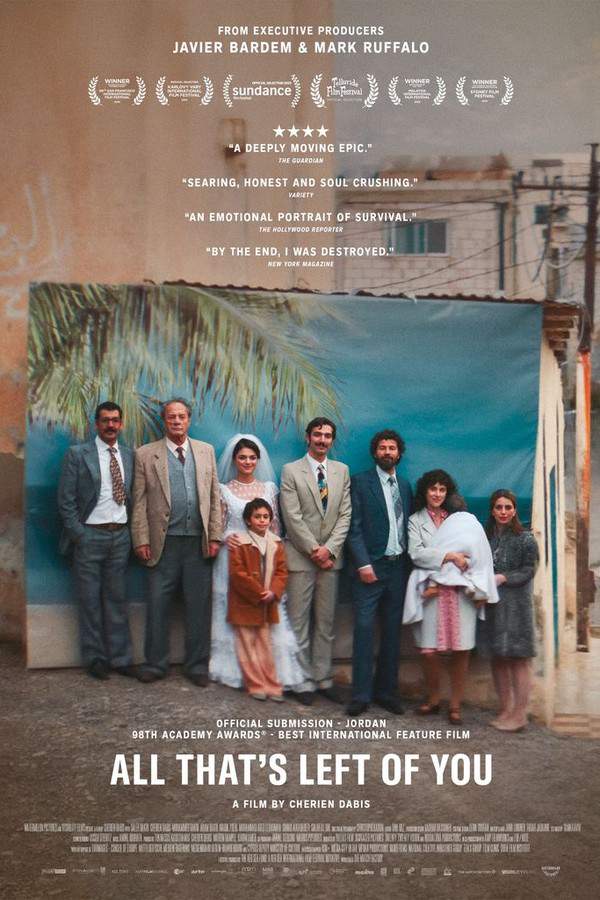
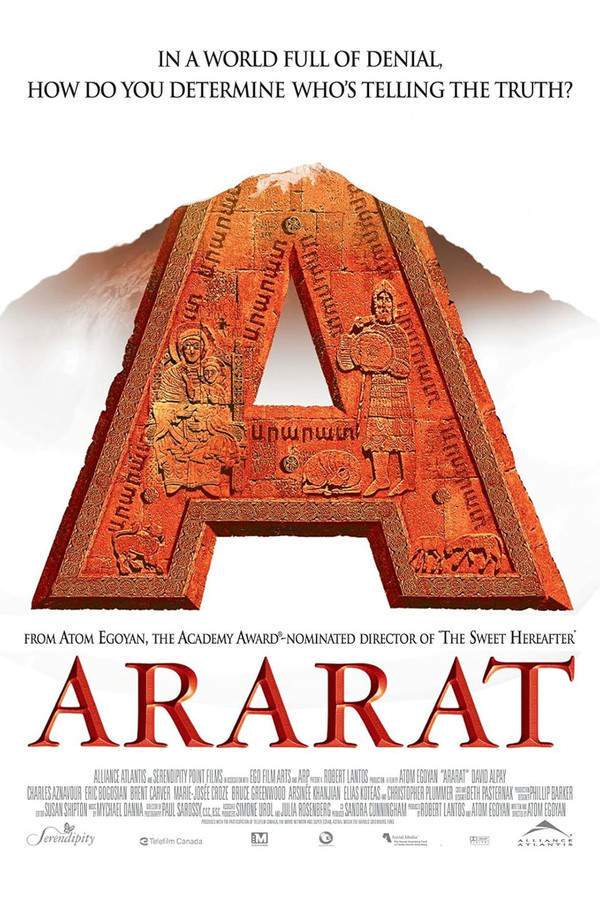
In the aftermath of unimaginable loss, Nazareth awakens to a world fractured by the Armenian genocide, his heart tethered to the memory of twin daughters whose whispers of safety drift across continents. The film opens on a scarred landscape where the remnants of a once‑vibrant community echo through empty streets and wind‑swept deserts, setting a tone that is both haunting and reverent. Against this backdrop, the story invites viewers to feel the lingering weight of trauma while also sensing an undercurrent of quiet hope that drives every step of his journey.
Nazareth’s quest propels him across a mosaic of terrains—vast, unforgiving deserts that mirror his inner desolation, bustling metropolises where strangers become brief lanterns of kindness, and endless prairies that evoke the promise of new beginnings. Each setting is rendered with a lyrical realism, allowing the audience to sense the stark contrast between the brutal past and the fragile optimism of the road ahead. The tone stays measured, blending the somber reality of loss with an almost poetic reverence for resilience, ensuring that the narrative never feels exploitative but rather contemplative.
Along the way, Nazareth encounters a tapestry of people whose lives intersect with his in fleeting yet meaningful ways. Some extend compassionate hands, offering shelter and shared stories, while others reflect the lingering shadows of suspicion and danger that still linger after such turmoil. These interactions highlight the delicate balance between trust and caution, illustrating how the quest for family can become a mirror for broader human connection and the yearning for redemption.
At its core, the film is a meditation on the enduring power of hope amid devastation. It frames Nazareth’s pilgrimage not merely as a search for lost daughters, but as a larger passage toward healing—an odyssey that asks whether the promise of a future can truly illuminate the darkest corners of the past. The audience is left with the sense that every step taken across deserts, cities, and plains is a quiet act of defiance against forgetting, beckoning toward a horizon where hope and redemption finally converge.