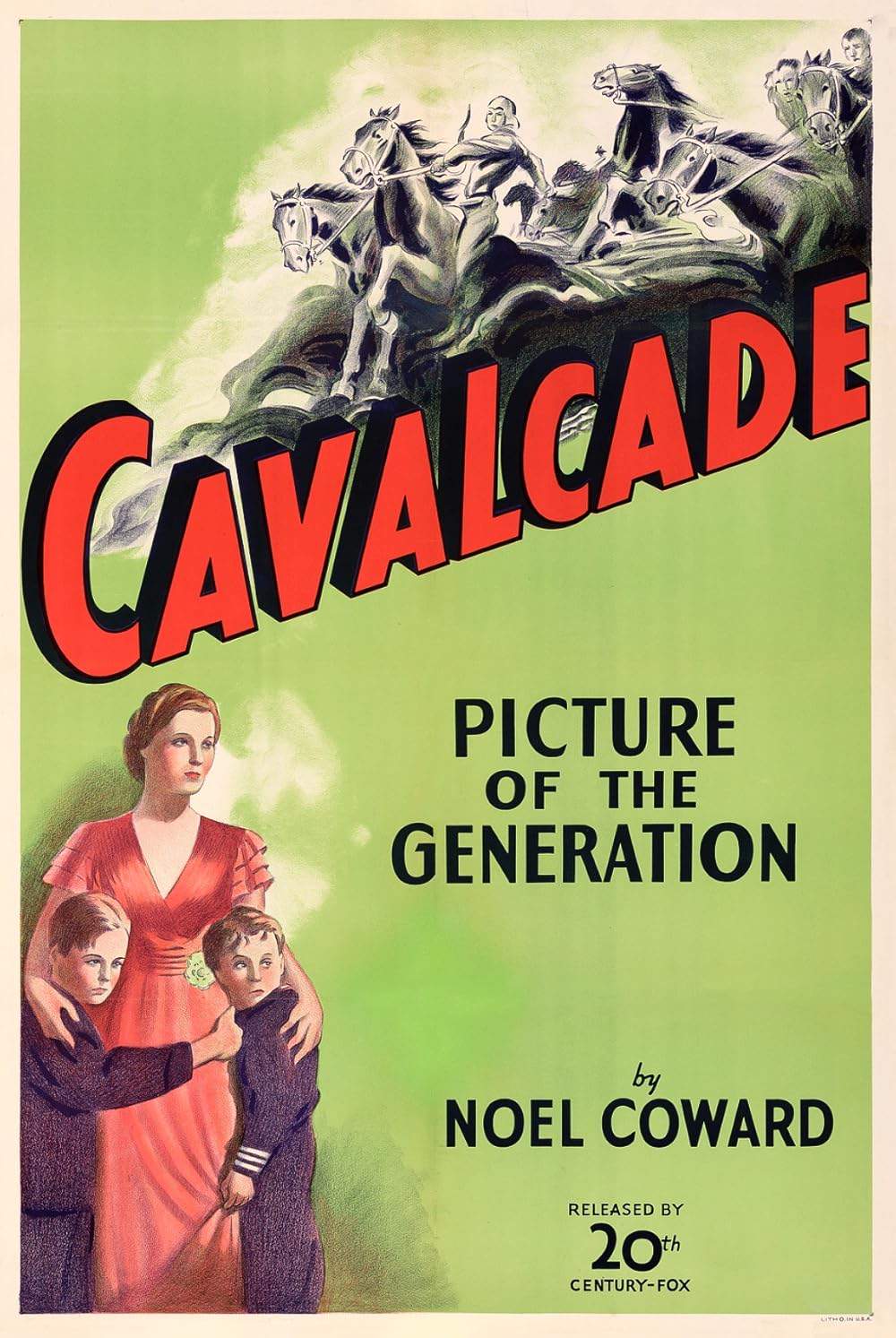
Edward Courtney, Edward Courtney, the son of a baronet, shocks class-conscious British society by marrying Kate O'Halloran, his Irish servant. The film follows their long, winding 45-year life together and apart, spanning the Boer War, World War I, and World War II, as they navigate love, prejudice, loss, and resilience. They reside on Curzon Street, a prestigious stretch in Mayfair, where wealth and social status define daily life.
Kate enters the story amid social scrutiny. At a musical recital before Queen Victoria, she feels the sting of judgment from the “true ladies,” and whispers about her begin to linger in the air. The whispers intensify as gossip circulates, casting doubt on her place in Edward’s world. Edward, an officer in the Horse Guards, tries to shield his wife from the cold social gaze, but she misreads his distance and, overwhelmed by the expectations around her, packs her bags and leaves without a word. She returns to Ireland, where she wrestles with her sense of identity and the idea of a new career, ultimately choosing the stage under the name May Lynton.
In India, Edward confronts a painful truth about why the marriage frayed at the edges. Meanwhile, Kate leans into the theatre, building a life on stage as a performer. Her father-in-law, the elder Sir Edward Courtney, appears backstage, providing updates and a nuanced, if guarded, connection to the family she left behind. He reveals that his wife has died and that he has missed his grandson and his son since, in his words, his family’s world keeps changing. Kate shares her own news, telling him that her father was killed at the Battle of Spion Kop, a revelation that deepens the sense of shared sacrifice between two families.
When the First World War erups, Edward returns from India and reconnects with Kate. The couple discovers they have a son, Edward—whom they call Teddy—raising him together, though the years apart have left a marked distance. They visit Teddy at his boarding school, a moment that underscores how time has altered their lives. They enjoy a rare high tea together and talk about cricket and Rupert Brooke’s poem “The Soldier,” their dialogue echoing a country’s own sense of duty as the war comes to a close.
Edward’s father dies, and the elder generation passes on the title, ushering Edward into the baronetcy. Kate thus becomes Lady Courtney, a turning point that anchors her in the social milieu she once sought to escape. Teddy grows up, joins the Army, and becomes engaged—planning a future before being posted to India. Tragedy strikes when a telegram arrives, informing Teddy’s wife that he has fallen in battle. She dies in childbirth, leaving Edward and Kate to raise Teddy as their own son, a responsibility that tests their endurance and their commitment to one another.
The 1929 Wall Street crash hits hard, and Edward loses money, yet the couple clings to their family home even as Kate returns to the stage to help stabilize their finances and pride. As the Second World War looms, Edward serves again, now as a Colonel, while Kate performs for ENSA to lift spirits on the home front. They survive a factory fire together, and the film culminates with their soldier grandson introducing his intended. The story leaves them contemplating how far prejudice has truly faded: while they find happiness in the progress their family has made, they sense that the next generation’s views—embodied in the intended’s parents—may not share their optimism. Fade to end credits.