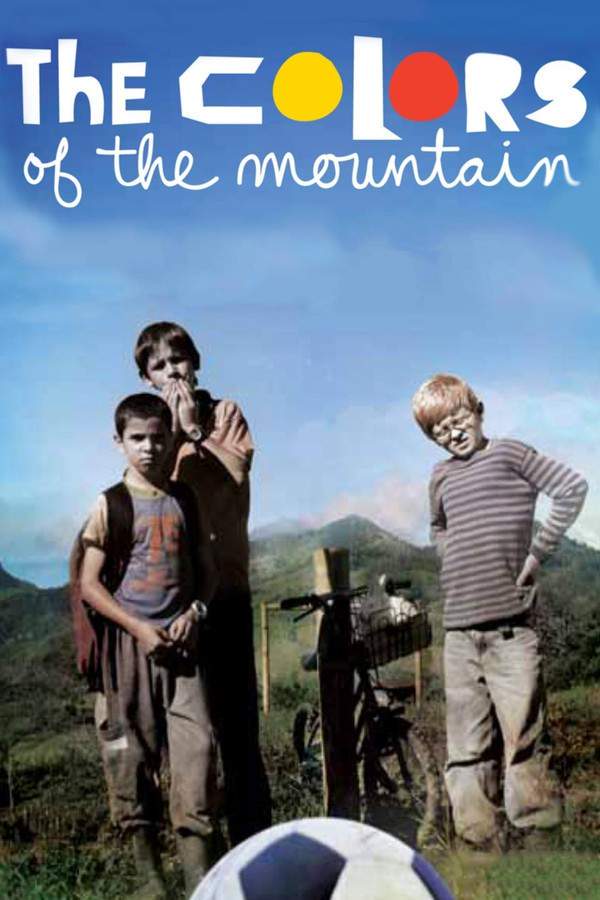
The Colors of the Mountain
Year: 2011
Runtime: 90 min
Language: Spanish
Director: Carlos César Arbeláez
Set against the stunning beauty of the Colombian countryside, this story follows Manuel and Julián, two close friends facing the hardships of rural life. Their friendship is put to the test when a lost football rolls into a dangerous minefield. Determined to retrieve it, they embark on a challenging journey that forces them to confront unexpected obstacles and rediscover what truly matters.
Where to Watch The Colors of the Mountain?
Find where to stream, rent, or buy The Colors of the Mountain (2011) in the US with current JustWatch availability, up-to-date pricing, and platform listings for subscription, rental, and digital purchase options.










Warning: spoilers below!
Haven’t seen The Colors of the Mountain yet? This summary contains major spoilers. Bookmark the page, watch the movie, and come back for the full breakdown. If you're ready, scroll on and relive the story!
Timeline – The Colors of the Mountain (2011)
Trace every key event in The Colors of the Mountain (2011) with our detailed, chronological timeline. Perfect for unpacking nonlinear stories, spotting hidden connections, and understanding how each scene builds toward the film’s climax. Whether you're revisiting or decoding for the first time, this timeline gives you the full picture.
Last updated: November 17, 2024 at 20:50
The Colors of the Mountain (2011) Timeline Questions Answered – Chronology FAQ
Find frequently asked questions about the The Colors of the Mountain (2011) timeline, including chronological order, nonlinear jumps, cause-and-effect links, and scene sequence clarifications. This timeline FAQ helps explain when key events happen, how moments connect, and why the story unfolds in that specific order.
Why does Manuel become obsessed with retrieving his lost soccer ball?
Manuel fixates on retrieving his lost soccer ball because it represents his last connection to normal childhood life after the traumatic landmine explosion. The ball was a birthday gift from his father Ernesto, symbolizing joy and innocence, and losing it feels like losing that part of his childhood to the war creeping into his village.
Manuel receives the soccer ball during his heartfelt birthday celebration before the landmine explodes, making its loss devastate him more deeply.
What happened to Julián's brother?
Julián's brother has disappeared, and Julián suspects he may have joined the guerrillas. This mystery weighs heavily on Julián throughout the story, as he fears both for his brother's safety and what his involvement in the conflict might mean for their family.
Julián reveals his brother's disappearance during the children's trek home, early establishing the personal toll of the conflict.
Why is the discovery of the landmine significant?
The discovery of the landmine shatters the illusion of safety for the children and marks the moment war intrudes directly into their innocent world. The subsequent explosion sends fear throughout the community, ending the children's ability to play freely in the countryside they once explored without fear.
Before the landmine, children walk home through beautiful but increasingly tense landscapes, with paramilitary exercises visible in the distance.
Why do families start leaving the village?
Families begin evacuating as the struggle for control between paramilitaries and guerrillas intensifies, making their rural home increasingly dangerous. The escalating violence threatens their lives and forces them to abandon their fincas and the only life they have known.
The increase in school absenteeism foreshadows the mass departure as families realize the conflict has made their home unsustainable.
Who is Poca Luz and what is his importance?
Poca Luz is an albino boy who becomes Manuel's friend and joins the quest to retrieve the lost soccer ball. His inclusion in the group highlights how friendship persists despite the growing dangers, and his distinctive appearance makes him stand out in the tight-knit rural community.
Poca Luz appears as part of the effort to help Manuel recover his ball, showing solidarity among friends during crisis.
What threat do the paramilitaries and guerrillas pose to the village?
The paramilitaries and guerrillas are fighting for control of the region, bringing landmines, violence, and fear to what was once a peaceful rural community. Their conflict turns the children's playground into a dangerous war zone, forcing families to choose between staying and risking death or abandoning their homes.
Children witness paramilitary training exercises in the distance early in the film, establishing the approaching danger.
What role does Manuel's father Ernesto play?
Ernesto is Manuel's father who provides stability and love despite the surrounding chaos. He takes Manuel to the market to sell a piglet and gives him a soccer ball and goalkeeper gloves for his birthday, representing the protective family life that war threatens to destroy.
The market trip and birthday celebration represent normal family life before tensions escalate significantly.
How does war affect the children's daily lives?
War gradually destroys the children's carefree existence as the threat of landmines and violence makes it unsafe to play outside. School attendance drops as families flee, and the innocent laughter that once filled the village is replaced by fear and uncertainty about the future.
The story opens with children playing freely in beautiful landscapes, a stark contrast to the restrictions that follow the landmine explosion.
Why is the Colombian mountain setting important?
The stunning yet treacherous mountain landscape represents both the beauty of rural Colombian life and the dangers that come with its isolation. The contrast between the picturesque countryside and the lurking threats of war creates the film's central tension between innocence and reality.
Children navigate vibrant plant life and murky waters on their journey home, highlighting the duality of beauty and danger in their environment.
What does the title 'The Colors of the Mountain' represent?
The title evokes the vivid natural beauty of the Colombian countryside that contrasts sharply with the dark realities of war. It represents the colorful innocence of childhood that is threatened by the grayscale reality of conflict, suggesting both the loss and the resilience of beauty in times of violence.
The opening scenes emphasize the picturesque quality of the village and countryside, establishing the 'colors' that war threatens to fade.

Explore Movie Threads
Discover curated groups of movies connected by mood, themes, and story style. Browse collections built around emotion, atmosphere, and narrative focus to easily find films that match what you feel like watching right now.
Movies about childhood innocence in conflict like The Colors of the Mountain
Stories of children whose simple joys are threatened by a dangerous adult world.If you liked the bittersweet portrayal of childhood in The Colors of the Mountain, you may enjoy these similar drama movies. These stories focus on children navigating friendship and survival in a world overshadowed by war and danger, offering a poignant look at innocence under threat.
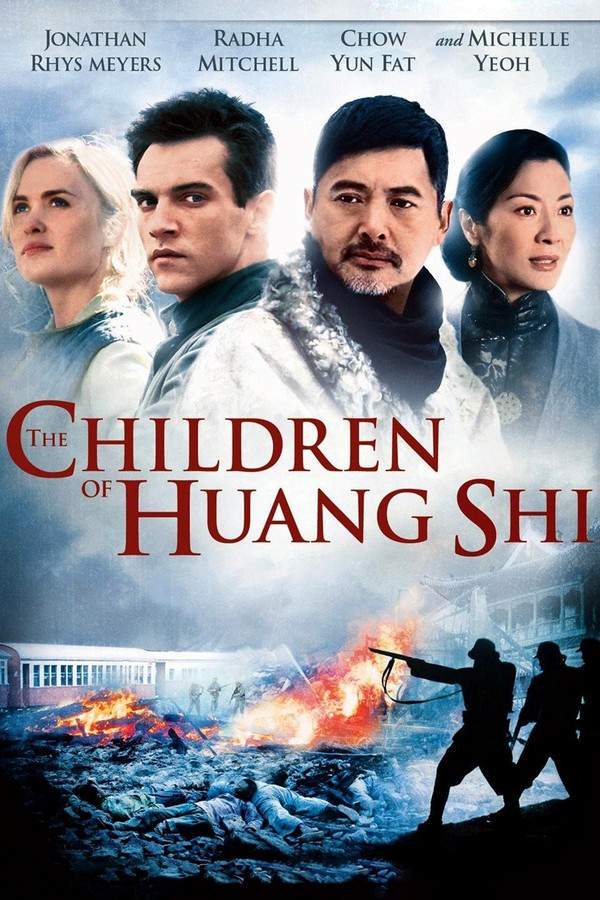
The Children of Huang Shi
2008
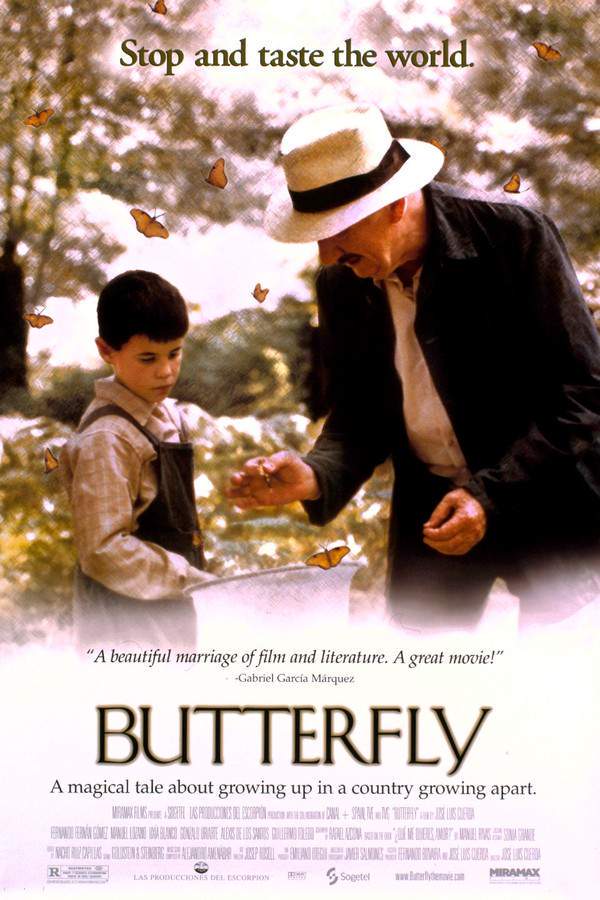
Butterfly Tongues
2000
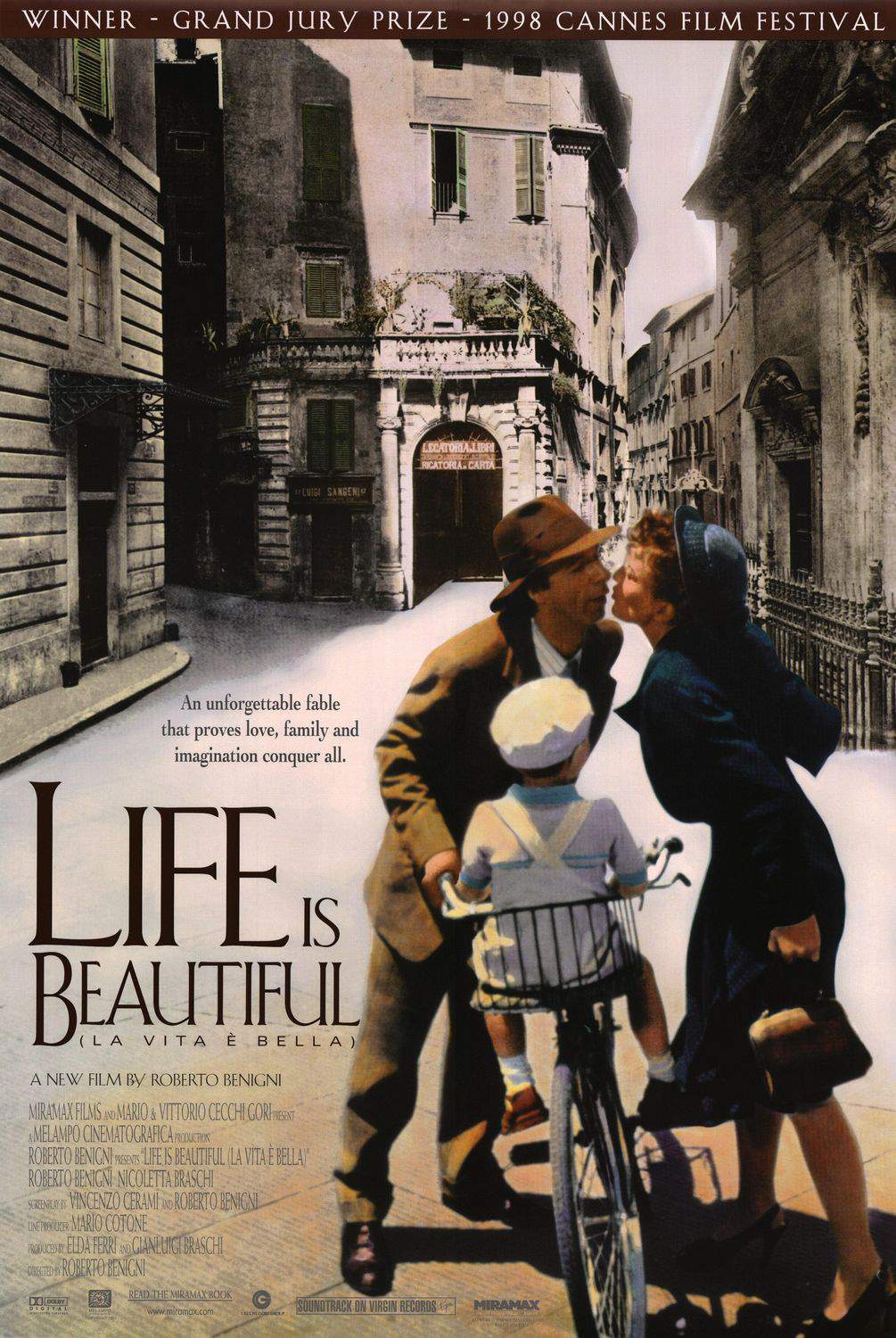
Life Is Beautiful
1998
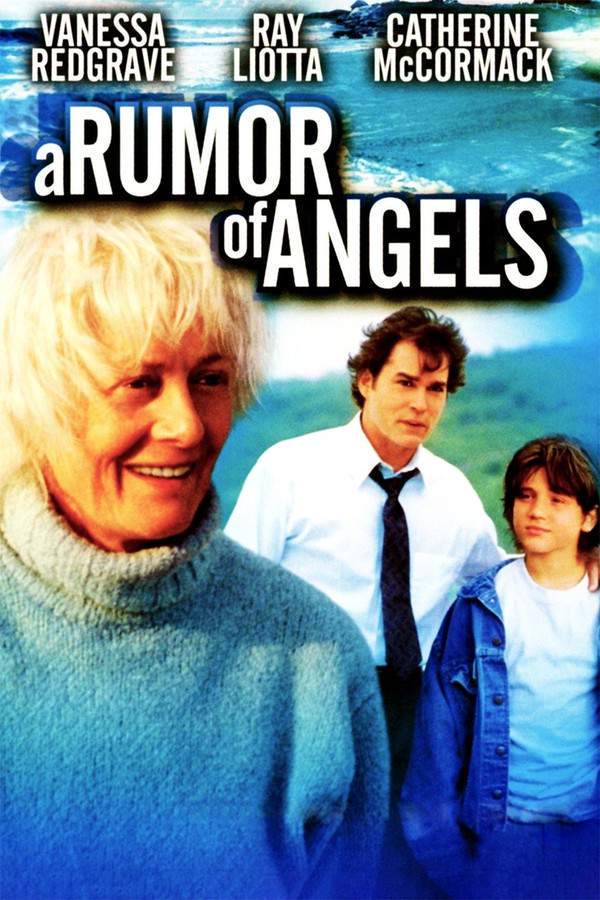
A Rumor of Angels
2002
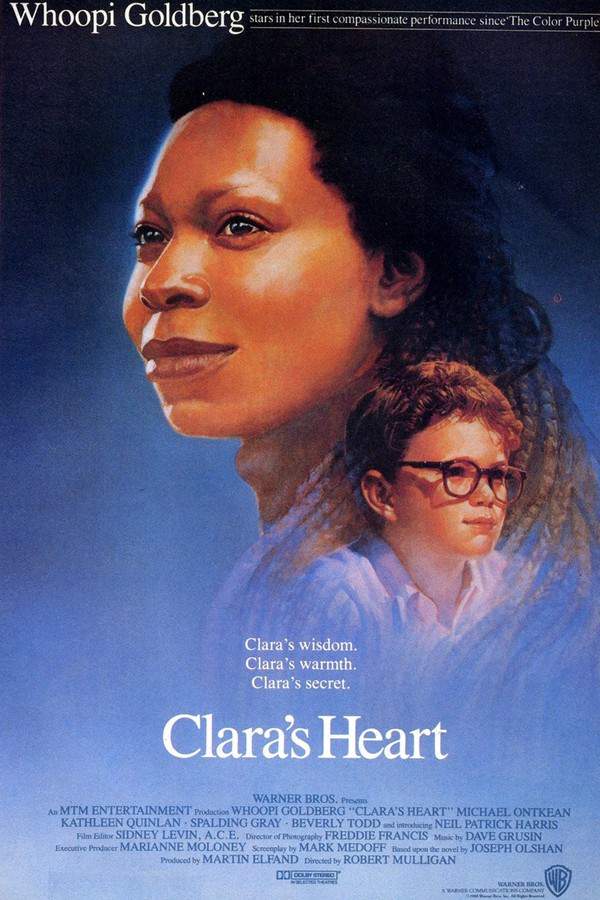
Clara's Heart
1988
The Colors of the Mountain
2011

Giovanni’s Island
2014

Life Is Beautiful
2000

Strange Gardens
2003

Once Upon a Time in a Battlefield
2003

The Night of the Shooting Stars
1982

Alsino and the Condor
1982

The Shadow in My Eye
2021
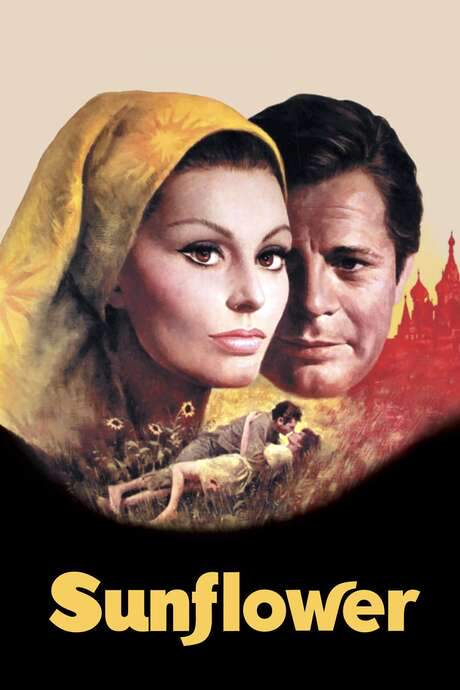
Sunflower
1970

Battle Cry
1955
Narrative Summary
These narratives typically follow children in rural or isolated settings as their everyday lives of play and friendship are disrupted by an external conflict. The central journey involves them trying to preserve their innocence while being forced to confront harsh realities, often through a dangerous quest or a pivotal event that tests their resilience.
Why These Movies?
Movies are grouped here for their shared focus on the child's-eye-view of conflict, their bittersweet tone balancing innocence with grim reality, and their atmospheric, often somber mood that captures the anxiety of a world collapsing around young protagonists.
Slow-paced atmospheric rural dramas similar to The Colors of the Mountain
Atmospheric stories where the beauty of the land contrasts with human hardship.Find more movies like The Colors of the Mountain that capture a similar slow-burn, atmospheric feel. These dramas are set in beautiful but challenging rural landscapes, where the pacing is slow and the emotional weight builds gradually through character-driven stories of survival and community.

Never Steady, Never Still
2018
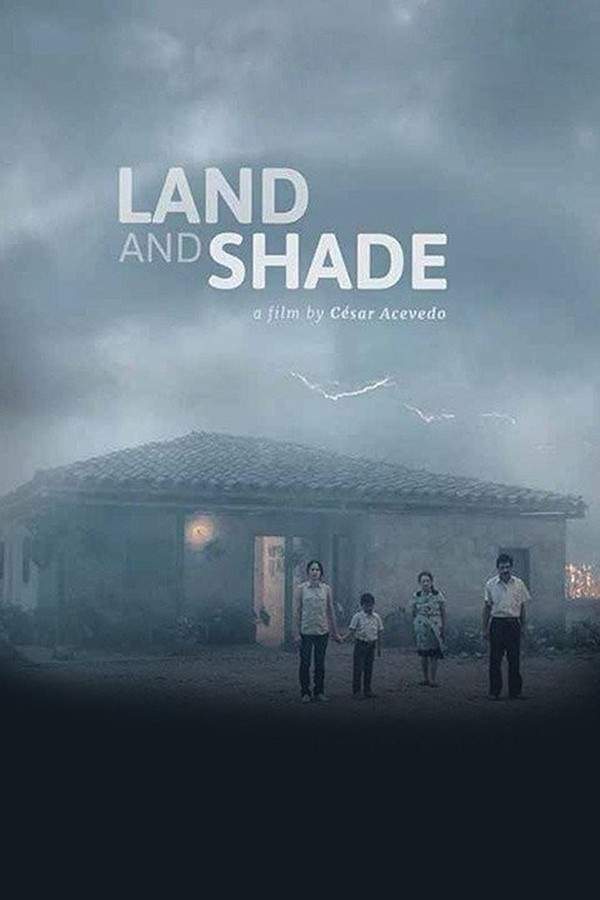
Land and Shade
2016

Land
2021
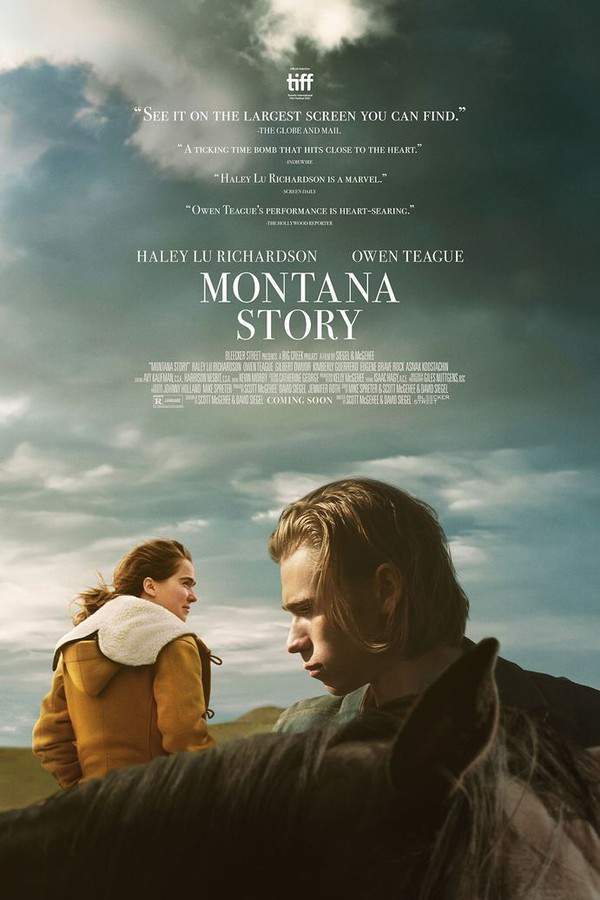
Montana Story
2022
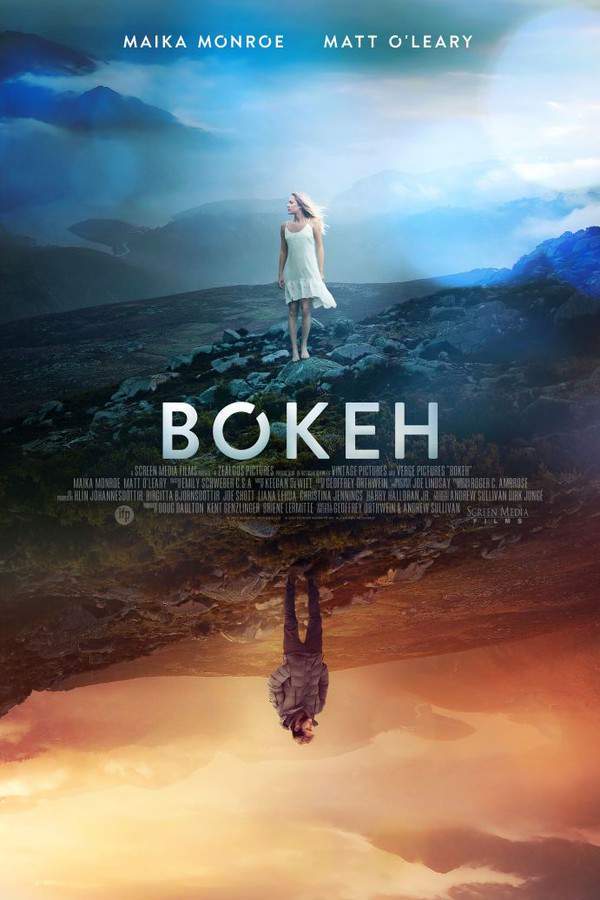
Bokeh
2017
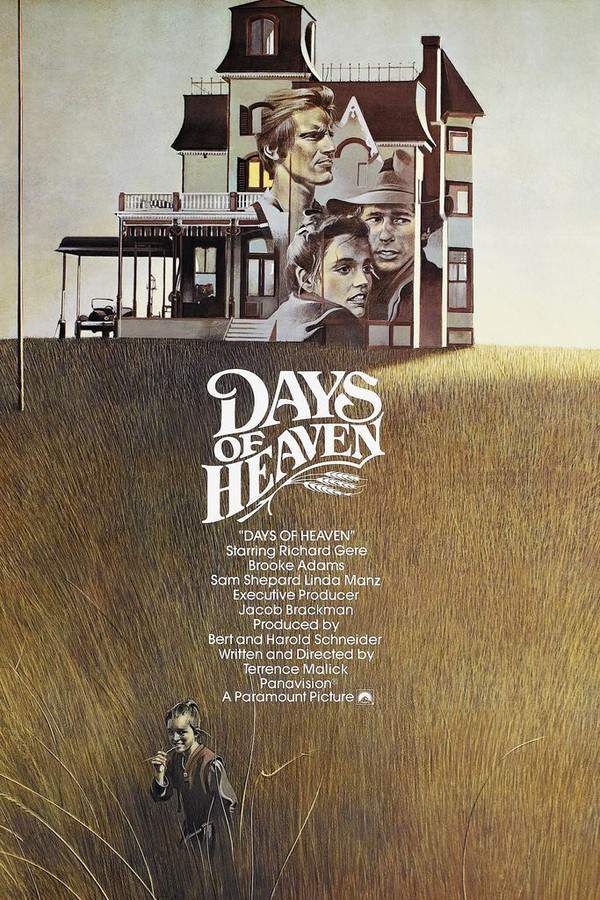
Days of Heaven
1978
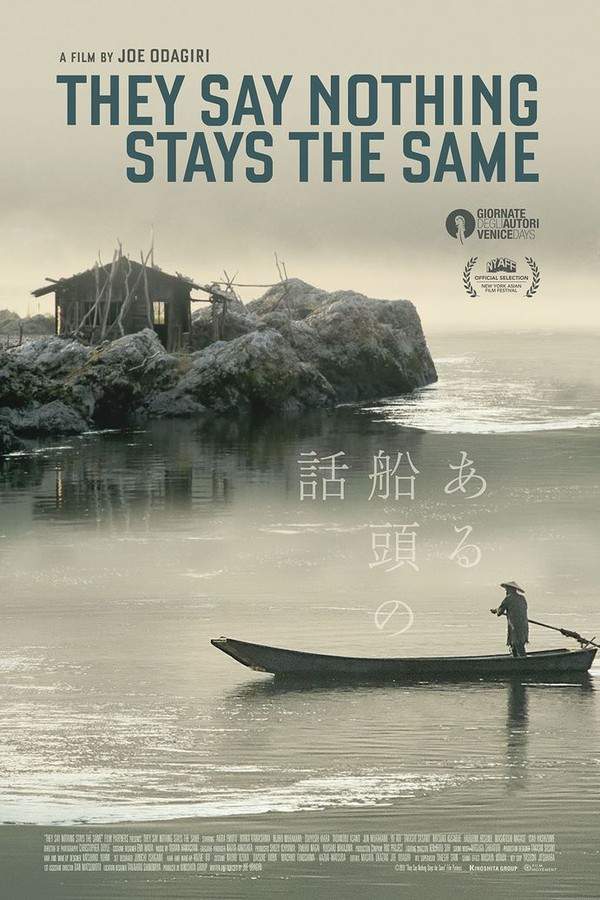
They Say Nothing Stays the Same
2021

Strange Weather
2017
Lovely, Dark, and Deep
2024

A Handful of Dust
2019
Wetherby
1985

Landscape in the Mist
1988

The Sea of Grass
1947

All My Good Countrymen
1969

The Edge of the World
1937
Narrative Summary
The plot is often straightforward and character-driven, unfolding gradually to allow the atmosphere and setting to dominate. Conflict arises from the characters' struggle against their environment or societal pressures. The narrative builds a palpable sense of place, using the landscape to reflect internal emotions and the slow accumulation of hardship.
Why These Movies?
This thread connects films based on their shared slow pacing, heavy emotional weight, and the central role of an atmospheric rural setting. They possess a somber, sometimes oppressive mood, where the visual beauty of the landscape starkly contrasts with the tense or melancholic human drama.
Unlock the Full Story of The Colors of the Mountain
Don't stop at just watching - explore The Colors of the Mountain in full detail. From the complete plot summary and scene-by-scene timeline to character breakdowns, thematic analysis, and a deep dive into the ending - every page helps you truly understand what The Colors of the Mountain is all about. Plus, discover what's next after the movie.
The Colors of the Mountain Summary
Read a complete plot summary of The Colors of the Mountain, including all key story points, character arcs, and turning points. This in-depth recap is ideal for understanding the narrative structure or reviewing what happened in the movie.

Characters, Settings & Themes in The Colors of the Mountain
Discover the characters, locations, and core themes that shape The Colors of the Mountain. Get insights into symbolic elements, setting significance, and deeper narrative meaning - ideal for thematic analysis and movie breakdowns.


