Plot Explained Spoilers guaranteed!
Plot Explained

Browse by genre

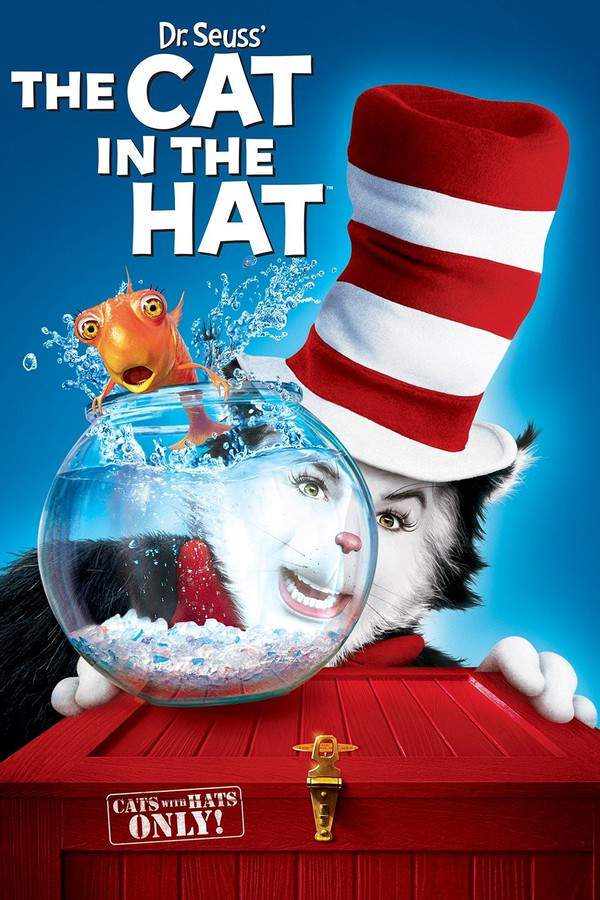
The Cat in the Hat (1971) movie poster

Plot Summary

The Cat in the Hat (1971) Plot Summary Explained

Release, runtime and language
1971 · 24 mins · English
Loading streaming availability…
Directed by
Hawley Pratt
Starring
Thurl Ravenscroft, Pamelyn Ferdin, Daws Butler, Gloria Camacho, Tony Frazier, Allan Sherman

In this animated adaptation of Dr. Seuss’s classic, two siblings stuck inside on a rainy day are visited by the mischievous Cat in the Hat, who bursts in with magic, music, and boundless energy. His whimsical tricks turn their quiet afternoon into a chaotic, unforgettable adventure filled with song, slapstick and imaginative fun.

On this page (6)
  1. 1 Where to watch
  2. 2 What happens: full plot
  3. 3 Plot questions answered
  4. 4 Movie threads
  5. 5 Movies like The Cat in the Hat
  6. 6 Every angle
Loading streaming availability…

Full plot summary · contains spoilers

What Happens in The Cat in the Hat: Full Plot Summary

The whole story of The Cat in the Hat (1971) explained, from the opening scene to the final frame: every key event, every twist and what it all adds up to. Read it as a quick recap before the sequel, to check a scene you missed, or to finally understand what really happened.

On a dreary, rainy day, Sally, [Pamelyn Ferdin], and her brother Boy, [Tony Frazier], sit by the window feeling bored and stuck indoors as the weather refuses to cooperate with any outdoor play. Their mother, [Gloria Camacho], announces that she’s ready to leave and tells them to have fun, promising she’ll be back at 3:30 sharp. With no clear plan in sight, the two kids try to imagine something to do, silently acknowledging the weather’s grip on their afternoon.

The door suddenly bursts open and in strides the Cat in the Hat, [Allan Sherman], bringing a dose of mischief and chaos. He teases the house with a goofy game he calls “Up, Up, Up, With a Fish,” placing the goldfish bowl on top of a tower of bubbles while the children watch with wide eyes. The fish, Carlos K. Krinklebein, orders him to leave, but the Cat ignores the demand and keeps the party going. The room grows messier by the minute, and the Cat flips the mood from tame to rambunctious as he confronts the clock counting down to 3:30 and the looming possibility of getting in trouble.

The Cat suddenly pretends that someone has stolen his moss-covered three-handled family gredunza, a prized keepsake, and he points a furry accusation at Krinklebein, [Daws Butler], the Fish. With a burst of song, he laments the loss of his treasured item, turning the search into a wild caper. The Cat leads the children on a hunt for the missing gredunza using his quirky method, a hectic process he calls “Calculatus Eliminatus,” where numbers and letters float around the page as they mark spots already checked. The result is a playful chaos that only fuels the Cat’s desire for more mischief and attention.

In a bid to gain sympathy, the Cat belts out a bleak, self-deprecating tune—> “I’m a Punk” —to show his low self-esteem. Krinklebein, unimpressed, refuses to share any empathy, prompting the Cat to lull him into a nap with a soothing rendition of “Beautiful Kittenfish” (a lullaby set to the melody of “Beautiful Dreamer”). Yet even this moment of quiet is short-lived, as the Cat brings out Thing 1 and Thing 2 to assist in the search, promising that they can find “Anything Under the Sun.” Instead, the Things turn the house into a playful chaos, using Krinklebein’s fishbowl as their improvised playground, and the brisk mischief makes it clear that with every new house they visit, there’s always some fish who doesn’t like fun.

Krinklebein grows frustrated and accuses the Cat of not being a real cat, challenging the Cat’s very identity. The Cat, undeterred, defends his legitimacy with a multilingual proclamation of his name—“Cat, Hat”—a catchy tune that even Krinklebein cannot help but join in on, adding their voices to the chorus and acknowledging the Cat’s strange but undeniable presence. The bustling song reaches a fever pitch, and a distant car horn signals that the mother is nearing the home’s doorstep.

The Things retreat back into their box and vanish as quickly as they appeared, while the Cat hurries to depart through the back door. Yet the house remains a chaotic testament to the afternoon’s antics, leaving Sally and Boy to wonder how they will ever restore order before their mother returns. In a swift turn, the Cat reappears, commandeering a motorized vehicle to tidy the house up in record time, and after a rapid cleanup, he bids farewell, hinting that he may return someday with more adventures, a suggestion echoed in his parting tune, “Sweep Up the Memories.”

Moments later, the mother enters through the front door and asks how the day went. She reveals she just saw a cat in a hat “going down the street with a moss-covered three-handled family gredunza,” a line that leaves the exact fate of the gredunza unresolved and hints at the cat’s playful ruse rather than a true mystery solved. The children exchange a knowing glance and look back out the window just as the Cat strides away toward his next escapade, leaving behind a house that has felt both the strain of chaos and the charm of whimsy.

> "Nothing To Be Done"

> > "Up, Up, Up, With a Fish"

> > "Calculatus Eliminatus"

> > "I’m a Punk"

> > "Beautiful Kittenfish"

> > "Anything Under the Sun"

> > "Cat, Hat"

> > "Sweep Up the Memories"

> > "going down the street with a moss-covered three-handled family gredunza"

Last updated: October 09, 2025 at 09:28

Was this helpful?

Plot questions answered

The Cat in the Hat Plot Explained: Your Questions Answered

The questions people ask most about The Cat in the Hat (1971): what happens in the confusing scenes, why the characters do what they do, the twists, hidden details and what the ending means. Each answer contains spoilers.

Q1

What is the moss-covered three-handled family gredunza?

The gredunza is a nonsense object the Cat in the Hat claims as his prized possession, a fictional family heirloom he invented on the spot. It never actually existed as a real item; the Cat uses it as part of his game to create drama and keep the children engaged. The word itself is made up, fitting the whimsical, nonsensical world of Dr. Seuss.

  • gredunza
  • cat in the hat
  • moss-covered
  • three-handled
  • toy
  • heirloom
Q2

Why does the Cat pretend the gredunza was stolen?

The Cat pretends his gredunza was stolen to shift the energy when the children start resisting his chaos. By turning the play into a mystery and 'hunt' for the missing item, he regains their attention and sympathy. It's a classic distraction tactic, he creates a new game whenever the old one loses momentum.

Foreshadowing: The Cat previously claimed he was leaving for Siberia when the kids objected, another moment where he invents drama to maintain control of the situation.

  • gredunza
  • theft
  • game
  • distraction
  • hunt
  • motivation
Q3

Where do Thing 1 and Thing 2 go when the mother returns?

Thing 1 and Thing 2 retreat back into their box and vanish as quickly as they appeared the moment they hear the car horn announcing the mother's return. The Cat grabs them and packs them away before the mother enters the house, leaving no trace of their presence.

  • thing one
  • thing two
  • box
  • disappear
  • mother return
Q4

Why does the Cat in the Hat clean up the house at the end?

The Cat returns after his initial departure to quickly tidy the chaotic mess he created, using a motorized vehicle to sweep and organize everything in record time. This cleanup ensures the children won't get in trouble with their mother when she returns at 3:30. It's his way of resolving the situation he created and leaving on good terms.

  • cleanup
  • tidy
  • house
  • mess
  • leaving
  • resolution
Q5

What does the mother mean when she says she saw a cat going down the street with the gredunza?

The mother casually mentions seeing a Cat in a Hat carrying the moss-covered three-handled family gredunza down the street. This reveals the Cat's entire 'missing gredunza' story was a playful ruse, he had it all along. The children exchange a knowing glance, understanding the Cat's trick was all part of his game. The mother doesn't realize what actually happened inside the house.

  • mother
  • see
  • cat
  • street
  • gredunza
  • revelation
Q6

Who is Carlos K. Krinklebein and what role does he play?

Carlos K. Krinklebein is the family's goldfish who speaks throughout the movie, ordering the Cat to leave and expressing frustration at the chaos. He's the voice of order and logic amid the Cat's mischief, repeatedly objecting to the disruptions. The Cat even tries to lull him to sleep with a lullaby to quiet his complaints.

  • goldfish
  • fish
  • carlos krinklebein
  • character
  • voice
Q7

Why does the fish challenge whether the Cat is a real cat?

Krinklebein the fish accuses the Cat of not being a real cat, challenging his very identity during a moment of tension. The Cat responds by singing a multilingual song proclaiming 'Cat, Hat' to assert his legitimacy, eventually getting even the fish to join in and acknowledge his presence.

  • cat
  • identity
  • fish
  • real
  • dispute
  • song
Q8

Why does the Cat say he's going to Siberia?

The Cat threatens to leave for Siberia when Sally and Boy start objecting to his continued mischief. This is another dramatic ploy he uses to manipulate the children, when they seem ready to end the fun, he creates a new scenario to keep the adventure going. He quickly abandons the idea and returns with the gredunza story instead.

  • sibia
  • leave
  • threat
  • cat
  • departure
Q9

Does the Cat in the Hat come back at the end?

After cleaning up, the Cat hints he may return someday with more adventures. The closing scene shows the children looking out the window watching the Cat walk away toward his next escapade. The movie ends with 'Sweep Up the Memories,' suggesting this wasn't their only encounter with the mischievous visitor.

  • return
  • come back
  • future
  • adventure
  • ending

Movie threads

More Movies Like The Cat in the Hat, by Mood & Story

Curated lists built around what makes The Cat in the Hat tick: the same mood, the same kind of story or the same emotional payoff. Each list explains why these movies belong together.

Movies with whimsical mischief like The Cat in the Hat

Stories where joyful anarchy turns a mundane day into a hilarious, chaotic romp. If you enjoyed the chaotic fun of The Cat in the Hat, you'll love these other movies where mischievous characters bring joyful anarchy to an ordinary day. Find similar family-friendly stories filled with slapstick humor, playful rebellion, and imaginative adventures that turn boredom into unforgettable, uplifting chaos.

  • playful
  • chaotic
  • whimsical
  • energetic
  • fun
  • uplifting
  • Tone: whimsical, light
  • Pacing: fast, energetic
Why these movies?

The story pattern: Stories in this thread typically begin in a state of boredom or routine, which is spectacularly overturned by the arrival of a chaotic, unpredictable force. The plot follows a series of escalating, humorous antics that create a mess or temporary disorder, all resolved neatly before any real consequences occur, leaving everyone with a sense of fun and a newfound appreciation for imagination.

Why they belong together: Movies are grouped here by their shared celebration of harmless chaos and whimsical humor. They prioritize fun over plot complexity, feature high-energy characters who break the rules in playful ways, and maintain a consistently light, uplifting tone with minimal tension or emotional weight.

Movies about childhood imagination like The Cat in the Hat

Adventures that begin when a dull day is transformed by a burst of creative fantasy. Looking for more movies like The Cat in the Hat? Discover stories where a boring or restricted situation is transformed by a magical visitor and the power of imagination. These films capture the joy of childhood escapades, often featuring musical numbers and animated fun, perfect for young viewers.

  • imaginative
  • childlike
  • whimsical
  • musical
  • adventurous
  • wondrous
  • Tone: hopeful, whimsical
  • Pacing: fast, musical
Why these movies?

The story pattern: The narrative pattern follows children in a restrictive environment—a rainy day, a sick day, a new home—who are visited by a catalyst for imagination. This catalyst leads them on an adventure that exists within or just beyond their normal world, filled with songs, surreal elements, and creative problem-solving, ultimately reinforcing the value of creativity before returning to normalcy.

Why they belong together: These movies are connected by their core theme of using imagination as an escape from boredom. They share a specific mood of childlike wonder, a focus on sibling or friend dynamics, a musical or highly stylized presentation, and a reassuring message that fun and creativity are always within reach.

If you liked this

Movies Like The Cat in the Hat

Similar movies to The Cat in the Hat: the same genre, themes or kind of story. Each one comes with its own plot summary, timeline and ending explained.

Browse all movie summaries

Every angle

The Cat in the Hat (1971) Explained: Plot, Timeline & Characters

Everything about The Cat in the Hat in one place: what happens in the plot summary, the timeline in chronological order, the characters and meaning and a spoiler-free summary. What's After the Movie adds the cast, box office and post-credit scenes.

Coming soon on iOS and Android

The Plot Explained Movie Summary App

Plot summaries, endings explained and timelines on your phone. Catch up on any movie in minutes, save your favorites and never miss a twist again.

Be the first to know when we launch. Your email stays private, always.

Learn more about the app