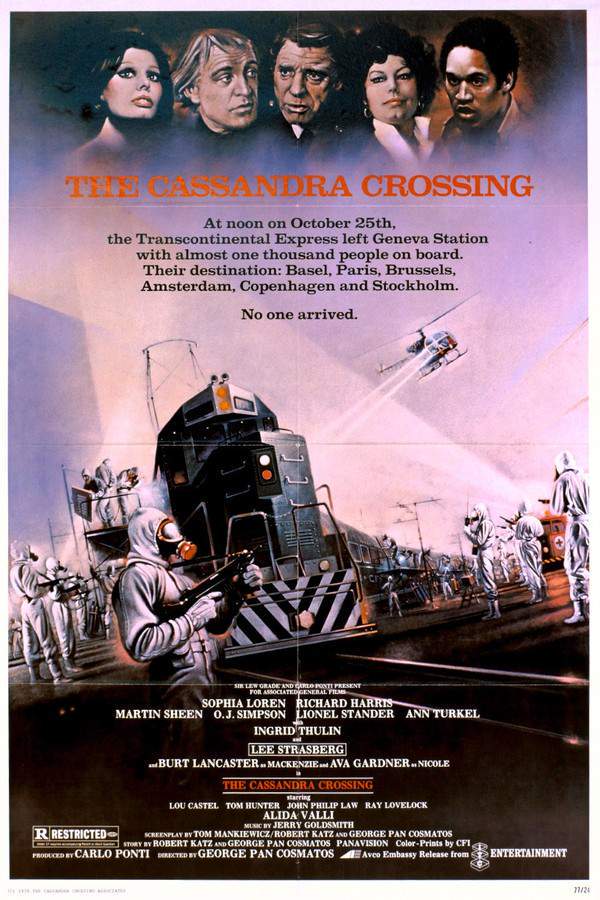
A deadly virus sweeps across a transcontinental train, triggering widespread panic among its sophisticated passengers, including Jennifer Chamberlain and her former spouse, Jonathan. Trapped and with no apparent escape, they find themselves facing terrorists and a terrifying choice: risk everything by attempting a dangerous crossing of the precarious Cassandra Bridge, or make a heartbreaking sacrifice to protect the lives of others.
Find where to stream, rent, or buy The Cassandra Crossing (1977) in the US with current JustWatch availability, up-to-date pricing, and platform listings for subscription, rental, and digital purchase options.
Warning: spoilers below!
Haven’t seen The Cassandra Crossing yet? This summary contains major spoilers. Bookmark the page, watch the movie, and come back for the full breakdown. If you're ready, scroll on and relive the story!
Explore the full timeline and setting of The Cassandra Crossing (1977). Follow every major event in chronological order and see how the environment shapes the story, characters, and dramatic tension.
Last updated: October 22, 2024 at 23:16
Meet the key characters of The Cassandra Crossing (1977), with detailed profiles, motivations, and roles in the plot. Understand their emotional journeys and what they reveal about the film’s deeper themes.
Last updated: October 22, 2024 at 23:16
Explore the central themes of The Cassandra Crossing (1977), from psychological, social, and emotional dimensions to philosophical messages. Understand what the film is really saying beneath the surface.
Last updated: October 22, 2024 at 23:16
Browse frequently asked questions about The Cassandra Crossing (1977) focused on characters, relationships, themes, symbols, setting, and story context. This movie info FAQ gives spoiler-aware explanations for character arcs, world details, and thematic interpretation so readers can better understand what the film is really about.
The Kasundruv Bridge is an unstable steel structure that serves as the perilous backdrop for the film's climax. Built in 1948, its unstable condition emphasizes the fragility of safety during the Cold War era. The bridge becomes the site of the train's final life-or-death crossing, where passengers must attempt the dangerous passage or face certain death from the plague and those pursuing them.
The bridge's instability is established early through references to its 1948 construction, hinting at the fatal risk the characters will ultimately face.
Geneva is one of the key locations referenced in the unfolding crisis. Along with the U.S. mission and the International Health Organization, Geneva is central to the outbreak response and the political maneuvering surrounding the pneumonic plague. The city represents the seat of international authority dealing with the biological threat.
Janov is depicted as a former Nazi concentration camp, serving to add historical weight to the narrative. Its presence connects the film's themes of survival and human vulnerability to the trauma of the Holocaust. For character Herman Kaplan, a Holocaust survivor, returning to or referencing such a location would carry profound personal significance, reinforcing the film's exploration of past traumas shaping present crises.
The movie is set against the backdrop of Cold War tensions, with the year 1948 serving as a reference point for the unstable conditions of the Kasundruv Bridge. The era is marked by fear of biological warfare and the specter of past conflicts, particularly the recent trauma of World War II and the Holocaust, which resonate throughout the narrative.
The Cold War setting creates an atmosphere of fear, suspicion, and institutional deception throughout the film. The fear of biological warfare drives the authorities' extreme measures, including the potential destruction of the train and its passengers. This geopolitical context enables the themes of truth and deception, as military operations and political agendas remain hidden from the public, and characters struggle to uncover the government's true intentions regarding the plague outbreak.
The film explores fear and terror through the panic surrounding the potential pneumonic plague outbreak. Both the terrorists and the authorities use fear as a weapon, terrorists to create chaos, and the government to justify extreme containment measures. The characters' personal fears and past traumas shape their decisions, reflecting a broader commentary on human vulnerability in crisis situations and how fear can be manipulated by those in power.
Truth and deception is a central theme, as military operations and political agendas lie hidden beneath the surface of the crisis. Characters struggle to uncover the truth about the plague and the government's intentions, revealing a larger commentary on transparency and the consequences of misinformation. The contrast between those seeking to expose the truth, like Kaplan, and those concealing it demonstrates how deception compounds the disaster.
Survival emerges as characters face life-and-death decisions throughout the train's harrowing journey. Jonathan Chamberlain transforms from a concerned neurologist into a proactive leader taking decisive action to protect passengers. Herman Kaplan, drawing on his Holocaust survival, becomes determined to uncover and stop the conspiracy threatening everyone. The film explores the moral choices people make when survival is at stake, questioning what individuals will sacrifice to live.
Jonathan Chamberlain is an acclaimed neurologist portrayed by Martin Sheen who becomes caught amidst the deadly plague crisis on the train. Initially a concerned professional, he exhibits resilience and ingenuity as tensions rise, eventually taking decisive actions to protect the passengers. His character arc demonstrates the capacity for ordinary people to become courageous leaders in emergencies, evolving from passive observer to active protector.
Herman Kaplan, played by Lionel Stander, is a Holocaust survivor whose past experiences deeply shape his reactions to the crisis on the train. His history of surviving Nazi persecution gives him a unique perspective on institutional threats and personal sacrifice. Driven by a quest for justice, he becomes pivotal when he uncovers the conspiracy threatening the passengers. His resolve highlights the theme of survival amidst chaos and the moral strength that can emerge from those who have already endured the worst.
Haley, portrayed by Ann Turkel, is an undercover Interpol agent who poses as a priest throughout the crisis. Her character demonstrates resourcefulness and bravery as she works to protect innocents and bring the conspirators to justice. Her commitment to duty and willingness to make the ultimate sacrifice underscores the theme of personal heroism in the face of danger, ultimately giving her life to save others.
The film presents a cynical view of institutional power, showing how authorities prioritize political agendas over human lives. The conspiracy to contain the plague involves deception and potentially murderous decisions by those in power. The bittersweet ending reinforces this critique, many perish due to the authorities' actions, yet the conspirators escape consequence. The film suggests that in crisis, institutions may become as dangerous as the threats they claim to combat.
Discover curated groups of movies connected by mood, themes, and story style. Browse collections built around emotion, atmosphere, and narrative focus to easily find films that match what you feel like watching right now.
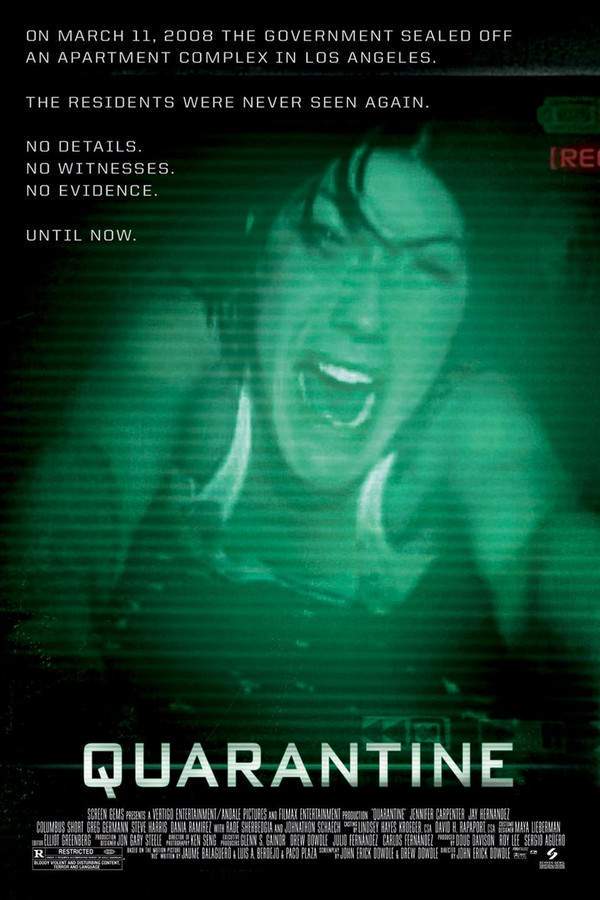
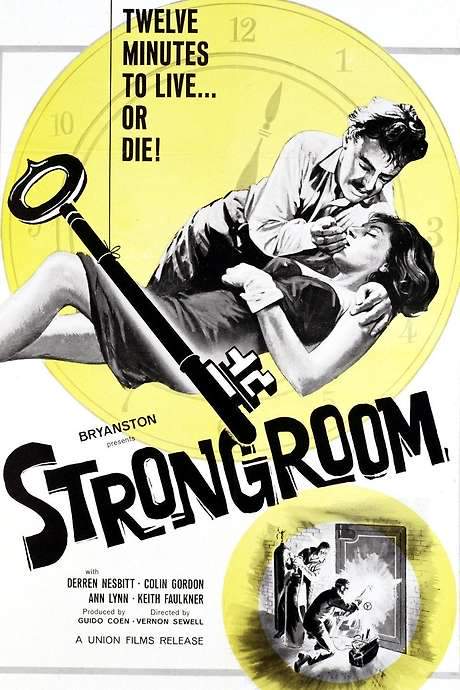
Characters are trapped in a confined space with a ticking-clock threat.If you liked the high-stakes panic of being trapped on a train in The Cassandra Crossing, you'll find similar tension in these movies. This thread features stories where characters are confined with a deadly threat, creating a desperate fight for survival in a limited space.
Narratives typically begin with an ordinary situation that rapidly turns catastrophic, trapping a group of diverse characters. The plot revolves around their struggle to understand and survive the threat, often exacerbated by internal conflict, sabotage, or deception from those meant to protect them, culminating in a dramatic and costly escape or sacrifice.
These movies are grouped by their shared core experience: the visceral fear of being trapped. They consistently deliver high intensity, fast pacing, and a tense, anxious tone, making the viewer feel the characters' claustrophobia and desperation firsthand.
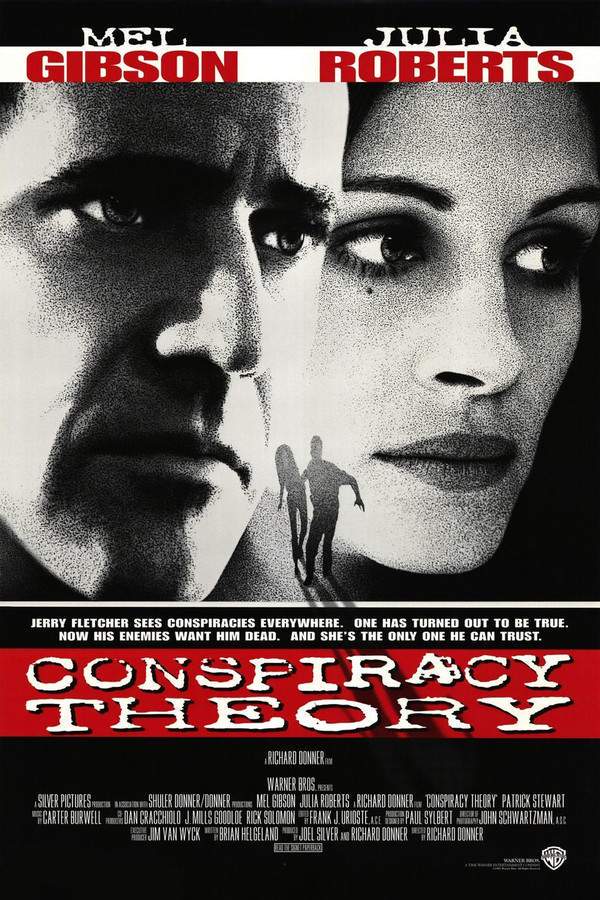
Stories where the protectors become the villains in a cover-up.Fans of The Cassandra Crossing's military conspiracy will appreciate these films about authority betrayal. Explore stories where government or corporate cover-ups put innocent lives at risk, creating a mood of deep paranoia and heavy ethical dilemmas.
The narrative follows characters uncovering a shocking truth that those in power are orchestrating a crisis or covering up a catastrophic error. The journey involves piecing together clues despite obstruction, facing the moral horror of the conspiracy, and often ending with a bittersweet or bleak resolution where the system remains unpunished despite individual sacrifices.
These films share a common thematic core: the betrayal of trust by authority. They evoke a specific mood of paranoia and generate heavy emotional weight by exploring ethical dilemmas and the helplessness of individuals against a corrupt system.
Don't stop at just watching - explore The Cassandra Crossing in full detail. From the complete plot summary and scene-by-scene timeline to character breakdowns, thematic analysis, and a deep dive into the ending - every page helps you truly understand what The Cassandra Crossing is all about. Plus, discover what's next after the movie.
Read a complete plot summary of The Cassandra Crossing, including all key story points, character arcs, and turning points. This in-depth recap is ideal for understanding the narrative structure or reviewing what happened in the movie.
Track the full timeline of The Cassandra Crossing with every major event arranged chronologically. Perfect for decoding non-linear storytelling, flashbacks, or parallel narratives with a clear scene-by-scene breakdown.