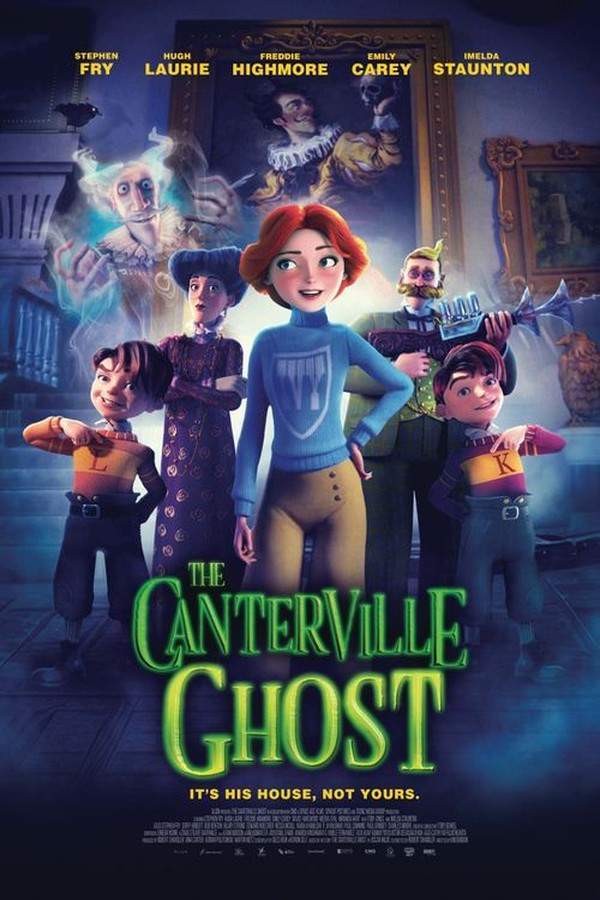
In a damp English village, Harry Canter returns to Canterville Castle with his new wife Lucy and his daughter Jennifer from a previous marriage, hoping to claim the inheritance and perhaps sell the estate to a developer. The castle is whispered to be haunted by the ghost of a disgraced ancestor, Sir Simon De Canterville, whose presence unsettles the locals and unsettles the family debuting in this crumbling manor.
From the start, Harry and Lucy refuse to concede that anything supernatural is at work, convinced they’re dealing with wires and tricks. Yet the castle’s atmosphere is thick with old secrets, and the gloomy warnings from Mrs. Umney and other wary townsfolk only deepen the sense that something beyond rational explanation lingers in the halls. Harry stays the planned three months, with an eye toward selling Canterville Castle to a developer who dreams of turning it into a hotel, while Lucy tries to bridge the widening gap with her stepdaughter.
Jennifer, restless and brave, climbs to the attic at night in search of the ghost. There, she encounters [Sir Simon De Canterville], who initially tries to scare her off as he’s done with others for centuries. But Jennifer’s fearlessness earns his attention, and the weary specter quietly befriends the girl who won’t back away. He reveals that he has not slept in over 300 years and is exhausted by his own endless afterlife, a fact that softens his menace and hints at a longer backstory than the legends suggest.
The following day, a more precarious moment arrives when Harry climbs to the castle roof to inspect for wires. A misstep sends him plunging, only to be saved by an almost miraculous intervention from Sir Simon, who also begins to reveal his influence by interrupting a dinner party and scaring off guests. The boundaries between the living and the dead begin to blur as the family starts to acknowledge that the ghost might be real after all, not a mere trick of the castle.
Lucy’s experiences grow increasingly unsettling: mirrors show eerie figures, cold fingers brush her unaccompanied shoulder, and voices echo through empty rooms. The household atmosphere tightens around fear and fascination, nudging both Lucy and Jennifer toward a tentative trust in the supernatural presence that has inhabited the castle for centuries.
A whispered rumor surfaces in the village—that Sir Simon killed his wife Eleanor. In truth, the history is murkier: Eleanor died by accident while attempting to strike Sir Simon, a tragedy born of neglect and a fragile bridge that collapsed under the strain of their feud. The truth behind the inheritance and the ghost’s fate becomes a catalyst for Jennifer to confront the deeper curse that binds the estate.
Together with Paul Blaine, a classmate who uncovers the lingering mystery, Jennifer and the others uncover that Sir Simon’s tether to the world is tied to a curse cast because of past actions and unresolved guilt. The ghost’s stay on the estate lingers until a crucial moment in which Jennifer pleads with the Angel of Death to release him, a request that carries real risk for those involved.
Against caution and danger, Jennifer’s plea succeeds: Sir Simon is freed from the curse, and the impossible history between the living and the dead shifts in a decisive, albeit uncertain, direction. With the ghost’s release, the castle’s fate—and the fragile relationships within the family—enter a new phase, where memory, redemption, and the possibility of peaceful coexistence between worlds begin to take the place of fear. The story closes on a note that tolerance and understanding might outlast superstition, even as the castle’s future remains tied to the choices of those who inhabit it.