Plot Explained Spoilers guaranteed!
Plot Explained

Browse by genre

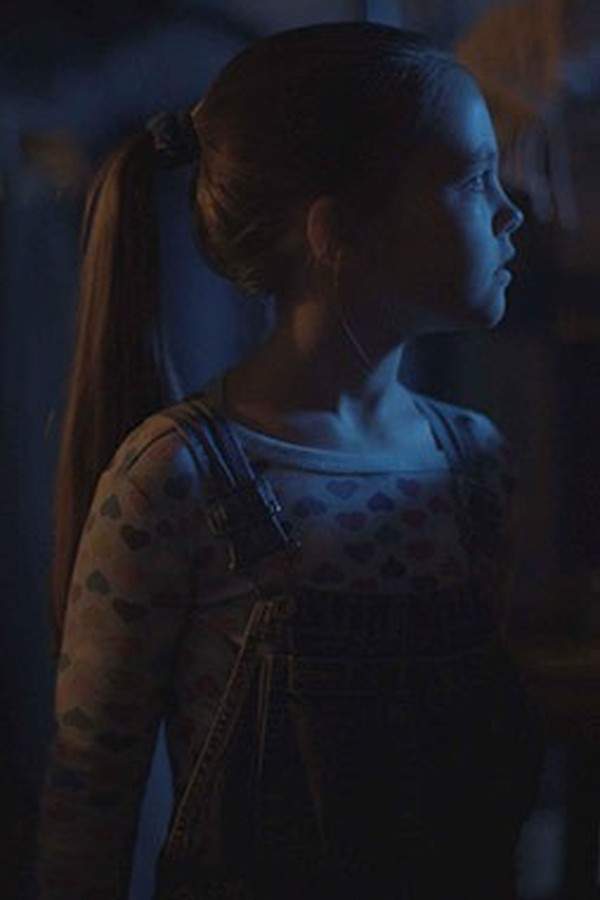
Secrets in the Walls (2010) movie poster

Plot Summary

Secrets in the Walls (2010) Plot Summary Explained

Release, runtime and language
2010 · 89 mins · English
Loading streaming availability…
Directed by
Christopher Leitch
Starring
Peyton List, Kay Panabaker, Lauren Mae Shafer, Jordan Trovillion, Jeri Ryan, Sarab Kamoo

A single mother and her two daughters leave their cramped Detroit apartment for a spacious suburban house, hoping for a fresh start. Soon, unsettling scratches, distant cries, and haunting shadows reveal that they are not alone, turning their new home into a source of terror.

On this page (5)
  1. 1 Where to watch
  2. 2 What happens: full plot
  3. 3 Plot questions answered
  4. 4 Movie threads
  5. 5 Every angle
Loading streaming availability…

Full plot summary · contains spoilers

What Happens in Secrets in the Walls: Full Plot Summary

The whole story of Secrets in the Walls (2010) explained, from the opening scene to the final frame: every key event, every twist and what it all adds up to. Read it as a quick recap before the sequel, to check a scene you missed, or to finally understand what really happened.

Molly, Lizzie, and their mother Rachel move from downtown Detroit to Ferndale, Michigan, into a very old house that immediately carries a weight of quiet, creaking floors and memories that feel almost tangible. What starts as a fresh start gradually reveals itself as a maze of strange occurrences—things shifting when no one is watching, unseen taps at the windows, and a sense that the house remembers more than it should. The family’s arrival sets off a chain of discoveries that will blur the line between the living and the dead, testing their bond and their trust in what they know to be true.

As Rachel digs into the home’s history, she uncovers a troubling past from the 1950s: the house was owned by a 17-year-old German girl named Greta and her abusive husband. The story takes a darker turn when Rachel learns that Greta disappeared while living there, and no one ever saw her again. The truth about Greta’s fate seems to haunt the walls themselves, rippling through the house with a cold breath that she can feel in the back of her neck. In the course of their investigation, Rachel and her brother discover something chilling—a skeleton sealed inside the wall of Lizzie’s bedroom, its bonds of wood scratched and warped by time, suggesting Greta was locked away while she was still alive. The weight of this discovery presses down on the family, casting a shadow that seems to custi­on every corner of their new home.

The family’s sense of danger intensifies when Greta’s presence begins to surface in a new, terrifying way. Greta, using her supernatural gifts, is able to trade places with Lizzie by placing a necklace—Greta’s own keepsake from her life—on Lizzie. The switch is subtle at first, almost like a hum beneath the surface, but Molly quickly sees through the ruse, recognizing that the girl inhabiting Lizzie’s body isn’t the sister she knows. Greta’s powers complicate every ordinary moment, turning each familiar habit into a potential trap. Molly’s awareness is sharp and unyielding, even if she is limited in how she can warn others.

Meanwhile, Rachel’s friend—an ally who understands spirits and rituals—arrives to help banish the haunting. Unaware of the body swap, the friend moves to perform a cleansing that could expel Greta from Lizzie’s body, potentially sealing Greta’s fate in the afterlife. The ritual becomes a moment of high tension: when Molly enters, the process is interrupted, and the truth about the body swap is laid bare for Rachel and her friend. The realization forces Rachel to reconsider her approach, and she realizes she must play along the next day, pretending not to notice that Lizzie’s body is inhabited by Greta, luring Greta back into the house to confront her once more.

On the grand staircase, a confrontation unfolds that tests every assumption. Rachel faces Greta in a tense, world-bending standoff, calling into question the very nature of who belongs to which body. Greta’s instinctive confusion about Lizzie’s memories—like the moment in which Lizzie would know why Greta named her daughter Lizzie—gives Rachel a crucial advantage. The exchange is charged with danger as the two struggle, each forced into a roles they did not choose. The fight is fierce and draining, and the staircase becomes a charged stage where the past and present collide.

During the climax, Greta fights to maintain control of Lizzie’s body, and Rachel works to reclaim it. In a moment of desperate strength, Lizzie regains her hold, and the moment of recognition between mother and daughter arrives in a single, fragile breath. Lizzie moments later utters a simple, haunted question, “Mom?” but then the moment is overshadowed by the fall from the stairs. The impact is severe, and for a long stretch the scene holds with a tense silence before Lizzie slowly comes to, her words carrying a quiet gravity that echoes the film’s core message: identity and memory are not so easily left behind.

As Lizzie regains consciousness, a whispered line resurfaces, this time tied to a literary memory: Elizabeth—the heroine of a favorite book—becomes a symbol of resilience and strength in the face of oppression. The line, delivered in a quiet, almost reverent moment, reinforces the idea that the life Greta longed for—one of autonomy and agency—still belongs to the person who has lived and loved and learned to endure. The moment is both a tribute to resilience and a reminder of how memory anchors the self, even in the tense aftermath of a supernatural struggle.

With the danger finally unearthed and the immediate haunting contained, Rachel makes the difficult decision to leave the house behind. She moves out with Molly and Lizzie, but not without discovering the unsettling truth—that the person who previously sold them the house is already ushering in new potential buyers. The revelation stays with her as she drives away, a moral obligation tugging at her conscience: warn the next potential occupants about the house’s history, or stay silent and protect her own loved ones. She chooses honesty, hoping to spare others from the same peril, even as she faces disbelief from those who meet her tale with skepticism.

The film closes on a chilling note. The buyers walk through the door as Rachel’s family departs, the house seemingly ready for new life, while Greta’s ghost lingers, watching from an upstairs window with a gaze that refuses to yield. The last image suggests that Greta is not yet done with the life she never had, and that the past refuses to stay buried behind closed doors. What began as a search for a quiet new start becomes a meditation on memory, the boundaries of the living and the dead, and the ways in which a place can cling to a family long after they have moved on.

Last updated: October 09, 2025 at 16:58

Was this helpful?

Plot questions answered

Secrets in the Walls Plot Explained: Your Questions Answered

The questions people ask most about Secrets in the Walls (2010): what happens in the confusing scenes, why the characters do what they do, the twists, hidden details and what the ending means. Each answer contains spoilers.

Q1

How did Greta switch bodies with Lizzie?

Greta used a keepsake necklace, her own possession from her life, to physically place it on Lizzie, which enabled her to trade places and inhabit Lizzie's body. The switch was subtle at first, almost like a hum beneath the surface, but the transfer gave Greta control over Lizzie's physical form while Lizzie was effectively trapped. Molly was the first to notice something was wrong, recognizing that the girl inhabiting Lizzie’s body wasn’t the sister she knew.

Foreshadowing: The supernatural trade was foreshadowed by the earlier discovery of Greta's belongings and the unsettling atmosphere that followed the family into the house.

  • greta
  • lizzie
  • body swap
  • possession
  • necklace
  • spirit transfer
Q2

Why was Greta sealed inside the wall?

Greta was a 17-year-old German girl who lived in the house in the 1950s with her abusive husband. Evidence discovered in Lizzie's bedroom showed that Greta was bound with wood and sealed inside the wall while she was still alive. The bonds were scratched and warped by time, suggesting she was imprisoned and died trapped within the walls of the house she once lived in.

Foreshadowing: Rachel's investigation into the home's history revealed Greta disappeared mysteriously, with no one ever seeing her again, hinting at a darker fate than simple disappearance.

  • greta
  • skeleton
  • wall
  • imprisoned
  • abusive husband
  • 1950s
Q3

How did Molly know Lizzie was possessed by Greta?

Molly recognized subtle changes in Lizzie's behavior that didn't match her sister's familiar habits. Her awareness was described as sharp and unyielding, she could see through the ruse even when others couldn't. Despite knowing the truth, Molly was limited in how she could warn others without directly exposing herself to Greta, who was now controlling her sister from within.

Foreshadowing: The unsettling occurrences in the house, things shifting when no one was watching and unseen taps at the windows, created a growing sense that something was fundamentally wrong.

  • molly
  • lizzie
  • greta
  • possessed
  • detection
  • behavior changes
Q4

What was Greta's story and why was she haunting the house?

Greta was a 17-year-old German girl who lived in the house in the 1950s with her abusive husband. She disappeared while living there, and no one ever saw her again. The truth was that her husband imprisoned her alive inside the walls of the house, where she died. Her spirit remained trapped, and she used her supernatural gifts to reach across time, seeking to reclaim the life and autonomy she was denied.

Foreshadowing: The house immediately felt heavy with memory, its creaking floors and clinging shadows suggesting the walls remembered more than they should.

  • greta
  • german girl
  • abusive husband
  • haunted house
  • trapped spirit
  • 1950s
Q5

Why did Rachel pretend not to notice Lizzie was possessed?

After learning the truth about the body swap during the interrupted cleansing ritual, Rachel realized she had to play along and pretend not to notice that Lizzie’s body was inhabited by Greta. Her plan was to lure Greta back into the house for a final confrontation, understanding that overt action would only push Greta deeper into hiding. This calculated approach allowed her to set a trap while maintaining the element of surprise.

Foreshadowing: The cleansing ritual itself was a turning point, Molly's interruption revealed the truth, forcing Rachel to rethink her strategy entirely.

  • rachel
  • lizzie
  • greta
  • body swap
  • plan
  • confrontation
Q6

What happened during the staircase confrontation?

The climax unfolded on the grand staircase where Rachel faced Greta in a tense, world-bending standoff. Greta's confusion about Lizzie’s memories, like why Lizzie would know why Greta named her daughter Lizzie, gave Rachel a crucial advantage. During the struggle, Lizzie managed to regain control of her own body, and a fragile moment of recognition passed between mother and daughter. The fight became so intense that it resulted in a fall down the stairs, leaving Lizzie injured.

Foreshadowing: The earlier discovery of the skeleton and the body swap had been building toward this direct confrontation between the living and the dead.

  • staircase
  • confrontation
  • rachel
  • greta
  • lizzie
  • fall
  • climax
Q7

Does Greta remain in the house at the end?

Yes. As Rachel's family departs, new buyers walk through the door while Greta's ghost lingers, watching from an upstairs window with a gaze that refuses to yield. The final image suggests Greta is not yet done with the life she never had and that the past refuses to stay buried. The house appears ready for new life, but the threat remains unresolved.

Foreshadowing: Rachel's decision to warn the new buyers about the house's history, even though they likely won't believe her, hints that the cycle may continue.

  • greta
  • ghost
  • ending
  • house
  • watching
  • new buyers
Q8

What is the significance of the Elizabeth reference at the end?

As Lizzie regains consciousness, she recalls Elizabeth, the heroine of a favorite book, as a symbol of resilience and strength in the face of oppression. The line reinforces that the life Greta longed for, one of autonomy and agency, still belongs to the person who has lived, loved, and learned to endure. The moment serves as a tribute to resilience and a reminder that memory anchors the self, even after a supernatural violation.

Foreshadowing: Greta's struggle to understand Lizzie's memories during the confrontation highlighted how identity is tied to personal history and experience.

  • elizabeth
  • book
  • heroine
  • resilience
  • memory
  • identity
  • literary reference
Q9

Did Rachel warn the new buyers about the house?

Before leaving, Rachel discovered that the person who sold them the house was already ushering in new potential buyers. She faced a moral choice: warn them about the house's history or stay silent to protect herself from disbelief. She chose honesty, hoping to spare others from the same peril, even as she faced skepticism from those who heard her tale.

Foreshadowing: The previous owner's willingness to sell to another family without disclosure suggested they were either unaware of or unconcerned with the house's dark history.

  • rachel
  • new buyers
  • warning
  • house history
  • moral choice
Q10

How did the necklace enable Greta to possess Lizzie?

The necklace was Greta's own keepsake from her life, a personal object that retained a connection to her spirit. By physically placing the necklace on Lizzie, Greta created a supernatural bridge that allowed her to transfer her consciousness into Lizzie's body. The mechanism was tied to her supernatural gifts, which the film establishes she possesses as a ghostly presence capable of manipulating the physical world.

Foreshadowing: The discovery of Greta's belongings and personal items in the house preceded the emergence of her supernatural activity.

  • necklace
  • keepsake
  • possession
  • supernatural
  • greta
  • lizzie
  • swap

Movie threads

More Movies Like Secrets in the Walls, by Mood & Story

Curated lists built around what makes Secrets in the Walls tick: the same mood, the same kind of story or the same emotional payoff. Each list explains why these movies belong together.

Movies with tragic hauntings like Secrets in the Walls

Supernatural threats slowly reveal a dark history tied to a home. If you liked the slow unraveling of a house's grim history in 'Secrets in the Walls', you'll find similar stories here. This list features movies about new homes plagued by supernatural forces tied to a tragic past, where uncovering secrets is the key to survival. These films share a steady build of dread, heavy emotional themes, and an eerie, claustrophobic atmosphere.

  • eerie
  • suspenseful
  • dreadful
  • melancholic
  • unsettling
  • claustrophobic
  • Tone: tense, dreadful, melancholic
  • Pacing: steady, slow burn
Why these movies?

The story pattern: The narrative pattern involves protagonists entering a new space that is haunted. The story follows their investigation into the supernatural phenomena, which leads them to uncover a historical tragedy—often involving family secrets, abuse, or wrongful death. The conflict intensifies as the ghostly presence becomes more aggressive, forcing a confrontation with the past to break the cycle or survive.

Why they belong together: Movies are grouped here based on their shared focus on a haunted location with a specific, tragic backstory. They typically feature a steady pacing that builds dread, a tense and eerie tone, high emotional weight from the thematic elements, and an ambiguous or uneasy ending where the evil may not be fully vanquished.

Psychological domestic horror movies like Secrets in the Walls

A family's safe space becomes a source of psychological terror. For viewers who appreciated the family-centric terror and psychological tension of 'Secrets in the Walls', this collection highlights similar films. These stories explore the horror of the domestic sphere being violated, leading to paranoia and a struggle for control. Expect high-tension narratives with heavy themes, unsettling atmospheres, and a focus on familial trauma.

  • paranoid
  • claustrophobic
  • unsettling
  • dreadful
  • suspenseful
  • psychological
  • Tone: tense, paranoid, unsettling
  • Pacing: steady, methodical
Why these movies?

The story pattern: The narrative follows a family unit confronted by a threat that infiltrates their home. The story explores the psychological deterioration of the characters as they grapple with fear, paranoia, and the erosion of their sense of safety. The central conflict is often internal as much as external, involving a struggle to maintain identity, protect loved ones, and uncover the truth against overwhelming odds.

Why they belong together: These films are connected by their core theme of domestic invasion and the resulting psychological horror. They share a high-intensity, tense tone that creates a feeling of claustrophobia and vulnerability. The pacing is typically steady, methodically building unease, and the emotional weight is heavy, dealing with themes like trauma, abuse, and the fragility of family.

Every angle

Secrets in the Walls (2010) Explained: Plot, Timeline & Characters

Everything about Secrets in the Walls in one place: what happens in the plot summary, the timeline in chronological order, the characters and meaning and a spoiler-free summary. What's After the Movie adds the cast, box office and post-credit scenes.

Coming soon on iOS and Android

The Plot Explained Movie Summary App

Plot summaries, endings explained and timelines on your phone. Catch up on any movie in minutes, save your favorites and never miss a twist again.

Be the first to know when we launch. Your email stays private, always.

Learn more about the app