Based on Thomas M. Disch’s book and originally intended as the third installment, this sequel was completed and released before ‘The Brave Little Toaster to the Rescue’. When the appliances strive to safeguard their new ‘Little Master’, they embark on an epic adventure, encountering numerous new friends along the way.
Find where to stream, rent, or buy The Brave Little Toaster Goes to Mars (1998) in the US with current JustWatch availability, up-to-date pricing, and platform listings for subscription, rental, and digital purchase options.
Warning: spoilers below!
Haven’t seen The Brave Little Toaster Goes to Mars yet? This summary contains major spoilers. Bookmark the page, watch the movie, and come back for the full breakdown. If you're ready, scroll on and relive the story!
Read the complete plot breakdown of The Brave Little Toaster Goes to Mars (1998), including all key story events, major twists, and the ending explained in detail. Discover what really happened, and what it all means.
Rob and Chris have a baby boy named Robbie. At first the appliances think they will pay more attention to him, but soon they settle into a rhythm that feels warm and comforting, as if this little one has always belonged in their small, bustling home. The mood shifts when the Hearing Aid, left behind by the previous owner in a forgotten drawer, decides to slip free and wander the house while everyone is asleep. The moment it slips out is charged with a quiet tension, and Toaster(/actor/deanna-oliver) notices the odd disturbance and starts to shadow the Hearing Aid as it glides toward the attic, its movements charged with a suspicion that something is not quite right.
That midnight becomes the turning point. The Hearing Aid escapes the drawer completely, and the “little master” Robbie awakens, crawls from his crib, and quietly follows the strange sounds up the stairs. The household stirs as a bright beam of light bursts into the room, winking out the moment the little one slips away from sight. The appliances rush to find him, Lampy in the lead, but Robbie vanishes into a bubble that carries him away through space. It becomes clear to the family that their child has been sent to Mars, and the quiet world of their kitchen suddenly feels like a thin membrane between ordinary life and a grand, unknown voyage.
In a bid to rescue Robbie, the appliances convene a council with Wittgenstein, the old supercomputer who guides them with careful, practical wisdom. The plan to reach the red planet is improvised with what they have on hand: a laundry basket becomes a makeshift spacecraft, a ceiling fan provides lift, Microwave helps propel them, and cheddar cheese popcorn—useful, surely, because it’s organic—serves as a curious fuel-like supply. Their expedition begins with a mix of grit and wonder as they set off into the vastness of space, determined to bring their boy back home. The journey is fraught with comic peril and small, hopeful triumphs as they survive the void and navigate the unknown.
When they crash-land on Mars, they discover Robbie is not alone in this strange world. A Christmas angel named Tinselina, portrayed by Kath Soucie, appears and reveals she has been sent to this far-off world alongside Viking 1, who has his own mission in the alien landscape. The group soon encounters a fleet of earthly Toasters, a disciplined contingent led by a formidable leader known as the Supreme Commander, a massive refrigerator whose plans threaten Earth. The Supreme Commander’s crew is formidable, and the stakes rise quickly as the truth of their vendetta against humanity becomes clearer. The stakes feel personal, and Toaster Toaster herself becomes a beacon of courage as she argues against the looming destruction, hoping to prevent a catastrophe that would ripple back to their home world.
In the heat of the moment, Robbie’s small act changes everything: his hand extends from a bubble, brushing against the pinkened surface of the Supreme Commander. The refrigerator’s color shifts, a vivid reminder that the simplest touch can alter even the hardest of hearts. The moment coldly stakes out a moral turn: the power of gentleness and a child’s innocence to soften a hardened machine. A pivotal exchange follows, as the exhausted allies realize their paths are not only about survival but about finding a way back to trust and hope. The line between enemy and ally blurs as the Supreme Commander—aware of the human capacity for kindness—speaks with a quiet warmth, acknowledging that “the touch of the small boy’s hand” may hold the key to mercy.
The conflict crescendos in an unlikely political showdown: Toaster rises to challenge the old regime and, after a series of clever, heartfelt moves, wins the election to become the new Supreme Commander. In a surprising reversal, the towering machine leadership is placed in the hands of a determined, compassionate toaster. The crew discovers another Hearing Aid in the freezer—this one a brother to the original—lifting the curtain on a sixty-year silence and offering a chance for reconciliation. The brothers share a reunion as old loyalties resurface, and the group realizes that the fight is not only about saving a planet but about honoring family ties and second chances.
Toaster and her allies confront a critical moment when Hearing Aid’s brother forgets to deactivate the rocket. The countdown begins, and in a daring act of teamwork, Toaster and Hearing Aid’s brother jump to safety and destroy the missile. The rescue is narrow and dramatic, and the team races back toward Earth as a final, harrowing clock ticks down. In a symbolic gesture, Tinselina relinquishes her attire to become a source of life-sustaining organic material they can bring back with them, a quiet sacrifice that underlines the film’s themes of selflessness and renewal.
Earth’s horizon appears just in time as the baby monitor Ratso, their brave pet rat, wakes Rob and Chris, nudging the family back into the warmth of their home. The homecoming is filled with ordinary joy and a dash of holiday magic: the family begins to document Robbie’s antics, and Tinselina’s fate among the stars isn’t forgotten. In a poignant mercy, Rob finds Tinselina in the trash can and repairs her, restoring a measure of balance to the story’s cast of kindly misfits. The family’s Christmas celebration arrives with a glow of reassurance that love can travel across galaxies and still find a way home.
In a tender closing moment, Robbie speaks his first word, and it’s a simple, triumphant eight-letter exclamation: > “Toaster!” This word carries with it not just a fanfare of childhood wonder, but a bridge between a household’s everyday life and the extraordinary voyage they undertook to save their family. On the Christmas tree, Tinselina ascends to a place of honor, a bright ornament that symbolizes the friendship, sacrifice, and resilience that carried them through the Martian voyage and back to the warmth of home. The story closes with a sense of hopeful continuance, a reminder that even a small appliance family can endure the vastness of space and the sweetness of family life.
Last updated: October 09, 2025 at 11:07
Explore frequently asked questions about The Brave Little Toaster Goes to Mars (1998) with spoiler-rich answers covering the full plot summary, major story beats, character motivations, hidden details, and ending meaning. This movie summary FAQ helps explain confusing scenes, plot twists, and narrative decisions in clear, searchable detail.
The Hearing Aid was a device left behind by a previous owner and had been hidden in a drawer. It escaped at night and traveled to the attic where it communicated with someone in space, planning to take Robbie to Mars. Toaster noticed the disturbance and followed it, suspecting something was wrong.
Earlier, the Hearing Aid had been left in a forgotten drawer, establishing it as an unusual, forgotten device with hidden motives.
At midnight, the Hearing Aid escaped again and summoned a bright beam of light into the house. While the appliances confronted the Hearing Aid, Robbie crawled from his crib and was caught in a bubble that shot him through space toward Mars. The appliances witnessed him vanish into the bubble.
Toaster had been watching the Hearing Aid after discovering it speaking to someone in the attic earlier.
The appliances enlisted help from Wittgenstein, an old supercomputer who guided them. They improvised a spacecraft using a laundry basket as the hull, a ceiling fan for lift, Microwave for propulsion, and cheddar cheese popcorn as organic fuel. They launched into space to rescue Robbie.
The council with Wittgenstein established that the appliances needed a way to reach Mars quickly.
The Supreme Commander was a massive refrigerator who led a fleet of military toasters on Mars. He harbored a grudge against humanity because his old owners had neglected and abandoned him. This accumulated anger over decades drove his plan to blow up Earth as revenge.
The appliances discovered the toasters' military discipline and learned of their vendetta against humanity.
When Robbie extended his hand from his protective bubble and touched the Supreme Commander, the refrigerator's surface turned pink momentarily. This simple act of a child's innocence reminded the Commander that not all humans are bad. It was the turning point that made him reconsider destroying Earth.
The appliances had been trying to convince the Commander that humans could be kind.
Toaster challenged the existing regime and ran against the Supreme Commander in an election. After a series of heartfelt and clever arguments about compassion and humanity, she won the election and became the new leader of the Martian toaster fleet.
Toaster had been arguing against destroying Earth, demonstrating her leadership and persuasive abilities.
The appliances discovered another Hearing Aid hidden in the freezer, this was the original Hearing Aid's brother who hadn't been seen for sixty years. His presence explained the Hearing Aid's mysterious behavior and provided an emotional reunion moment between the two separated devices.
The Hearing Aid had been acting strangely, hinting at a deeper family connection.
Hearing Aid's brother forgot to deactivate the rocket, triggering a dangerous countdown. Toaster jumped into action, leaping off with Hearing Aid's brother and destroying the rocket just in time to prevent a one-way trip to Mars. The team narrowly escaped and raced back toward Earth.
The discovery of Hearing Aid's brother created a momentary distraction during the tense mission.
Tinselina, the Christmas angel, gave up her wardrobe and clothes to provide organic material that the appliances could bring back to Earth. This selfless act underscored the film's themes of sacrifice and renewal, helping the group return home safely.
Tinselina had guided them through Mars and demonstrated kindness throughout the journey.
After the family was reunited and celebrating Christmas, Robbie spoke his first word, and it was "Toaster." This symbolized the deep bond formed during the rescue mission, representing how the appliance family had become an integral part of his life and identity.
The entire film showed the appliances' devotion to protecting Robbie at all costs.
Discover curated groups of movies connected by mood, themes, and story style. Browse collections built around emotion, atmosphere, and narrative focus to easily find films that match what you feel like watching right now.
Stories where everyday inanimate objects come to life on a grand quest.Looking for more movies like The Brave Little Toaster Goes to Mars? Discover similar family films where sentient objects—from toys to appliances—embark on playful missions, blending gentle comedy with themes of friendship and loyalty in charming animated worlds.
The narrative typically involves a group of loyal, personified objects who must venture beyond their familiar home to achieve a goal, often a rescue. Their journey is filled with lighthearted peril, new quirky characters, and a steady pace that builds to a happy, comforting conclusion.
These films are grouped by their core whimsical premise of living objects, creating a unique blend of adventure and cozy domesticity. They share a light emotional weight, medium intensity, and a hopeful, playful mood that appeals to family audiences.
Gentle, optimistic space adventures where the journey is more important than the danger.If you liked the friendly space adventure in The Brave Little Toaster Goes to Mars, explore other family films set in space. These movies feature hopeful journeys, playful encounters, and a comforting tone, perfect for younger viewers seeking fun sci-fi without intense scares.
The narrative follows a lovable crew on a linear mission into space, encountering whimsical settings and characters. Conflict is presented as a puzzle to be solved through teamwork and innocence rather than violence, leading to a straightforward and satisfying happy resolution.
Movies in this thread share a specific vibe: they transform the vastness of space into a setting for cozy, accessible adventures. They blend the excitement of exploration with a steady pace, light emotional weight, and an overwhelmingly hopeful and comforting tone.
Don't stop at just watching - explore The Brave Little Toaster Goes to Mars in full detail. From the complete plot summary and scene-by-scene timeline to character breakdowns, thematic analysis, and a deep dive into the ending - every page helps you truly understand what The Brave Little Toaster Goes to Mars is all about. Plus, discover what's next after the movie.
Track the full timeline of The Brave Little Toaster Goes to Mars with every major event arranged chronologically. Perfect for decoding non-linear storytelling, flashbacks, or parallel narratives with a clear scene-by-scene breakdown.
Discover the characters, locations, and core themes that shape The Brave Little Toaster Goes to Mars. Get insights into symbolic elements, setting significance, and deeper narrative meaning - ideal for thematic analysis and movie breakdowns.
Discover movies like The Brave Little Toaster Goes to Mars that share similar genres, themes, and storytelling elements. Whether you’re drawn to the atmosphere, character arcs, or plot structure, these curated recommendations will help you explore more films you’ll love.
The Brave Little Toaster Goes to Mars (1998) Scene-by-Scene Movie Timeline
The Brave Little Toaster Goes to Mars (1998) Movie Characters, Themes & Settings
The Brave Little Toaster Goes to Mars (1998) Spoiler-Free Summary & Key Flow
Movies Like The Brave Little Toaster Goes to Mars – Similar Titles You’ll Enjoy
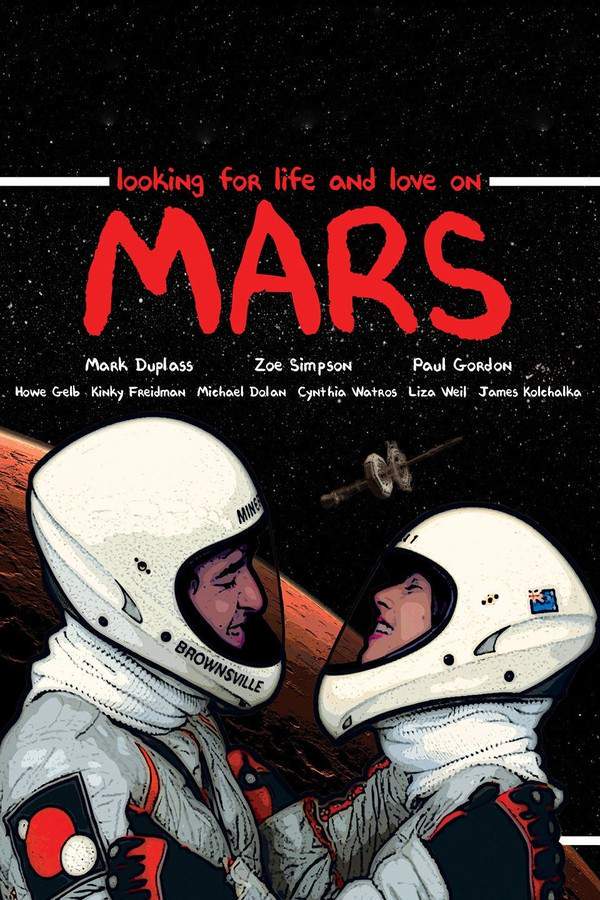
Mars (2010) Full Summary & Key Details
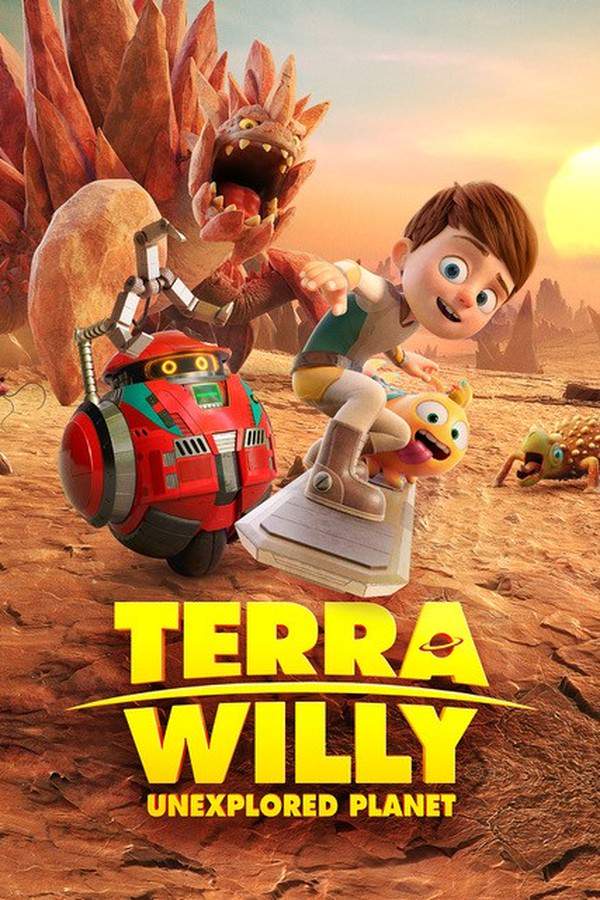
Terra Willy (2020) Full Summary & Key Details
Tom and Jerry Blast Off to Mars! (2005) Movie Recap & Themes
A Trip to Mars (1918) Detailed Story Recap
The Brave Little Toaster (1987) Complete Plot Breakdown
Rabbids Invasion - Mission To Mars (2021) Spoiler-Packed Plot Recap
The Hasty Hare (1952) Detailed Story Recap
The Adventures of Timmy the Tooth: Timmy in Space (1995) Film Overview & Timeline
Little Orbit the Astrodog and the Screechers from Outer Space (1979) Detailed Story Recap
The Brave Little Toaster to the Rescue (1997) Full Summary & Key Details
Commander Toad in Space (1993) Complete Plot Breakdown
Rocket to Mars (1946) Full Summary & Key Details
Mad as a Mars Hare (1963) Ending Explained & Film Insights
Rocket-bye Baby (1956) Story Summary & Characters
Marvin the Martian in the Third Dimension (1996) Detailed Story Recap