
The Boy Who Stole a Million
Year: 1960
Runtime: 84 mins
Language: English
Director: Charles Crichton
A boy gets involved in a bank robbery
Warning: spoilers below!
Haven’t seen The Boy Who Stole a Million yet? This summary contains major spoilers. Bookmark the page, watch the movie, and come back for the full breakdown. If you're ready, scroll on and relive the story!
The Boy Who Stole a Million (1960) – Full Plot Summary & Ending Explained
Read the complete plot breakdown of The Boy Who Stole a Million (1960), including all key story events, major twists, and the ending explained in detail. Discover what really happened, and what it all means.
Naïve Paco faces a desperate bind in a city of contrasts, where celebration and danger mingle in Valencia’s streets. When he learns that his father must raise 10,000 pesetas to repair a taxi or risk losing the family’s livelihood, the young boy makes a reckless choice: he borrows a staggering sum—one million pesetas—from the bank where he has a small after‑school job. What begins as a loan intended to save his father’s livelihood spirals into a citywide chase as police close in and shadowy criminals close ranks, all eager to seize the cash.
As Paco goes on the run, the film sweeps through Valencia from its polished avenues and lively squares—where fiestas glow when the sun pours onto wide thoroughfares—to its grittier, poorer quarters that feel worlds apart. The boy’s lack of money becomes a recurring problem: when he’s hungry, he tells street vendors that he has no money and must beg for a meal, highlighting his childlike vulnerability in a world that suddenly demands adult choices.
Hiding beside a blind beggar Francisco Bernal, the beggar guides him to an abandoned basement, and danger follows as the man who knows of the missing money moves in closer. The pursuit intensifies as the cash is carelessly tossed into a garbage truck, and Paco must wade through piles of rubbish to survive, joining a rough‑and‑ready group of street urchins who know the city’s underbelly all too well. In the meantime, Paco’s father drives around with two companions, scouring the urban maze in parallel, each toward the same fearful goal: the boy’s safe return.
The emotional core arrives when father and son finally cross paths. Paco reveals that he overheard his father saying he would disown him if he ever stole, a confession that reshapes the chase into a fragile, human confrontation rather than a simple pursuit. After a final clash with the thugs who have shadowed them, the cash is returned to the bank. The bank’s disposition is surprisingly humane: the George Coulouris‑portrayed Bank Manager is understanding and charges a modest 168 pesetas as interest for the 24 hours the money was in unauthorized hands. The resolution is practical and reconciliation‑oriented—the bank will deduct the interest from Paco’s wages at a rate of 2 pesetas per week—an arrangement that underscores the film’s grounded, matter‑of‑fact tone.
Throughout, the film blends tension and tenderness, painting a portrait of a boy who misjudges the power of money and a city that tests him at every turn. It’s a story about consequences, trust, and the stubborn resilience of family bonds, told with a steady, clear gaze that keeps its focus on character and choice rather than sensationalism.
Last updated: March 05, 2026 at 18:41
The Boy Who Stole a Million (1960) Plot Questions Answered – Summary FAQ
Explore frequently asked questions about The Boy Who Stole a Million (1960) with spoiler-rich answers covering the full plot summary, major story beats, character motivations, hidden details, and ending meaning. This movie summary FAQ helps explain confusing scenes, plot twists, and narrative decisions in clear, searchable detail.
Why did Paco borrow a million pesetas instead of the 10,000 his father needed?
Paco acted impulsively without understanding the consequences of his actions. When he learned his father needed 10,000 pesetas for taxi repairs, the young boy decided to take a much larger sum, one million pesetas, from the bank where he worked after school. His reasoning was simplistic: he believed taking more money would completely solve the problem and ensure his family would never face financial hardship again. The film portrays him as naïve rather than malicious, emphasizing that he genuinely wanted to help but had no concept of scale or accountability.
What happened in the basement with the blind beggar?
After hiding with a blind beggar named Francisco Bernal, Paco was led to an abandoned basement where the man attempted to assault him and seize the money. The beggar had learned about the cash Paco was carrying and tried to take it by force. The boy fought back and managed to escape narrowly, highlighting the danger that comes from trusting strangers in the city's underworld. This incident marks a turning point where Paco realizes many adults are also desperate enough to harm a child for money.
Why did the bank manager only charge 168 pesetas in interest?
The bank manager, played by George Coulouris, chose a humane approach rather than pursuing criminal charges against a child. He recognized that Paco had not stolen the money with malicious intent but had acted out of family loyalty and naivety. The modest interest charge of 168 pesetas for the 24 hours the money was out of the bank reframes the incident as a costly mistake rather than a criminal act. This lenient decision reflects the film's overall tone of second chances and underscores that the banking institution valued rehabilitation over punishment.
What did Paco mean when he said he heard his father would disown him if he stole?
Paco had overheard his father say that he would disown anyone who stole. This confession emerges during the emotional confrontation between father and son during the chase. The revelation adds deep emotional weight: Paco knew the severity of his actions but took the risk anyway to save his father's livelihood. Rather than reacting with anger, the father is confronted with the devastating impact his own words had on his son's desperate decision-making.
What happened to the money when it was thrown into the garbage truck?
During the chase, the cash Pako was carrying was carelessly discarded into a garbage truck, pulling him into Valencia's underworld of waste and refuse. To survive and keep track of the money, Paco had to wade through piles of rubbish, scavenge through trash, and endure harsh conditions. This sequence visually demonstrates how quickly control over the money slipped away and forced the boy into the city's dirtiest spaces, contrasting sharply with the festive streets of Valencia he had previously run through.
Why did Paco join the group of street urchins?
After escaping the basement and losing his money in the garbage truck, Paco connected with a rough-and-ready group of street children who knew Valencia's underbelly intimately. These urchins became his temporary support system, teaching him how to survive on the margins while evading pursuers. They provided him food, shelter, and knowledge of the city's hidden paths. The street urchins represent the alternative life waiting for Paco if he cannot resolve his situation, a reminder of the vulnerability of children in poverty.
Did Paco steal the money or borrow it?
The film uses the language of borrowing rather than stealing, reflecting Paco's own intent, he believed he was loaning money to solve his family's financial crisis. However, he took the money without the bank's authorization and spent time on the run, which legally constitutes theft. The film intentionally blurs this moral line: Paco is sympathetic because his motives were pure, but his actions still required consequences. The bank's decision to charge interest rather than pursue criminal charges ultimately validates the "borrowing" interpretation while acknowledging the seriousness of his actions.
Why did Paco's father search for him instead of turning him in to the police?
Despite Paco's confession that he heard his father would disown a thief, the father chooses to search for his son rather than cooperate with police to catch him. This reflects the film's emphasis on family bonds overriding legal expectations. The father recognizes that his son's crime stemmed from love and desperation to save the family's livelihood. Their parallel searches through Valencia, Paco running while his father drives with friends seeking him, emphasize that the family's bond remains unbroken despite the chaos.
Why were criminals also chasing Paco besides the police?
Once news spread that a young boy had taken one million pesetas from a bank, both law enforcement and criminal elements began pursuing him. The criminals wanted to seize the cash for themselves, viewing the naïve boy as an easy target compared to robbing a bank directly. This creates a two-fronted chase where Paco must evade both the police who want to arrest him and shadowy figures who want the money for their own gain. The criminals' interest adds danger beyond the police pursuit and highlights how the money attracts predators.
How did the bank arrange repayment of the 168 pesetas?
Instead of demanding immediate payment or pursuing legal action, the bank decided to deduct the 168 pesetas interest from Paco's wages at a rate of 2 pesetas per week. This arrangement made repayment sustainable for the boy while ensuring the debt would be paid off over time. The slow, visible penalty ties Paco's mistake directly to his daily earnings, teaching him a practical lesson about financial responsibility. The method also allowed the family to continue their taxi business without interruption.
Why does the film show Valencia's contrasting neighborhoods?
The film uses Valencia's diverse geography, from elegant avenues and lively squares to gritty, poorer quarters, as a visual reflection of Paco's journey from innocence to hardship. When he has money, the city responds with opportunity and festivity; when he becomes a fugitive, the same city reveals its dangerous underbelly. The contrasts emphasize how quickly circumstances can change and how poverty lurks just beneath the surface of the celebratory streets.

Explore Movie Threads
Discover curated groups of movies connected by mood, themes, and story style. Browse collections built around emotion, atmosphere, and narrative focus to easily find films that match what you feel like watching right now.
Youthful Urban Adventures like The Boy Who Stole a Million
Young protagonists navigating city dangers with innocence and wit.Discover movies featuring young protagonists having city-spanning adventures, blending childhood innocence with urban exploration. If you liked The Boy Who Stole a Million's perspective, you'll enjoy these similar coming-of-age stories set against metropolitan backdrops.

Boys of the City
1940

Adventures in Babysitting
1987

BMX Bandits
1983

Adventures in Babysitting
2016

Emil and the Detectives
1964

Getting There
2002

Children’s Park
2019
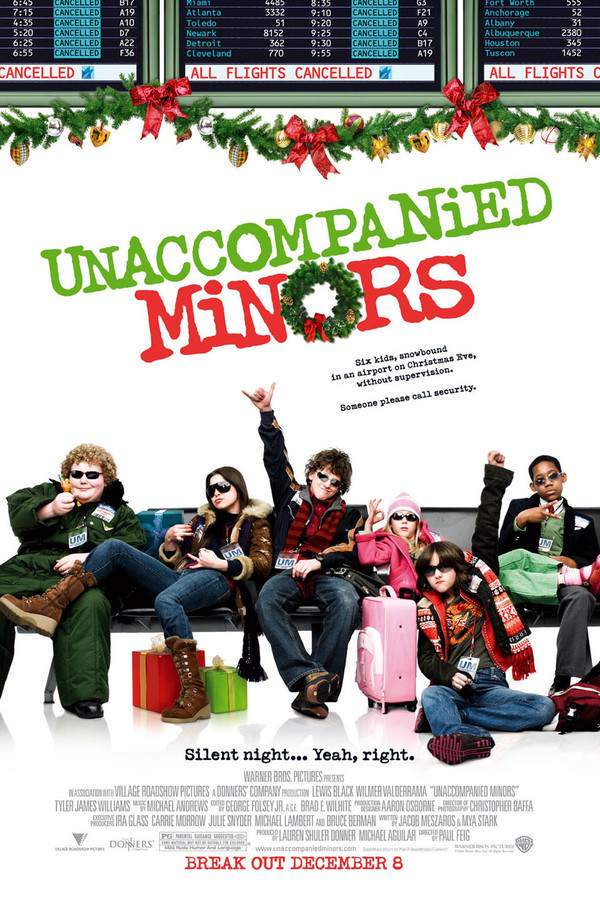
Unaccompanied Minors
2006

Big City Greens the Movie: Spacecation
2024

Sneaks
2025
The Boy Who Stole a Million
1960
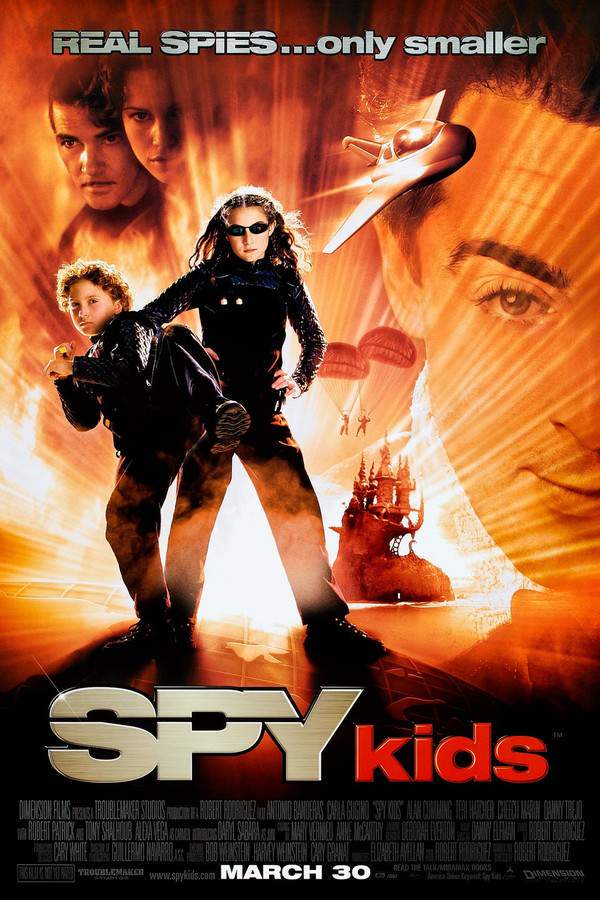
Spy Kids
2001

Family Troubles
1943

The Lost City
2006

Good Boys
2019
Narrative Summary
These narratives typically follow young characters thrust into adult situations within urban settings, using their unique perspective to navigate complex social and physical landscapes while maintaining a sense of wonder amidst the city's chaos.
Why These Movies?
Movies in this thread share a unique blend of youthful innocence meeting urban reality, creating adventures that feel both fantastical and grounded in the real-world challenges of growing up in a city environment.
Lighthearted Caper Comedies like The Boy Who Stole a Million
Charming misadventures where the getaway is more fun than the crime.Explore funny chase movies where the crime is just the setup for comedic adventure. Fans of The Boy Who Stole a Million will enjoy these similar whimsical capers with innocent protagonists and fast-paced escapades.

Only When I Larf
1968

Once Upon a Crime...
1992

The Caper of the Golden Bulls
1967

My Favorite Blonde
1942

Loose Loot
1953

Sunset Limousine
1983

No Problem
2010

Rambo
2012

The Law and the Lady
1951

Let's Be Cops
2014

The Parole Officer
2001

Of Cash and Hash
1955

The Lone Wolf Keeps a Date
1940
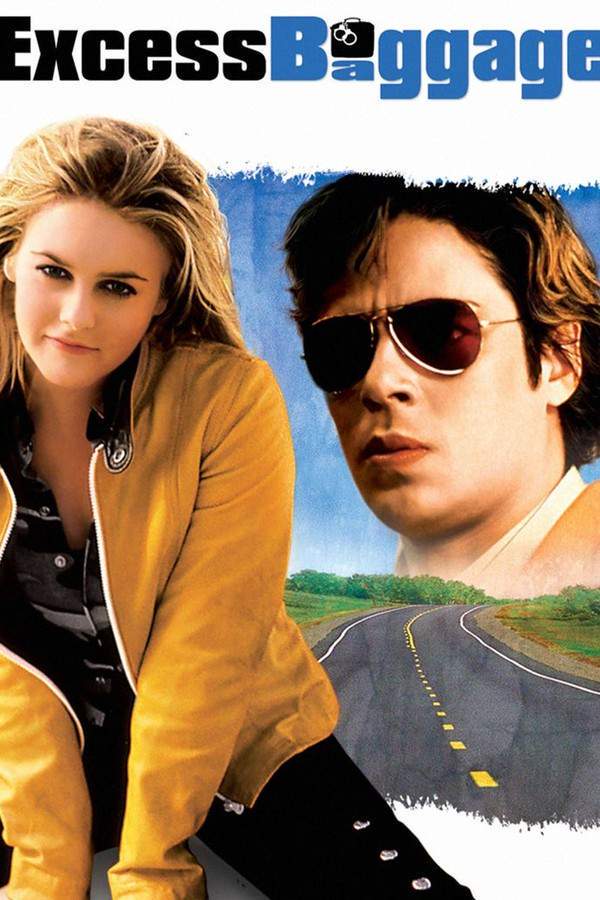
Excess Baggage
1997

High Heels and Low Lifes
2001
Narrative Summary
These films follow well-intentioned characters who stumble into criminal situations, leading to elaborate chase sequences and comedic misunderstandings that ultimately resolve with minimal consequences and maximum heart.
Why These Movies?
This thread groups movies that approach crime and pursuit from a lighthearted angle, focusing on the adventure and comedy rather than the seriousness of the crime, creating an entertaining narrative with low stakes but high energy.
Unlock the Full Story of The Boy Who Stole a Million
Don't stop at just watching - explore The Boy Who Stole a Million in full detail. From the complete plot summary and scene-by-scene timeline to character breakdowns, thematic analysis, and a deep dive into the ending - every page helps you truly understand what The Boy Who Stole a Million is all about. Plus, discover what's next after the movie.
The Boy Who Stole a Million Timeline
Track the full timeline of The Boy Who Stole a Million with every major event arranged chronologically. Perfect for decoding non-linear storytelling, flashbacks, or parallel narratives with a clear scene-by-scene breakdown.

Characters, Settings & Themes in The Boy Who Stole a Million
Discover the characters, locations, and core themes that shape The Boy Who Stole a Million. Get insights into symbolic elements, setting significance, and deeper narrative meaning - ideal for thematic analysis and movie breakdowns.


Similar Movies to The Boy Who Stole a Million
Discover movies like The Boy Who Stole a Million that share similar genres, themes, and storytelling elements. Whether you’re drawn to the atmosphere, character arcs, or plot structure, these curated recommendations will help you explore more films you’ll love.

Millions
2005

Ladrón que roba a ladrón
2007

Billion
2019

To Rob a Thief
2007

The Thief Lord
2006

Born to Be a Criminal
2006

Thieves
2007

Millionaire Cop
1993

Another One for the Million
1964

I’ll Give a Million
1935

Million Dollar Kid
1944

Robbery Roman Style
1964

How to Steal a Million
1966

The Case of the Three Million
1926

I Stole a Million
1939
Explore More About Movie The Boy Who Stole a Million
The Boy Who Stole a Million (1960) Scene-by-Scene Movie Timeline
The Boy Who Stole a Million (1960) Movie Characters, Themes & Settings
The Boy Who Stole a Million (1960) Spoiler-Free Summary & Key Flow
Movies Like The Boy Who Stole a Million – Similar Titles You’ll Enjoy
Millions (2005) Spoiler-Packed Plot Recap
Ladrón que roba a ladrón (2007) Full Movie Breakdown
Billion (2019) Film Overview & Timeline
To Rob a Thief (2007) Story Summary & Characters
The Thief Lord (2006) Detailed Story Recap
Born to Be a Criminal (2006) Full Movie Breakdown
Thieves (2007) Spoiler-Packed Plot Recap
Millionaire Cop (1993) Full Movie Breakdown
Another One for the Million (1964) Complete Plot Breakdown
I’ll Give a Million (1935) Ending Explained & Film Insights
Million Dollar Kid (1944) Complete Plot Breakdown
Robbery Roman Style (1964) Full Summary & Key Details
How to Steal a Million (1966) Ending Explained & Film Insights
The Case of the Three Million (1926) Full Movie Breakdown
I Stole a Million (1939) Full Movie Breakdown