
The Best House in London
Year: 1969
Runtime: 97 mins
Language: English
Director: Philip Saville
In Victorian London, the British Government launches an ambitious scheme to curb prostitution by creating an opulent establishment dubbed the ‘best place in town.’ The plan results in the world’s most extravagant brothel, a lavish venue where decadence and social experiment collide.
Where to Watch The Best House in London?
Find where to stream, rent, or buy The Best House in London (1969) in the US with current JustWatch availability, up-to-date pricing, and platform listings for subscription, rental, and digital purchase options.




Streaming availability powered by 
Warning: spoilers below!
Haven’t seen The Best House in London yet? This summary contains major spoilers. Bookmark the page, watch the movie, and come back for the full breakdown. If you're ready, scroll on and relive the story!
Timeline & Setting – The Best House in London (1969)
Explore the full timeline and setting of The Best House in London (1969). Follow every major event in chronological order and see how the environment shapes the story, characters, and dramatic tension.
Last updated: October 04, 2025 at 15:27
Main Characters – The Best House in London (1969)
Meet the key characters of The Best House in London (1969), with detailed profiles, motivations, and roles in the plot. Understand their emotional journeys and what they reveal about the film’s deeper themes.
Last updated: October 04, 2025 at 15:27
Major Themes – The Best House in London (1969)
Explore the central themes of The Best House in London (1969), from psychological, social, and emotional dimensions to philosophical messages. Understand what the film is really saying beneath the surface.
Last updated: October 04, 2025 at 15:27
The Best House in London (1969) Character & Theme Questions Answered – Info FAQ
Browse frequently asked questions about The Best House in London (1969) focused on characters, relationships, themes, symbols, setting, and story context. This movie info FAQ gives spoiler-aware explanations for character arcs, world details, and thematic interpretation so readers can better understand what the film is really about.
Where is The Best House in London set?
The film takes place in Victorian London, primarily at Belgravia Hall, an aristocratic estate that becomes the centerpiece of an ambitious government scheme. The setting contrasts the opulent world of the nobility with the harsh realities faced by streetwalkers, highlighting the city's stark social divide during the late 19th century.
What time period does the movie depict?
The story is set in the Victorian era of late 19th-century London, a period characterized by strict social conventions and emerging reform movements. This historical context fuels the film's central conflict between public morality and private vice, with wealth disparity and technological innovations like airships shaping the power dynamics.
What is the Power & Prostitution theme about?
The film explores how a powerful aristocrat uses prostitution as a tool of social control, presenting the bordello scheme as a means to steer social change while preserving his own comfort. This theme exposes the hypocrisy beneath polished aristocratic surfaces, showing how public reputation often masks private desires and moral corruption.
What role does Secrecy & Scandal play in the story?
Secrecy and scandal weave through the narrative as Sir Francis's estate hides secrets including a hidden inheritance and shifting loyalties. Babette's involvement with both Sir Francis and Walter adds layers of manipulation, where the revelation of true intentions and relationships threatens to unravel everyone's carefully constructed plans.
Who is Sir Francis Leybourne?
Sir Francis Leybourne is a powerful aristocrat, landowner, and businessman whose imminent death becomes pivotal to the plot. He orchestrates the plan to convert Belgravia Hall into an opulent bordello as part of a larger strategy to control wealth and influence, masking his scheme with a veneer of philanthropy and reform while pursuing his private interests.
Who is Josephine Pacefoot and what does she want?
Josephine Pacefoot is an orphaned reformer who leads the League of Social Purity, dedicated to giving streetwalkers new skills and independence. Her idealistic goals directly clash with the aristocratic schemes surrounding Belgravia Hall, creating a tension between moral crusading and political realpolitik.
What is Walter Leybourne's role in the story?
Walter Leybourne, also known as Benjamin Oakes, is a publicity-minded figure entangled in complex family history and a dual public-private mission. He collaborates with Josephine to advance her reform goals while navigating his own ambitions and paternal mystery, using his wit and dual identity to drive much of the film's intrigue.
Who is Babette in the movie?
Babette is a kept woman connected to both Sir Francis and Walter, using her position to navigate the complexities of power and property. She becomes a pivotal figure in the scheme surrounding Belgravia Hall, balancing loyalty with personal survival amid the shifting alliances and hidden agendas.
What kind of movie is The Best House in London?
The Best House in London is a comedy and satirical farce that uses the premise of social engineering to expose Victorian hypocrisy. Rather than heavy drama, the film employs wit and humor to explore serious themes of exploitation, class divide, and moral corruption, maintaining a light tone while addressing weighty social issues.

Explore Movie Threads
Discover curated groups of movies connected by mood, themes, and story style. Browse collections built around emotion, atmosphere, and narrative focus to easily find films that match what you feel like watching right now.
Satirical Institutional Comedies like The Best House in London
Comedies that use absurd premises to expose the folly of powerful institutions.If you enjoyed the sharp social satire of The Best House in London, discover more movies like it that use comedic premises to lampoon government, society, and moral hypocrisy. These films blend witty humor with serious themes for a thought-provoking yet entertaining experience.
The Best House in London
1969
Straight-Jacket
2004
Selfie
2019

Sweet Liberty
1986

Tour de Pharmacy
2017

Fun with Dick and Jane
1977

Top Secret Affair
1957
Utilities
1983

Cetto c’è, senzadubbiamente
2019
Potiche
2011
Weather Girl
2009

Steal Big Steal Little
1995
A Very Sordid Wedding
2017
Queenpins
2021

The Traffic Policeman
1960
Narrative Summary
Stories in this thread often begin with an outlandish official scheme or project designed to solve a social 'problem.' As the plan unfolds, the characters' personal ambitions and the institution's inherent hypocrisy collide, creating a series of increasingly chaotic and scandalous events that reveal the flaws in the system itself.
Why These Movies?
These movies are grouped together because they share a core approach: using a light, comedic tone to deliver sharp social commentary. They feature steady pacing driven by political or bureaucratic maneuvering, medium emotional weight, and a focus on the absurdity of trying to legislate human behavior.
Scandalous Period Dramas similar to The Best House in London
Stories set in opulent past eras where lavish settings hide societal turmoil.Find more movies like The Best House in London that explore the tension between opulent historical settings and social scandal. These films often feature class conflict, moral ambiguity, and a witty examination of the secrets hidden behind a facade of respectability.

A Scandal in Paris
1946

A Royal Scandal
1945

The Delicious Little Devil
1919
The Best House in London
1969

Sweet Kitty Bellairs
1930
High Society
1956
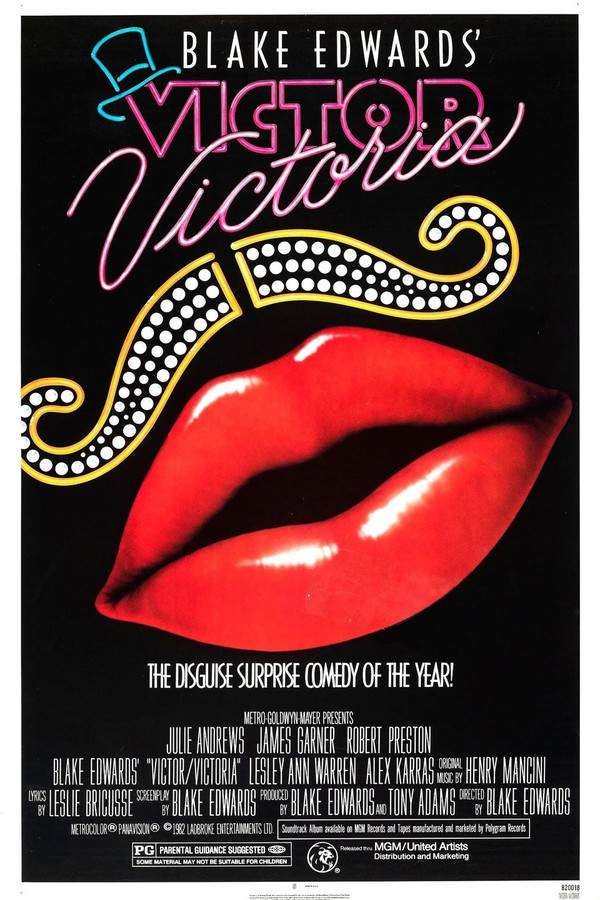
Victor Victoria
1982

The Importance of Being Earnest
1952
![Piccadilly [re-release]](https://whats-after-the-movie-ti152.sevalla.storage/movies/piccadilly-re-release.jpg)
Piccadilly [re-release]
2004
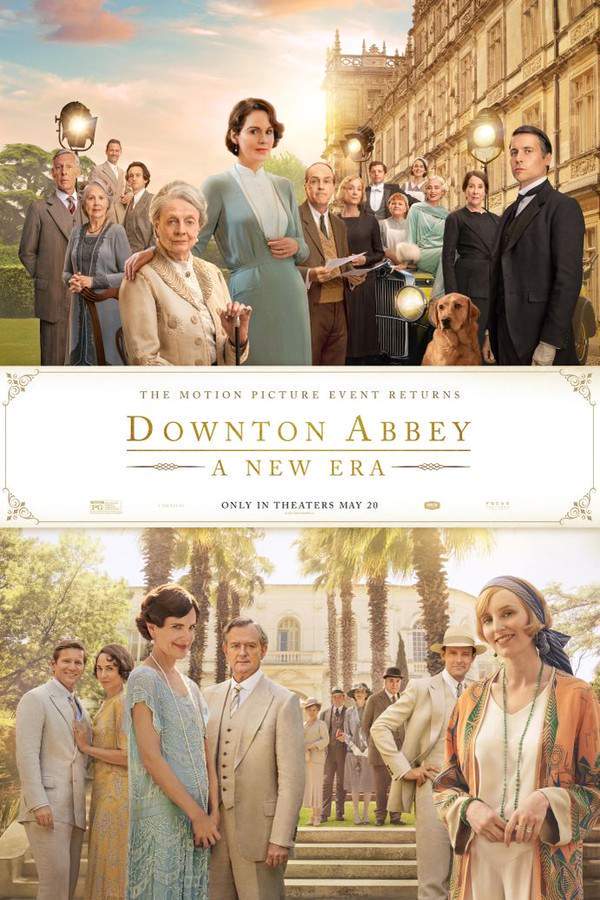
Downton Abbey: A New Era
2022
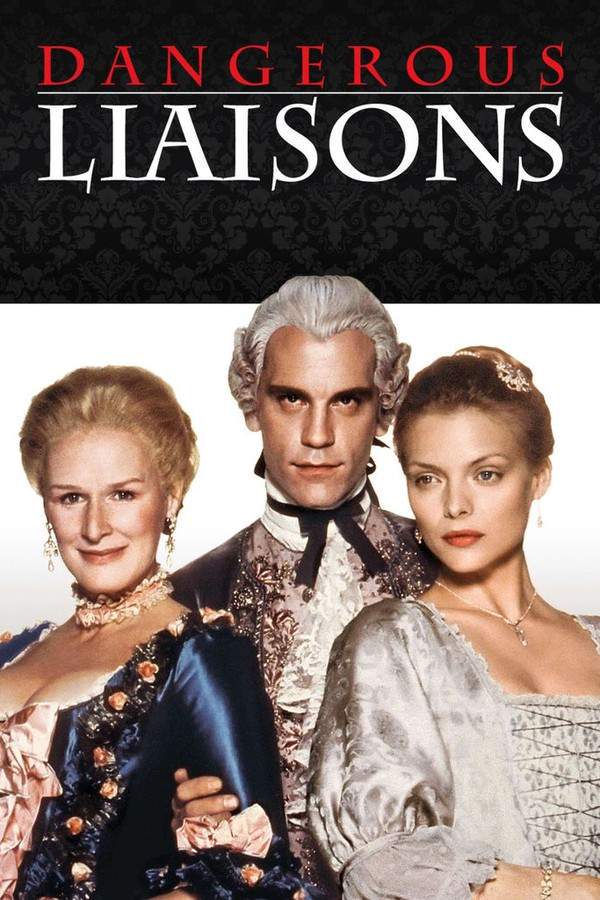
Dangerous Liaisons (2012)
2012
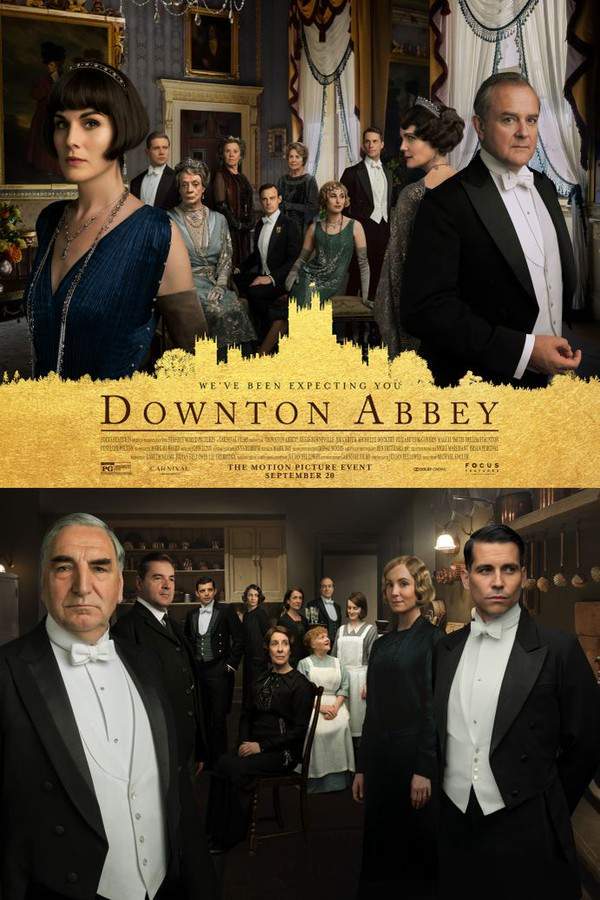
Downton Abbey
2019
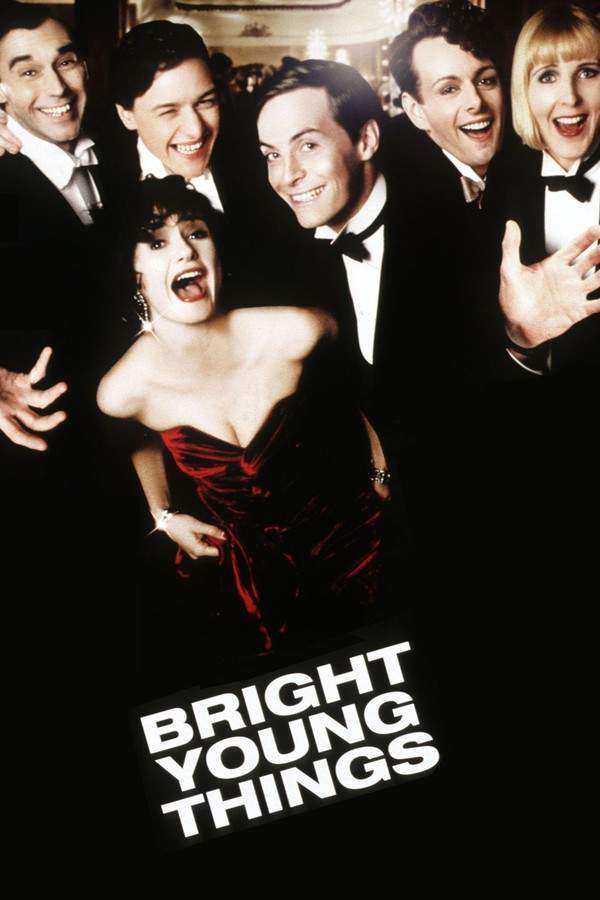
Bright Young Things
2004
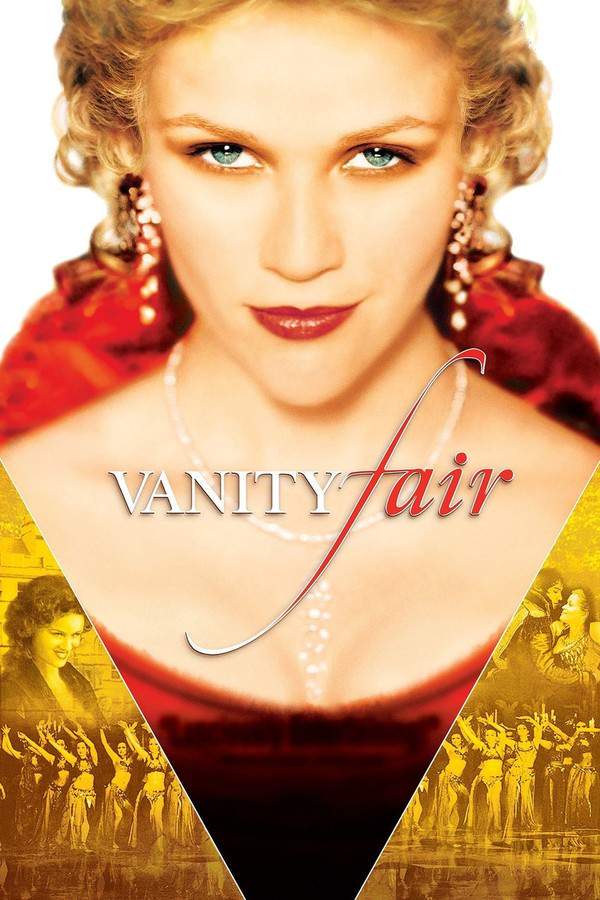
Vanity Fair
2004

The Importance of Being Earnest
2011
Narrative Summary
The narrative typically revolves around a central scandal or secret that threatens to unravel the social order. Characters from different classes navigate a world of strict rules, where their personal desires clash with public expectations, leading to conflicts over inheritance, reputation, and morality, often with an ambiguous resolution.
Why These Movies?
Movies in this thread share a specific atmosphere: the juxtaposition of a decadent, visually rich historical setting with themes of social rebellion and moral ambiguity. They have a moderate complexity with intertwined personal dramas and a steady pacing that allows the social tension to simmer.
Unlock the Full Story of The Best House in London
Don't stop at just watching - explore The Best House in London in full detail. From the complete plot summary and scene-by-scene timeline to character breakdowns, thematic analysis, and a deep dive into the ending - every page helps you truly understand what The Best House in London is all about. Plus, discover what's next after the movie.
The Best House in London Summary
Read a complete plot summary of The Best House in London, including all key story points, character arcs, and turning points. This in-depth recap is ideal for understanding the narrative structure or reviewing what happened in the movie.

The Best House in London Timeline
Track the full timeline of The Best House in London with every major event arranged chronologically. Perfect for decoding non-linear storytelling, flashbacks, or parallel narratives with a clear scene-by-scene breakdown.


Similar Movies to The Best House in London
Discover movies like The Best House in London that share similar genres, themes, and storytelling elements. Whether you’re drawn to the atmosphere, character arcs, or plot structure, these curated recommendations will help you explore more films you’ll love.

Guest House
2020

Club Le Monde
2002

The Gigolos
2006

London Kills Me
1991

Big House
2020

Personal Services
1987

The Best
1976

Keep It Up Downstairs
1976

House of Pleasure for Women
1976

Ladies Who Do
1963

A Man with a Maid
1975

No Sex Please: We’re British
1973

School for Sex
1969

London Suite
1996

A House Is Not a Home
1964
Explore More About Movie The Best House in London
The Best House in London (1969) Plot Summary & Movie Recap
The Best House in London (1969) Scene-by-Scene Movie Timeline
The Best House in London (1969) Spoiler-Free Summary & Key Flow
Movies Like The Best House in London – Similar Titles You’ll Enjoy
Guest House (2020) Film Overview & Timeline
Club Le Monde (2002) Ending Explained & Film Insights
The Gigolos (2006) Story Summary & Characters
London Kills Me (1991) Film Overview & Timeline
Big House (2020) Ending Explained & Film Insights
Personal Services (1987) Plot Summary & Ending Explained
The Best (1976) Full Summary & Key Details
Keep It Up Downstairs (1976) Movie Recap & Themes
House of Pleasure for Women (1976) Film Overview & Timeline
Ladies Who Do (1963) Movie Recap & Themes
A Man with a Maid (1975) Plot Summary & Ending Explained
No Sex Please: We’re British (1973) Full Movie Breakdown
School for Sex (1969) Story Summary & Characters
London Suite (1996) Plot Summary & Ending Explained
A House Is Not a Home (1964) Story Summary & Characters
What is the Social Reform theme in the movie?
The Social Reform theme centers on Josephine Pacefoot's League of Social Purity, which aims to empower streetwalkers with skills to leave prostitution. This creates a clash between reformers and aristocrats, raising questions about whether genuine social progress can coexist with or threatens elite interests. The film uses satire to explore morality, charity, and social engineering.