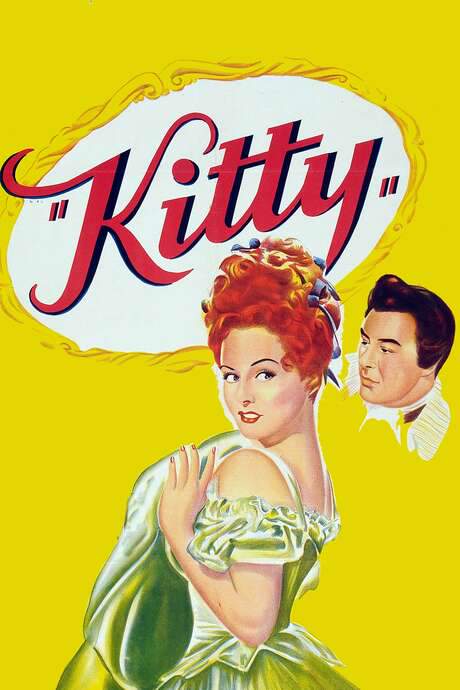
Kitty Bellairs, a famous flirt of her day, arrives in Bath for the season, and the city instantly becomes a stage for her sparkling, reckless charm. “in spite of her thirty or forty affairs, I've lost not a bit of my virtue.” she proclaims early on, a wry wink at the rumors that follow her. Her path through Bath is a tapestry of escapades and temptations, where a string of conquests—from an enamored highwayman to a rakish lord and other admirers who hang on her every word—keep the social wheels turning and the laughter flowing. When a highwayman stops Kitty’s coach on the way to Bath, he is immediately drawn to her, trading his loot for a kiss and testing Kitty’s famed resolve to yield or resist. She feels compelled to yield, perhaps to spare the life of Lord Varney, who has boldly ridden forward to defend her honor.
In that moment of danger and romance, the duel of nerves unfolds. Lord Varney draws his sword, only to lose the clash when the weapon goes astray, and the highwayman quips that “Blood is not a pretty sight for tender eyes, Retrieve your sword while I go about my business.” The highwayman claims Kitty’s kissed life as payment, slipping a ring onto her finger and leaving her spellbound. Yet Varney himself is the man who truly loves Kitty, though his shyness keeps him hiding behind hesitation rather than bold declarations of affection.
The narrative then sweeps you into Bath’s lively social scene, where residents belt out cheerful tunes about their everyday routines, and the film slides into a spirited dance sequence that Kitty attends with her usual flair. There, she encounters Captain O’Hara, who declares his love for her, only to have Varney swoop in and reclaim his moment by claiming the dance as his own. The playful tension between the two suitors becomes a running joke that underscores Varney’s quiet, devoted passion. A friend’s teasing disbelief about Varney’s bashfulness only heightens the comedy and the heart of the romance.
Driven by the warmth of his feelings, Varney composes a heartfelt love poem for Kitty, signaling a serious turn in his already bashful pursuit. The next day finds Kitty in a bustling household, being cared for by her maid while confiding in her hairdresser about her three lovers and weighing whom she should ultimately choose. The social whirl then takes her to the home of Lady Julia Standish. Lady Julia’s situation—her husband’s neglect and a fragile balance of affection and attention—becomes a mirror for Kitty’s own romantic predicament. Kitty offers Lady Julia practical advice on reigniting interest in a marriage, a moment that blends wit with genuine social insight, and it foreshadows the choices Kitty will soon contemplate for herself.
As Kitty moves from call to call, she discreetly leaves behind a telltale token: a love note addressed to her, tucked away with a lock of red hair, a gesture that signals deeper feelings and the blossoming conflict between public image and private desire. The tale winds through a chorus of songs and lively banter, punctuated by outrageous Pre-Code comedy, satire, and drama that illuminate the era’s social mores. When Lady Julia’s husband returns from a trip to confront the idea of infidelity, misunderstandings flare, and the rumor mill swirls with renewed vigor, threatening the safety and reputation of Lord Varney.
In the end, the swirling mix of music, satire, and romance brings Kitty and Lord Varney together. Through every note, every quarrel, and every clever aside, the pair find their way toward a union that feels both earned and earned through laughter, restraint, and genuine affection. The film’s tempo—between bright musical numbers and sharp social humor—moves with a buoyant energy that keeps the audience engaged as the lovers overcome bashfulness, social expectations, and a dizzying array of admirers.