
The Best House in London
Year: 1969
Runtime: 97 mins
Language: English
Director: Philip Saville
In Victorian London, the British Government launches an ambitious scheme to curb prostitution by creating an opulent establishment dubbed the ‘best place in town.’ The plan results in the world’s most extravagant brothel, a lavish venue where decadence and social experiment collide.
Where to Watch The Best House in London?
Find where to stream, rent, or buy The Best House in London (1969) in the US with current JustWatch availability, up-to-date pricing, and platform listings for subscription, rental, and digital purchase options.




Streaming availability powered by 
Warning: spoilers below!
Haven’t seen The Best House in London yet? This summary contains major spoilers. Bookmark the page, watch the movie, and come back for the full breakdown. If you're ready, scroll on and relive the story!
Timeline – The Best House in London (1969)
Trace every key event in The Best House in London (1969) with our detailed, chronological timeline. Perfect for unpacking nonlinear stories, spotting hidden connections, and understanding how each scene builds toward the film’s climax. Whether you're revisiting or decoding for the first time, this timeline gives you the full picture.
Last updated: October 09, 2025 at 11:26
The Best House in London (1969) Timeline Questions Answered – Chronology FAQ
Find frequently asked questions about the The Best House in London (1969) timeline, including chronological order, nonlinear jumps, cause-and-effect links, and scene sequence clarifications. This timeline FAQ helps explain when key events happen, how moments connect, and why the story unfolds in that specific order.
Why did Sir Francis leave his entire estate to Josephine instead of his son Walter?
Sir Francis deliberately disinherited his son Walter, who had been scheming with Babette (Sir Francis's mistress) to rewrite the will in Walter's favor. The will's shock twist reveals Sir Francis knew about their plot and chose instead to leave Belgravia Hall and his estate to his orphaned niece Josephine, whom he apparently trusted to carry out his vision, whether that's the bordello or her reform work.
Earlier scenes show Walter and Babettemaking covert moves to secure Walter's inheritance, which explains Sir Francis's decision to cut him out.
What was the government's bordello pilot project supposed to accomplish?
A minister approached Sir Francis to head London's first bordello, modeled on the French system. The goal was to acknowledge the hidden role of prostitutes in aristocratic society while moving them off the streets into a controlled establishment. It was framed as both social reform and a way to regulate an existing phenomenon.
Why does Josephine inheriting Belgravia Hall create a problem?
Josephine inherits Belgravia Hall with the intention of using it for her League of Social Purity, training streetwalkers to escape prostitution. However, Sir Francis's will also instructs Babette to set up the bordello there during his absence. Walter and Babette push to claim the property to run the bordello as a business, creating a direct conflict between Josephine's reform mission and their profit-driven plan.
Why is Benjamin Oakes working with Josephine?
Benjamin Oakes is a freelance publicist hired to promote Count Pandolfo's dirigible project, but he also agrees to help publicize Josephine's reform efforts. His partnership with Josephine goes beyond professional, he genuinely wants to advance a humane path for vulnerable women. His publicist skills help bridge reform and publicity, giving Josephine's cause visibility in London society.
What is the significance of Benjamin Oakes's birthmark?
Benjamin reveals to Josephine that he is a bastard, the child of a former servant who never disclosed his father's identity. The birthmark on his wrist is the only clue to his paternity. This confession adds personal complexity to his involvement in the political drama, as his uncertain parentage mirrors the theme of uncertain identities and legitimacy running through the story.
Why do Walter and Babette want to claim Belgravia Hall?
Walter (Sir Francis's estranged son) and Babette (Sir Francis's mistress) scheme to take control of Belgravia Hall so they can operate the bordello as a business venture. Both have financial motives: Walter hopes to secure his inheritance through the bordello operation, while Babette was tasked by Sir Francis to set up the establishment. Their scheme directly conflicts with Josephine's reformist intentions for the property.
Earlier scenes show Walter and Babette plotting to rewrite the will and become the primary beneficiaries.
What is the purpose of Count Pandolfo's dirigible in the story?
Count Pandolfo's dirigible represents modern spectacle and progress, serving as a public relations backdrop for Benjamin Oakes's work. While promoting the airship, Benjamin also advances Josephine's reform cause, weaving together themes of technological advancement and social change. The dirigible provides a visual contrast to the Victorian social intrigues unfolding around the bordello debate.
Why can't Josephine and Walter agree on what to do with Belgravia Hall?
Josephine views Belgravia Hall as a sanctuary for her League of Social Purity to help women escape prostitution through training and education. Walter and Babette see it as a revenue-generating bordello, aligning with Sir Francis's original plan. Their conflicting visions, one humanitarian, one commercial, create the central property dispute that drives much of the narrative tension.
What makes this film a satire about Victorian society?
The film uses the comedic premise of a government-funded bordello to expose Victorian hypocrisy, aristocrats publicly condemning prostitution while secretly patronizing it. The clash between Josephine's reform movement and the bordello plan highlights the gap between moral posturing and practical reality. The ensemble cast of reformists, aristocrats, criminals, and journalists creates a farcical picture of a society negotiating its own contradictions.

Explore Movie Threads
Discover curated groups of movies connected by mood, themes, and story style. Browse collections built around emotion, atmosphere, and narrative focus to easily find films that match what you feel like watching right now.
Satirical Institutional Comedies like The Best House in London
Comedies that use absurd premises to expose the folly of powerful institutions.If you enjoyed the sharp social satire of The Best House in London, discover more movies like it that use comedic premises to lampoon government, society, and moral hypocrisy. These films blend witty humor with serious themes for a thought-provoking yet entertaining experience.
The Best House in London
1969
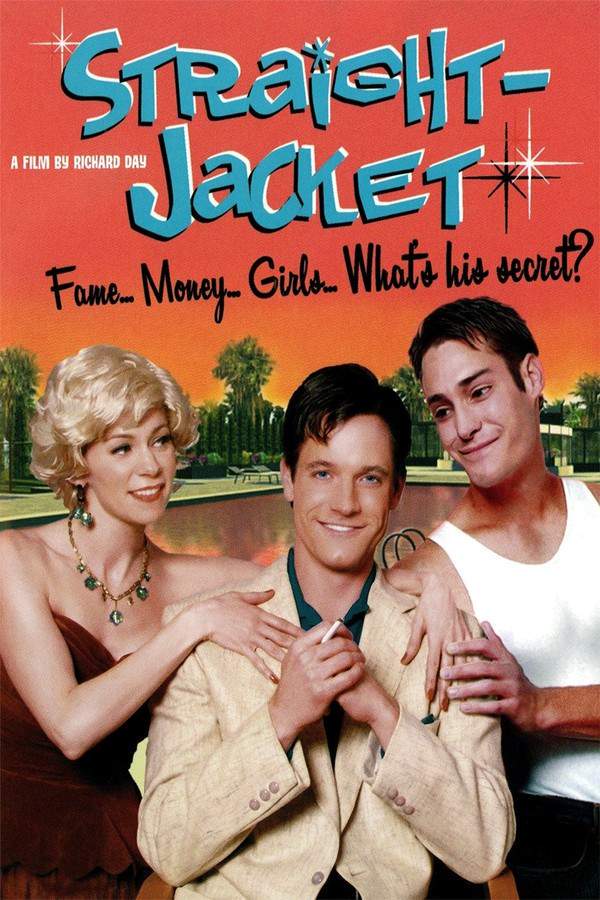
Straight-Jacket
2004
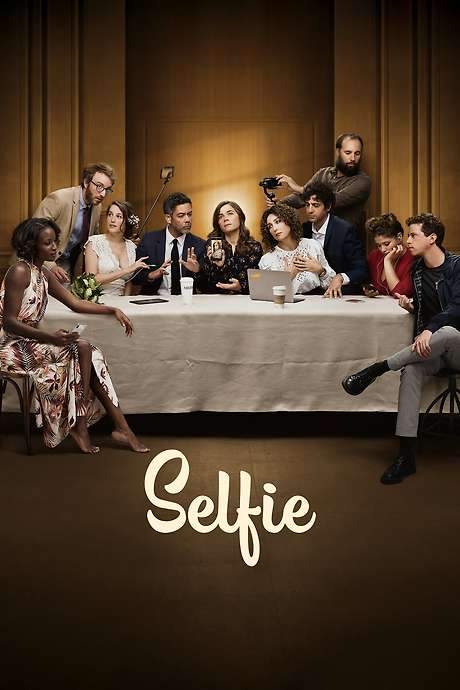
Selfie
2019

Sweet Liberty
1986

Tour de Pharmacy
2017

Fun with Dick and Jane
1977

Top Secret Affair
1957
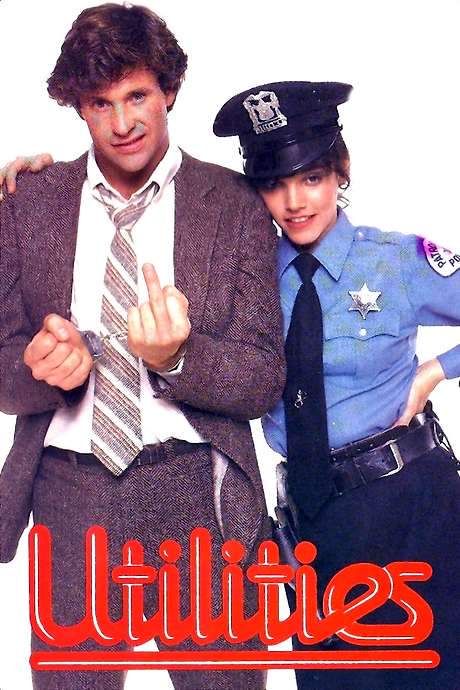
Utilities
1983

Cetto c’è, senzadubbiamente
2019
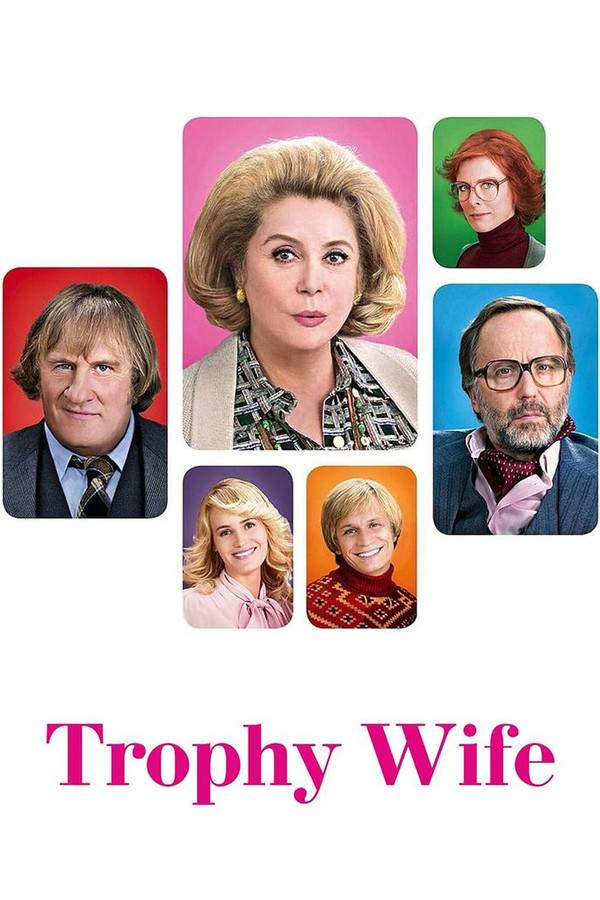
Potiche
2011
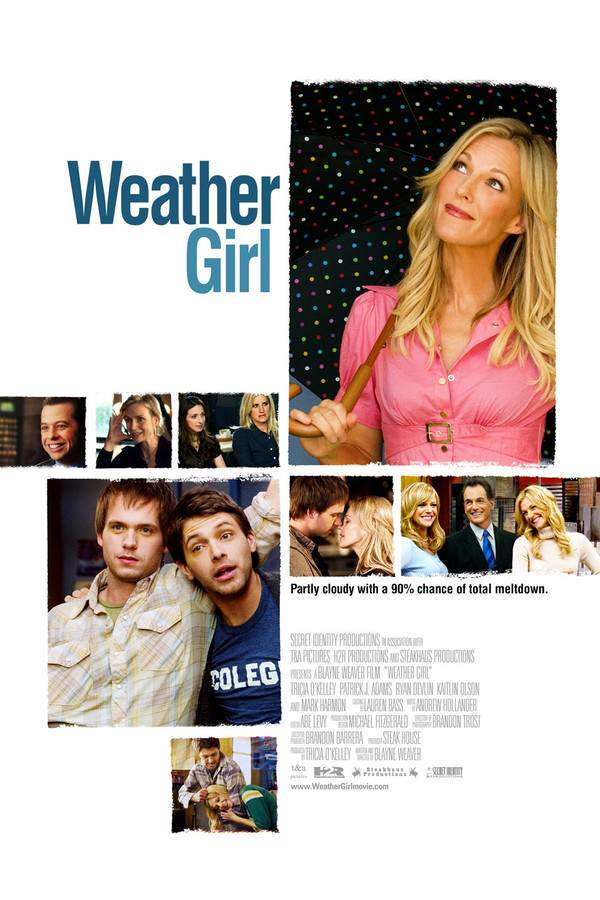
Weather Girl
2009

Steal Big Steal Little
1995
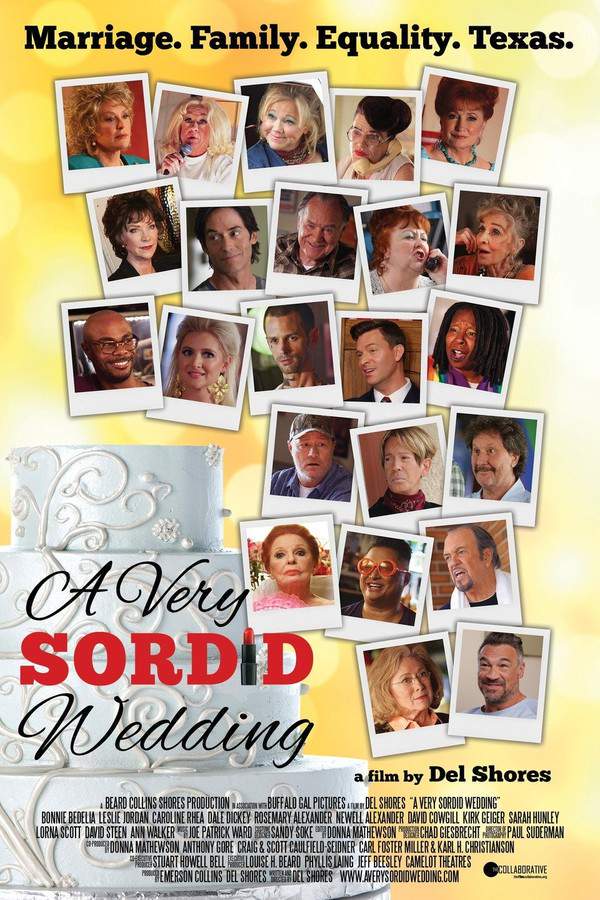
A Very Sordid Wedding
2017
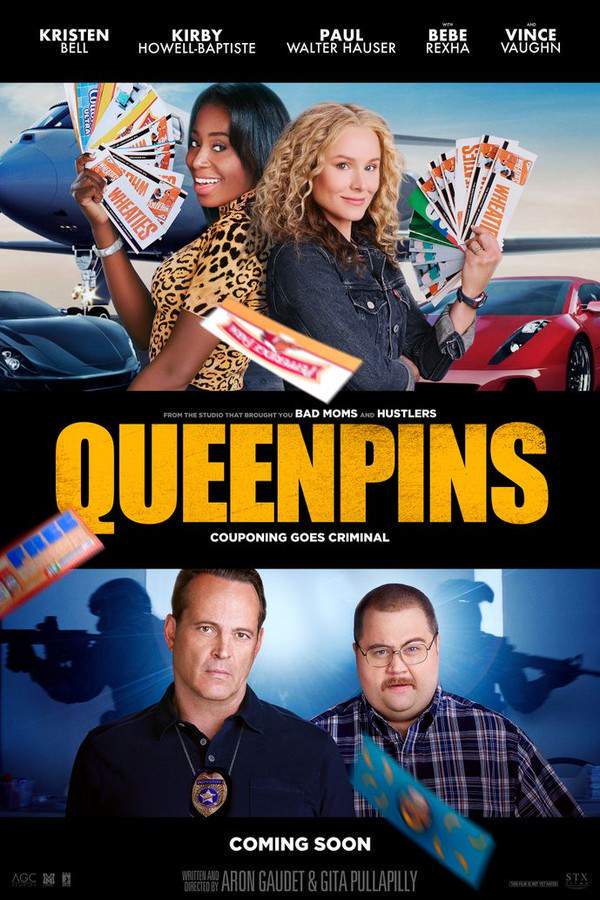
Queenpins
2021

The Traffic Policeman
1960
Narrative Summary
Stories in this thread often begin with an outlandish official scheme or project designed to solve a social 'problem.' As the plan unfolds, the characters' personal ambitions and the institution's inherent hypocrisy collide, creating a series of increasingly chaotic and scandalous events that reveal the flaws in the system itself.
Why These Movies?
These movies are grouped together because they share a core approach: using a light, comedic tone to deliver sharp social commentary. They feature steady pacing driven by political or bureaucratic maneuvering, medium emotional weight, and a focus on the absurdity of trying to legislate human behavior.
Scandalous Period Dramas similar to The Best House in London
Stories set in opulent past eras where lavish settings hide societal turmoil.Find more movies like The Best House in London that explore the tension between opulent historical settings and social scandal. These films often feature class conflict, moral ambiguity, and a witty examination of the secrets hidden behind a facade of respectability.

A Scandal in Paris
1946

A Royal Scandal
1945

The Delicious Little Devil
1919
The Best House in London
1969

Sweet Kitty Bellairs
1930
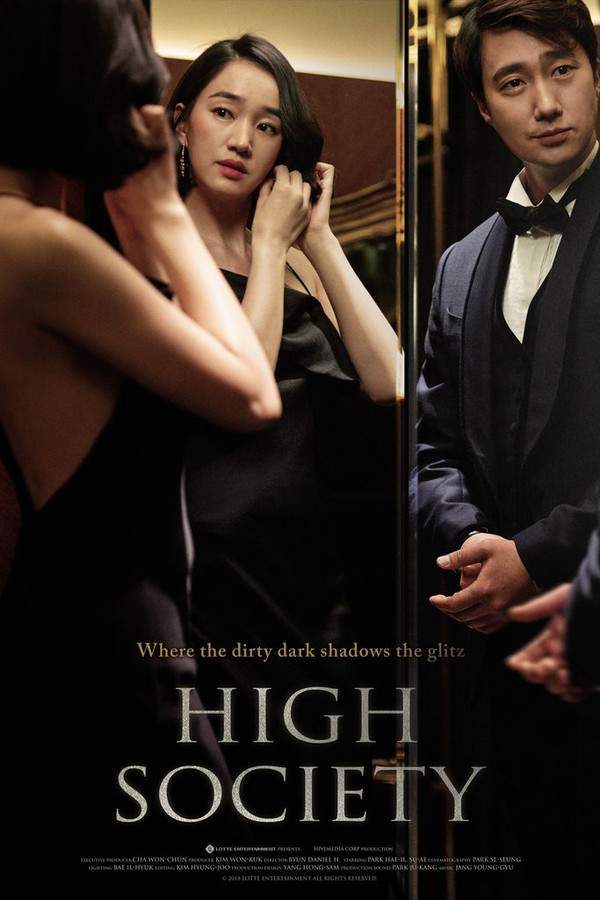
High Society
1956
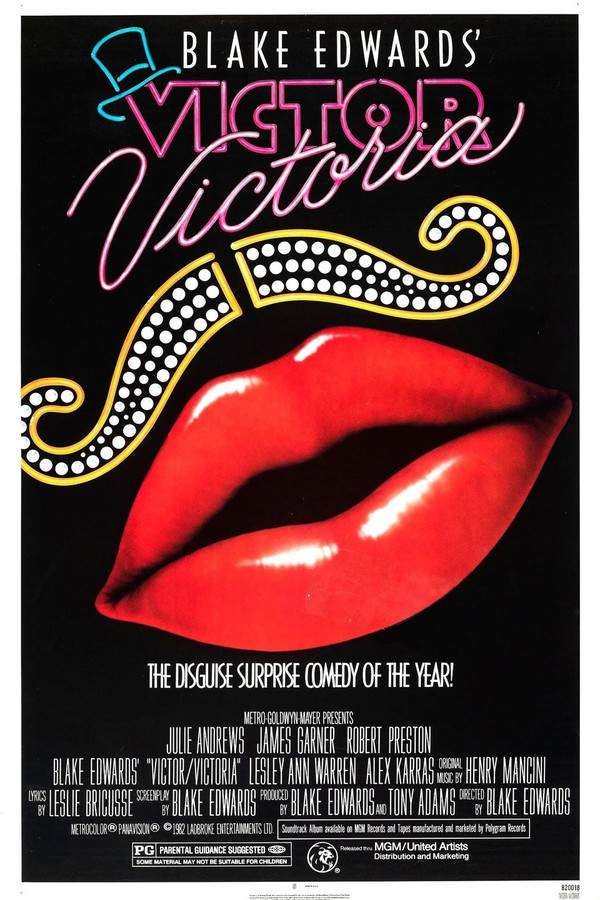
Victor Victoria
1982

The Importance of Being Earnest
1952
![Piccadilly [re-release]](https://whats-after-the-movie-ti152.sevalla.storage/movies/piccadilly-re-release.jpg)
Piccadilly [re-release]
2004
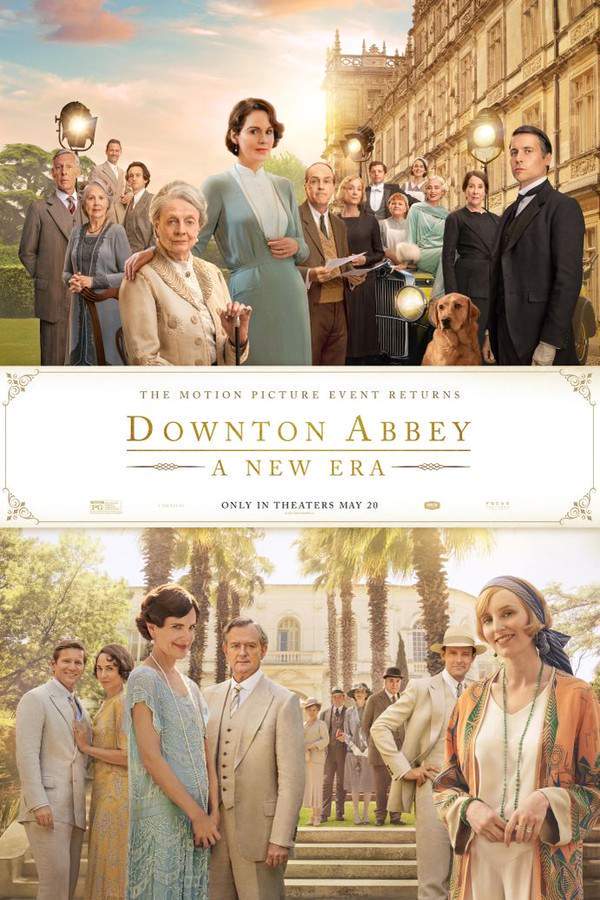
Downton Abbey: A New Era
2022
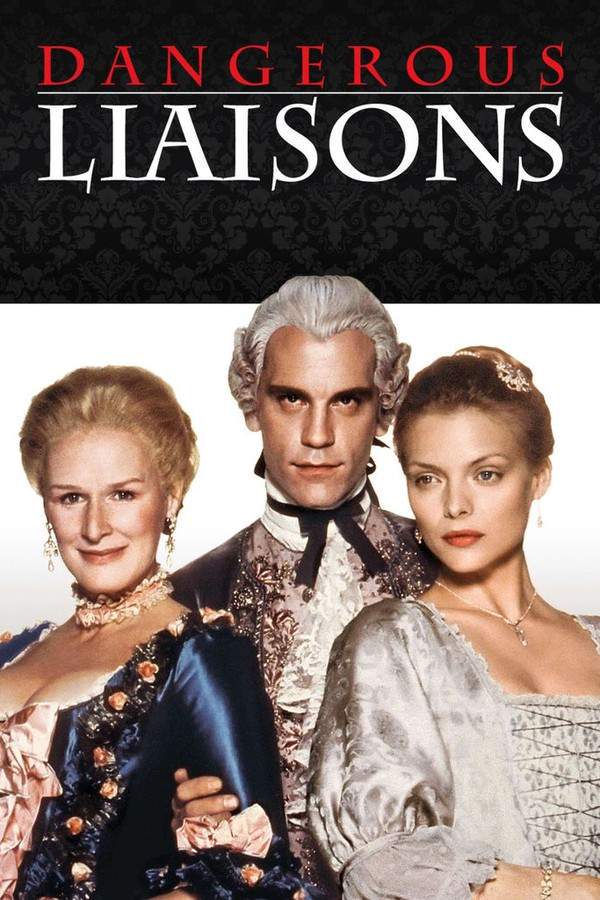
Dangerous Liaisons (2012)
2012
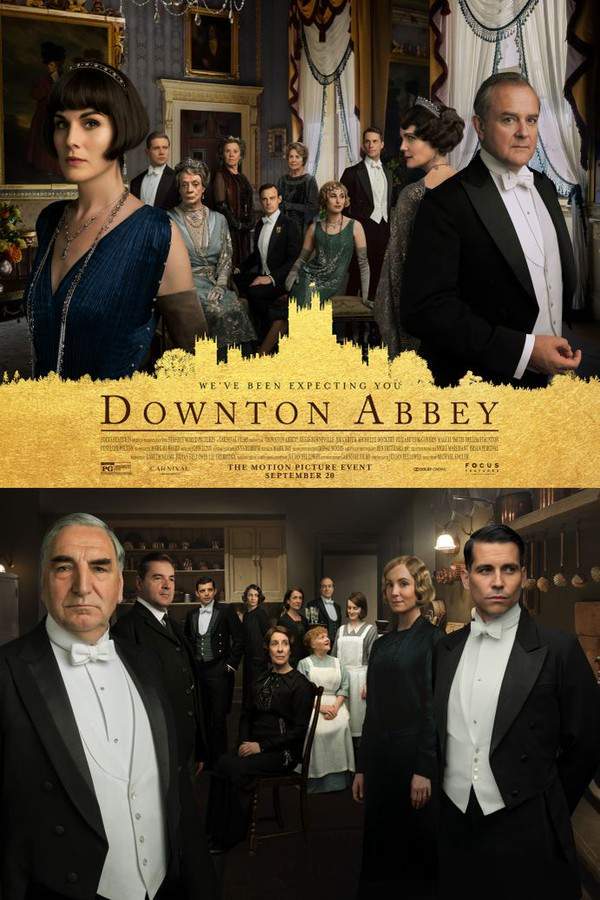
Downton Abbey
2019
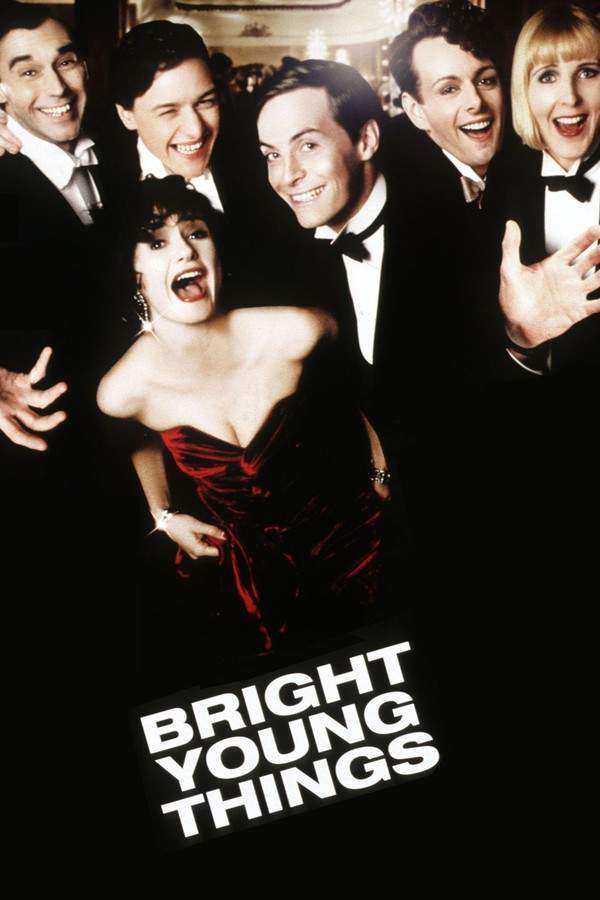
Bright Young Things
2004
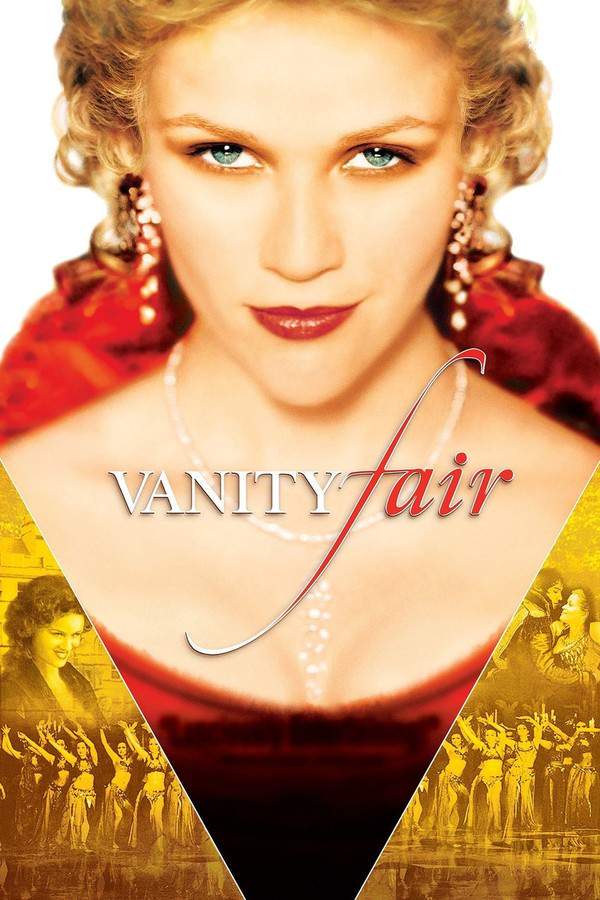
Vanity Fair
2004

The Importance of Being Earnest
2011
Narrative Summary
The narrative typically revolves around a central scandal or secret that threatens to unravel the social order. Characters from different classes navigate a world of strict rules, where their personal desires clash with public expectations, leading to conflicts over inheritance, reputation, and morality, often with an ambiguous resolution.
Why These Movies?
Movies in this thread share a specific atmosphere: the juxtaposition of a decadent, visually rich historical setting with themes of social rebellion and moral ambiguity. They have a moderate complexity with intertwined personal dramas and a steady pacing that allows the social tension to simmer.
Unlock the Full Story of The Best House in London
Don't stop at just watching - explore The Best House in London in full detail. From the complete plot summary and scene-by-scene timeline to character breakdowns, thematic analysis, and a deep dive into the ending - every page helps you truly understand what The Best House in London is all about. Plus, discover what's next after the movie.
The Best House in London Summary
Read a complete plot summary of The Best House in London, including all key story points, character arcs, and turning points. This in-depth recap is ideal for understanding the narrative structure or reviewing what happened in the movie.

Characters, Settings & Themes in The Best House in London
Discover the characters, locations, and core themes that shape The Best House in London. Get insights into symbolic elements, setting significance, and deeper narrative meaning - ideal for thematic analysis and movie breakdowns.


Similar Movies to The Best House in London
Discover movies like The Best House in London that share similar genres, themes, and storytelling elements. Whether you’re drawn to the atmosphere, character arcs, or plot structure, these curated recommendations will help you explore more films you’ll love.

Guest House
2020

Club Le Monde
2002

The Gigolos
2006

London Kills Me
1991

Big House
2020

Personal Services
1987

The Best
1976

Keep It Up Downstairs
1976

House of Pleasure for Women
1976

Ladies Who Do
1963

A Man with a Maid
1975

No Sex Please: We’re British
1973

School for Sex
1969

London Suite
1996

A House Is Not a Home
1964
Explore More About Movie The Best House in London
The Best House in London (1969) Plot Summary & Movie Recap
The Best House in London (1969) Scene-by-Scene Movie Timeline
The Best House in London (1969) Spoiler-Free Summary & Key Flow
Movies Like The Best House in London – Similar Titles You’ll Enjoy
Guest House (2020) Film Overview & Timeline
Club Le Monde (2002) Full Summary & Key Details
The Gigolos (2006) Plot Summary & Ending Explained
London Kills Me (1991) Film Overview & Timeline
Big House (2020) Movie Recap & Themes
Personal Services (1987) Detailed Story Recap
The Best (1976) Detailed Story Recap
Keep It Up Downstairs (1976) Ending Explained & Film Insights
House of Pleasure for Women (1976) Full Summary & Key Details
Ladies Who Do (1963) Complete Plot Breakdown
A Man with a Maid (1975) Full Movie Breakdown
No Sex Please: We’re British (1973) Full Summary & Key Details
School for Sex (1969) Story Summary & Characters
London Suite (1996) Ending Explained & Film Insights
A House Is Not a Home (1964) Ending Explained & Film Insights