
Swept Under
Year: 2015
Runtime: 91 mins
Language: English
Director: Michel Poulette
Morgan works as a cleaner for crime scenes, a job that requires her to get her hands dirty. While investigating a particularly gruesome scene, she finds a crucial piece of evidence missed by the forensics team. Her unique ability to analyze blood splatter also captures the attention of Nick, a young detective on the case. They form an unlikely partnership as they delve into a series of related murders, growing closer to each other and the truth. However, their developing feelings threaten to cloud their judgment and put them in danger from a cunning killer.
Warning: spoilers below!
Haven’t seen Swept Under yet? This summary contains major spoilers. Bookmark the page, watch the movie, and come back for the full breakdown. If you're ready, scroll on and relive the story!
Swept Under (2015) – Full Plot Summary & Ending Explained
Read the complete plot breakdown of Swept Under (2015), including all key story events, major twists, and the ending explained in detail. Discover what really happened, and what it all means.
Crime scene cleaner Morgan Sher Devin Kelley struggles to keep her assistants in the gruesome work she does, and her personal life is just as complicated as the bodies she cleans. She has a hard time forming emotional connections, and the job only amplifies that challenge. At a particularly troubling crime scene, she runs into Nick Hopewell Aaron Ashmore, the new partner of Detective Ed Braxton Brett Ryan. Braxton carries a grudge against Sher because of a past case where her insights helped solve a crime he couldn’t, a history that makes their professional alliance tense from the start.
When Sher’s latest assistant quits after a brutal scene, Hopewell shows curiosity about her work and the killer’s mind, impressed by the depth of her observations. Sher later visits the police station to hand Braxton a clue she uncovered while cleaning, hoping to prove her value. Braxton, feeling his authority tested, brushes her off, even as she continues to feed him information. Their uneasy dynamic deepens after a one-night stand with a data entry worker, with Hopewell eager to prove himself and Sher wary of becoming too intimate with someone from the precinct.
The partnership evolves as Sher hands Hopewell a clue—an unusual tip of a cane—that leads them to consider a seemingly related case. This line of inquiry pulls them into the world of the local orchestra, where Gary Butler Vladimir Jon Cubrt has been a donor accused (and later cleared) of a sexual assault. Butler’s nervous refusals to cooperate and the suspicious conduct of conductor Adam Fowler Stephen Bogaert push Hopewell to push harder, hinting at a serial killer who targets people tied to the orchestra and who carry criminal records. Sher and Hopewell grow closer as they work together, but their burgeoning attraction is shadowed by Sher’s admission of a long history of trauma that complicates any chance of a healthy relationship.
Hopewell’s drive to close the case intensifies, and Sher, feeling both drawn to him and protective of her own boundaries, reveals a personal rule against dating cops or coworkers. The investigation threads together clues from crime scenes, including the possibility that the killer is orchestrating deaths through a network linked to music and notoriety. Hopewell becomes convinced that Butler and Fowler are connected to the murders, even as both evade cooperation. Sher’s ruthless intellect begins to reveal herself as more than a deterrent to his career: she proves capable of taking decisive, dangerous action when provoked.
When Hopewell pushes for more because the stakes feel personal, Sher agrees to help with the more dangerous parts of the plan, and their collaboration crosses into morally gray territory. One night, she returns to Butler’s house, entering under false pretenses, and bluntly tells him she intends to kill him. She also reveals that she is a survivor of rape and had been abducted by Fowler, Butler, and others who are now dead. Before she can act, Butler participates in arranging his own murder scene, a cruel irony that leaves Hopewell unsettled but leaving him with sufficient motive to keep Sher close—at least long enough to see the truth of the case.
Butler is found dead, and Captain LaSalle Jo Anne Boland takes Hopewell off the case to avoid a potential conflict of interest. With his job on the line, Hopewell turns back to Sher for help, and she agrees to assist in bringing Fowler to account. Sher murders Fowler and makes it look like a suicide, crafting the scene so that Hopewell has the evidence he needs to close the case and reveal Fowler as the killer. Hopewell’s career is saved, and Sher dares to hope that she can finally move past her trauma and pursue a healthier future with him.
Yet the victory feels hollow. Butler’s estranged wife reveals a hidden camera in their home, and the footage shows a woman killing Butler, a revelation that casts doubt on Sher’s innocence and Hopewell’s certainty. The case becomes less about justice and more about moral consequence, as Hopewell, who has previously cooperated with Internal Affairs to take down corrupt cops, grapples with a rigid sense of right and wrong. When he discovers Sher is planning to flee the city, he pleads for her not to go. She turns away, apologizing and admitting that she knew he would struggle to let her go, leaving their future uncertain and the truth of the investigation more tangled than ever.
Last updated: October 09, 2025 at 16:42
Swept Under (2015) Plot Questions Answered – Summary FAQ
Explore frequently asked questions about Swept Under (2015) with spoiler-rich answers covering the full plot summary, major story beats, character motivations, hidden details, and ending meaning. This movie summary FAQ helps explain confusing scenes, plot twists, and narrative decisions in clear, searchable detail.
Why does Morgan Sher agree to help Nick Hopewell with the murder investigation?
Morgan agrees to become a police consultant because she sees an opportunity to use her crime scene insights to track down Adam Fowler, the conductor who previously abducted her. While she does develop genuine feelings for Hopewell, her primary motivation is uncovering the truth about her own trauma and bringing Fowler to justice for his crimes.
Earlier scenes show Morgan's deep interest in the killer's psychology and her personal trauma when discussing her history with the orchestra world.
Why does Morgan kill Gary Butler?
Morgan kills Gary Butler because he was one of the men who abducted and raped her years earlier. After discovering he is connected to the current murder investigation, she confronts him at his home and reveals her identity as a survivor. Rather than letting the legal system handle someone she believes escaped justice before, she takes matters into her own hands.
The investigation reveals Butler was accused of sexual assault but was cleared, suggesting a pattern of evading consequences.
How does Adam Fowler turn out to be the serial killer?
Adam Fowler is revealed as the killer when the investigation connects the murder weapon, a cane tip linked to composer Jean-Baptiste Lully, to the orchestra world. Fowler, as conductor, had access to orchestra-connected individuals with criminal records. He targeted people like Gary Butler who had previous accusations of sexual assault but were never convicted, using his position to select and murder them.
The compact disc of Marche pour la Cèrèmonie des Turcs left at crime scenes and Butler's nervous refusal to cooperate hint at Fowler's involvement.
Why does Morgan Sher kill Adam Fowler and stage it as suicide?
Morgan murders Fowler because he was the leader of the group that abducted and raped her. Rather than let him escape justice through the legal system, she kills him and carefully stages the scene to look like suicide. This provides Hopewell with the evidence needed to close the case and officially name Fowler as the killer, allowing her to achieve the justice she believes the system failed to provide.
Sher's earlier admission of trauma and her vow to stop the killer foreshadow her willingness to take extreme action.
Why does Gary Butler agree to help arrange his own murder?
Butler agrees to cooperate in staging his own murder because Morgan confronts him with evidence of his past crimes and threatens to expose him. Faced with the choice between death and exposure of his crimes, Butler chooses to arrange a murder scene that appears legitimate, likely hoping to protect his reputation even in death.
Butler's nervous demeanor and willingness to provide information about Fowler earlier suggest he's desperate to avoid consequences.
Why does Hopewell let Morgan Sher leave at the end of the movie?
Hopewell lets Morgan leave because he discovers she planned to flee the city and realizes he cannot reconcile his love for her with his duty as a detective. Though he has evidence she committed the murders, he struggles with the moral complexity of her actions, recognizing that she was a trauma victim seeking justice the legal system failed to provide. He pleads for her to stay but ultimately cannot stop her departure.
Earlier scenes establish Hopewell's rigid morality and his complicated feelings toward Sher.
Why does Morgan have a rule against dating cops or coworkers?
Morgan admits to having a long history of trauma that makes forming emotional connections difficult. Her job as a crime scene cleaner, dealing with death daily, amplifies this challenge. Despite developing genuine feelings for Hopewell, she initially resists the relationship because she fears intimacy and worries that mixing personal relationships with her work will only complicate her already fragile emotional state.
Her difficulty maintaining assistants and her guarded demeanor hint at her emotional walls.
What is Morgan Sher's connection to Adam Fowler and Gary Butler?
Morgan reveals she was abducted and raped by Fowler, Butler, and others connected to the orchestra years before the events of the movie. This traumatic past motivates her intense involvement in the investigation and her determination to see Fowler punished. Her personal stake in the case goes beyond professional curiosity, she is seeking closure for her own victimization.
Sher's deep interest in the killer's psychology and her visceral reactions to the orchestra clues hint at personal trauma.
How are the orchestra members connected to the serial murders?
The killer targets individuals connected to the local orchestra who have criminal records, particularly accusations of sexual assault. Adam Fowler, as conductor, selects victims who share this profile, people like Gary Butler who were accused but never convicted of sexual crimes. The Lully-themed clues and the Marche pour la Cèremonie des Turcs disc are Fowler's signature, connecting the murders to his position and personal history in the orchestra world.
The cane tip leads investigators to the orchestra, and the victims all have backgrounds tied to it.
Why does Detective Braxton resent Morgan Sher's involvement in the case?
Detective Braxton harbors resentment toward Morgan because she previously helped solve a case that he couldn't, making him feel overshadowed and professionally threatened. When Morgan continues to provide insights at crime scenes, he views her involvement as a challenge to his authority. This tension creates friction throughout the investigation and contributes to his refusal to work with her formally.
The opening scene establishes Braxton's displeasure at Sher's presence at the crime scene.

Explore Movie Threads
Discover curated groups of movies connected by mood, themes, and story style. Browse collections built around emotion, atmosphere, and narrative focus to easily find films that match what you feel like watching right now.
Movies with investigative duos like in Swept Under
Opposites forced together to solve a crime, blurring professional and personal lines.If you liked the dynamic between Morgan and Nick in Swept Under, you'll enjoy these movies featuring unlikely partnerships in crime-solving. These films explore how professional collaboration evolves under pressure, often leading to complex relationships and morally ambiguous outcomes, similar to the tense alliance in Swept Under.

The Unsuspected
1947

Dark Streets
2008

Under Suspicion
1991
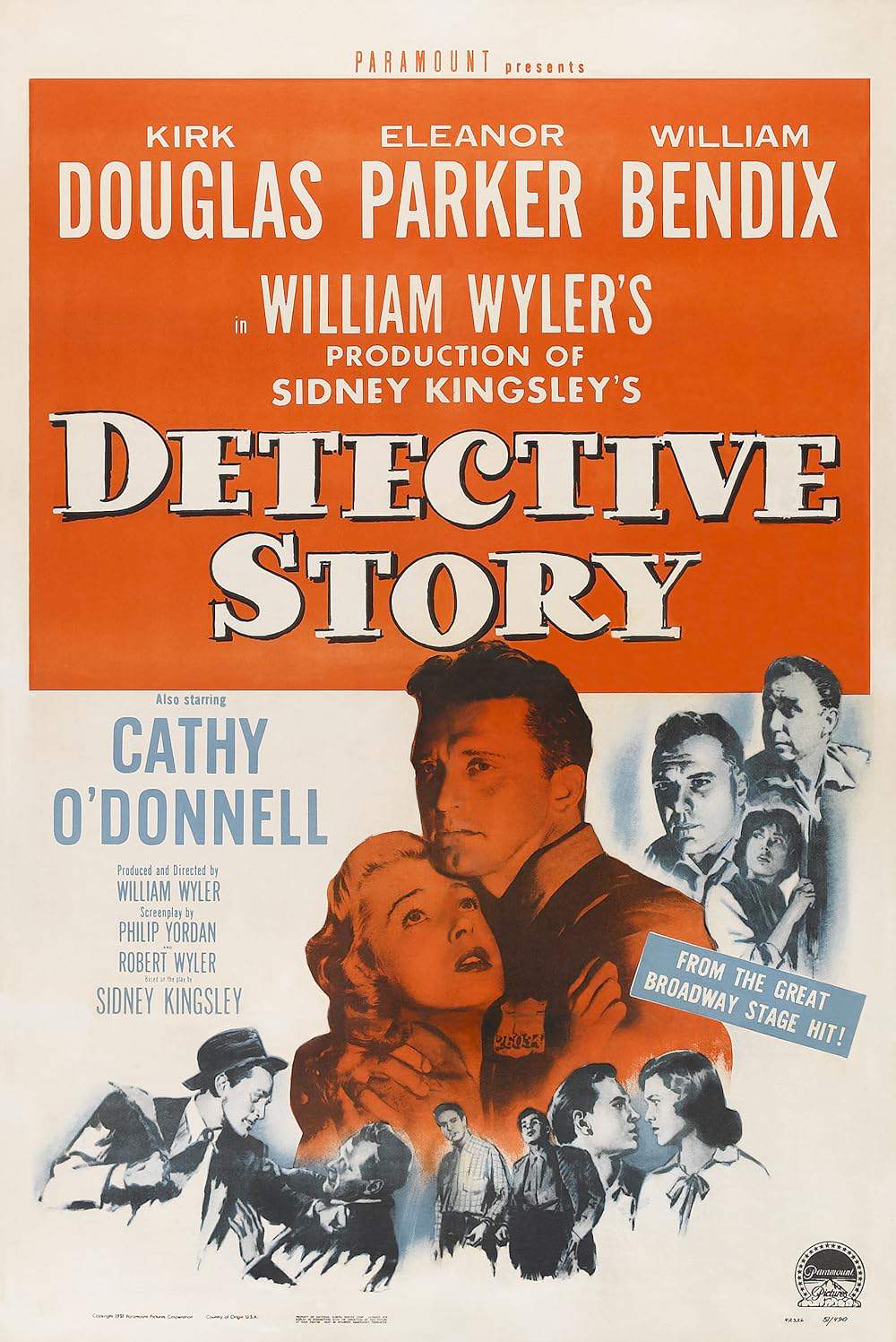
Detective Story
1951
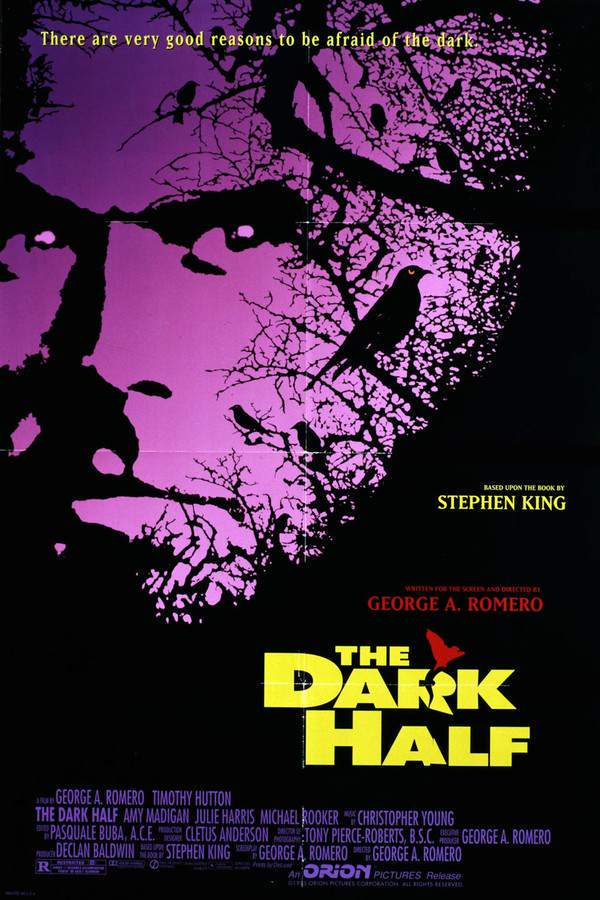
The Dark Half
1993

Eleven
2025

One on Top of the Other
1969

The Buckingham Murders
2023

Black Widow
1954

The Suspect
1944

Death in Small Doses
1995

Cast a Dark Shadow
1955

Detective Story
2007

Lost in the Stars
2022
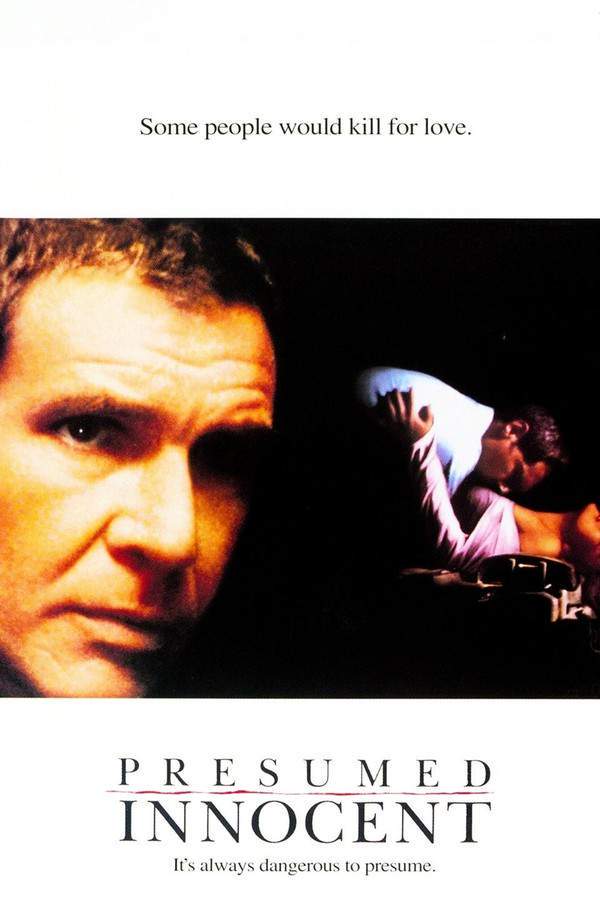
Presumed Innocent
1990
Narrative Summary
The narrative follows a central investigation that serves as the crucible for an unconventional partnership. The protagonists start with conflicting approaches but are forced to rely on each other's strengths. As the case deepens, their personal boundaries blur, creating emotional stakes that are as high as the physical danger they face, often leading to a climax where their relationship is tested alongside the resolution of the crime.
Why These Movies?
These movies are grouped by their core dynamic: the compelling friction and developing bond between two mismatched leads driving a dark investigation. They share a tone of professional tension mixed with personal vulnerability, a steady pacing that allows the relationship to build, and a focus on how collaboration can be both a strength and a fatal weakness.
Movies about trauma and justice like Swept Under
Characters haunted by past violence taking matters into their own hands.Fans of Swept Under's Morgan will appreciate these stories about characters motivated by severe trauma to pursue justice. These films, like Swept Under, explore the psychological weight of past violence and the morally compromising actions it can provoke, offering a similar vibe of gritty, emotionally heavy thrillers.

Violation
2021
Swept Under
2015

Terribly Happy
2008

Julia
2015

John Doe: Vigilante
2014

Wander
2020

Shattered
1991

Descent
2007

Positive I.D.
1986

Killer Instinct
2001

Judgementall Hai Kya
2019

Victim
2011

I Spit on Your Grave III: Vengeance is Mine
2015

Boy Wonder
2010
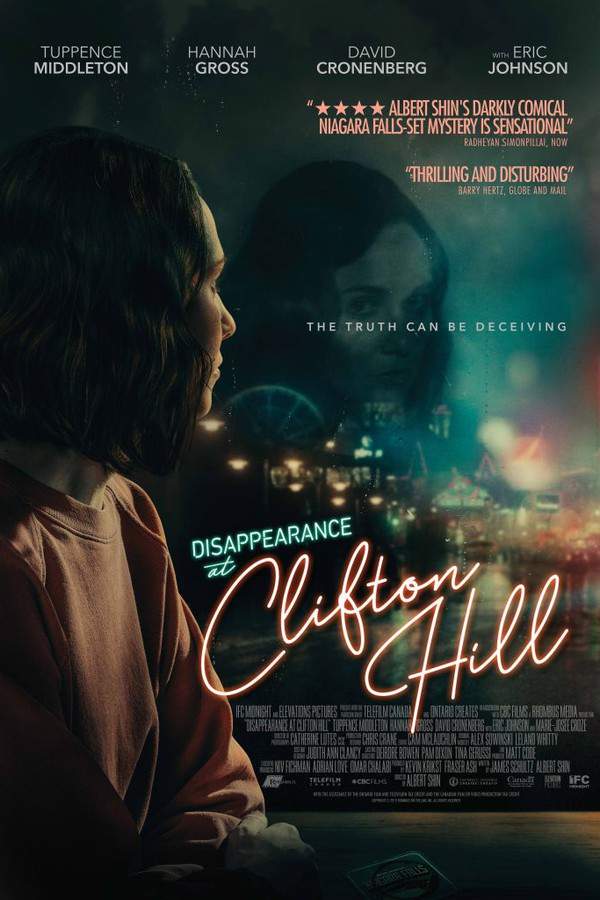
Disappearance at Clifton Hill
2020
Narrative Summary
The narrative is a character study of a protagonist grappling with a traumatic past, which becomes the engine for the plot. Their quest for justice is personal and often operates outside the law, forcing them to make difficult moral choices. The story examines the cost of their actions, both on themselves and those around them, frequently culminating in an ambiguous resolution that questions the very nature of justice and healing.
Why These Movies?
These films are united by their exploration of trauma as a primary motivator. They share a dark, intense tone and heavy emotional weight, focusing on the psychological damage of their protagonists and the gritty, often bleak, realities of seeking personal retribution or closure outside conventional systems.
Unlock the Full Story of Swept Under
Don't stop at just watching - explore Swept Under in full detail. From the complete plot summary and scene-by-scene timeline to character breakdowns, thematic analysis, and a deep dive into the ending - every page helps you truly understand what Swept Under is all about. Plus, discover what's next after the movie.
Swept Under Timeline
Track the full timeline of Swept Under with every major event arranged chronologically. Perfect for decoding non-linear storytelling, flashbacks, or parallel narratives with a clear scene-by-scene breakdown.

Characters, Settings & Themes in Swept Under
Discover the characters, locations, and core themes that shape Swept Under. Get insights into symbolic elements, setting significance, and deeper narrative meaning - ideal for thematic analysis and movie breakdowns.


