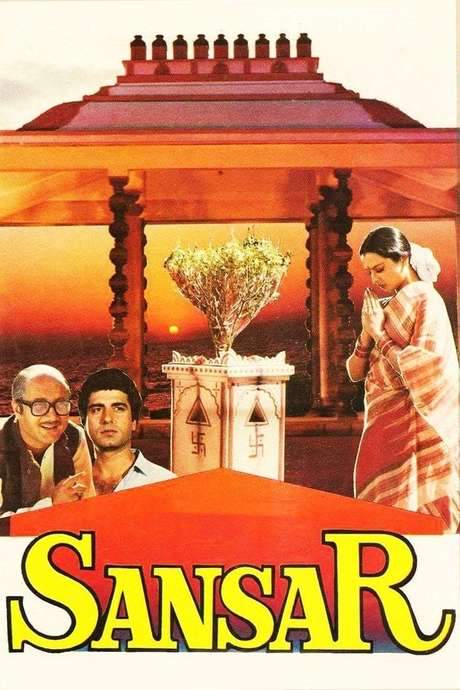
In a calm rural village, Vijay Kumar Choudhary stands as a respected Sarpanch, a man whose integrity brightens the days of everyone around him. He shares a loving life with his ideal wife, Laxmi Choudhury, and his devoted younger brother, Ravi Choudhary, who looks up to the couple with a near-religious reverence. Vijay pours his energy into improving the village and protecting his family, and because of this dedication, the household remains childless as time passes. The atmosphere is warm but crowded with unspoken wishes, as villagers witness the blend of duty, affection, and ongoing struggle to create a fuller future.
Meanwhile, trouble stirs in the form of a scheming grocer, Milawatram. His resentment grows as Vijay opens a government store that threatens his own livelihood, sowing seeds of rivalry that will ripple through the family. The tension deepens with Pannalal, Milawatram’s ruthless brother-in-law, whose sense of grievance fuels a sharp, personal vendetta against Vijay—especially after Vijay arranges a marriage for his son with a needy girl, a move that infuriates Pannalal and fuels his schemes. The film traces how old grudges and new ambitions pull at the fabric of trust that binds their world together.
Amidst these tensions, Lalita Choudhury, a kind and generous daughter of Milawatram, enters Ravi’s life and heart. Their courtship blossoms into marriage, weaving a new thread of joy into the family’s tapestry. The two women who anchor the household—Laxmi and Lalita—develop a cordial, almost collegiate bond, turning their shared home into a place of warmth and shared laughter. The couple’s happiness seems complete when the family rejoices in a double moment: Laxmi gives birth to a baby boy, while Lalita faces the heartbreak of a miscarriage. It is a delicate, emotional balance—one that tests the resilience and compassion of everyone involved.
As the family grapples with grief and hope, Vijay and Laxmi make a grave, selfless choice to protect Lalita in a deeply personal way, sacrificing their own interests to shield her. Ravi, unaware of the full truth behind these events, remains tucked within the circle of affection and concern that surrounds the family. This pivotal moment marks a turning point, as the bond that held the household together begins to fray under the weight of secrets and competing loyalties.
A rift grows, signaling an unmistakable split within the family. In the midst of growing disharmony, Milawatram and Pannalal strike a calculated alliance, driving Ravi toward a claimed share of the family’s legacy, while Lalita’s actions become a catalyst that complicates loyalties even further. Vijay, sensing the mounting tension, experiences a collapse of spirit and destiny as he relinquishes control, handing everything over to Ravi and stepping away from the helm he once held so firmly.
Ravi’s perception of Lalita shifts as he uncovers the unsettling truth: Pannalal has coerced Lalita in a bid to seize the child. This realization shakes him, highlighting the complexity of love, betrayal, and duty within a family that once seemed united. Yet the moment of truth also clarifies intentions: the trio of Vijay, Ravi, and Lalita unite to confront Pannalal, safeguarding the child and seeking to repair the fractures in their bonds. Milawatram, for his part, experiences a reevaluation of priorities and moves toward reform, signaling a hopeful turn in the long-standing conflict.
In the end, the family comes to a quiet, determined acknowledgment of the truth. Ravi and Lalita recognize the deeper currents at work and decide to return the child to Vijay and Laxmi, restoring the original order and affirming the enduring values they all share. The narrative closes on a note of renewal and resilience, underscoring how love, integrity, and a willingness to confront difficult truths can heal a family bruised by pride and misjudgment.