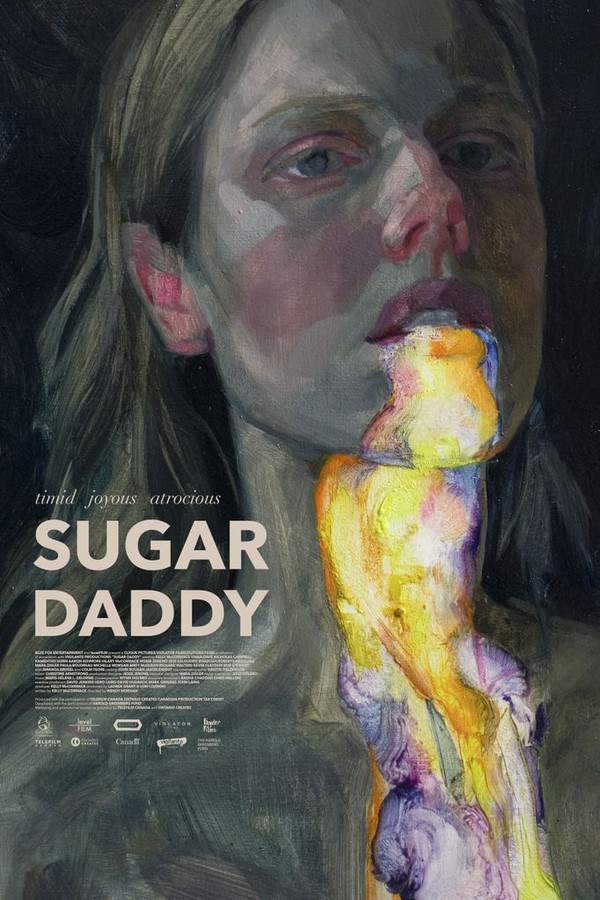
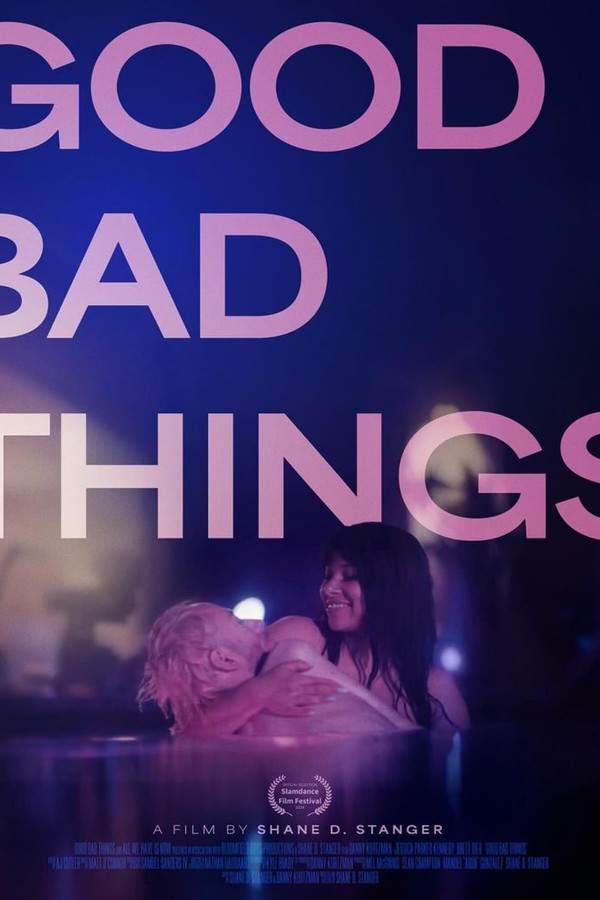
Darren, Kelly McCormack, a twenty-something fledgling musician, signs up for a paid dating service to fund her creative projects, hoping that these connections might open doors for her art. The film follows her as she juggles ambition with everyday life, navigating the strains that press on a young artist: a tense relationship with her roommate, friction with her sister, and at times, distance from her mother. In one candid moment, she and her friends debate the ethics of paid dating, prostitution, and courting a wealthier partner, peeling back layers of risk, power, and opportunity that come with choosing this path.
Throughout, Darren remains tethered to her music. She intermittently plays instruments, mixes tracks, and works on various creative endeavors. When she treats herself to a lavish lap steel guitar, the purchase serves as a tangible symbol of her determination to push her sound forward even as she faces uncertainty about where her art might take her.
Her dating journey yields a series of dates where, unusually, she does not encounter serious physical danger or assault. The gigs and dates become a mosaic of moments that test her boundaries and sharpen her sense of self-reliance. Referred by her casual friend, music producer Angus, she is invited to record vocals in a seedy studio for an unknown rap artist. In this volatile space, Nancy, Amanda Brugel, a trusted figure she has met briefly, appears and gives Darren space to sing something original. Nancy is head of the label, and her rejection that follows isn’t purely about talent; it reflects the industry’s messy realities—navigating personalities, politics, and the difficulties of breaking through as a newcomer.
A turning point comes with a special connection to one client, Gordon, Colm Feore. He is generally caring and thoughtful toward Darren, taking the time to listen as she shares her aspirations and the dreams behind her music. The bond grows, and as their conversations deepen, Darren makes a personal choice to become intimate with him. The morning after, Gordon leaves behind a substantial check—$100,000—believed to be a sponsorship for her creative endeavors, a gesture that both acknowledges her talent and complicates her sense of agency.
Tension peaks when Darren later encounters Gordon and Angela dining together, and she confronts Gordon openly about the nature and ethics of the payment he provided. The confrontation is charged with questions about money, mentorship, and power in the relationship between artist and benefactor.
In the aftermath, Darren cashes the check and moves into a large loft, a step that marks both a practical gain and a symbolic shift in her life. With that stability, she begins to mend fractured family ties, repairing her relationship with her sister and finding a path back toward her mother. Through these experiences, the film sketches a careful, patient portrait of a young musician navigating ambition, love, and the compromises that come with trying to turn art into a life. The result is a nuanced look at creative drive, identity, and the messy but meaningful steps toward independence.