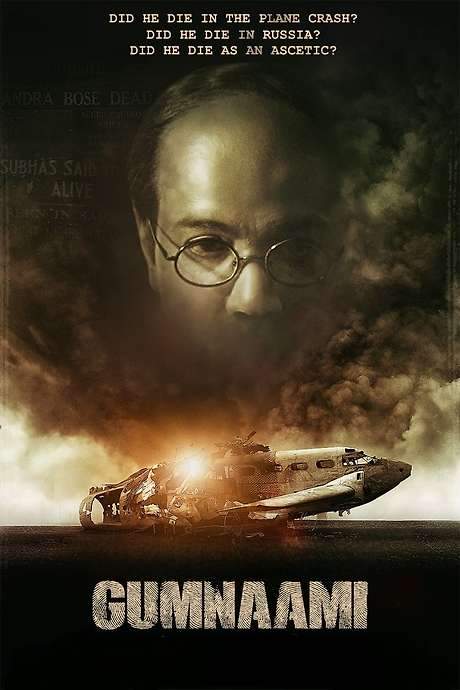
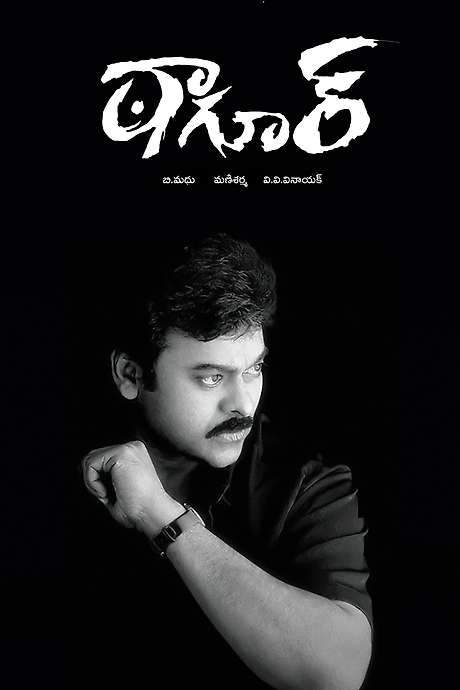
Set against the waning days of British rule in India, the story follows Ashok, who works on a TV channel with his girlfriend Anita, as they cover a significant meeting led by the politician Venkat Ratnam. While documenting the event, Ashok is drawn into visions from a distant era, including a tattooed image of the national flag on a hand, hinting at a deep link between the present and a troubled past. The narrative unfolds with a calm, observational tone, steadily weaving together contemporary life and memories that illuminate long-buried loyalties and betrayals.
In a vivid flashback set in 1946, a man named Amarchandra—also known as Subhas Chandra Bose, and here referred to as Chandram—takes a defiant stand against the local colonial officer George. Bose reveres the memory of the renowned freedom fighter Subhas Chandra Bose and becomes a symbol of resistance. When the state governor Jackson arrives in Chintapalli with his daughter Diana for a brief vacation, Bose greets him with a bold act: he disrupts the scene by blowing up the water tank at the palace. This audacious move triggers Jackson’s wrath, as he orders his army to crush Bose. With the uneasy aid of a local ally, Bandodu, George’s troops unleash a brutal assault on the village, wiping out the population and even Bose’s lover Swarajyam. In a decisive moment of betrayal, Bandodu turns against Bose, and the troops kill him as well. The fallout is marked by grief, fear, and the brutal costs of colonial power.
Returning to the present, Ashok discovers a startling truth: he is the reincarnation of Bose, and Venkat Ratnam embodies Bandodu. This realization sets Ashok on a path to expose the present-day betrayal by confronting Venkat Ratnam and his circle. As he pieces together memories and motives, the narrative expands into a broader meditation on memory, justice, and the lingering echoes of a struggle for freedom. The stakes are personal for Ashok, but they also carry the weight of a historical reckoning that refuses to fade.
The film’s tension builds through careful reveals and the tension between past and present. Ashok’s alliance with sympathetic figures strengthens his resolve to bring the truth to light, bridging two timelines with a common aim: to honor Bose’s legacy and condemn the deceit that allowed Bandodu’s power to persist. The climax delivers a pointed confrontation that circles back to the older wounds of 1946, culminating in a decisive clash where Bose’s legacy asserts itself in the present. In the end, Bose kills Venkat Ratnam, a culmination that underscores the enduring pull of history on contemporary lives and the cost of confronting treachery rooted in both eras.
Overall, the narrative balances historical drama with personal discovery, presenting a measured, reflective tale that invites viewers to consider how memory, identity, and old loyalties shape present-day actions. The film remains faithful to its core premise while expanding the scope of its conflicts, offering a long, immersive exploration of a people’s struggle told through two intertwined lives.