Plot Explained Spoilers guaranteed!
Plot Explained

Browse by genre

Strange Holiday (1945) movie poster

Characters & Themes

Strange Holiday (1945) Characters, Setting & Themes Explained

Release, runtime and language
1945 · 61 mins · English
Loading streaming availability…
Directed by
Arch Oboler
Starring
Claude Rains, Paul Hilton, Griff Barnett, Helen Mack, Barbara Bates, Paul Dubov

An American businessman returns from a hunting trip to find fascists have overrun the country in this propaganda film.

On this page (8)
  1. 1 Where to watch
  2. 2 Characters explained (10)
  3. 3 Where & when it takes place
  4. 4 Themes & meaning (3)
  5. 5 Character & meaning questions
  6. 6 Movie threads
  7. 7 Movies like Strange Holiday
  8. 8 Every angle
Loading streaming availability…

10 main characters · contains spoilers

Strange Holiday Characters Explained: Who Is Who

The main characters of Strange Holiday (1945), heroes and villains: what drives them, how they change over the course of the story and what each of them reveals about the film's bigger ideas.

  • John Stevenson (Claude Rains)

    A rational, resilient man whose sense of normalcy collapses as he confronts a society stripped of basic freedoms. He navigates hostile interrogations, desperate searches for his family, and a mounting realization that power has rewritten the rules of everyday life.

    • 🧭 Protagonist
    • 👨‍👩‍👧 Family
    • 🕊️ Dignity
  • Miss Sims

    played by Helen Mack

    Stevenson’s secretary who remains distant and evasive, embodying the atmosphere of fear and silence that pervades the new order. Her reluctance to engage hints at a regime where information is controlled and conversations are cautious.

    • 🗨️ Secretary
    • 🕵️‍♀️ Reserved
  • Regan

    played by Griff Barnett

    The building manager who suggests he knows more than he reveals, representing bureaucratic indifference and the cold efficiency of an authoritarian system. He signals the complicity of everyday authority in enforcing the regime.

    • 🏢 Official
    • 🧊 Cold
  • Peggy Lee Stevenson (Barbara Bates)

    Stevenson’s daughter, present as a symbol of ordinary family life and future hope. In the dream sequence she appears grown and pursued, illustrating the stakes of a world where children might inherit a harsh, controlled future.

    • 👧 Daughter
    • 🏠 Family
    • 💫 Hope
  • Joe Andrews (David Bradford)

    Betty’s Boy Friend who intersects with the cast during the unfolding crisis, highlighting human relationships as a counterpoint to political oppression.

    • 👤 Friend
    • 🗝️ Connection
  • John Stevenson Jr. (Bob Stebbins)

    The son figure whose imagined future underscores the importance of family survival in a society under surveillance and coercion.

    • 👦 Son
    • 💭 Future
  • Tommy, the Newsboy (Tommy Cook)

    A minor but grounding presence that ties the narrative to ordinary life and the flow of information amid upheaval.

    • 📰 Newsboy
    • 🗞️ Messenger
  • The Examiner (Martin Kosleck)

    The official interrogator who embodies the state’s ideology and the systematic demand for conformity.

    • 🔎 Inspector
    • 🧭 Authority
  • First Detective (Edwin Max)

    A figure of enforcement who represents surveillance and punishment within the new order.

    • 🕵️ Detective
    • 🧊 Bureaucracy
  • Paul Dubov (Paul Dubov)

    A member of the cast whose presence adds to the network of relationships surrounding Stevenson’s ordeal.

    • 🎭 Supporting
    • 🧩 Ensemble

Last updated: October 05, 2025 at 08:34

Was this helpful?

Setting

Where and When Does Strange Holiday Take Place?

The setting of Strange Holiday (1945): the year and time period, the places and locations, and how they shape the characters, the mood and the tension of the story.

Time period

Mid-20th century

Set in a contemporary 1940s American setting around Christmas, with a sudden plunge into a nightmare of state control. The narrative revisits a world where the Constitution has allegedly been altered, signaling a postwar anxiety about civil liberties. The temporal frame blends a holiday atmosphere with a chilling exploration of authoritarian potential.

Location

United States, remote countryside, small town

The action shifts between a remote countryside setting—farmhouse, fields, and a crash site—and a nearly deserted small town with an empty main street and shuttered offices. The environment contrasts festive Christmas scenes with sudden, unsettling isolation. This backdrop reinforces the story’s tension between familiar, intimate life and a looming, oppressive order.

  • 🏡 Rural
  • 🧭 Isolated
  • 🎞️ Postwar Classic

Last updated: October 05, 2025 at 08:34

Was this helpful?

3 major themes

Strange Holiday Meaning: Themes & Message Explained

What is Strange Holiday (1945) really about? The emotional, social and philosophical themes the film keeps returning to, its symbolism and the message beneath the surface.

  • Freedom

    The story probes the fragility of civil liberties, showing a regime that bans religion and free speech and punishes non-conformity. Stevenson’s interrogation and imprisonment expose how quickly personal rights can be eroded under coercive power. The dystopian elements act as a cautionary mirror to democracy and the stakes of individual rights.

  • Reality vs Dream

    A central tension arises from a dreamlike sequence in which Stevenson imagines an alternate, oppressive future. The twist that the sequence is revealed as a bad dream reframes the events as a warning rather than a prophecy. It questions what is real when fear and propaganda blur the line between truth and illusion.

  • Desolation

    Desolate streets, silent offices, and a jail cell create a mood of isolation and threat that mirrors the suppression of dissent. The stark setting emphasizes the cost of conformity and fear on everyday life. It underlines how architectural emptiness can symbolize a society emptied of its freedoms.

Last updated: October 05, 2025 at 08:34

Was this helpful?

Character & theme questions

Strange Holiday Characters & Meaning: Your Questions Answered

The questions people ask about Strange Holiday (1945): who the characters really are, their relationships, what the symbols mean, where it takes place and what the movie is really about. Each answer contains spoilers.

Q1

Where does the movie take place?

The story unfolds in two main settings: a remote countryside with a farmhouse, open fields, and a crash site, and a nearly deserted small American town with empty streets and shuttered offices. The contrast between these locations reinforces the film’s tension between intimate, familiar life and looming oppression.

  • setting
  • small town
  • rural america
  • countryside
Q2

What time period is the movie set in?

The film is set in a contemporary 1940s American setting around Christmas, during the postwar era. This temporal frame blends a festive holiday atmosphere with a chilling exploration of authoritarian potential, reflecting postwar anxieties about civil liberties and political change.

  • 1940s
  • christmas
  • postwar
  • world war ii era
Q3

What are the main themes of the film?

The movie explores three interconnected themes: Freedom, examining how civil liberties can be quickly eroded under coercive power; Reality vs Dream, using a dreamlike sequence to question what is real when fear and propaganda blur truth; and Desolation, showing how architectural emptiness symbolizes a society stripped of its freedoms.

  • freedom
  • civil liberties
  • dystopia
  • dream
  • reality
  • desolation
Q4

Who is the main character John Stevenson?

John Stevenson is a rational, resilient American businessman portrayed by Claude Rains. He returns from a hunting trip to find his country overrun by fascists, navigating hostile interrogations and a desperate search for his family as he confronts a society stripped of basic freedoms.

  • claude rains
  • protagonist
  • businessman
  • resistance
Q5

What does the dream sequence reveal about the story?

The film features a dreamlike sequence where Stevenson imagines an alternate, oppressive future where fascists control America. The twist reveals this sequence as a bad dream, reframing the events as a warning rather than a prophecy and questioning what is real when fear and propaganda blur the line between truth and illusion.

  • dream
  • nightmare
  • twist
  • reality
  • illusion
  • propaganda
Q6

Why is Christmas used as the setting?

The Christmas setting creates a stark contrast between festive, familiar holiday scenes and sudden, unsettling isolation. This juxtaposition emphasizes the story’s tension between normal, intimate life and a looming authoritarian order, using the warmth of holiday traditions to highlight the coldness of oppression.

  • christmas
  • holiday
  • contrast
  • festive
  • isolation
Q7

What kind of world does the movie depict?

The film depicts a dystopian America where a fascist regime has taken control, banning religion and free speech while punishing non-conformity. The world is characterized by desolate streets, silent offices, and empty public spaces that symbolize a society emptied of its freedoms and personal rights.

  • dystopia
  • fascism
  • america
  • authoritarian
  • oppression
Q8

Who is The Examiner character?

The Examiner, played by Martin Kosleck, is the official interrogator who embodies the state’s ideology and the systematic demand for conformity. He represents the cold efficiency of the authoritarian system, conducting the interrogations that expose how quickly personal rights can be eroded under coercive power.

  • examiner
  • interrogator
  • antagonist
  • authority
  • compliance
Q9

What does the movie say about freedom?

The film serves as a cautionary tale about the fragility of civil liberties, showing how quickly personal rights can be eroded under coercive power. Through Stevenson’s interrogation and imprisonment, it warns that democracy requires constant vigilance and that authoritarian regimes can emerge by exploiting fear.

  • freedom
  • civil liberties
  • democracy
  • cautionary
  • twarning
Q10

Why is the empty town setting significant?

The nearly deserted small town with empty main streets and shuttered offices creates a mood of isolation and threat that mirrors the suppression of dissent. This stark setting emphasizes the cost of conformity and fear on everyday life, showing how architectural emptiness can symbolize a society emptied of its freedoms.

  • empty town
  • desolation
  • isolation
  • conformity
  • fear
Q11

What is the tone and emotional feel of the movie?

The film carries a tense, psychologically suspenseful tone with heavy emotional weight due to themes of torture, family separation, and the destruction of constitutional rights. The pacing steadily escalates from confusion to imprisonment without respite, building a dread that persists even through the ambiguous ending.

  • tone
  • tension
  • suspense
  • psychological
  • heavy
  • dark

Movie threads

More Movies Like Strange Holiday, by Mood & Story

Curated lists built around what makes Strange Holiday tick: the same mood, the same kind of story or the same emotional payoff. Each list explains why these movies belong together.

Movies about a sudden descent into dystopia like Strange Holiday

Ordinary lives shattered overnight by a terrifying new political reality. If you liked the shocking premise of Strange Holiday, you'll find similar tension in these films where characters wake up to a world gone wrong. These movies explore the immediate psychological impact of totalitarian takeover and the struggle for survival in a new, oppressive reality.

  • oppressive
  • paranoid
  • claustrophobic
  • despairing
  • anxious
  • nightmarish
  • Tone: tense, paranoid, bleak
  • Pacing: steady, relentless
Why these movies?

The story pattern: These narratives often begin in a state of normalcy that is violently upended, forcing the protagonist on a desperate journey to understand and resist the new regime. The plot is driven by the urgent need to adapt, escape, or rebel against an overwhelming and inexplicable force.

Why they belong together: They are grouped by their shared core premise: the terrifyingly swift collapse of society into a fascist or authoritarian state, focusing on the initial confusion, paranoia, and fight for survival rather than a long-term rebellion.
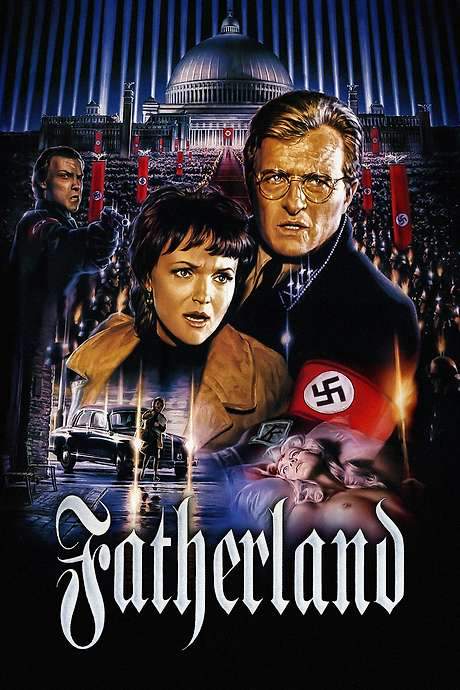
Dreamlike political parables with ambiguous endings like Strange Holiday

Cautionary tales that blur the line between nightmare and reality. Fans of the ambiguous, dreamlike ending of Strange Holiday will appreciate these thought-provoking films. They use elements of fantasy and psychological uncertainty to explore heavy themes like totalitarianism, making the viewer ponder the nature of the story long after it ends.

  • dreamlike
  • anxious
  • oppressive
  • unsettling
  • thought-provoking
  • surreal
  • Tone: tense, dreamlike, ambiguous
  • Pacing: steady, mysterious
Why these movies?

The story pattern: The narrative often frames a harrowing experience within a potentially unreal context, like a dream, hallucination, or unreliable memory. This structure elevates a concrete story into a symbolic allegory, challenging the audience to interpret its meaning and reality.

Why they belong together: They share a unique blend of high-stakes political drama with a surreal, psychological framework. The central tension comes from both the immediate threat within the story and the meta-question of what is truly happening.

If you liked this

Movies Like Strange Holiday

Similar movies to Strange Holiday: the same genre, themes or kind of story. Each one comes with its own plot summary, timeline and ending explained.

Browse all movie summaries

Every angle

Strange Holiday (1945) Explained: Plot, Timeline & Characters

Everything about Strange Holiday in one place: what happens in the plot summary, the timeline in chronological order, the characters and meaning and a spoiler-free summary. What's After the Movie adds the cast, box office and post-credit scenes.

Coming soon on iOS and Android

The Plot Explained Movie Summary App

Plot summaries, endings explained and timelines on your phone. Catch up on any movie in minutes, save your favorites and never miss a twist again.

Be the first to know when we launch. Your email stays private, always.

Learn more about the app