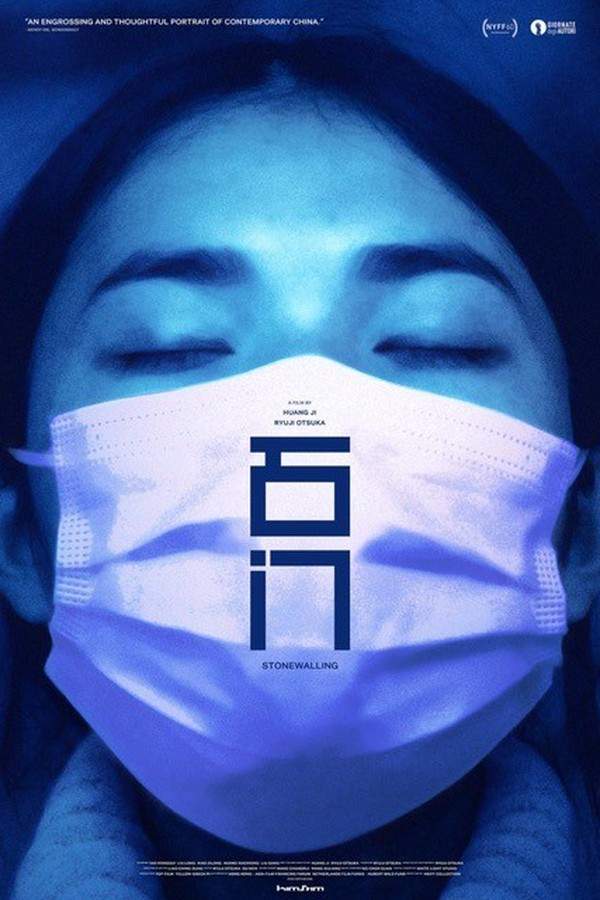
In Changsha, Lynn is a 20-year-old woman trying to carve out a future while balancing English classes with a demanding flight-attendant training path. The city buzzes with possibility, yet meaningful work remains elusive, so she takes on a string of volatile gigs in China’s sprawling gig economy, modeling cheap clothing and jewelry to scrape by. She shares a hotel room with her boyfriend Zhang, who dreams bigger—he hopes to leave for the United Kingdom and build a life as an influencer, hosting parties and chasing a broader online following. On the surface, their arrangement looks steady, but their ambitions pull in opposite directions, testing loyalty, aspiration, and everyday resilience in a world that never seems to pause.
Financial strain presses in from every side. Lynn's mother runs a private clinic for women, a business wrapped in ethical murkiness, and her attention increasingly drifts toward a pyramid-selling scheme for a product called Vital Cream. A medical malpractice incident at the clinic leaves a patient miscarrying, triggering a costly settlement that could cripple the family’s fragile stability. To help her parents pay the victim’s compensation and shield the family from ruin, Lynn weighs an option she never intended to consider: selling her eggs on the black market. The idea lingers at the edge of her moral code while the clock ticks on debts and the clinic’s reputation.
Seeking options beyond the conventional, Lynn visits an illegal fertility clinic and learns she is pregnant. The news immediately raises the stakes: Zhang presses for abortion, insisting she end the pregnancy. Lynn resists, choosing to hide the truth and lie about her plans instead. The pregnancy becomes a pivot point that reverberates through her life: she decides to pause her studies in Changsha and return to her parents’ cramped apartment, a move that signals a dramatic shift in priorities and allegiance. The decision intensifies the pressure to navigate a future that could redefine everything she’s fought for.
Back home, Lynn hatches a plan that is as hopeful as it is fraught: carry the baby to term and arrange for the newborn to be given to the young woman who miscarried, in exchange for dropping the malpractice suit and relieving her mother’s debt. The scheme forces her to weigh the meaning of motherhood, consent, and the price of family loyalty against the costs of secrecy and personal risk. Every step she takes is a careful calculation, a search for a way to preserve life, protect those she loves, and reclaim a sense of agency in a system that often treats vulnerability as a liability.
The film unfolds with a restrained, intimate gaze that captures a generation living under economic pressure, where each choice carries a hidden price tag. It probes with quiet clarity how ambition, duty, and desire collide when survival hinges on morally gray decisions. The supporting world around Lynn adds texture to the central drama: Zilong Xiao helps flesh the environment in which she moves, while the dynamic with her family—anchored by Lynn's mother—grounds the narrative in ethical tension. This is a story about resilience under pressure, about weighing the costs of staying connected to family against the pull of a life that might finally allow Lynn to breathe free.