










Plot Explained Spoilers guaranteed!
Plot Explained

Browse by genre

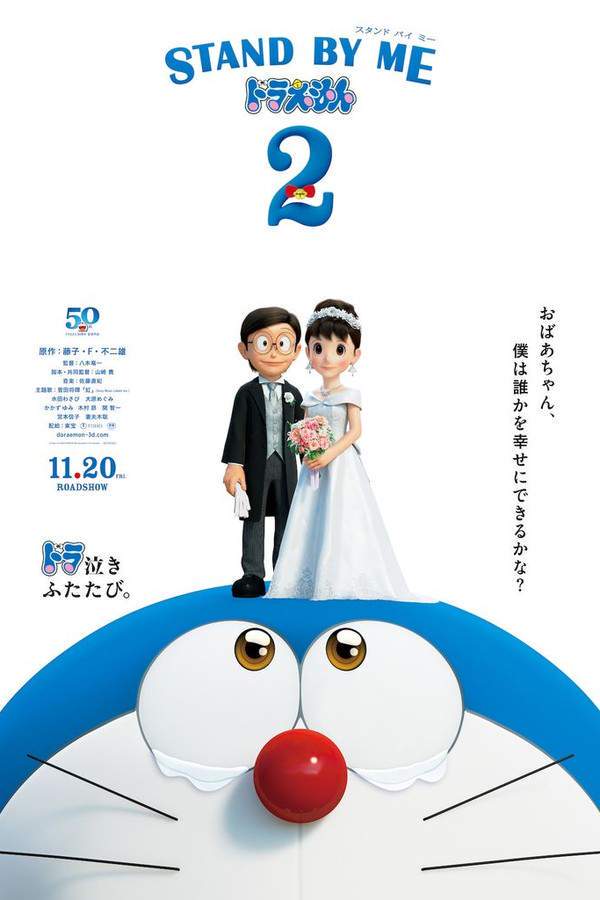
Stand by Me (1986) movie poster

Timeline

Stand by Me (1986) Timeline Explained – Every Event in Order

Release, runtime and language
1986 · 89 min · Japanese
JustWatch #463 125
Starring
Corey Feldman, River Phoenix, Jerry O'Connell, Wil Wheaton

In 1959, four young boys living in Maine decide to embark on an adventure to find the body of a missing boy. As they hike through the wilderness, they encounter obstacles that test their courage and strengthen their bonds. This coming-of-age story explores themes of friendship, loss, and the bittersweet experience of growing up. The journey becomes a poignant exploration of their individual struggles and the challenges of adolescence.

On this page (8)
  1. 1 Where to watch
  2. 2 Events in order (15)
  3. 3 Timeline questions answered
  4. 4 The book behind the movie
  5. 5 Movie threads
  6. 6 Movies like Stand by Me
  7. 7 Categories
  8. 8 Every angle

Where to watch

Where to Watch Stand by Me (1986)

Where can you watch Stand by Me? Stream, rent or buy it in the US, including on HBO Max, Amazon Video and Apple TV Store: current JustWatch availability with up-to-date prices.

Streaming availability powered by JustWatch

15 events in order · contains spoilers

Stand by Me Timeline: Events in Chronological Order

Every key event of Stand by Me (1986) in order, scene by scene, with when and where it takes place. Use it to untangle flashbacks, time jumps and parallel storylines, to refresh your memory before the sequel or to find the exact scene you are thinking of.

  1. Stabbing Incident

    A man reads a newspaper headline about a brutal stabbing at a fast food joint, sparking feelings of nostalgia. This headline serves as a catalyst for remembering his childhood and the moments when he first encountered death.

  2. Gordie's Treehouse Card Game

    Gordon 'Gordie' Lachance and his friends Chris and Teddy are playing cards in their treehouse. Each boy reveals their unique backgrounds and struggles, enriching their friendships and setting the stage for the adventure to come.

    Where
    Treehouse
  3. Vern's Revelation

    Vern Tessio interrupts the game, claiming he has important news. He reveals that his brother Billy and a friend found the body of Ray Brower, a boy who went missing, which captivates the group's attention.

  4. Decision to Find Ray

    The boys, fueled by curiosity and a desire for adventure, decide to seek out Ray's body. They cleverly convince their parents they’ll be sleeping over at each other's homes to embark on their journey.

  5. Gordie's Family Tragedy

    Gordie is confronted with the reality of his family's grief when his brother Denny has died in an accident. The emotional turmoil within his home leaves Gordie feeling isolated and unsupported.

  6. Encounter with the Gun

    During their journey, Gordie and Chris stumble upon a stolen gun that belongs to Chris's father. This discovery adds a layer of danger to their adventure and foreshadows the conflicts ahead.

  7. Confrontation with Ace's Gang

    The boys have a terrifying encounter with Ace Merrill and his gang, who threaten them. However, after a tense standoff, Ace lets them go, heightening the stakes of their adventure.

  8. Train Bridge Incident

    As the boys traverse a bridge, Vern loses his comb, leading to a panic as a train approaches. This near-tragic moment forces them to confront their fears and work together to escape.

    Where
    Train Bridge
  9. The Junkyard Encounter

    The boys face a daunting challenge when they encounter Chopper, a fierce dog, at a junkyard. This moment serves as a test of their bravery and camaraderie, as they must face their fears together.

    Where
    Junkyard
  10. Nighttime Storytelling

    As night falls, Gordie entertains his friends with a humorous story about Lardass Hogan. This moment provides a brief escape from their worries and highlights the bonds of friendship.

  11. Discovery of Ray's Body

    Their quest culminates in the discovery of Ray Brower's body. This shocking revelation brings a mix of emotions as they confront the realities of death and the implications of their find.

  12. Showdown with Ace

    Ace's gang arrives as tensions rise around the body of Ray. Gordie demonstrates his courage by firing the gun, leading Ace's gang to retreat, reinforcing the themes of bravery and friendship.

  13. Decision to Keep Quiet

    In the wake of their discovery, the boys collectively decide to keep the finding of Ray's body a secret. This choice signifies their growth and maturity as they grapple with the moral implications of their adventure.

  14. Fates of the Friends

    Reflecting on their journey, Gordie narrates the subsequent paths of his friends. While Vern becomes a family man and Teddy struggles with employment, Chris tragically dies, echoing a theme of loss.

  15. Gordie's New Chapter

    Years later, Gordie has become a writer and recalls the impact of that summer. He sets out with his son and a friend, illustrating the cycle of life and the enduring nature of cherished memories.

Last updated: November 07, 2024 at 23:06

Was this helpful?

Timeline questions answered

Stand by Me Timeline Explained: Your Questions Answered

When does it happen, and why in that order? The questions people ask about the chronology of Stand by Me (1986): time jumps, flashbacks, cause and effect between scenes and the correct order of events, each answered with spoilers.

Q1

Why did the boys want to find Ray Brower's body?

The boys were motivated by a mix of curiosity, adventure-seeking, and the desire to be seen as heroes. When Vern revealed that his brother Billy found Ray's body, the boys realized Ray was a missing boy their own age who disappeared while blueberry picking. This personal connection, combined with the thrill of discovering something significant and the glory of being the ones to find him, drove them to embark on the quest. Their young minds couldn't fully grasp the gravity of what they were seeking, instead viewing it as an exciting adventure.

  • ray brower
  • missing boy
  • adventure
  • heroes
  • motivation
Q2

Why did Gordie's father compare him to Denny after Denny's death?

Gordie's father was grieving deeply and unable to express his emotions constructively. Denny was the older, more athletic son who presumably fulfilled the father's expectations, and his death left a void that the father didn't know how to address. By comparing Gordie unfavorably to Denny, the father was projecting his grief and disappointment, unintentionally isolating Gordie further during an already painful time. This emotional neglect motivates Gordie to seek validation and belonging elsewhere, making his friendship with Chris and the others even more significant.

  • gordie lachance
  • father
  • denny
  • grief
  • emotional neglect
Q3

Why did Ace Merrill let the boys go free?

Ace, despite his reputation as a dangerous gang leader, showed a moment of restraint. When he confronted the boys and learned they were looking for a dead body, the grim reality seemed to discourage his interest. There's an unspoken understanding that even AceDraws the line at interfering with something as serious as a corpse discovery. The scene demonstrates that Ace, while threatening, isn't entirely devoid of boundaries, and the boys' innocent quest placed them just outside his sphere of malicious interest.

  • ace merrill
  • gang
  • confrontation
  • let go
Q4

Why did the boys decide not to tell anyone about finding Ray's body?

The boys chose secrecy because they realized that claiming credit would mean involving adults and authorities, which would transform their adventure into something clinical and disappointing. They had envisioned a heroic narrative, but confronting the actual dead body shattered that romantic notion. Additionally, they understood that telling adults would mean revealing their lies about sleepovers, potentially getting in trouble. Their decision reflects a collective moment of maturity where they grasped the serious reality of death and preferred to preserve their memory of the experience as their own meaningful journey.

  • secrecy
  • decision
  • ray brower body
  • anonymity
Q5

Why does Chris Chambers die at the end of the movie?

Chris's tragic fate is revealed as part of the film's bittersweet theme about the realities of growing up. Years after their adventure, Chris manages to overcome his troubled family background and becomes a lawyer, suggesting he escaped the cycle of poverty and violence that seemed to define his family's legacy. However, he is killed in a random stabbing at a fast food restaurant - the same type of violent death that opens the film. This tragic irony underscores one of the movie's central messages: that childhood friendships and memories can be profound, but life doesn't always allow happy endings, and loss can come suddenly and senselessly.

Foreshadowing: The opening scene with the newspaper headline about a stabbing foreshadows Chris's eventual fate.

  • chris chambers death
  • tragic ending
  • stabbing
  • fate
Q6

Why did Gordie fire the gun at Ace's gang?

Gordie fired the gun to protect his friends when Ace's gang attempted to take control of the situation at Ray's body discovery. The gang arrived intending to claim the body and potentially harm the boys. While Chris had possession of the gun throughout the journey, it was Gordie who ultimately had the courage to use it, demonstrating his growth from the insecure boy comparisoned to his dead brother. This moment marks Gordie's transformation into a decisive, brave leader willing to protect his friends at any cost.

  • gordie gun
  • ace gang
  • courage
  • protection
  • showdown
Q7

Why does Teddy talk about his father being a war hero?

Teddy glorifies his father as a war hero as a psychological defense mechanism. His father actually resides in a mental institution after being violent and unstable - he burned Teddy with a radiator, leaving permanent scars. Rather than accepting this painful reality, Teddy has constructed a heroic narrative to protect his self-image and maintain pride in his family name. This behavior reflects the film's exploration of how children cope with difficult family circumstances and the stories they tell themselves to survive emotional pain.

  • teddy duchamp
  • father
  • mental institution
  • war hero
  • defense mechanism
Q8

What was the significance of the leeches in the swamp?

The leeches scene forced the boys to confront their fears and vulnerabilities directly. When they had to remove the leeches from Vern, they experienced physical discomfort and disgust, but more importantly, they had to work together and support each other. This challenging moment tested their friendship and revealed their true character - who would help and who would hesitate. The scene serves as a threshold between their carefree adventure and the sobering reality of what they were actually seeking, deepening their bonds before they discover Ray's body.

  • leeches
  • swamp
  • fear
  • vulnerability
  • friendship test
Q9

Why did Vern losing his comb almost cause the boys to be hit by the train?

Vern's panic over losing his treasured comb on the bridge caused him to freeze and refuse to move, nearly resulting in tragedy when the train approached. The boys had to physically pull him to safety, demonstrating how fear and attachment to material things can cloud judgment. This near-death experience heightened the stakes of their journey and showed how the group's dynamics worked under extreme pressure. The incident also revealed Vern's more timid nature compared to the other boys.

  • vern tessio
  • comb
  • train bridge
  • near death
  • panic
Q10

Why did Chris steal the gun from his father?

Chris stole the gun from his father's drawer as a way to feel powerful and protected during their journey. Coming from a family known for trouble and violence, Chris wanted to prove he could be different - responsible and protective rather than destructive. The gun represented security for the group as they traveled through potentially dangerous territory. This act also reflects Chris's underlying anxiety about his family's reputation and his desire to be seen as trustworthy and capable, not following his family's dark legacy.

  • chris chambers
  • gun
  • stolen
  • father
  • protection
Q11

Why does the adult Gordie narrator frame this memory with a stabbing headline?

The opening scene with the newspaper headline about a stabbing serves as a narrative frame thatbookends the story and establishes its thematic weight. The headline reminds Gordie of his first encounter with death as a child - Ray Brower's body - which occurred during that pivotal summer. This framing device emphasizes how childhood experiences shape us and connects the film's themes of loss and mortality. The specific detail about the fast food restaurant mirrors the ending, where Chris dies in an identical setting, creating a tragic cyclical quality to the narrative.

Foreshadowing: The headline foreshadows Chris's death at the end of the film.

  • adult gordie
  • narrator
  • frame narrative
  • newspaper
  • memory

Movie threads

More Movies Like Stand by Me, by Mood & Story

Curated lists built around what makes Stand by Me tick: the same mood, the same kind of story or the same emotional payoff. Each list explains why these movies belong together.

Bittersweet Journeys of Youth like in Stand by Me

Coming-of-age adventures where innocence meets the hard truths of growing up. If you liked the nostalgic adventure and coming-of-age themes in Stand by Me, you'll find similar movies here. These films feature young protagonists on formative quests, exploring friendship, memory, and the bittersweet end of childhood innocence.

  • nostalgic
  • poignant
  • adventurous
  • innocent
  • melancholic
  • reflective
  • Tone: bittersweet, nostalgic
  • Pacing: steady, character-driven
Why these movies?

The story pattern: Stories in this thread typically follow a linear journey, either physical or emotional, undertaken by a group of young friends. The external adventure parallels their internal growth, confronting them with challenges that test their bonds and force them to grapple with themes of loss, identity, and the inevitable passage of time.

Why they belong together: Movies are grouped here for their shared focus on the bittersweet tone of adolescence. They balance the lighthearted freedom of a youthful adventure with the melancholic reflection on how those moments shape us, often using a reflective narrative frame to underscore the theme of memory.
Reflective Stories of Friendship and Memory like in Stand by Me

Stories framed by memory, celebrating the enduring impact of formative friendships. Find movies similar to Stand by Me that explore the power of memory and friendship. These films often feature an adult looking back on a defining childhood event, capturing the heartfelt bonds and bittersweet reality of growing apart.

  • reflective
  • poignant
  • melancholic
  • heartfelt
  • nostalgic
  • bittersweet
  • Tone: poignant, melancholic, heartfelt
  • Pacing: steady, contemplative
Why these movies?

The story pattern: The narrative pattern often involves a flashback structure, where an adult narrator recounts a significant event from their youth. The core of the story is the deep, formative friendship depicted in the past, which is contrasted with the narrator's present life to explore themes of change, loss, and the indelible mark left by those early connections.

Why they belong together: These films are united by their emotional core: a deep focus on the bittersweet nature of memory itself. They share a specific tone that blends heartfelt warmth with melancholic loss, creating a reflective and poignant viewing experience centered on human connection.

If you liked this

Movies Like Stand by Me

Similar movies to Stand by Me: the same genre, themes or kind of story. Each one comes with its own plot summary, timeline and ending explained.

Browse all movie summaries

Categories

Movie Lists Featuring Stand by Me

Stand by Me appears in these hand-built movie categories. Each one groups movies by a specific mood, theme or story type, with their plot summaries and endings explained.

View all movie categories

Every angle

Stand by Me (1986) Explained: Plot, Timeline & Characters

Everything about Stand by Me in one place: what happens in the plot summary, the timeline in chronological order, the characters and meaning and a spoiler-free summary. What's After the Movie adds the cast, box office and post-credit scenes.

Coming soon on iOS and Android

The Plot Explained Movie Summary App

Plot summaries, endings explained and timelines on your phone. Catch up on any movie in minutes, save your favorites and never miss a twist again.

Be the first to know when we launch. Your email stays private, always.

Learn more about the app