Plot Explained Spoilers guaranteed!
Plot Explained

Browse by genre

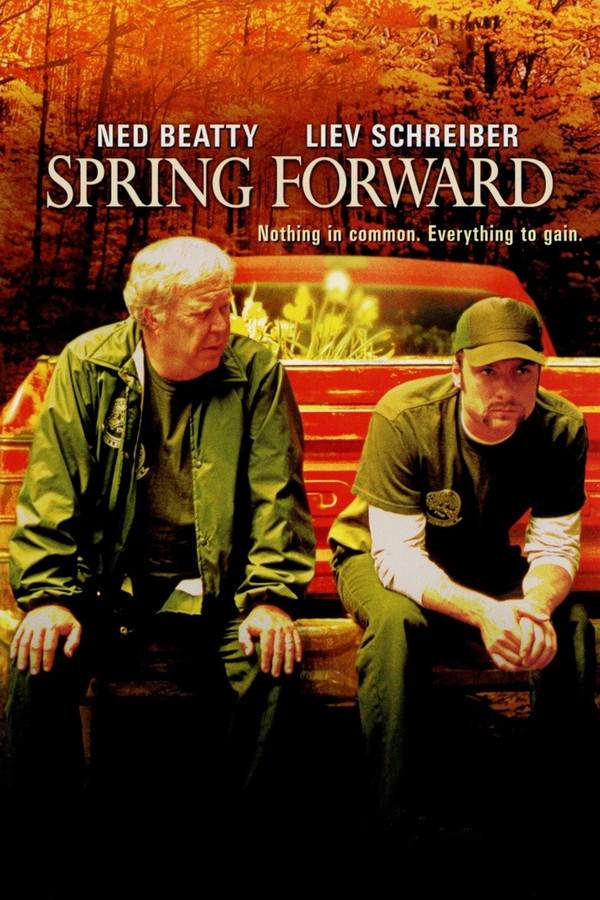
Spring Forward (2000) movie poster

Timeline

Spring Forward (2000) Timeline Explained – Every Event in Order

Release, runtime and language
2000 · 110 min · English
Loading streaming availability…
Directed by
Tom Gilroy
Starring
Ned Beatty, Campbell Scott
Budget
$2M

Ex-con Paul seeks redemption in a quiet Connecticut town and finds an unexpected guide in Murph, a seasoned parks employee. As they work together, both men grapple with personal struggles—Murph confronts his son’s illness, while Paul faces his troubled past. Their shared experiences forge an unlikely friendship that offers them a chance to re-evaluate their lives and discover a renewed sense of hope.

On this page (6)
  1. 1 Where to watch
  2. 2 Events in order (14)
  3. 3 Timeline questions answered
  4. 4 Movie threads
  5. 5 Categories
  6. 6 Every angle
Loading streaming availability…

14 events in order · contains spoilers

Spring Forward Timeline: Events in Chronological Order

Every key event of Spring Forward (2000) in order, scene by scene, with when and where it takes place. Use it to untangle flashbacks, time jumps and parallel storylines, to refresh your memory before the sequel or to find the exact scene you are thinking of.

  1. Paul's Release from Prison

    Paul, an ex-convict, is released from prison after serving time for armed robbery. His newfound freedom comes with the challenge of reintegrating into society and finding purpose in his life.

    Where
    New England Town
  2. First Day on the Job

    On his first day working in parks maintenance, Paul is filled with anxiety and hope for a fresh start. He meets Murphy, an experienced groundskeeper, setting the stage for their evolving friendship.

    Where
    Parks Department
  3. Confrontation with a Local Businessman

    During his initial task, Paul gets into a heated argument with a local heir regarding a materials donation for the park. This confrontation triggers intense feelings of frustration and self-doubt in Paul.

  4. Paul's Outburst

    In a moment of anger, Paul declares his intention to quit and storms off into the woods. This impulsive decision reflects his ongoing struggle to cope with anger and his past decisions.

    Where
    Woods
  5. Mentorship Begins

    Murphy follows Paul into the woods, displaying wisdom and patience as he convinces Paul to return to work. This initial mentorship becomes a pivotal moment for both characters, establishing their bond.

    Where
    Woods
  6. Evolving Friendship

    As the seasons change, Paul and Murphy's relationship deepens, resembling that of a father and son. They support each other through personal challenges, creating a meaningful connection that transforms their lives.

    Where
    Parks
  7. Murphy's Personal Struggles

    Murphy grapples with the imminent loss of his son, who is terminally ill. This hardship forces him to reflect on his past as a father and the changes in his life as he approaches retirement.

  8. Shared Experiences

    Throughout their time together, Paul and Murphy share both mundane and profound experiences that allow them to open up about their dreams, failures, and aspirations. This deepens their bond significantly.

    Where
    Various Parks
  9. Paul's Self-Discovery

    In his journey towards self-acceptance, Paul finds inner peace and balance, displaying growth from his past grievances. He learns to channel his emotions more positively, thanks in part to Murphy's guidance.

  10. Murphy's Acceptance

    As Paul progresses, Murphy begins to accept his own past mistakes and learns to forgive himself. Their conversations help him to confront unresolved feelings regarding his relationship with his dying son.

  11. Preparing for Retirement

    As Murphy approaches retirement, he faces the reality of leaving behind the life he has known. This phase is coupled with feelings of nostalgia and contemplation for the future outside of work.

  12. A Meaningful Gift

    In a heartfelt gesture, Paul surprises Murphy with a hamsa as a retirement gift, symbolizing the 'helping hand' Murphy has been to him. This moment encapsulates the themes of mentorship and gratitude.

  13. The Impact of Friendship

    As the story unfolds, the dynamics of Paul and Murphy's friendship highlight the transformative power of compassion and understanding. Paul's growth reflects the healing effects of their deep connection.

  14. Final Reflections

    In their final moments together, both characters reflect on how significantly they have enriched each other's lives. Their journey emphasizes the strength found in unexpected friendships during challenging times.

Last updated: November 08, 2024 at 16:42

Was this helpful?

Timeline questions answered

Spring Forward Timeline Explained: Your Questions Answered

When does it happen, and why in that order? The questions people ask about the chronology of Spring Forward (2000): time jumps, flashbacks, cause and effect between scenes and the correct order of events, each answered with spoilers.

Q1

Why does Paul storm off into the woods after his argument with the local businessman?

Paul's outburst stems from feeling humiliated and marginalized during his first day at the parks department. The confrontation with the local heir over a materials donation triggers his deep-seated frustration about being treated as an outsider and former convict. Unable to manage these overwhelming emotions, he acts impulsively, declaring he will quit and running into the woods to escape what he perceives as another failure.

Foreshadowing: Earlier, Paul is described as short-tempered and still grappling with the social challenges of reentering society after prison.

  • paul
  • anger
  • woods
  • argument
  • first day
Q2

Why does Murphy follow Paul into the woods after his outburst?

Murphy's decision to follow Paul reflects his innate compassion and ability to see beyond someone's immediate behavior to their underlying pain. As a seasoned worker nearing retirement, Murphy recognizes Paul's outburst as a cry for help rather than a reason for dismissal. His wisdom and patience compel him to intervene, understanding that a single moment of understanding could change Paul's entire trajectory.

Foreshadowing: This moment establishes the mentorship dynamic that will define their relationship throughout the film.

  • murphy
  • mentorship
  • woods
  • guidance
  • patience
Q3

Why is Murphy's terminally ill son a central conflict in the story?

Murphy's dying son represents the emotional core of his personal struggle, forcing him to confront unresolved feelings about his role as a father. His son's terminal illness brings up questions of acceptance, regret, and the changes in his life as retirement approaches. This hardship directly influences Murphy's ability to connect with Paul, as he projects his paternal instincts into mentoring the younger man while dealing with his own grief.

Foreshadowing: The film sets up this father-son dynamic early, contrasting Murphy's relationship with Paul against his complicated relationship with his own son.

  • murphy
  • son
  • illness
  • terminal
  • father
Q4

What does the hamsa symbolize that Paul gives to Murphy for his retirement?

The hamsa, a palm-shaped amulet representing a protective hand, symbolizes the "helping hand" Murphy has been to Paul throughout their year together. Paul gives this gift to express gratitude for the mentorship, guidance, and patience Murphy showed him during his difficult transition from prison to civilian life. The gift encapsulates how their relationship evolved from coworkers to a meaningful father-son bond.

Foreshadowing: This payoff ties back to the film's opening mentorship scene in the woods, completing the thematic circle of one person helping another find their way.

  • hamsa
  • gift
  • retirement
  • mentorship
  • gratitude
Q5

How does Paul find redemption and inner peace throughout the film?

Paul's redemption comes through the gradual transformation of his character via his working relationship with Murphy. Initially short-tempered and prone to impulsive reactions, Paul learns to manage his emotions through Murphy's steady guidance and example. Their shared work in nature, combined with deep conversations about life, dreams, and failures, helps Paul channel his energy positively. By the film's end, he has developed balance, self-acceptance, and a sense of purpose he lacked upon leaving prison.

Foreshadowing: The film's description explicitly states Paul seeks spiritual solace and a chance at redemption from the beginning.

  • paul
  • redemption
  • peace
  • growth
  • transformation
Q6

Why does Murphy struggle to accept his past and forgive himself?

Murphy's difficulty with self-forgiveness stems from his complicated relationship with his terminally ill son and questions about the kind of father he was. As he approaches retirement, he faces the reality of his life choices and the changes in his family dynamics. Paul's presence and their conversations give Murphy the space to confront these unresolved feelings, ultimately teaching him that acceptance and forgiveness are necessary for healing.

Foreshadowing: The film emphasizes Murphy's struggle with uncertainty about his past as both a father and a man.

  • murphy
  • forgiveness
  • acceptance
  • past
  • regret
Q7

How does the changing seasons reflect the development of Paul and Murphy's friendship?

The seasonal structure mirrors the natural progression of Paul and Murphy's relationship, from initial tension in spring through the growing warmth of summer, the reflection of fall, and the contemplative conclusion of winter. Each season brings new shared experiences that deepen their bond, allowing the film to depict gradual character growth rather than sudden transformations. This pacing reflects the slow, organic nature of genuine human connection.

Foreshadowing: The meta notes confirm the film uses a seasonal structure to emphasize gradual personal growth.

  • seasons
  • friendship
  • growth
  • time
  • development
Q8

How does Paul learn to manage his anger issues throughout the story?

Paul learns to manage his anger through Murphy's mentorship and the calming influence of working in nature. Rather than confronting his triggers directly, the film shows Paul developing healthier coping mechanisms through patience, reflection, and meaningful conversation. Murphy serves as a steady presence who models emotional regulation, helping Paul understand that his reactions stem from deeper insecurities about his past as a convict.

Foreshadowing: Paul's initial anger problem is established during the argument with the local heir on his first day.

  • paul
  • anger
  • management
  • growth
  • murphy
Q9

Why does Paul decide to stay in the town after wanting to quit on his first day?

Paul decides to stay because Murphy's intervention in the woods convinces him to give this new chapter a genuine chance. Despite his initial humiliation and impulse to flee, Murphy's wisdom and compassion show Paul that people can change and that failure does not have to define his future. This moment becomes the foundation upon which their entire friendship builds.

Foreshadowing: This decision directly leads to the year-long working relationship that transforms both characters.

  • paul
  • stay
  • town
  • decision
  • chance
Q10

Why does Paul and Murphy's relationship develop a father-son dynamic?

The father-son dynamic emerges naturally from their age difference, professional hierarchy, and complementary emotional needs. Paul, lacking a positive male role model after prison, finds guidance and stability in Murphy. Meanwhile, Murphy, grieving his own son and facing an empty retirement, finds purpose in mentoring Paul. Their relationship fills mutual emotional voids, with Murphy offering fatherly wisdom while Paul gives Murphy a sense of legacy and connection.

Foreshadowing: The summary explicitly describes their bond as resembling a father-son dynamic in contrast to Murphy's relationship with his dying son.

  • father
  • son
  • dynamic
  • mentor
  • relationship
Q11

What is the significance of Paul and Murphy working at the parks department?

The parks department setting provides the quiet, natural environment necessary for contemplation and healing. Working outdoors with manual labor contrasts with the chaos of Paul's past life and offers both men space to breathe, think, and talk without the pressure of urban society. The repetitive nature of maintenance work also mirrors the film's slow pacing, allowing character development to unfold organically through everyday tasks rather than dramatic events.

Foreshadowing: The meta notes emphasize the "quiet repetition of daily work in a natural setting" as central to the film's tone.

  • parks
  • work
  • nature
  • labor
  • environment
Q12

Why is the film's ending considered bittersweet?

The ending is bittersweet because it combines the sadness of Murphy's retirement and the separation of the two friends with the hope represented by their meaningful connection. Paul and Murphy must part ways physically, yet the hamsa gift symbolizes that their impact on each other's lives will endure. The film acknowledges loss while ultimately emphasizing the positive transformation both men experienced through their unexpected friendship.

Foreshadowing: The meta notes specifically describe the ending feel as bittersweet due to retirement and separation, balanced with hope from the gift exchange.

  • ending
  • bittersweet
  • retirement
  • hope
  • separation

Movie threads

More Movies Like Spring Forward, by Mood & Story

Curated lists built around what makes Spring Forward tick: the same mood, the same kind of story or the same emotional payoff. Each list explains why these movies belong together.

Movies like Spring Forward about quiet redemption

Stories about finding hope and starting over through simple, human connections. A collection of movies like Spring Forward where characters find redemption through humble work and simple friendships. If you enjoyed the gentle, hopeful story of Paul and Murph, you'll appreciate these similarly reflective and character-driven dramas about starting over.

  • hopeful
  • reflective
  • earnest
  • quiet
  • introspective
  • comforting
  • Tone: hopeful, reflective
  • Pacing: slow, deliberate
Why these movies?

The story pattern: The narrative follows a character, often with a difficult past, who finds purpose and healing through a new, often mundane, routine and a meaningful relationship with a mentor or friend. The plot is driven by personal growth rather than external conflict.

Why they belong together: Movies are grouped here for their shared focus on the theme of redemption achieved not through grand gestures, but through quiet perseverance, trustworthy friendships, and the dignity of simple work, all set against a gentle, hopeful tone.
Intergenerational friendship movies similar to Spring Forward

Films about unlikely friendships that bridge age and experience, leaving a lasting impact. Discover movies like Spring Forward that explore the deep, transformative power of intergenerational friendships. If the heartfelt bond between Paul and Murph resonated with you, these films offer similar stories of mentorship, shared burdens, and life-changing connections.

  • bittersweet
  • earnest
  • mentorship
  • friendship
  • introspective
  • melancholic
  • Tone: bittersweet, earnest
  • Pacing: slow, conversational
Why these movies?

The story pattern: The story structure revolves around the developing relationship between two main characters who are initially mismatched. Through shared time and vulnerability, they help each other confront personal struggles, leading to a poignant ending where they part ways but are permanently changed for the better.

Why they belong together: These films are united by their central, heartfelt focus on a mentoring or father-son-like dynamic between two protagonists. They share a bittersweet emotional core, a slow, conversational pace, and a focus on the profound impact of simple, shared moments.

Categories

Movie Lists Featuring Spring Forward

Spring Forward appears in these hand-built movie categories. Each one groups movies by a specific mood, theme or story type, with their plot summaries and endings explained.

View all movie categories

Every angle

Spring Forward (2000) Explained: Plot, Timeline & Characters

Everything about Spring Forward in one place: what happens in the plot summary, the timeline in chronological order, the characters and meaning and a spoiler-free summary. What's After the Movie adds the cast, box office and post-credit scenes.

Coming soon on iOS and Android

The Plot Explained Movie Summary App

Plot summaries, endings explained and timelines on your phone. Catch up on any movie in minutes, save your favorites and never miss a twist again.

Be the first to know when we launch. Your email stays private, always.

Learn more about the app