Plot Explained Spoilers guaranteed!
Plot Explained

Browse by genre

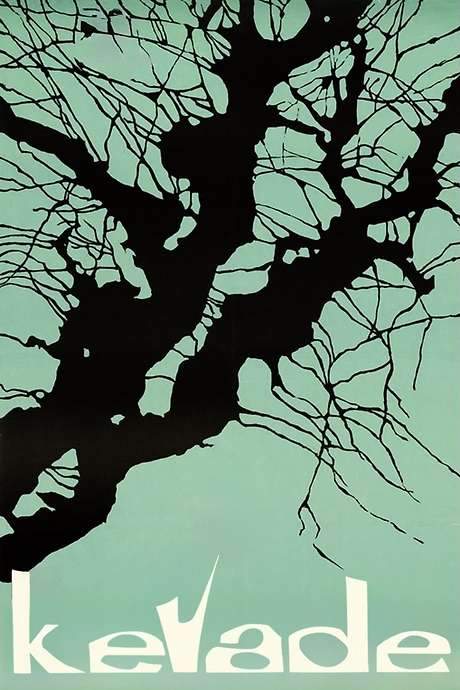
Spring (1970) movie poster

Plot Summary

Spring (1970) Plot Summary Explained

Release, runtime and language
1970 · 85 mins · French
Directed by
Marcel Hanoun
Starring
Michael Lonsdale, Catherine Binet, Maurice Poullenot, Julien Etchevery, Raymonde Godeau, Anne-Marie Ramier

Part of Hanoun’s four‑film series named for the seasons, the work weaves two parallel narratives. A man on the run from authoritarian forces seeks shelter in a deep forest, living in perpetual flight. Simultaneously, a young girl who stays with her grandmother in a nearby village stands on the brink of puberty, gradually opening herself to the wider world and to her own emerging identity.

On this page (5)
  1. 1 What happens: full plot
  2. 2 Plot questions answered
  3. 3 Movie threads
  4. 4 Movies like Spring
  5. 5 Every angle

Full plot summary · contains spoilers

What Happens in Spring: Full Plot Summary

The whole story of Spring (1970) explained, from the opening scene to the final frame: every key event, every twist and what it all adds up to. Read it as a quick recap before the sequel, to check a scene you missed, or to finally understand what really happened.

Set in mid-autumn, the story follows Arno Tali, a new student recovering from scarlet fever, as he joins the parish school in Paunvere. On his very first day, he sits beside Joosep Toots, a lively troublemaker whose mischievous energy feeds his love of pranks and stories about Native Americans. Arno soon meets Teele, a classmate who lives near his family’s farm, and she becomes his first love, awakening a gentle warmth and romantic imagination that colors his days at school.

The classroom buzzes with a cast of vivid characters. There’s the sunny yet naïve Tõnisson, and the whiny, tattling Georg-Adniel Kiir, who often becomes the target of Toots’ schemes. One memorable prank has Toots drunkenly crash a baby’s christening, turning chaos into noise with a gramophone before slipping away, leaving Kiir to pick up the pieces. In another moment, Toots drags a hungover Kiir into an icy bath and steals his clothes, a stunt that tests the patience of the parish clerks and the limits of discipline. Only the compassionate teacher Laur can momentarily rein in Toots through patient persuasion, offering a fragile balance to the rambunctious spirit in the classroom.

As the seasons turn, the school finds itself in occasional skirmishes with the local children of German landlords who attend a nearby school. In one clash, Toots turns the tide by branding the German opponents with red-hot tools, while in another altercation, Tõnisson endures a harsher punishment at the hands of boys armed with whips. Seeking revenge, Tõnisson sinks a raft used by the Germans, but suspicion falls on bell-ringer Kristian Lible. Arno, who has grown close to Lible, uncovers the truth and convinces Tõnisson to confess. When Arno tries to report the incident, teacher Laur steps in, resolving the matter so that Lible is cleared, Tõnisson avoids expulsion, and Arno narrowly escapes the stigma of being called a tattler.

Winter arrives and the river freezes into a dangerous playground. Toots convinces the students to skate on the thin ice, and Teele slips beneath the surface. Arno makes a heroic but costly effort to save her, plunging in after her as the ice gives way. Both are pulled to safety by Lible, yet Arno falls ill in the aftermath, the illness a quiet reminder of how fragile joy can be.

As more students arrive for the next term, Jaan Imelik and his servant Jüri Kuslap join the class. Imelik is a carefree musician with a gift for the kannel, and he quickly wins Teele’s attention, causing her to forget her feelings for Arno. Back at school, Teele asks Imelik to play a lively tune, while Toots drags her into a dance, teasingly calling her “Tali’s fiancée.” Arno watches, too shy to intervene, as Teele and Imelik’s playful moment results in an accidental clash that knocks over the parish clerk. When Arno tries to mend things with Teele, she brushes him aside, leaving him feeling defeated and more distant.

With spring returning, the school term ends and the students head back home. Teele, still drawn to Imelik, reaches out to rekindle their bond after Imelik leaves without a proper goodbye, but Arno has already grown wiser and more disengaged from old affections, having moved on from his initial devotion to Teele. The story closes on a note of bittersweet growth: the friendships, rivalries, and tender moments that shaped Arno’s early adolescence linger in his memory, even as he steps into a newer phase of life.


Last updated: December 06, 2025 at 16:32

Was this helpful?

Plot questions answered

Spring Plot Explained: Your Questions Answered

The questions people ask most about Spring (1970): what happens in the confusing scenes, why the characters do what they do, the twists, hidden details and what the ending means. Each answer contains spoilers.

Q1

Why does Arno risk his life to save Teele from the frozen river?

Arno dives into the icy water to save Teele because he still harbors strong romantic feelings for her, despite his shy nature. His heroic act demonstrates the depth of his emotion, though it comes at a cost, he falls ill afterward. This moment marks the peak of his devotion before his feelings begin to shift.

  • arno
  • teele
  • ice rescue
  • river
  • heroic act
  • scarlet fever aftermath
Q2

Why does Teele abandon Arno for Imelik?

Teele is drawn to Imelik because he is a carefree musician who plays the kannel, embodying a new and exciting energy that contrasts with Arno's shyness. Her attraction represents the fleeting nature of youthful fascination, she's captivated by novelty rather than deeper connection, causing her to forget her earlier feelings for Arno.

Foreshadowing: Earlier, Arno's first love with Teele began when she lived near his family's farm, showing how quickly young affection can change.

  • teele
  • imelik
  • kannel
  • musician
  • arno love triangle
  • school romance
Q3

Why does Arno stop pursuing Teele by spring?

Arno's distance grows after witnessing Teele's obvious attraction to Imelik and feeling rejected when she brushes him aside. Rather than compete, he chooses to move on, showing emotional maturation. By the end, he carries gentler memories rather than jealousy, embracing a new phase of life.

  • arno
  • teele
  • maturation
  • emotional growth
  • rejection
  • coming of age
Q4

Why does Joosep Toots target Kiir with so many pranks?

Toots targets Kiir because Kiir is the whiny, tattling type who readily becomes a target for mischief. His reactions make the pranks entertaining for Toots, and his status as the parish clerk's son adds rebellious appeal. Teacher Laur is the only one who can temper Toots through patience rather than punishment.

  • toots
  • kiir
  • pranks
  • school mischief
  • parish clerk
Q5

Why does Arno help Tõnisson avoid punishment for sinking the raft?

Arno investigates the sunken raft and discovers Tõnisson was responsible, not Kristian Lible whom suspicion initially fell upon. He convinces Tõnisson to confess and then works with teacher Laur to resolve the matter fairly, clearing Lible while sparing Tõnisson from expulsion. This shows Arno's emerging moral leadership and desire to protect others from injustice.

  • arno
  • tonnisson
  • lible
  • raft
  • sinking
  • confession
  • school conflict
Q6

Why do the students clash with the German landlord children?

The conflict stems from local tensions between Estonian villagers and German-ruled nobility. Toots escalates matters by branding the German opponents with red-hot tools, turning schoolyard disputes into dangerous violence. These clashes reflect the broader social tensions of the era.

  • german children
  • school conflict
  • branding
  • estonia
  • historical tension
Q7

Why does Teele try to reconnect with Imelik after he leaves without saying goodbye?

Teele reaches out to Imelik because she genuinely developed feelings for him during his time at school. His abrupt departure without a proper goodbye leaves her wanting closure or rekindling. However, by this point, Arno has already emotionally moved on from his initial devotion to her.

  • teele
  • imelik
  • goodbye
  • reconnection
  • spring romance
Q8

Why does Kristian Lible save Arno and Teele from the icy river?

Lible pulls both Arno and Teele to safety after their rescue attempt, acting as the practical hero of the situation. His willingness to help despite previously being suspected of sinking the raft demonstrates his good character. This act cements his role as a reliable friend to Arno.

  • lible
  • rescue
  • river
  • ice
  • arno
  • teele
  • friendship
Q9

Why is teacher Laur able to control Joosep Toots when others cannot?

Laur uses patient persuasion rather than harsh punishment, offering guidance that shows genuine care for Toots' behavior. This approach provides the fragile balance needed to tame Toots' worst schemes. The students look to Laur as the only authority figure who can rein in the classroom chaos.

  • laur
  • teacher
  • toots
  • discipline
  • patience
  • classroom management
Q10

Why doesn't Arno intervene when Toots calls Teele his fiancée?

Arno is too shy to intervene when Toots teases Teele about being his fiancée, even as he watches her gravitate toward Imelik. His withdrawal reflects his introverted nature and eventual acceptance that his feelings for Teele are not reciprocated. This moment marks his emotional retreat from their earlier connection.

  • arno
  • teele
  • shyness
  • fianca
  • intervention
  • withdrawal

Movie threads

More Movies Like Spring, by Mood & Story

Curated lists built around what makes Spring tick: the same mood, the same kind of story or the same emotional payoff. Each list explains why these movies belong together.

Bittersweet Coming-of-Age Movies like Spring

Stories that capture the poignant blend of joy and melancholy in growing up. If you liked the nostalgic and heartfelt journey in Spring, you'll appreciate these other movies. This collection features gentle dramas about youth, friendship, and first love, all sharing a reflective and bittersweet mood similar to the experience of watching Spring.

  • nostalgic
  • youthful
  • melancholic
  • reflective
  • bittersweet
  • heartfelt
  • Tone: bittersweet, melancholic
  • Pacing: steady, character-driven
Why these movies?

The story pattern: Narratives in this thread typically follow a young protagonist through a formative period—often a school year or a single season. The story is character-driven, focusing on their emotional awakening as they navigate new friendships, first romantic feelings, and the inevitable disillusionment that accompanies a deeper understanding of the world.

Why they belong together: These movies are grouped by their shared emotional core: a gentle, steady-paced look at adolescence that balances youthful exuberance with a tangible sense of melancholy. They resonate because they feel authentic to the bittersweet nature of growing up.

Movies with Parallel Stories like in Spring

Films that weave together separate stories into a single, cohesive emotional tapestry. Fans of Spring's dual narrative structure will enjoy these films. Discover similar movies that weave together separate storylines to explore themes of innocence and experience, all with the gentle, thoughtful pacing found in Spring.

  • contemplative
  • layered
  • reflective
  • interwoven
  • thoughtful
  • poignant
  • Tone: reflective, poignant
  • Pacing: steady, contemplative
Why these movies?

The story pattern: The narrative pattern involves following two or more distinct character arcs that run simultaneously. These threads may initially seem separate but are unified by shared themes, settings, or emotional journeys. The pacing is often deliberate, allowing each storyline room to breathe and resonate before their thematic connections become fully apparent.

Why they belong together: They are grouped by their unique structural approach to storytelling, using parallel narratives to deepen thematic resonance. They share a contemplative mood and invite viewers to draw connections between different human experiences.

If you liked this

Movies Like Spring

Similar movies to Spring: the same genre, themes or kind of story. Each one comes with its own plot summary, timeline and ending explained.

Browse all movie summaries

Every angle

Spring (1970) Explained: Plot, Timeline & Characters

Everything about Spring in one place: what happens in the plot summary, the timeline in chronological order, the characters and meaning and a spoiler-free summary. What's After the Movie adds the cast, box office and post-credit scenes.

Coming soon on iOS and Android

The Plot Explained Movie Summary App

Plot summaries, endings explained and timelines on your phone. Catch up on any movie in minutes, save your favorites and never miss a twist again.

Be the first to know when we launch. Your email stays private, always.

Learn more about the app